Shirdi Sai Hospital

Category: Health

  • Ignoring Urinary Symptoms for 7 Days: What Can Happen?

    Ignoring Urinary Symptoms for 7 Days: What Can Happen?

    Urinary symptoms like burning, frequent urination, or discomfort are often early warning signs of an underlying issue. Ignoring them for even a few days can allow infections or inflammation to worsen, sometimes leading to serious complications. Many people delay seeking help, assuming symptoms will resolve on their own-but this delay can increase both severity and treatment complexity.

    If you’re experiencing persistent urinary discomfort, this guide explains what could happen over 7 days, what risks increase with time, and when it becomes critical to consult a doctor.
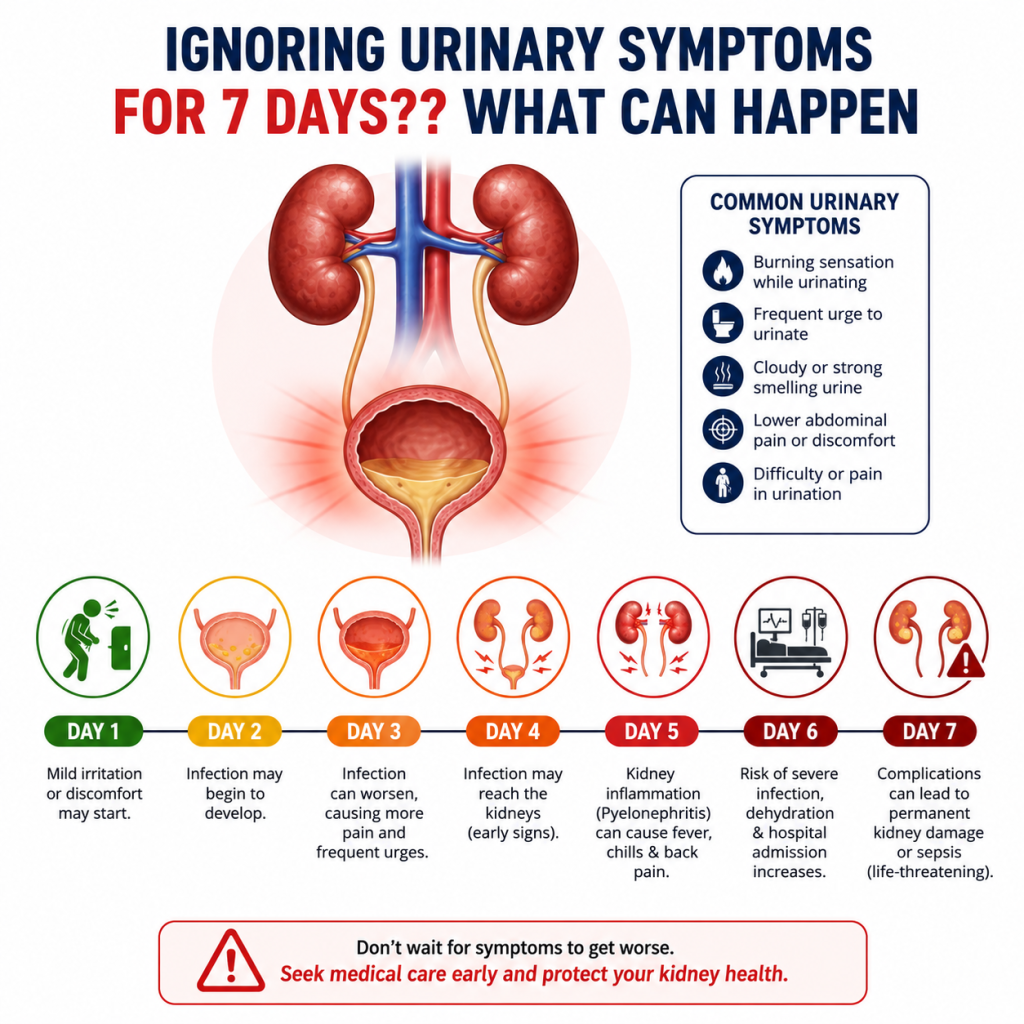
    Medical infographic illustrating the urinary system and a 7-day timeline showing how ignoring urinary symptoms can progress from mild discomfort to kidney infection, hospitalization, and serious complications

    Why Do Urinary Symptoms Start?

    Urinary symptoms usually indicate irritation, infection, or obstruction in the urinary tract.

    Common causes include:

    • Urinary Tract Infection (UTI): Bacterial infection affecting bladder or urethra
    • Kidney Stones: Hard deposits causing pain and urinary changes
    • Prostate Issues (in men): Enlargement or inflammation affecting urine flow
    • Bladder Irritation: Due to dehydration, diet, or infections
    • Sexually Transmitted Infections (STIs): Can cause burning or discharge

    Early symptoms are often mild—but they rarely stay that way without treatment.

    What Happens If You Ignore Symptoms for 7 Days?

    The progression depends on the cause, but most urinary conditions follow a predictable worsening pattern.

    Day 1–2: Mild but Noticeable Changes

    • Slight burning while urinating
    • Increased frequency
    • Mild discomfort in lower abdomen

    At this stage, many people ignore symptoms or try home remedies.

    Day 3–4: Infection or Irritation Progresses

    • Stronger burning sensation
    • Cloudy or foul-smelling urine
    • Increased urgency

    The infection (if present) is actively growing. Delaying treatment now increases risk of spread.

    Day 5–7: Complication Risk Begins

    • Pain in lower abdomen or back
    • Blood in urine (hematuria)
    • Fever or chills (in some cases)
    • Severe urgency or inability to hold urine

    At this stage, the condition may extend beyond the bladder.

    Symptoms and severity can vary from person to person, but worsening over time is a key warning sign.

    What Are the Risks of Delaying Treatment?

    Ignoring urinary symptoms is not just uncomfortable-it can lead to serious complications.

    1. Kidney Infection (Pyelonephritis)

    A simple bladder infection can travel upward to the kidneys.

    • Severe flank pain
    • High fever
    • Nausea and vomiting

    This condition requires immediate medical attention.

    2. Chronic Urinary Problems

    Untreated issues may become recurring or long-term.

    • Repeated infections
    • Persistent bladder irritation
    • Reduced quality of life

    3. Kidney Damage (Rare but Serious)

    In severe or prolonged cases:

    • Kidney function may be affected
    • Long-term health complications can develop

    4. Sepsis (Severe Infection Spread)

    In rare cases, infection can enter the bloodstream.

    • High fever
    • Rapid heart rate
    • Confusion

    This is a medical emergency.

    Why Do People Ignore Urinary Symptoms?

    Understanding behavior helps improve early intervention.

    Common reasons:

    • Assuming it’s temporary
    • Embarrassment discussing symptoms
    • Busy schedule or delaying doctor visits
    • Trying home remedies first

    This delay is where risk multiplies.

    Early Signs You Should Never Ignore

    Certain symptoms require attention even within 24–48 hours:

    • Burning sensation while urinating
    • Blood in urine
    • Fever with urinary discomfort
    • Persistent urge to urinate
    • Pain in lower abdomen or back

    These are not “normal” and should not be ignored.

    How Are Urinary Problems Diagnosed?

    Doctors use simple and quick diagnostic steps:

    • Urine Test (Urinalysis): Detects infection or blood
    • Ultrasound: Identifies stones or structural issues
    • Blood Tests: In severe cases
    • Culture Test: Identifies exact bacteria

    Early diagnosis = faster and simpler treatment.

    Treatment Options (Based on Cause)

    Treatment depends on the underlying issue:

    For UTIs

    • Antibiotics
    • Increased fluid intake

    For Kidney Stones

    • Pain management
    • Medication or procedures

    For Prostate Issues

    • Medication
    • Lifestyle changes

    For Irritation or Mild Cases

    • Hydration
    • Dietary adjustments

    Delaying treatment often means more aggressive interventions later.

    Can Urinary Symptoms Go Away on Their Own?

    In some mild cases, symptoms may temporarily improve-but:

    • The underlying issue may still remain
    • Symptoms often return or worsen
    • Infection may spread silently

    Self-resolution is not reliable for most cases.

    When to Consult Your Doctor

    You should consider medical evaluation if:

    • Symptoms last more than 24–48 hours
    • Pain increases or spreads
    • Fever develops
    • Blood appears in urine
    • Urination becomes difficult or painful

    If you are consulting a hospital in Bangalore, especially around New BEL Road, early evaluation helps prevent complications and reduces treatment time.

    Prevention: How to Reduce Risk

    Preventive steps can significantly lower chances of urinary issues:

    • Stay well hydrated
    • Maintain proper hygiene
    • Avoid holding urine for long periods
    • Limit irritants like caffeine and alcohol
    • Seek early treatment for symptoms

    Consistency is key.

    FAQs

    1. Can ignoring urinary symptoms for 7 days become dangerous?
    Yes. Symptoms like burning, urgency, or pain can indicate infection. If untreated for several days, the infection may spread to the kidneys and become more serious.

    2. Is it normal for urinary symptoms to last a week without treatment?
    No. Most urinary symptoms should improve within 1–2 days with proper care. If they persist for a week, it usually means the condition is worsening.

    3. Can a urinary tract infection go away on its own?
    Mild cases may temporarily improve, but most infections require medical treatment. Without treatment, symptoms often return or progress.

    4. What are the warning signs that urinary symptoms are getting worse?
    Key signs include fever, back pain, blood in urine, severe burning, or difficulty urinating. These indicate the need for immediate medical attention.

    5. When should I see a doctor for urinary symptoms?
    If symptoms last more than 48 hours, worsen over time, or are accompanied by pain or fever, you should consult a doctor.

    6. Are urinary problems different in men and women?
    Yes. Women commonly experience infections, while men may have prostate-related issues. However, both require timely diagnosis and treatment.

    Conclusion

    Ignoring urinary symptoms for 7 days can turn a manageable condition into a serious health issue. What begins as mild discomfort may progress into infections, kidney complications, or long-term problems if left untreated.

    Early awareness and timely consultation can prevent complications, reduce treatment duration, and ensure better outcomes. Listening to your body and acting early is always the safer and smarter choice.
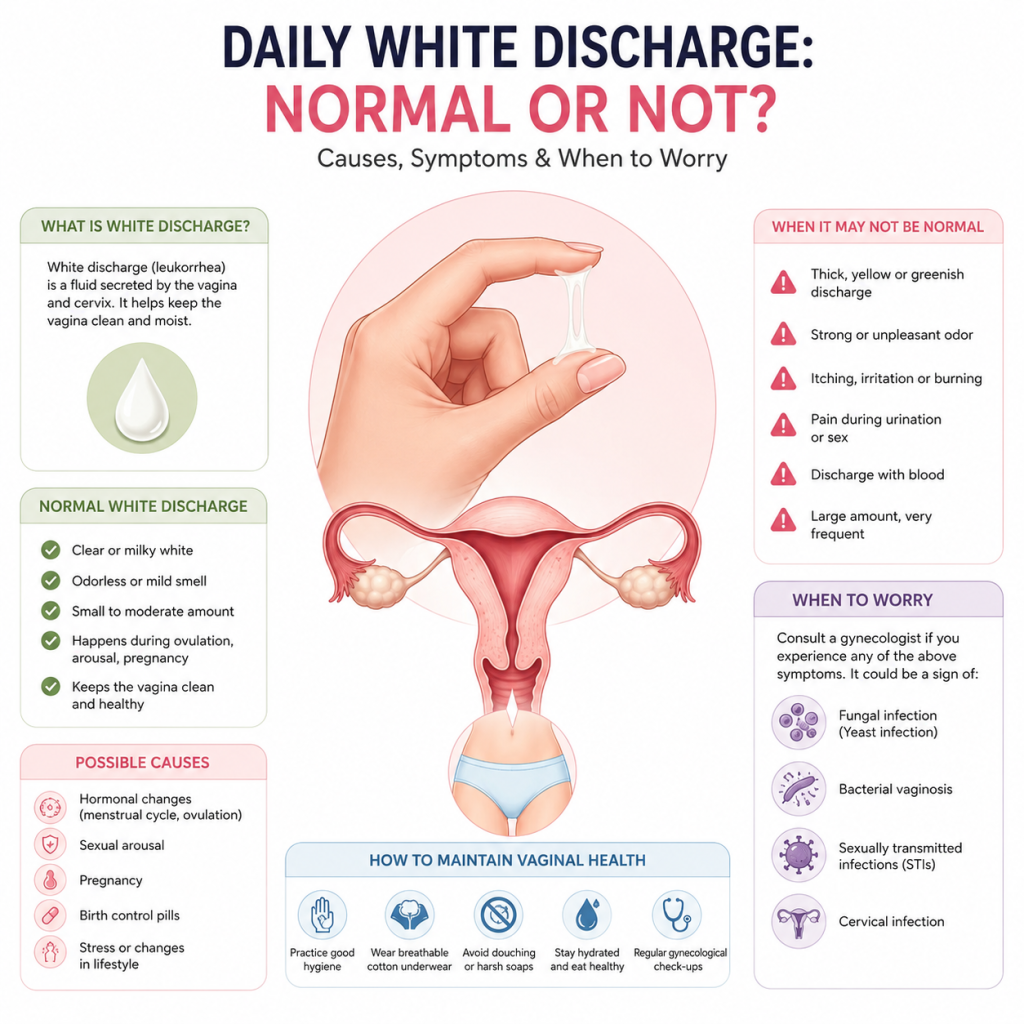
  • Daily White Discharge: Normal or Not? Causes, Symptoms & When to Worry

    Daily White Discharge: Normal or Not? Causes, Symptoms & When to Worry

    Daily white discharge is normal in most women and is part of the body’s natural cleaning process. However, if the discharge has a foul smell, unusual color, or causes itching or burning, it may indicate an infection or underlying problem.

    Many women worry about “white discharge problem,” “white discharge with itching,” or “is daily white discharge normal.” The confusion usually comes from not knowing the difference between normal discharge and signs of infection.

    Understanding this clearly helps you avoid unnecessary anxiety and also ensures you seek treatment at the right time.

    Medical anatomical illustration explaining daily white vaginal discharge, showing the female reproductive system with a comparison of normal and abnormal discharge, common causes, symptoms, warning signs, and when to seek medical attention on a clean white background.

    What Is White Discharge in Women

    White discharge, medically known as vaginal discharge, is a natural fluid released by glands in the vaginal and cervical area.

    It helps in:

    • Keeping the vaginal area clean
    • Protecting against infections
    • Maintaining a healthy pH balance
    • Removing dead cells and bacteria

    The amount of discharge may vary from person to person and also changes during different phases of the menstrual cycle.

    This variation is completely normal.

    Is Daily White Discharge Normal

    Yes, daily white discharge is normal if it has the right characteristics and does not cause discomfort.

    Normal White Discharge Features

    FeatureNormal Discharge
    ColorClear or milky white
    SmellNo strong odor
    TextureThin or slightly thick
    ItchingAbsent
    PainAbsent

    You may notice changes during the cycle:

    • Before periods → thicker discharge
    • During ovulation → clear and stretchy discharge
    • After periods → lighter discharge

    These changes are due to normal hormonal activity and do not require treatment.

    When White Discharge Is Not Normal

    White discharge should not be ignored when it changes in pattern or is associated with symptoms.

    Signs of Abnormal White Discharge

    • Strong or foul smell
    • Yellow, green, or grey color
    • Itching in the vaginal area
    • Burning sensation while passing urine
    • Pain during intercourse
    • Excessive or continuous discharge

    If you are experiencing symptoms like “white discharge with itching,” “smelly discharge,” or “burning sensation,” it is important to get evaluated.

    Common Causes of White Discharge in Women

    1. Normal Hormonal Changes

    Hormonal fluctuations during menstrual cycle, ovulation, or pregnancy can increase discharge.

    This type of discharge is usually normal and does not require treatment.

    2. Yeast Infection (Fungal Infection)

    One of the most common causes of abnormal discharge.

    Symptoms Include

    • Thick, white, curd-like discharge
    • Severe itching
    • Redness and irritation

    Common Triggers

    • High blood sugar levels
    • Antibiotic use
    • Tight or non-breathable clothing
    • Humid conditions

    3. Bacterial Infection

    When the natural balance of bacteria in the vagina is disturbed, it can lead to infection.

    Symptoms Include

    • Thin discharge
    • Fishy odor
    • Discomfort or irritation

    4. Sexually Transmitted Infections

    Some infections may cause:

    • Unusual colored discharge
    • Pain or irritation
    • Burning sensation

    These require prompt medical attention.

    5. Hormonal Imbalance

    Hormonal imbalance can affect both the quantity and consistency of discharge.

    It may be associated with:

    • Irregular periods
    • PCOS
    • Thyroid disorders

    Difference Between Normal and Abnormal White Discharge

    FactorNormal White DischargeAbnormal White Discharge
    ColorClear or whiteYellow, green, grey
    SmellNoneStrong or foul
    ItchingNoYes
    DiscomfortNoYes
    PatternVaries naturallyPersistent and worsening

    Why You Should Not Ignore Abnormal White Discharge

    Many women ignore symptoms due to hesitation or lack of awareness.

    Delaying treatment can lead to:

    • Worsening infection
    • Spread of infection
    • Increased discomfort
    • Possible reproductive health complications

    Early treatment is usually simple and highly effective.

    How to Prevent White Discharge Infections

    Simple Daily Habits

    • Maintain proper personal hygiene
    • Wear cotton and breathable undergarments
    • Avoid tight clothing for long durations
    • Drink enough water
    • Avoid excessive use of soaps or sprays in the vaginal area
    • Keep blood sugar levels under control

    These habits reduce the chances of infection significantly.

    When to Consult a Doctor for White Discharge

    You should consult a doctor if:

    • Discharge has a strong or unusual smell
    • Itching or burning sensation is present
    • Color changes are noticeable
    • Symptoms persist for several days
    • Pain or discomfort increases

    For women in Bangalore, Shirdi Sai Hospital, New BEL Road, provides evaluation and treatment for white discharge, vaginal infections, and hormonal concerns.

    Frequently Asked Questions

    Is daily white discharge normal?
    Yes, if it is clear or white, odorless, and does not cause discomfort.

    What causes white discharge with itching?
    Most commonly fungal infection or bacterial imbalance.

    Is white discharge a sign of pregnancy?
    It can increase during pregnancy, but abnormal changes should be evaluated.

    How to reduce white discharge naturally?
    Maintaining hygiene and hydration helps, but infections need medical treatment.

    When should I worry about white discharge?
    If there is smell, itching, color change, or discomfort.

    Conclusion

    White discharge is a natural and healthy function of the body.

    However, any change in color, smell, or associated symptoms should not be ignored.

    Understanding the difference between normal and abnormal discharge helps you take timely action and avoid complications.

    If symptoms persist, medical evaluation is the safest approach.

  • Period Delay Isn’t Always Stress – Here’s What You’re Missing

    Period Delay Isn’t Always Stress – Here’s What You’re Missing

    A delayed period is one of the most common concerns women experience, yet it is also one of the most misunderstood.

    In many cases, the immediate assumption is stress. Work pressure, travel, lack of sleep, or emotional changes are often blamed. While stress can affect the menstrual cycle temporarily, it is not always the full explanation.

    When periods are delayed occasionally, it may not indicate a serious issue. But when delays become frequent, unpredictable, or associated with other symptoms, it is often a signal that the body’s hormonal balance is being affected.

    Ignoring this pattern can delay diagnosis of underlying conditions that are easier to manage when identified early.

    Understanding what causes period delay beyond stress is essential for maintaining long-term reproductive and overall health.

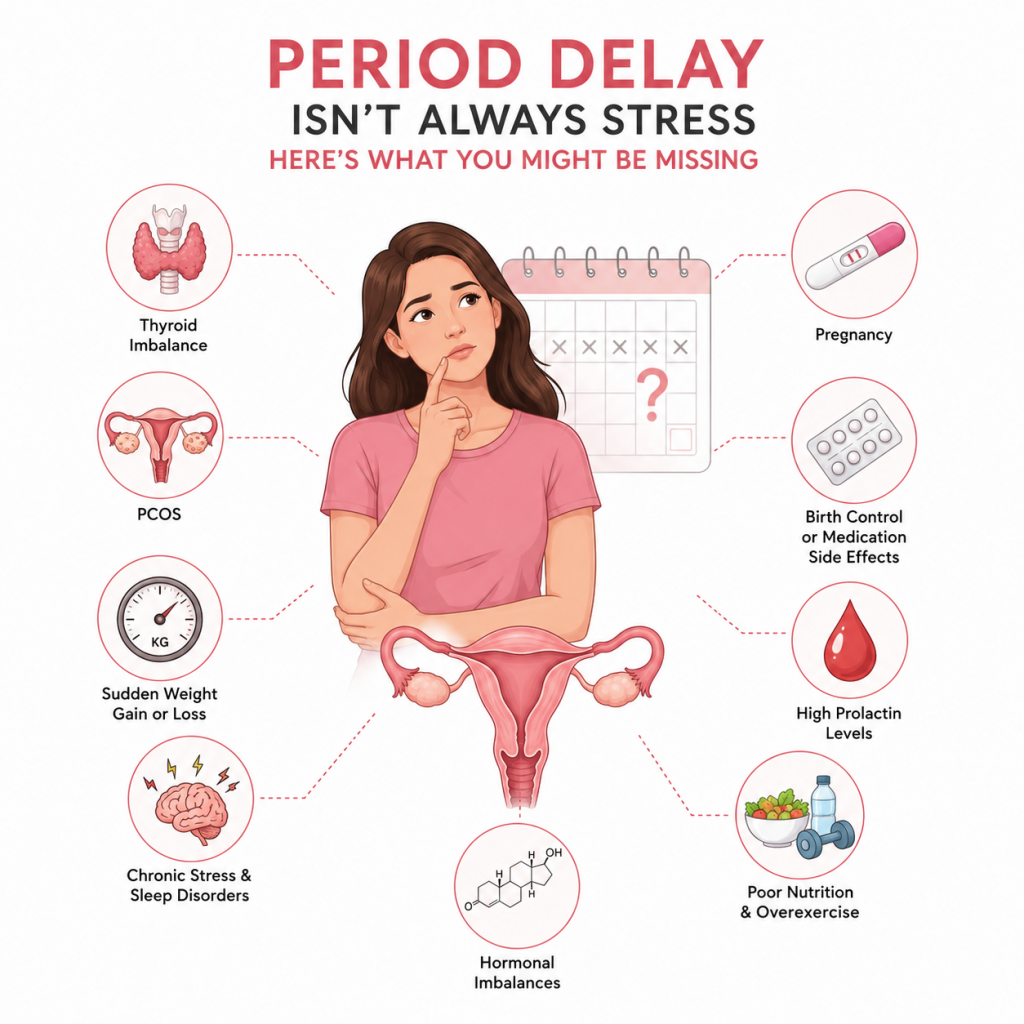
    Illustration showing a woman with a delayed menstrual cycle surrounded by medical causes of late periods, including PCOS, thyroid disorders, pregnancy, hormonal imbalance, medication, weight changes, stress, and nutrition on a white background.

    What Is Considered a Normal Menstrual Cycle

    Before understanding delay, it is important to understand what is considered normal.

    A typical menstrual cycle ranges between 21 to 35 days. Some variation from month to month is normal, especially during changes in routine or lifestyle.

    However, the pattern matters more than the number of days.

    A cycle may need attention if:

    • periods are delayed repeatedly
    • cycle length keeps changing significantly
    • you skip periods entirely for one or more months
    • bleeding pattern becomes inconsistent

    The body usually follows a rhythm. When that rhythm changes frequently, it is worth evaluating.

    Why Stress Is Not Always the Real Cause

    Stress affects the body through hormonal pathways, particularly by influencing the hypothalamus, which plays a role in regulating the menstrual cycle.

    Short-term stress can delay ovulation, which in turn delays periods.

    However, this effect is usually temporary.

    When stress reduces, the cycle often returns to normal.

    The problem arises when:

    • delays continue even after routine stabilizes
    • symptoms become consistent over months
    • additional signs like weight gain, acne, or fatigue appear

    In such cases, stress may be a contributing factor, but not the primary cause.

    Understanding How Period Delay Happens

    The menstrual cycle depends on a balance between different hormones.

    Each cycle involves:

    1. Hormonal signals from the brain
    2. Ovarian response leading to ovulation
    3. Preparation of the uterus
    4. Shedding of the lining if pregnancy does not occur

    If any step in this process is disrupted, the cycle may be delayed or irregular.

    This disruption can be due to:

    • hormonal imbalance
    • metabolic changes
    • endocrine disorders
    • lifestyle factors

    Common Causes of Delayed Periods (Beyond Stress)

    1. Hormonal Imbalance

    Hormonal imbalance is one of the most common causes of repeated delay.

    It can occur due to:

    • irregular ovulation
    • imbalance in estrogen and progesterone
    • metabolic disturbances

    When ovulation does not happen regularly, periods become unpredictable.

    2. Polycystic Ovary Syndrome (PCOS)

    PCOS is a leading cause of delayed or missed periods.

    In this condition:

    • ovulation may not occur regularly
    • hormone levels are altered
    • insulin resistance may be present

    Common symptoms include:

    • irregular periods
    • weight gain
    • acne
    • excess facial hair

    PCOS often develops gradually and may go unnoticed for years.

    3. Thyroid Disorders

    The thyroid gland regulates metabolism and influences menstrual cycles.

    Both hypothyroidism and hyperthyroidism can cause:

    • delayed periods
    • irregular cycles
    • changes in flow

    Because thyroid symptoms are often general, such as fatigue or weight changes, they are frequently overlooked.

    4. Pregnancy

    Pregnancy is an important cause of missed or delayed periods.

    If there is any possibility of pregnancy, testing should be done early.

    Even mild symptoms should not be ignored.

    5. Sudden Weight Changes

    The body requires a certain balance of fat and energy to maintain regular cycles.

    Significant weight gain or loss can disrupt hormonal balance and delay ovulation.

    This is commonly seen in:

    • extreme dieting
    • sudden lifestyle changes
    • metabolic imbalance

    6. Lifestyle Factors

    Lifestyle does not always cause delay directly but can influence hormonal regulation.

    Factors include:

    • irregular sleep patterns
    • poor diet
    • lack of exercise
    • long-term stress

    When combined, these factors can disturb the cycle over time.

    7. Underlying Medical Conditions

    Certain conditions may affect menstrual cycles, including:

    • prolactin imbalance
    • ovarian disorders
    • chronic illnesses

    These require proper evaluation for diagnosis.

    Symptoms That Suggest It’s More Than Just Stress

    A delayed period becomes more significant when it is associated with other symptoms.

    Common combinations include:

    Symptom combinationPossible concern
    Acne + delayed periodsHormonal imbalance / PCOS
    Weight gain + fatigueThyroid or metabolic issue
    Hair fall + irregular cyclesHormonal disruption
    Repeated missed periodsOvulation problem
    Mood changes + cycle delayHormonal or stress-related imbalance

    These patterns indicate that the body is not functioning in its normal rhythm.

    Why Repeated Delay Should Not Be Ignored

    Ignoring repeated delay can lead to:

    • worsening hormonal imbalance
    • difficulty in ovulation
    • fertility challenges
    • metabolic complications

    The concern is not a single delayed cycle, but a pattern that continues over time.

    Early identification allows better control and prevents complications.

    How Doctors Evaluate Delayed Periods

    Evaluation focuses on identifying the root cause rather than just treating symptoms.

    Typical approach includes:

    • detailed menstrual history
    • physical examination
    • blood tests for hormone levels
    • thyroid function tests
    • ultrasound when required

    This helps in understanding whether the delay is temporary or linked to an underlying condition.

    Can Lifestyle Changes Help Regulate Periods

    Lifestyle changes can support hormonal balance, especially in early stages.

    Helpful measures include:

    • maintaining regular sleep
    • balanced nutrition
    • consistent physical activity
    • stress management

    However, if a medical condition is present, lifestyle changes alone may not be sufficient.

    Common Misconceptions About Period Delay

    “It’s just stress”

    This is true only for occasional delays. Repeated delay needs evaluation.

    “If periods come eventually, everything is fine”

    Irregular cycles can still indicate underlying imbalance.

    “This happens to everyone”

    While variation is common, persistent irregularity is not normal.

    When Should You Consult a Doctor

    You should seek medical advice if:

    • periods are delayed frequently
    • cycles are irregular for several months
    • you miss more than one cycle
    • symptoms are recurring
    • you are planning pregnancy

    For women in Bangalore, Shirdi Sai Hospital, New BEL Road, provides evaluation and care for menstrual and hormonal health concerns.

    Impact on Long-Term Health

    Delayed periods linked to hormonal imbalance can affect:

    • reproductive health
    • metabolic function
    • emotional wellbeing

    Over time, untreated imbalance can increase the complexity of management.

    Frequently Asked Questions

    Is occasional delay normal?
    Yes, occasional variation can happen.

    When is delay a concern?
    When it becomes frequent or associated with other symptoms.

    Can PCOS cause delay?
    Yes, it is one of the most common causes.

    Should I test for pregnancy?
    Yes, if there is any possibility.

    Can delayed periods affect fertility?
    Yes, if ovulation is irregular.

    Conclusion

    A delayed period is not always a serious concern, but it is also not something that should be repeatedly ignored.

    While stress can cause temporary changes, persistent delay is often a sign of hormonal imbalance or other underlying conditions.

    Recognizing patterns early and seeking proper evaluation can make treatment simpler and more effective.

    Listening to your body at the right time helps prevent complications later.

  • Ignoring Hormonal Imbalance for Years Can Lead to This

    Ignoring Hormonal Imbalance for Years Can Lead to This

    Hormonal imbalance is one of the most commonly overlooked health concerns in women. It rarely begins as a serious problem. In most cases, it starts with small, manageable symptoms – slightly irregular periods, mild weight gain, acne, or occasional fatigue.

    Because these symptoms are common, many women adjust to them instead of investigating further.

    Over time, however, untreated hormonal imbalance does not remain limited to minor discomfort. Depending on the underlying cause, it can begin to affect multiple systems in the body, including reproductive health, metabolism, bone strength, and long-term overall health.

    Understanding what happens when hormonal imbalance is ignored for years is important, not to create fear, but to encourage timely evaluation and proper care.

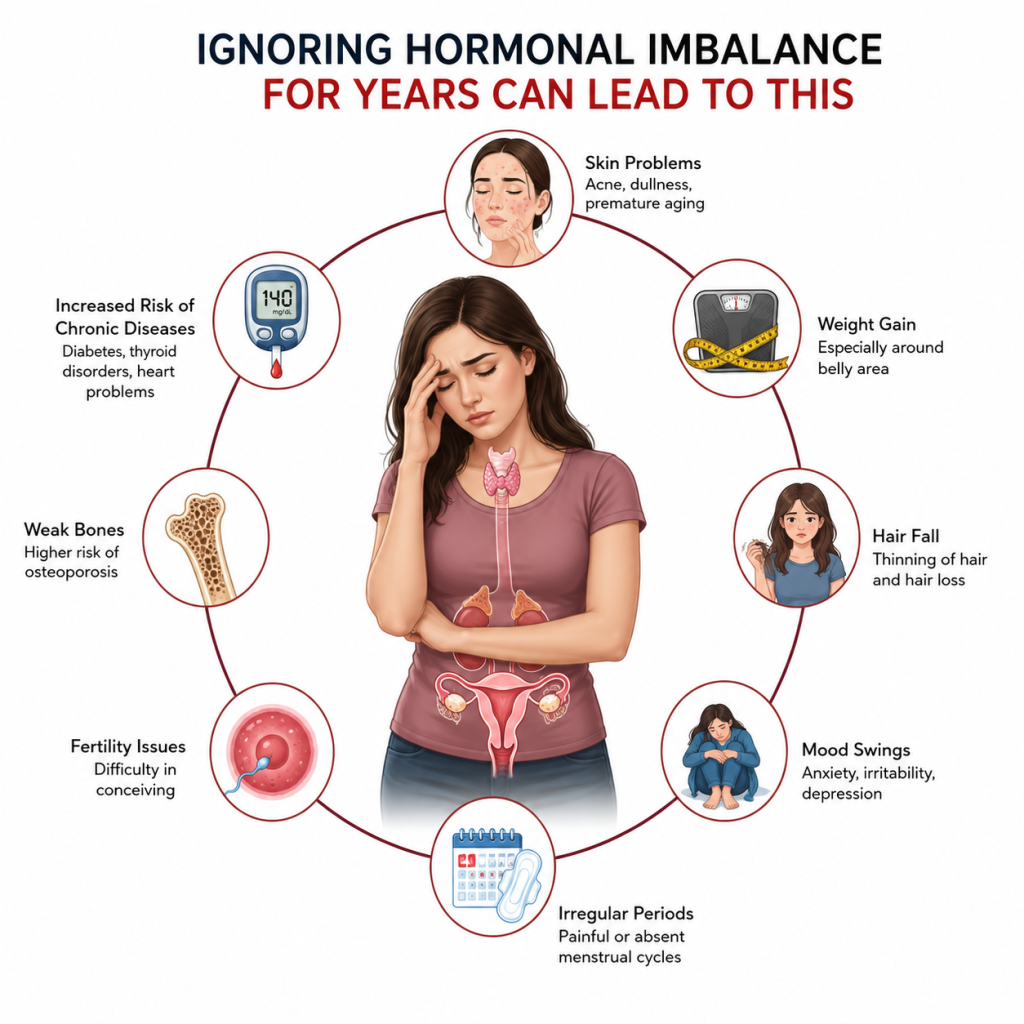
    Medical infographic showing a woman with an anatomical illustration of the endocrine and reproductive systems, highlighting the long-term effects of ignoring hormonal imbalance, including irregular periods, fertility issues, weight gain, hair fall, mood swings, skin problems, weak bones, and increased risk of chronic diseases.

    What Is Hormonal Imbalance and Why It Matters

    Hormones are chemical messengers that regulate many essential functions in the body.

    They control:

    • menstrual cycles
    • ovulation
    • metabolism
    • mood and energy levels
    • sleep patterns
    • skin and hair health

    When hormone levels go out of balance, these systems do not function as they should.

    The key concern is not a temporary imbalance, which can happen due to stress or lifestyle changes. The concern is persistent imbalance, where symptoms continue for months or years without proper evaluation.


    Why Hormonal Imbalance Often Goes Undiagnosed

    Hormonal imbalance does not usually present with one clear symptom. Instead, it appears as a combination of subtle changes that develop gradually.

    Common early signs include:

    • irregular or delayed periods
    • acne that persists beyond teenage years
    • gradual weight gain
    • hair thinning or increased facial hair
    • fatigue or low energy
    • mood fluctuations

    Because these symptoms overlap with lifestyle-related issues, many women do not seek medical advice early.

    Instead, they:

    • adjust diet or routine
    • try home remedies
    • wait for symptoms to improve on their own

    This delay allows the underlying condition to continue progressing.

    Long-Term Effects of Ignoring Hormonal Imbalance

    When hormonal imbalance is left untreated for years, its effects are not limited to one system. It can gradually affect multiple aspects of health.

    1. Irregular Ovulation and Fertility Challenges

    One of the most important consequences is its impact on ovulation.

    Hormones regulate the release of eggs from the ovaries. When this process is disrupted:

    • ovulation may become irregular
    • ovulation may stop completely in some cycles

    Over time, this can lead to difficulty in conceiving.

    Many women discover long-standing hormonal imbalance only when they begin planning pregnancy and face unexpected delays.

    2. Polycystic Ovary Syndrome (PCOS) Progression

    PCOS is one of the most common causes of hormonal imbalance.

    In early stages, symptoms may appear mild:

    • delayed periods
    • acne
    • slight weight gain

    If ignored, PCOS may progress and lead to:

    • persistent irregular cycles
    • difficulty losing weight
    • insulin resistance
    • fertility-related concerns

    Early management helps control symptoms more effectively and reduces long-term complications.

    3. Increased Risk of Insulin Resistance and Metabolic Issues

    Hormonal imbalance, especially in conditions like PCOS, can affect how the body uses insulin.

    This may lead to:

    • increased blood sugar levels
    • difficulty managing weight
    • higher risk of developing diabetes over time

    This is why hormonal health and metabolic health are closely connected.

    4. Thyroid-Related Complications

    Thyroid hormones play a major role in regulating metabolism.

    When thyroid imbalance is ignored, it can result in:

    • persistent fatigue
    • unexplained weight gain or weight loss
    • hair fall
    • mood changes
    • menstrual irregularities

    If left untreated, thyroid disorders can continue to affect daily functioning and overall wellbeing.

    5. Bone Health Impact

    Certain hormonal conditions can affect bone strength over time.

    When hormone levels remain imbalanced for long durations:

    • bone density may reduce
    • risk of weakness or fractures may increase

    This is often overlooked because bone-related symptoms appear later.

    6. Cardiovascular and Long-Term Health Risks

    Hormonal imbalance can also influence:

    • cholesterol levels
    • blood pressure
    • fat distribution in the body

    Over time, these changes may contribute to increased cardiovascular risk, especially when combined with other factors like diabetes or obesity.

    7. Emotional and Psychological Effects

    Hormones are closely linked to mental wellbeing.

    Persistent imbalance can lead to:

    • mood swings
    • irritability
    • anxiety
    • reduced motivation
    • disturbed sleep

    These changes are often not immediately linked to hormonal causes, which delays proper treatment.

    Common Causes Behind Long-Term Hormonal Imbalance

    Hormonal imbalance is not a single condition. It can result from different underlying issues.

    Major causes include:

    ConditionHow it affects hormones
    PCOSDisrupts ovulation and insulin balance
    Thyroid disordersAffects metabolism and energy levels
    Prolactin imbalanceInterferes with menstrual cycle
    Stress and lifestyleImpacts hormone regulation
    PerimenopauseNatural hormonal fluctuations with age

    Identifying the exact cause is essential for proper treatment.

    Why Early Diagnosis Makes a Difference

    One of the most important aspects of hormonal health is timing.

    When imbalance is identified early:

    • treatment is more straightforward
    • symptoms are easier to control
    • long-term risks can be reduced

    When ignored for years:

    • multiple systems may get affected
    • symptoms become more complex
    • treatment may take longer

    This is why early evaluation is always recommended when symptoms persist.

    How Lifestyle Influences Hormonal Health

    Lifestyle plays a significant role in hormone regulation.

    In urban environments, common factors include:

    • irregular eating patterns
    • poor sleep quality
    • high stress levels
    • lack of physical activity

    These factors may not directly cause hormonal disorders, but they can worsen existing imbalance.

    Simple changes can support treatment:

    • maintaining a regular sleep cycle
    • balanced diet
    • consistent physical activity
    • stress management

    When Should You Consult a Doctor

    You should consider medical evaluation if:

    • periods are irregular for several months
    • symptoms keep repeating
    • weight changes are unexplained
    • acne and hair changes persist
    • you are planning pregnancy
    • fatigue and mood changes are ongoing

    Early consultation helps identify the cause and prevents complications.

    For women in Bangalore, Shirdi Sai Hospital, New BEL Road, provides evaluation and care for hormonal and gynecological concerns.

    What to Expect During Evaluation

    A proper assessment usually includes:

    • detailed medical history
    • menstrual cycle tracking
    • blood tests for hormone levels
    • thyroid evaluation
    • ultrasound if required

    This helps in identifying the exact cause rather than treating symptoms alone.

    Frequently Asked Questions

    Can hormonal imbalance correct itself over time?
    Temporary changes may resolve, but persistent symptoms usually need evaluation.

    Is irregular period always a sign of hormonal imbalance?
    Not always, but repeated irregularity should be checked.

    Can hormonal imbalance affect weight and skin together?
    Yes, it commonly affects both metabolism and skin health.

    Is PCOS the only cause of hormonal imbalance?
    No, thyroid issues and other conditions can also cause imbalance.

    Can treatment help even after years of imbalance?
    Yes, but early treatment is more effective and easier to manage.

    Conclusion

    Hormonal imbalance is often gradual and easy to ignore in the early stages. However, when symptoms continue for months or years, the impact can extend beyond minor discomfort.

    It can influence fertility, metabolism, bone health, emotional wellbeing, and overall long-term health.

    The key is not to react with concern, but to respond with awareness.

    Recognizing persistent symptoms and seeking timely medical evaluation can prevent complications and make management significantly easier.

  • This One Habit Is Quietly Causing Repeated Urine Infections

    This One Habit Is Quietly Causing Repeated Urine Infections

    If you’ve been dealing with frequent burning while passing urine, repeated urges to go to the bathroom, or infections that keep coming back every few months, you are not alone.

    Many patients visit the hospital thinking it’s just a “common infection” that keeps happening. They take antibiotics, feel better for a while, and then the same symptoms return again.

    In many such cases, the issue is not just bacteria – it’s a daily habit that is quietly increasing the chances of infection.

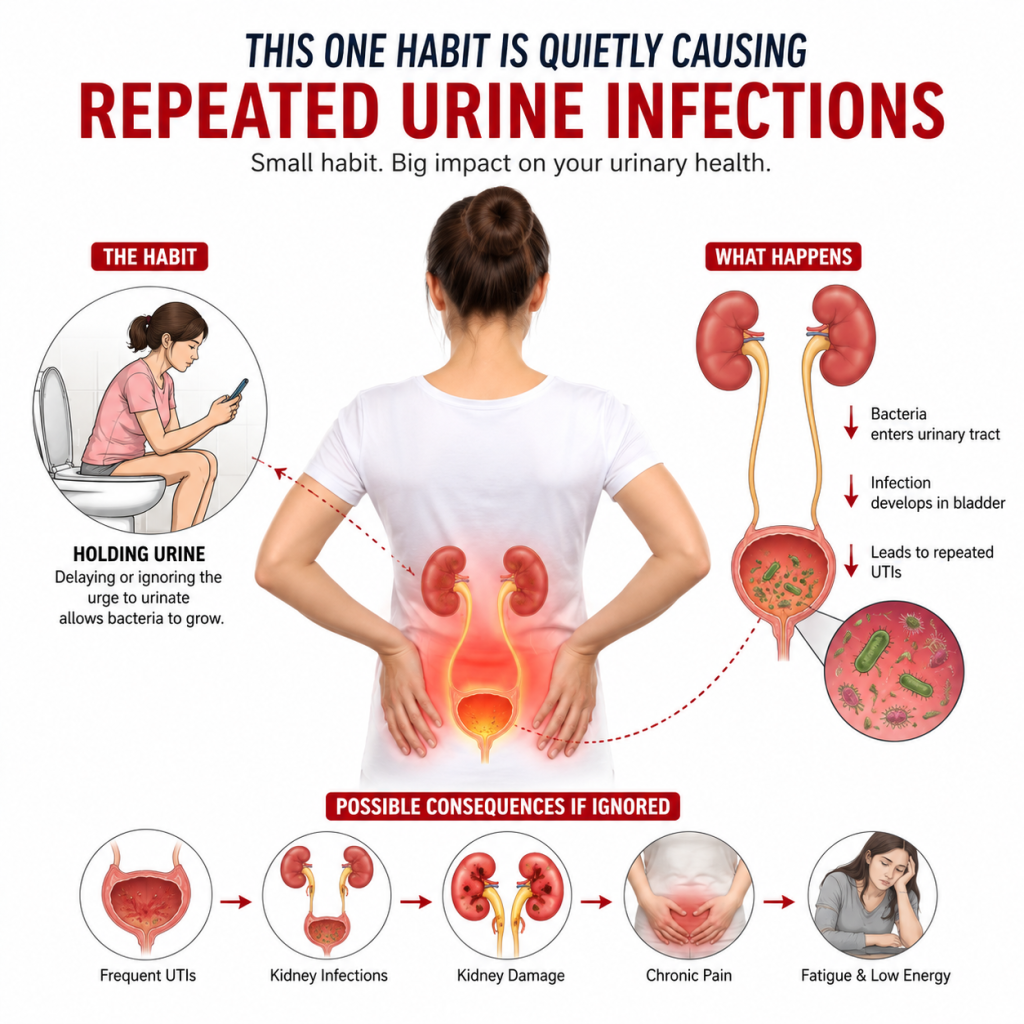
    One of the most common reasons behind repeated urine infections is not drinking enough water and holding urine for long periods.

    This combination creates the perfect environment for bacteria to grow inside the urinary tract.

    Medical infographic illustrating how the habit of holding urine can lead to repeated urinary tract infections (UTIs), showing the kidneys, ureters, bladder, bacterial growth, and potential complications such as kidney infection, kidney damage, chronic pain, and fatigue.

    Understanding Why Urine Infections Keep Coming Back

    A urinary infection usually happens when bacteria enter the urinary tract and start multiplying.

    In most cases, a short course of treatment clears it. But when infections keep repeating, it usually means something in your routine is allowing bacteria to grow again and again.

    The body has a natural cleaning system. Urine flow helps flush out bacteria.

    But when this flow is disturbed, bacteria get time to multiply.

    The Habit Most People Ignore

    Holding Urine for Long Hours

    This is extremely common.

    People delay going to the restroom because of:

    • Busy work schedules
    • Travel
    • Lack of clean restrooms
    • Ignoring the urge

    When urine stays in the bladder for too long:

    • Bacteria are not flushed out
    • The bladder becomes a breeding ground
    • Infection risk increases

    Over time, this turns into a repeated cycle.

    Not Drinking Enough Water

    Another major factor.

    Many people reduce water intake to avoid frequent urination, especially during work or travel.

    This creates two problems:

    • Less urine formation → less flushing of bacteria
    • Concentrated urine → irritation and discomfort

    This combination increases the risk of infection.

    Even a simple habit like delaying urination regularly can slowly increase the chances of repeated infections.

    Common Symptoms You Should Not Ignore

    Urine infections don’t always start with severe symptoms.

    Early signs include:

    • Burning sensation while passing urine
    • Frequent urge to urinate
    • Passing small amounts of urine repeatedly
    • Lower abdominal discomfort
    • Cloudy or strong-smelling urine

    If infections repeat, symptoms may worsen or appear more frequently.

    Who Is More Prone to Repeated Urine Infections

    Some people are more likely to experience this problem.

    High-risk groups include:

    • Women (due to shorter urinary tract)
    • People with diabetes
    • Pregnant women
    • Individuals with low water intake habits
    • People who frequently delay urination
    • Patients with kidney stones or urinary issues

    In many urban areas like Bangalore, long working hours and travel routines contribute significantly to this problem.

    Why Antibiotics Alone Are Not Enough

    Many patients rely only on medication.

    They take antibiotics, feel better, and assume the problem is solved.

    But if the underlying habit continues:

    • Infection returns
    • Antibiotic resistance may develop
    • Symptoms become harder to manage

    Treatment works best when habit correction is combined with medication.

    How to Break the Cycle of Repeated Infections

    1. Do Not Delay Urination

    Go to the restroom as soon as you feel the urge.

    Even small delays, when repeated daily, can increase risk.

    2. Maintain Proper Hydration

    Drink enough water throughout the day.

    Clear or light-colored urine is usually a sign of good hydration.

    3. Maintain Personal Hygiene

    • Clean properly after using the restroom
    • Avoid harsh products that may cause irritation
    • Wear comfortable clothing

    4. Manage Underlying Conditions

    Conditions like diabetes should be well-controlled to reduce infection risk.

    5. Do Not Self-Medicate Repeatedly

    Frequent antibiotic use without proper evaluation can cause long-term issues.

    When to Consult a Doctor

    You should seek medical advice if:

    • Infection keeps returning
    • Symptoms persist despite treatment
    • There is fever or severe pain
    • You notice blood in urine
    • You have diabetes or other risk factors

    If you are consulting a hospital in Bangalore, especially around areas like New BEL road, Yeshwanthpur, or North Bangalore, early evaluation can help identify the root cause and prevent recurrence.

    Can Repeated Urine Infections Lead to Bigger Problems

    Yes, if ignored.

    Repeated infections can sometimes lead to:

    • Kidney infections
    • Chronic urinary problems
    • Increased discomfort affecting daily life

    Early treatment and lifestyle correction can prevent these complications.

    Simple Daily Changes That Make a Big Difference

    Many patients see improvement just by changing small habits:

    • Drinking water regularly instead of in large gaps
    • Taking short breaks to use the restroom
    • Avoiding holding urine during travel or work
    • Staying aware of early symptoms

    These changes may seem simple, but they are highly effective.

    Frequently Asked Questions

    Why do urine infections keep coming back?
    Repeated infections are often linked to daily habits like low water intake or holding urine for long periods.

    How much water should I drink to prevent infections?
    It varies by person, but staying well hydrated and passing clear urine is a good indicator.

    Is holding urine occasionally harmful?
    Occasional delay is fine, but regular habit increases infection risk.

    Can urine infections go away on their own?
    Mild cases may improve, but repeated infections need proper medical evaluation.

    Are women more prone to urine infections?
    Yes, due to anatomical reasons, women are more likely to experience UTIs.

    Conclusion

    Repeated urine infections are often not just a medical issue – they are linked to everyday habits.

    Ignoring the urge to urinate or not drinking enough water may seem harmless, but over time, these habits can lead to recurring discomfort and infections.

    The good news is that simple changes can make a significant difference.

    Understanding your body, responding to early symptoms, and making small adjustments in daily routine can help you stay infection-free and avoid repeated treatment cycles.

  • Early Signs of Kidney Damage Most People Ignore

    Early Signs of Kidney Damage Most People Ignore

    Most kidney problems do not begin with severe pain.

    There is no dramatic collapse. No obvious warning. No unbearable symptom.

    In fact, many people continue daily life for months – sometimes years – without realizing their kidneys are slowly losing function.

    That is what makes kidney damage dangerous.

    By the time symptoms become obvious, significant damage may already have occurred.

    The good news is this: the body usually gives subtle early signs. The problem is that we often dismiss them as stress, heat, ageing, or minor illness.

    If you live in a fast-paced city like Bangalore, where long work hours, irregular meals, dehydration, diabetes, and blood pressure issues are common, understanding these early signs becomes even more important.

    Let us talk clearly about what to watch for – and when to act.

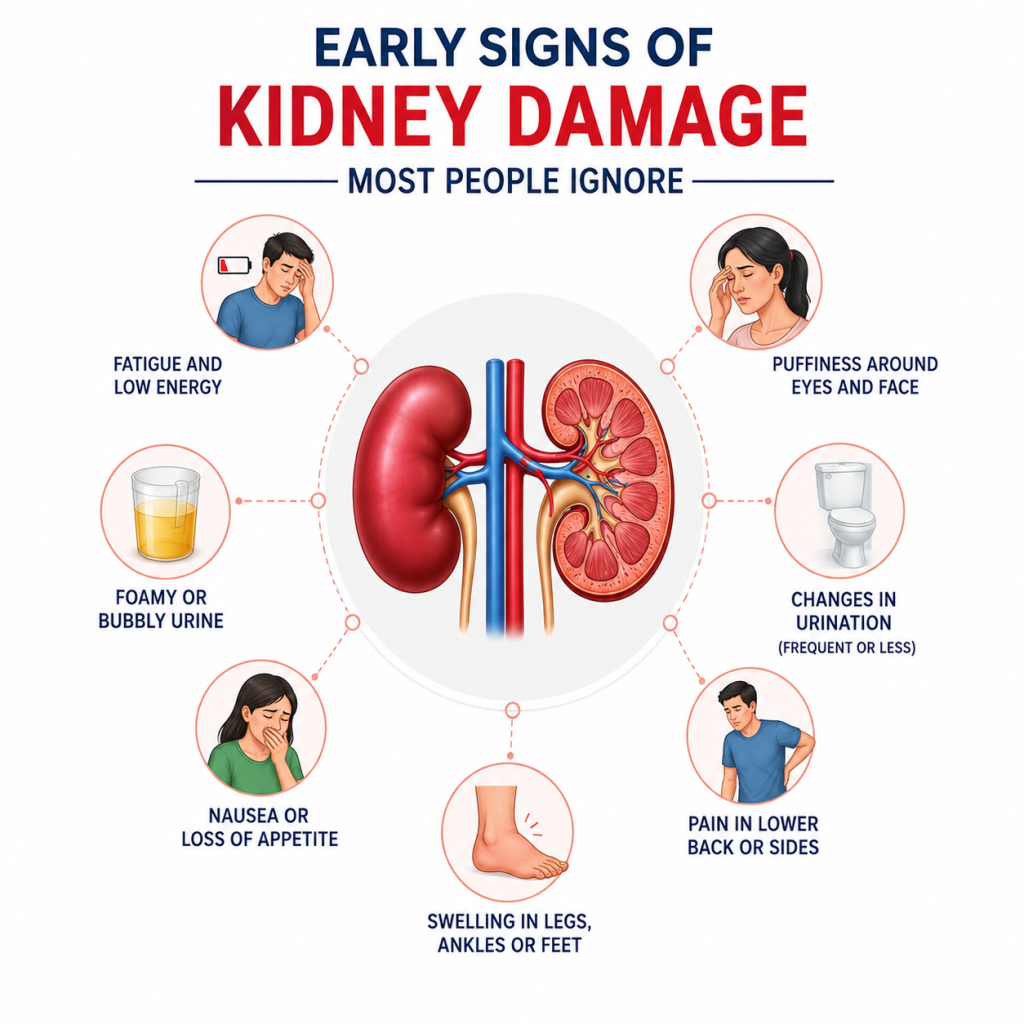
    Medical infographic illustrating the early signs of kidney damage, including fatigue, puffiness around the eyes, foamy urine, changes in urination, nausea, lower back pain, and swelling in the legs and feet, with a detailed anatomical kidney illustration on a white background.

    Why Kidney Damage Is Often Silent

    Your kidneys are powerful filters.

    They:
    • Remove waste from blood
    • Control fluid balance
    • Maintain blood pressure
    • Balance electrolytes
    • Help produce red blood cells

    Even if kidney function drops by 25 to 30 percent, you may not feel severe symptoms.

    The body compensates quietly.

    That is why many people discover kidney problems only during routine health checkups.

    1. Constant Tiredness That Does Not Improve

    Everyone feels tired occasionally. But if fatigue becomes constant despite adequate sleep, it needs attention.

    When kidneys are not filtering properly:
    • Waste builds up in blood
    • Hemoglobin levels may reduce
    • Oxygen supply decreases

    This leads to:
    • Low energy
    • Heavy body feeling
    • Lack of motivation

    Many people blame office stress or lack of exercise. But if fatigue persists for weeks, basic kidney tests are worth considering.

    2. Swelling in Feet, Ankles or Eyelids

    Have you noticed tight footwear by evening?

    Or puffiness around your eyes in the morning?

    This may be fluid retention.

    When kidneys struggle, they fail to remove excess salt and water.

    This causes swelling, especially in:
    • Feet
    • Ankles
    • Lower legs
    • Around the eyes

    In hot weather, swelling is often ignored. But if it happens repeatedly or does not reduce overnight, do not ignore it.

    3. Foamy or Bubbly Urine

    Many people ignore this sign.

    Foamy urine that happens occasionally may not be serious.

    But persistent foam may indicate protein leakage.

    Protein normally stays in the blood. When kidneys are damaged, protein may leak into urine.

    This is often one of the earliest signs of kidney damage.

    If you repeatedly notice excessive bubbles, get a urine test done.

    4. Increased Night Urination

    Waking up once at night can be normal.

    But waking three or four times regularly without drinking excess water may indicate a problem.

    Early kidney dysfunction affects the kidney’s ability to concentrate urine.

    This leads to:
    • Frequent night urination
    • Passing small amounts frequently

    It may also be linked to diabetes or prostate issues.

    Persistent change needs evaluation.

    5. Loss of Appetite and Metallic Taste

    When waste products accumulate in blood, digestion gets affected.

    You may notice:
    • Reduced appetite
    • Nausea
    • Vomiting
    • Metallic taste in mouth

    Many people assume acidity.

    But if appetite loss continues along with fatigue or swelling, kidney evaluation is necessary.

    6. Itching Without Rash

    Persistent itching without visible rash may indicate mineral imbalance.

    Kidney dysfunction affects calcium and phosphorus levels.

    This leads to:
    • Dry skin
    • Generalized itching
    • Discomfort without allergy

    If creams do not help and itching persists, further investigation may be needed.

    7. High Blood Pressure That Becomes Difficult to Control

    Kidneys and blood pressure are closely connected.

    If blood pressure becomes difficult to manage despite medication, kidney involvement should be ruled out.

    High BP damages kidneys. Damaged kidneys worsen BP.

    This cycle must be broken early.

    8. Shortness of Breath

    In advanced cases, fluid may accumulate in lungs.

    Symptoms include:
    • Breathlessness
    • Difficulty lying flat
    • Sudden fatigue

    This is not an early symptom and requires urgent care.

    9. Leg Cramps and Muscle Weakness

    Kidney dysfunction can disturb electrolyte balance.

    This may cause:
    • Frequent leg cramps
    • Muscle weakness
    • Tingling sensation

    If cramps are frequent and unexplained, check kidney function.

    10. Brain Fog or Reduced Concentration

    Toxin buildup affects cognitive function.

    You may feel:
    • Confused
    • Slow in thinking
    • Unable to focus

    This subtle symptom is often overlooked.

    Who Is at Higher Risk?

    You are at increased risk if you have:

    • Diabetes
    • High blood pressure
    • Family history of kidney disease
    • Recurrent kidney stones
    • Long-term painkiller use
    • Heart disease

    In Bangalore, rising diabetes and hypertension rates have increased kidney disease prevalence.

    If you fall into these groups, yearly screening is essential.

    How Is Early Kidney Damage Diagnosed?

    Diagnosis is simple.

    Tests include:
    • Blood creatinine
    • eGFR
    • Urine protein test
    • Ultrasound

    These tests are available in most hospitals.

    Early-stage kidney disease may not need hospitalization. It often requires medication and lifestyle correction.

    Can Kidney Damage Be Reversed?

    Early stages can be controlled and slowed significantly.

    Management includes:
    • Strict BP control
    • Blood sugar management
    • Low salt diet
    • Avoiding unnecessary painkillers
    • Weight control
    • Proper hydration

    Advanced stages may require dialysis.

    Approximate dialysis cost in Bangalore ranges from 2,000 to 4,000 per session.

    Kidney transplant cost in Bangalore may range between 6,00,000 to 12,00,000 depending on complexity.

    Early detection prevents reaching this stage.

    When Should You See a Doctor Immediately?

    Seek urgent medical care if you experience:

    • Severe swelling
    • Very little urine output
    • Blood in urine
    • Severe breathlessness
    • Persistent vomiting
    • Extremely high BP

    Do not wait for symptoms to worsen.

    Why People Delay Testing

    Common reasons include:

    • No pain
    • Busy schedule
    • Fear
    • Financial concerns
    • Assuming it is minor

    But kidney damage is often painless in early stages.

    Silence does not mean safety.

    How Often Should Kidney Tests Be Done?

    If healthy and under 40: once every two years.

    If diabetic or hypertensive: yearly.

    If previously diagnosed: follow doctor advice strictly.

    Conclusion

    Kidney damage usually begins quietly.

    Fatigue.
    Swelling.
    Foamy urine.
    Night urination.

    These are small signals.

    Ignoring them allows damage to progress silently.

    Listening early can protect your kidneys for years.

    If you notice persistent symptoms, consult a urologist and get basic tests done.

    Early reassurance is better than late regret.

  • When Should You See a Doctor for Urinary Problems?

    When Should You See a Doctor for Urinary Problems?

    Most people delay visiting a doctor for urinary problems.

    They assume it is “just infection.”
    Or “maybe dehydration.”
    Or “it will settle on its own.”

    But urinary symptoms are rarely random. They are often early warning signs. Sometimes minor. Sometimes serious.

    The problem is not that urinary symptoms occur. The problem is waiting too long.

    So how do you know when it is safe to wait and when it is time to see a doctor?

    Let us break it down clearly.

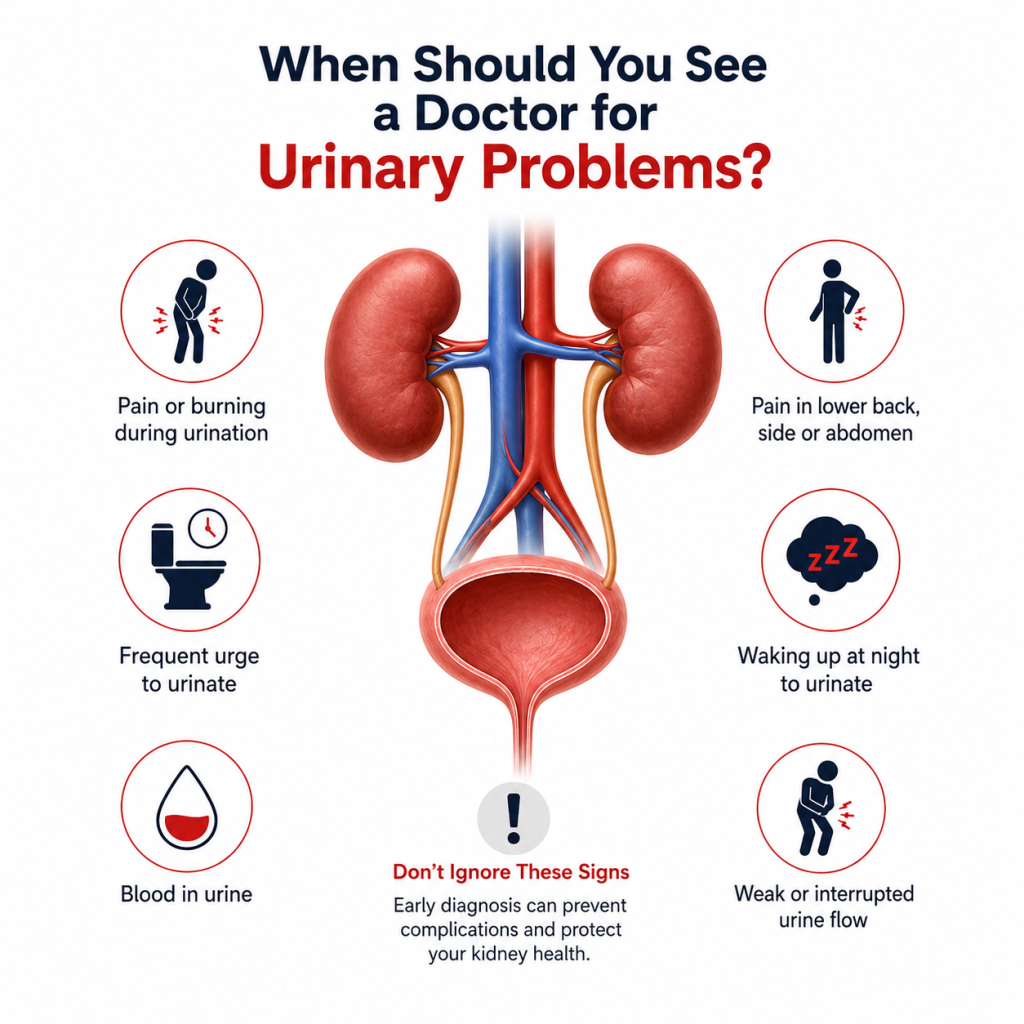
    Medical infographic showing the human urinary system with common warning signs of urinary problems, including painful urination, frequent urination, blood in urine, lower back pain, nighttime urination, and weak urine flow, indicating when to see a doctor.

    What Are Considered Urinary Problems?

    Urinary problems include any change in your normal urination pattern, such as:

    • Burning while passing urine
    • Increased frequency
    • Urgency
    • Weak urine stream
    • Difficulty starting urine
    • Blood in urine
    • Leakage
    • Lower abdominal pain
    • Back or flank pain

    If your urination pattern has changed and it persists, your body is signaling something.

    Is Burning Urine Always Serious?

    A mild burning sensation for one day can be due to dehydration or spicy food.

    However, if burning continues for more than 48 hours, it is likely infection.

    You should see a doctor if burning is associated with:

    • Fever
    • Chills
    • Lower abdominal pain
    • Cloudy or foul-smelling urine
    • Pain in the lower back

    In women, urinary infections are common. In men, especially above 40, burning may also involve the prostate and needs evaluation.

    Ignoring infection can allow it to spread to the kidneys.

    When Is Frequent Urination a Warning Sign?

    Passing urine frequently can be harmless if you drink large amounts of water or tea.

    But concern arises when:

    • You wake up more than two or three times at night regularly
    • You feel urgency and cannot hold urine
    • You feel incomplete bladder emptying
    • You urinate small quantities frequently

    Frequent urination may indicate:

    • Urinary tract infection
    • Diabetes
    • Prostate enlargement
    • Overactive bladder
    • Bladder stones

    If it continues for more than a week, medical consultation is advisable.

    Should You Worry About Weak Urine Flow?

    A weak stream is often dismissed as ageing, especially by men over 45.

    But symptoms such as:

    • Straining to start urination
    • Interrupted flow
    • Dribbling
    • Prolonged urination time

    Usually indicate prostate enlargement.

    Early prostate enlargement can be treated with medication. Delayed treatment can lead to urinary retention or bladder damage.

    If weak flow affects daily life, do not ignore it.

    Is Blood in Urine Always an Emergency?

    Blood in urine must never be ignored.

    Even if it happens once.

    Possible causes include:

    • Kidney stones
    • Urinary infection
    • Prostate enlargement
    • Bladder issues
    • Rarely, tumors

    Sometimes blood appears only under a microscope and is detected during routine tests.

    If you notice visible blood in urine, seek evaluation immediately.

    Early detection significantly improves treatment outcomes.

    When Does Back Pain Become a Urology Issue?

    Lower back or side pain may indicate kidney problems.

    Sharp, severe pain radiating toward the groin often suggests kidney stones.

    You should see a doctor immediately if pain is associated with:

    • Vomiting
    • Fever
    • Difficulty urinating
    • Severe discomfort

    In Bangalore, small kidney stones may pass with medication. Larger stones may require laser procedures.

    Approximate kidney stone treatment cost in Bangalore ranges from 40,000 to 1,20,000 depending on size, procedure type, and hospital.

    What If You Cannot Pass Urine at All?

    Complete inability to urinate is an emergency.

    This may occur due to:

    • Severe prostate enlargement
    • Obstruction
    • Bladder dysfunction

    Delaying treatment can damage the kidneys permanently.

    Immediate medical attention is necessary.

    How Many Urinary Infections Are Too Many?

    One infection occasionally may not be serious.

    However, if you have:

    • Two infections within six months
    • Repeated burning episodes
    • Recurring fever with urinary symptoms

    You need further evaluation.

    Recurrent infections may indicate:

    • Stones
    • Structural issues
    • Poor bladder emptying
    • Diabetes

    Treating infection alone is not enough if the root cause remains.

    Is Urinary Leakage Normal?

    Leakage during coughing, laughing, or urgency is common but not normal.

    Women after childbirth and elderly individuals often accept it silently.

    But urinary leakage can be treated through:

    • Pelvic floor exercises
    • Medication
    • Minimally invasive procedures

    Do not ignore symptoms that affect confidence or daily life.

    When Should Women Seek Immediate Care?

    Women should seek evaluation if:

    • Burning lasts beyond two days
    • There is pelvic pain
    • Urine has blood
    • Fever develops
    • Symptoms occur during pregnancy

    Pregnancy-related urinary infections require early treatment to prevent complications.

    When Should Men Over 45 Be Concerned?

    Men above 45 should consult a doctor if they notice:

    • Weak stream
    • Night urination increasing
    • Difficulty starting urine
    • Sudden urinary retention

    Prostate enlargement is common with age, but early treatment prevents complications.

    Approximate prostate surgery cost in Bangalore ranges from 80,000 to 2,00,000 depending on technique and hospital.

    Medication often controls early-stage enlargement effectively.

    Can Urinary Problems Indicate Kidney Damage?

    Yes.

    Symptoms like:

    • Swelling in legs
    • Foamy urine
    • Reduced urine output
    • Persistent back pain

    May indicate kidney dysfunction.

    Early diagnosis prevents long-term damage.

    How Long Is Too Long to Wait?

    You may observe mild symptoms for 24 to 48 hours.

    However, consult a doctor if:

    • Symptoms persist beyond three days
    • Symptoms worsen
    • Pain increases
    • Fever develops
    • Blood appears
    • Sleep is disturbed

    Delaying care often increases treatment complexity.

    What Happens During a Urology Consultation?

    Consultation typically includes:

    • Symptom history
    • Physical examination
    • Urine test
    • Blood tests
    • Ultrasound

    Additional tests like CT scan or uroflowmetry may be required.

    Most investigations are simple and painless.

    Why Early Diagnosis Reduces Cost

    Early treatment usually involves medication and monitoring.

    Delayed diagnosis may require:

    • Emergency admission
    • Surgery
    • Advanced procedures
    • Longer hospital stay

    Timely consultation reduces financial and physical burden.

    Emotional and Lifestyle Impact of Urinary Issues

    Urinary problems affect more than physical health.

    They disturb sleep.
    They cause embarrassment.
    They limit travel.
    They reduce productivity.

    Many people silently suffer due to hesitation.

    Medical evaluation provides clarity and reassurance.

    When Should Bangalore Residents Seek Help?

    If you live around New BEL Road or North Bangalore and experience persistent urinary symptoms, early evaluation at a well-equipped hospital helps prevent complications.

    Ignoring symptoms does not make them disappear.

    Act early. Protect kidney health.

    Frequently Asked Questions

    Is mild burning always infection?

    Not always. Dehydration can cause temporary irritation. Persistent burning needs evaluation.

    How urgent is blood in urine?

    It requires immediate medical assessment.

    Can prostate enlargement be managed without surgery?

    Yes. Many cases respond well to medication if detected early.

    How do I know if I have kidney stones?

    Severe side pain radiating toward the groin is a common sign.

    When should I go to emergency?

    If you cannot pass urine, have severe pain, or high fever.

    Final Thoughts

    Urinary symptoms are not something to ignore or feel embarrassed about.

    Small changes today can become major problems tomorrow.

    Early consultation leads to simple treatment. Delayed consultation leads to complications.

    If symptoms persist, worsen, or disturb daily life, it is time to see a doctor.

    Protecting your urinary health is protecting your kidneys, bladder, and overall well-being.

  • Best Exercises for Knee Pain and What to Avoid

    Best Exercises for Knee Pain and What to Avoid

    Knee pain has a way of slowly entering your life. It begins as a small discomfort while climbing stairs. Then one day you notice you hesitate before sitting cross-legged. Eventually, even getting up from a low chair feels like effort.

    Many people in their 30s and 40s believe that knee pain means they should stop moving. In reality, the opposite is often true. The right exercises can reduce pain, improve stability, and delay joint degeneration. The wrong exercises can worsen cartilage wear and increase inflammation.

    Understanding the difference is the key.

    This article explains the best exercises for knee pain, which movements strengthen the joint safely, and what you must avoid to protect your knees long term.

    Illustrated infographic showing the best exercises for knee pain, including quadriceps sets, straight leg raises, hamstring stretches, wall sits, bridge exercises, and calf raises, alongside exercises to avoid such as deep squats, running on hard surfaces, jumping, heavy leg extensions, and deep lunges.

    Why Exercise Is Essential for Knee Pain

    The knee is a weight-bearing joint. Every step you take puts three to four times your body weight across it. If surrounding muscles are weak, the joint takes the entire load.

    Exercise helps by:

    • Strengthening the quadriceps and hamstrings
    • Improving joint alignment
    • Enhancing lubrication inside the knee
    • Reducing stiffness
    • Supporting balance

    When muscles are strong, the knee does not suffer alone.

    Rest alone weakens muscles. Weak muscles increase stress. Increased stress worsens pain. That cycle must be broken.

    Before You Start Exercising

    Follow these basic principles:

    • Warm up for five to ten minutes with slow walking
    • Avoid sudden high-intensity activity
    • Increase repetitions gradually
    • Stop if pain becomes sharp or shooting
    • Mild muscle fatigue is acceptable, sharp joint pain is not

    If pain is severe, swelling is present, or the knee locks, medical evaluation is necessary before starting an exercise program.

    Best Exercises for Knee Pain

    1. Straight Leg Raises

    This is one of the safest starting exercises.

    How to do it:

    Lie flat on your back. Keep one leg bent and the other straight. Slowly lift the straight leg to the height of the opposite knee. Hold for five seconds. Lower slowly.

    Do 10 to 15 repetitions on each side.

    Why it works:

    It strengthens the quadriceps without bending the knee joint. This reduces joint stress while building support.

    2. Quad Sets

    Simple yet powerful.

    How to do it:

    Sit with your leg straight. Tighten the front thigh muscle and press the back of your knee toward the floor. Hold for five seconds. Relax.

    Repeat 15 times.

    Why it works:

    It activates stabilizing muscles and reduces pain sensitivity around the joint.

    3. Heel Slides

    Ideal for stiffness.

    How to do it:

    Lie down and slowly slide your heel toward your hips. Then slide it back down.

    Repeat 10 to 15 times.

    Why it works:

    Improves range of motion and reduces tightness without heavy load.

    4. Wall Sits (Partial)

    Stand with your back against a wall. Slide down slightly until your knees bend about 45 degrees. Do not go deep. Hold for 10 seconds and rise back up.

    Repeat 5 to 8 times.

    Why it works:

    Builds thigh strength while maintaining joint control.

    Avoid deep wall sits if pain increases.

    5. Step-Ups

    Use a low step.

    Step up with one foot. Bring the other foot up. Step down slowly.

    Do 10 repetitions per leg.

    Why it works:

    Improves functional strength used in daily activities like climbing stairs.

    6. Stationary Cycling

    Cycling is gentle on the knees.

    Start with low resistance. Cycle for 10 to 15 minutes.

    Why it works:

    Improves circulation, joint lubrication, and endurance without impact stress.

    7. Walking on Even Ground

    Brisk walking for 20 to 30 minutes daily supports joint mobility.

    Avoid uneven surfaces if pain is active.

    8. Hamstring Stretch

    Sit with one leg extended. Lean forward gently until you feel stretch at the back of the thigh.

    Hold 20 seconds.

    Why it works:

    Tight hamstrings pull on the knee and increase stress.

    9. Calf Stretch

    Stand facing a wall. Step one leg back. Keep heel flat. Lean forward.

    Hold 20 seconds.

    Why it works:

    Improves ankle mobility and reduces knee strain.

    10. Glute Bridges

    Lie on your back. Bend knees. Lift hips upward slowly. Hold for five seconds.

    Repeat 10 times.

    Why it works:

    Strong hip muscles reduce pressure on the knee joint.

    Exercises to Avoid with Knee Pain

    Not all workouts are knee-friendly.

    Avoid High-Impact Running

    Repeated pounding increases cartilage wear, especially in overweight individuals or those with early arthritis.

    Avoid Deep Squats

    Full squats increase joint compression significantly. Partial squats are safer.

    Avoid Jumping Exercises

    Jumping, skipping, and plyometrics create impact forces that worsen pain.

    Avoid Heavy Leg Extensions on Machines

    These isolate the knee joint and may increase strain in individuals with cartilage thinning.

    Avoid Sudden Direction Changes

    Sports like badminton or football can stress unstable knees.

    How Often Should You Exercise?

    Strength exercises three to four times per week.

    Stretching daily.

    Low-impact cardio most days.

    Consistency matters more than intensity.

    What If Exercise Causes Pain?

    Mild soreness in muscles is normal when beginning. Swelling, locking, or increasing pain is not.

    If symptoms worsen:

    • Reduce intensity
    • Check technique
    • Consult a specialist

    Early correction prevents long-term damage.

    When Exercise Alone Is Not Enough

    If pain persists despite proper exercise, evaluation may reveal:

    • Early osteoarthritis
    • Meniscus degeneration
    • Ligament instability
    • Cartilage damage

    Treatment options may include:

    • Physiotherapy programs
    • Anti-inflammatory medication
    • Knee braces
    • Injections

    Approximate injection costs in Bangalore:

    PRP therapy may range between 8,000 to 20,000 per session.
    Hyaluronic acid injections may range between 6,000 to 15,000.

    Advanced cases may require arthroscopy or knee replacement.

    Approximate knee replacement cost in Bangalore ranges between 1,80,000 to 3,50,000 depending on implant type and hospital setup.

    Psychological Impact of Knee Pain

    Chronic knee pain affects more than mobility.

    It reduces confidence.
    It discourages physical activity.
    It leads to weight gain.
    It affects mood.

    Exercise improves not only the knee but also mental well-being.

    When to Consult an Orthopedic Specialist

    Seek consultation if:

    • Pain lasts more than three weeks
    • Swelling increases
    • Knee feels unstable
    • There is locking sensation
    • Daily activities are restricted

    If you are in Bangalore, especially around New BEL Road or North Bangalore, early orthopedic evaluation can prevent progression of joint damage.

    Consulting a specialist helps create a structured rehabilitation plan tailored to your knee condition.

    FAQs

    Can exercise cure knee arthritis?

    Exercise cannot reverse arthritis, but it slows progression and reduces pain significantly.

    Is walking safe with knee pain?

    Yes, if done on flat surfaces at moderate pace.

    Should I wear knee caps while exercising?

    Knee supports may provide temporary comfort but should not replace strengthening exercises.

    How long before I see improvement?

    Most people notice improvement within four to six weeks of consistent exercise.

    Can yoga help knee pain?

    Gentle, modified yoga poses may improve flexibility, but deep bending should be avoided if painful.

    Conclusion

    The right exercises are one of the most powerful tools for managing knee pain. Strengthening surrounding muscles reduces joint load, improves alignment, and delays degeneration.

    Avoid high-impact and deep-bending movements that strain already stressed cartilage. Focus on consistency, gradual progression, and proper technique.

    Knee pain after 40 is common, but it does not mean stopping movement. It means moving smarter.

  • Why Does Knee Pain Start After 40?

    Why Does Knee Pain Start After 40?

    The knee is a weight-bearing joint. Over decades, it absorbs stress from walking, sitting, running, and climbing.

    After 40, the following changes occur:

    • Cartilage Thinning: The protective cushion between bones gradually wears down.
    • Reduced Synovial Fluid: Lubrication decreases, increasing friction.
    • Muscle Weakness: Quadriceps and hamstrings lose strength if not actively maintained.
    • Ligament Elasticity Reduces: Stability decreases.
    • Bone Density Changes: Especially in women after menopause.
    • Slower Tissue Repair: Minor injuries heal more slowly.

    These natural changes increase joint stress.

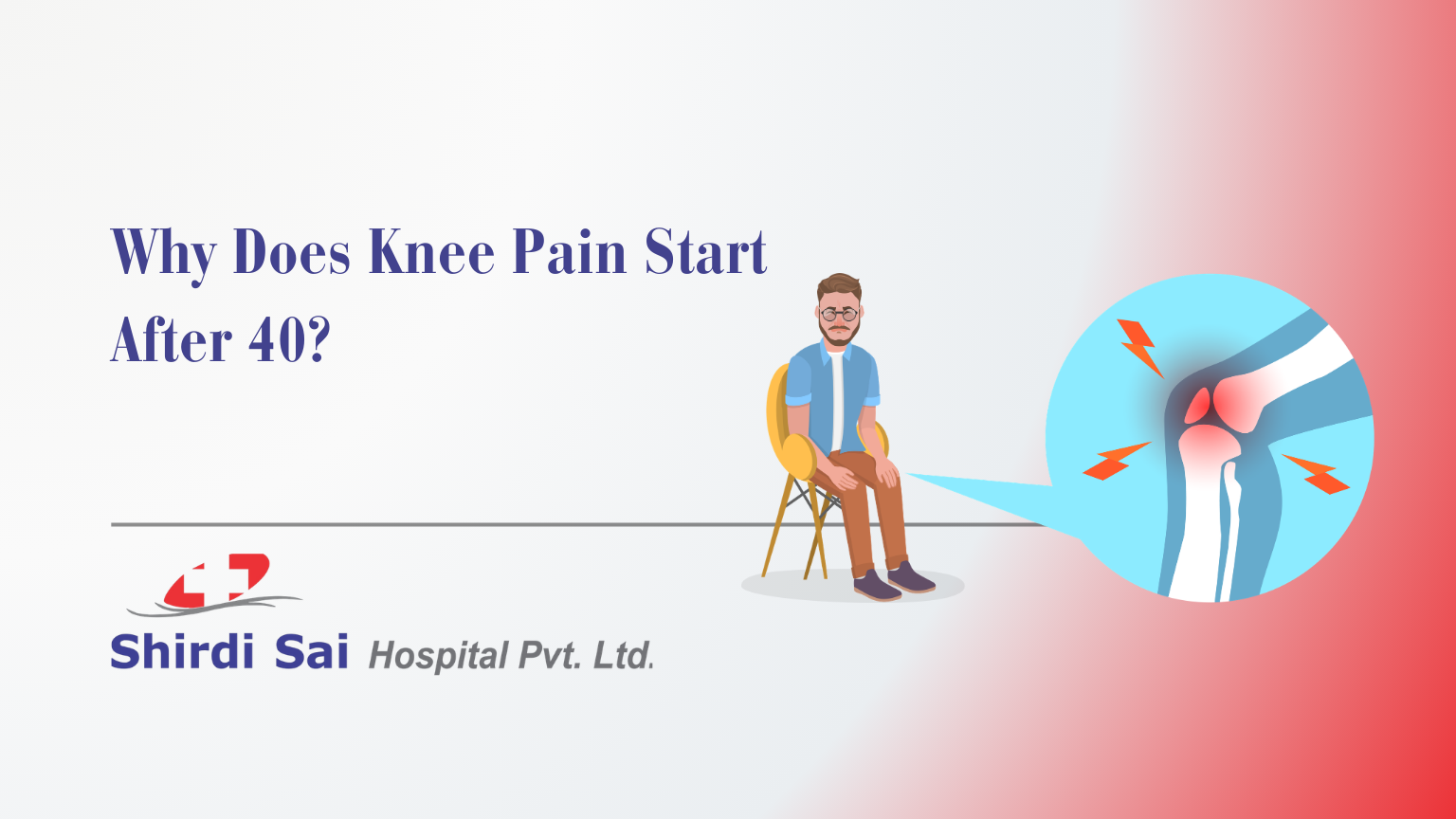
    An anatomical infographic explaining why knee pain commonly starts after age 40, showing a person with knee pain, a detailed knee joint cross-section, and factors such as cartilage wear, osteoarthritis, weight gain, previous injuries, muscle weakness, and aging.

    Most Common Causes of Knee Pain After 40

    1. Early Osteoarthritis

    Osteoarthritis is the leading cause of knee pain in adults over 40.

    It occurs when:

    • Cartilage breaks down
    • Joint space narrows
    • Bone surfaces rub together

    Symptoms include:

    • Morning stiffness
    • Pain after activity
    • Grinding sensation
    • Swelling around knee

    Osteoarthritis develops gradually and worsens without care.


    2. Weight Gain and Lifestyle

    Even 5–7 kg extra weight significantly increases knee pressure.

    Every step places:

    • 3–4 times body weight on the knee joint

    Sedentary desk jobs, especially common in urban settings, weaken thigh muscles and strain joints.


    3. Old Injuries Catching Up

    Many adults had:

    • Sports injuries in their 20s
    • Minor ligament tears
    • Meniscus strain

    These may not cause immediate long-term problems but accelerate degeneration later.


    4. Hormonal Changes

    In women, estrogen protects joint cartilage.

    After 40:

    • Estrogen levels decline
    • Cartilage support weakens
    • Bone density reduces

    This increases osteoarthritis risk.


    5. Vitamin D and Calcium Deficiency

    Deficiency can cause:

    • Bone weakness
    • Muscle fatigue
    • Joint discomfort

    Urban indoor lifestyles increase deficiency risk.


    6. Meniscus Degeneration

    The meniscus acts as a shock absorber.

    With age:

    • It becomes thinner
    • Small tears may develop
    • Pain occurs during twisting movements

    Early Warning Signs You Should Not Ignore

    • Knee stiffness lasting more than 15–20 minutes
    • Difficulty climbing stairs
    • Pain while sitting cross-legged
    • Clicking or grinding sound
    • Mild swelling
    • Pain after prolonged sitting

    Ignoring early signs increases risk of severe arthritis.


    Knee pain after 40 is manageable if addressed early. Delayed treatment may lead to joint deformity or need for surgery.


    How Doctors Diagnose Knee Pain

    Evaluation includes:

    Clinical Examination

    Doctors assess:

    • Range of motion
    • Tenderness
    • Swelling
    • Alignment
    • Muscle strength

    Imaging Tests

    • X-ray: Detects arthritis and joint space narrowing
    • MRI: Detects ligament or meniscus tears
    • Blood tests: Rule out inflammatory arthritis

    Non-Surgical Treatment Options

    Most knee pain after 40 does not require surgery.

    1. Physiotherapy

    Strengthening exercises improve:

    • Joint stability
    • Muscle support
    • Pain control

    2. Weight Management

    Reducing weight decreases joint load.


    3. Pain Relief Medicines

    Short-term use of:

    • NSAIDs
    • Topical gels

    Must be medically supervised.


    4. Injections (If Needed)

    • Corticosteroid injections
    • Hyaluronic acid injections
    • PRP therapy

    These provide temporary relief in selected cases.

    Approximate injection cost in Bangalore:

    • PRP therapy: ₹8,000 – ₹20,000 per session
    • Hyaluronic injection: ₹6,000 – ₹15,000

    Exact cost depends on hospital and condition.


    When Is Surgery Needed?

    Surgery may be considered if:

    • Severe cartilage loss
    • Advanced osteoarthritis
    • Persistent pain despite therapy
    • Severe meniscus tear

    Common procedures:

    • Arthroscopy
    • Partial knee replacement
    • Total knee replacement

    Approximate knee replacement cost in Bangalore:

    • ₹1,80,000 – ₹3,50,000

    Cost varies by implant type and hospital infrastructure.


    Psychological Impact of Chronic Knee Pain

    Chronic pain after 40 can cause:

    • Fear of movement
    • Reduced activity
    • Mood changes
    • Social withdrawal
    • Sleep disturbance

    Addressing pain early improves quality of life.


    Preventing Knee Pain After 40

    You can reduce risk by:

    • Maintaining healthy weight
    • Doing strengthening exercises
    • Avoiding sudden high-impact activity
    • Correcting posture
    • Ensuring adequate vitamin D
    • Wearing proper footwear

    Consistency is key.


    When to Consult an Orthopedic Specialist

    Seek consultation if:

    • Pain persists more than 2–3 weeks
    • Swelling increases
    • Knee locks or gives way
    • Pain interferes with daily activities

    If you are in Bangalore, especially around New BEL Road or North Bangalore, early orthopedic evaluation helps prevent progression.

    You may consult the orthopedics department for proper assessment and treatment planning.


    FAQs

    Is knee pain after 40 always arthritis?

    Not always. It may be due to muscle weakness, meniscus strain, or early cartilage changes.

    Can exercise worsen knee pain?

    Wrong exercise may worsen pain, but guided physiotherapy improves joint strength and stability.

    Does climbing stairs damage knees after 40?

    Excessive stair climbing without muscle strength may strain knees, especially in overweight individuals.

    Is knee replacement the only solution for severe pain?

    No. Most patients improve with conservative treatment. Surgery is reserved for advanced cases.

    Can knee pain be reversed naturally?

    Early-stage knee pain can improve significantly with weight loss, strengthening exercises, and lifestyle correction.


    Conclusion

    Knee pain after 40 is common but not inevitable. Age-related changes, weight gain, hormonal shifts, and old injuries contribute to joint discomfort. Early intervention, lifestyle modification, and appropriate medical care prevent progression to severe arthritis.

    Listening to early warning signs and seeking timely evaluation ensures long-term joint health and mobility.


  • What are the common medicines used for Kidney Stones?

    What are the common medicines used for Kidney Stones?

    Kidney stones are often extremely painful, but not every stone requires surgery. In many cases, medicines help relieve pain, relax the urinary tract, dissolve certain stones, or prevent recurrence. The type of medicine prescribed depends on the stone’s size, location, composition, and your overall health.

    Many patients in Bangalore assume that painkillers alone are enough. However, kidney stone treatment is usually a combination of pain control, stone passage support, infection prevention, and long-term metabolic correction. This article explains the most commonly used medicines for kidney stones, how they work, and important safety considerations.

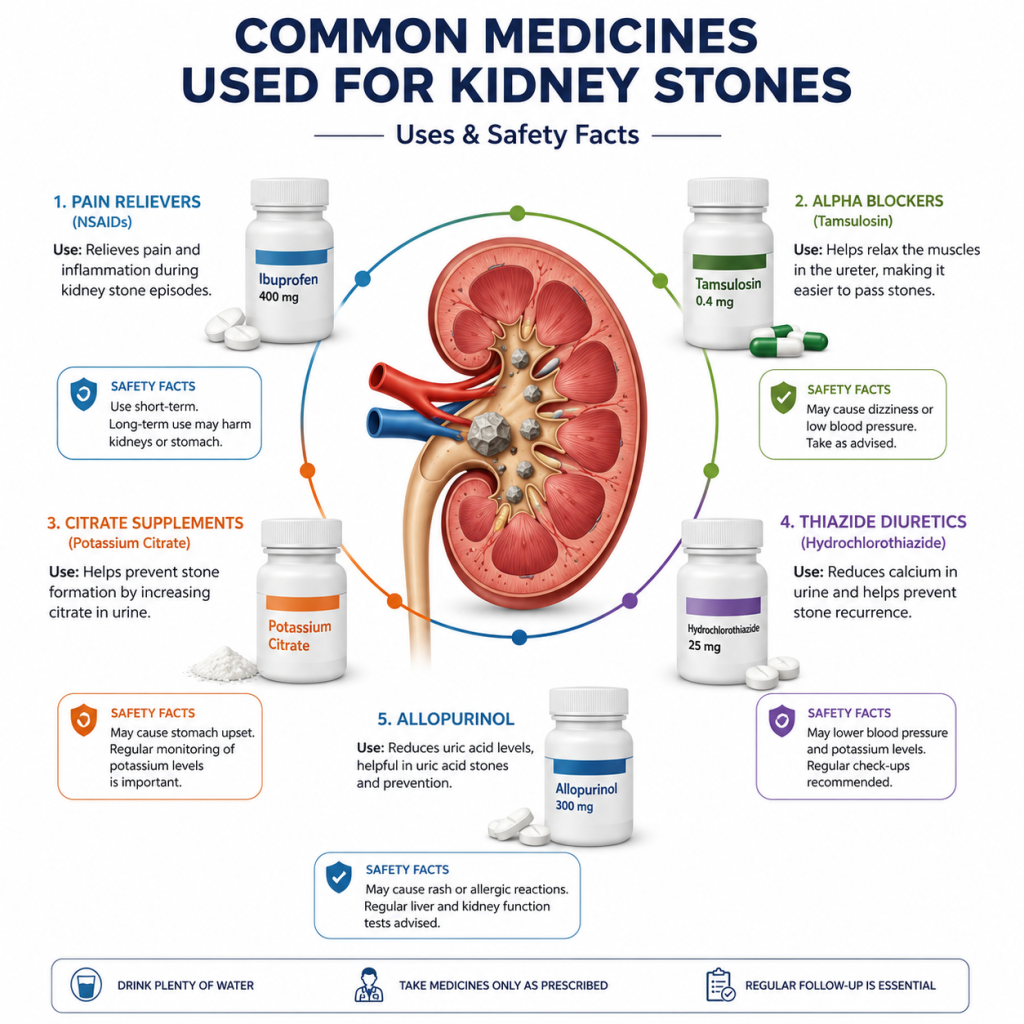
    n anatomical infographic of a human kidney with kidney stones, surrounded by commonly prescribed medications for kidney stones, explaining their uses and important safety facts on a white background.

    Why Are Medicines Prescribed for Kidney Stones?

    Medicines are used for three main purposes:

    • Relieve severe pain
    • Help the stone pass naturally
    • Prevent new stones from forming

    Small stones (usually under 5–6 mm) may pass on their own with proper medication and hydration.

    1. Pain Relief Medicines (During Acute Attack)

    Kidney stone pain occurs when the stone blocks urine flow, causing pressure and ureter spasms.

    Non-Steroidal Anti-Inflammatory Drugs (NSAIDs)

    Examples:

    • Diclofenac
    • Ibuprofen
    • Ketorolac

    How they work:
    NSAIDs reduce inflammation and decrease prostaglandin levels, lowering ureter spasms and pain intensity.

    Safety facts:

    • Should not be used long-term without supervision
    • Avoid in patients with kidney failure
    • Use cautiously in those with gastric ulcers

    Antispasmodic Medicines

    Examples:

    • Drotaverine
    • Hyoscine

    How they work:
    Relax ureter muscles, easing stone movement and reducing cramping.

    Opioids (In Severe Pain)

    Used only when pain is extreme and not relieved by NSAIDs.

    Examples:

    • Tramadol
    • Morphine (hospital use)

    These are short-term emergency medications.

    Severe flank pain with vomiting or fever requires urgent evaluation rather than repeated home medication.

    2. Medicines That Help Stones Pass (Medical Expulsive Therapy)

    When stones are located in the ureter, doctors may prescribe medicines to help them pass naturally.

    Alpha Blockers

    Example:

    • Tamsulosin

    How it works:
    Relaxes ureter muscles, widening the passage for stone movement.

    Benefits:

    • Increases likelihood of stone passage
    • Reduces time to pass stone
    • Decreases pain episodes

    Safety facts:

    • May cause dizziness
    • Monitor blood pressure

    This is commonly prescribed for stones between 5–10 mm.

    3. Medicines for Specific Stone Types

    Stone composition determines preventive medicine.

    Uric Acid Stones

    These stones can sometimes be dissolved.

    Medicines used:

    • Potassium citrate
    • Sodium bicarbonate
    • Allopurinol

    How they work:

    • Alkalinize urine
    • Reduce uric acid production

    Proper urine pH monitoring is essential.


    Calcium Stones

    Prevention medicines may include:

    • Thiazide diuretics
    • Potassium citrate

    These reduce calcium excretion and prevent crystal formation.


    Cystine Stones (Rare)

    • Potassium citrate
    • Thiol-based medications

    Requires specialist supervision.

    4. Antibiotics (If Infection Present)

    If urinary infection accompanies stone:

    • Culture-specific antibiotics are prescribed
    • Untreated infection can lead to serious complications

    Antibiotics are not routine for every kidney stone case.

    5. Long-Term Preventive Medicines

    If stones recur, metabolic testing helps guide preventive therapy.

    Doctors may prescribe:

    • Citrate supplements
    • Calcium regulation medicines
    • Uric acid lowering drugs
    • Vitamin D correction (if deficient)

    Preventive treatment reduces recurrence risk significantly.

    When Medicines Are Not Enough

    Some stones require procedural intervention if:

    • Stone is larger than 10 mm
    • Persistent obstruction occurs
    • Infection develops
    • Pain does not improve
    • Kidney swelling increases

    Common procedures include:

    • Laser lithotripsy
    • PCNL
    • URS
    • ESWL

    Approximate treatment costs in Bangalore:

    • Laser lithotripsy: ₹70,000 – ₹1,50,000
    • PCNL: ₹1,20,000 – ₹2,50,000
    • ESWL: ₹50,000 – ₹1,00,000

    Exact cost depends on hospital infrastructure and complexity.

    Are Over-the-Counter Remedies Safe?

    Many people try:

    • Herbal powders
    • Home remedies
    • Excess lemon intake
    • Self-prescribed painkillers

    While hydration helps, unsupervised medication can delay proper treatment.

    Pain relief without diagnosis may mask complications.

    Important Safety Considerations

    1. Kidney Function Status

    Patients with reduced kidney function must avoid certain NSAIDs.

    2. Pregnancy

    Some medicines are unsafe in pregnancy. Always consult before taking medication.

    3. Blood Pressure Disorders

    Alpha blockers may lower blood pressure.

    4. Gastric Ulcer History

    NSAIDs may worsen acidity or ulcers.

    Psychological Aspect of Recurrent Medication Use

    Repeated stone attacks can cause:

    • Anxiety about travel
    • Fear of dehydration
    • Overuse of painkillers
    • Stress during summer months

    Structured evaluation reduces uncertainty and prevents repeated emergency visits.

    When to Consult a Urologist

    Seek consultation if:

    • Pain persists beyond 24–48 hours
    • Fever develops
    • Urine output reduces
    • You notice blood in urine
    • You have recurrent stones

    If you are in Bangalore, especially around New BEL Road or North Bangalore, early urological evaluation can prevent complications and reduce recurrence.

    You may consult the urology department for detailed assessment and metabolic testing.

    FAQs

    Which medicine is best for kidney stone pain?

    NSAIDs such as diclofenac or ibuprofen are commonly prescribed. However, the choice depends on kidney function and overall health.

    Can medicines dissolve kidney stones?

    Only uric acid stones can sometimes dissolve with urine alkalinizing medicines. Calcium stones usually cannot dissolve and must pass naturally or be removed.

    How long should I take tamsulosin for kidney stones?

    It is usually prescribed for a few weeks to help small stones pass. Duration depends on stone size and response.

    Are herbal medicines effective for kidney stones?

    Some natural remedies may support hydration, but there is limited scientific evidence that they dissolve stones. Medical supervision is recommended.

    Can I prevent kidney stones with medicines alone?

    Prevention usually combines medication, hydration, and dietary changes. Lifestyle correction is essential.

    Conclusion

    Medicines play a vital role in kidney stone management – from pain relief to stone passage and recurrence prevention. However, treatment must be individualized based on stone type, size, and overall health.

    Early medical guidance ensures safe medication use and prevents unnecessary complications. If symptoms persist or stones recur, structured evaluation and targeted therapy offer the best outcomes.