- +91-8088511289
- MAIL US
- BANGALORE, INDIA
Chest Pain: When Is It a Medical Emergency?
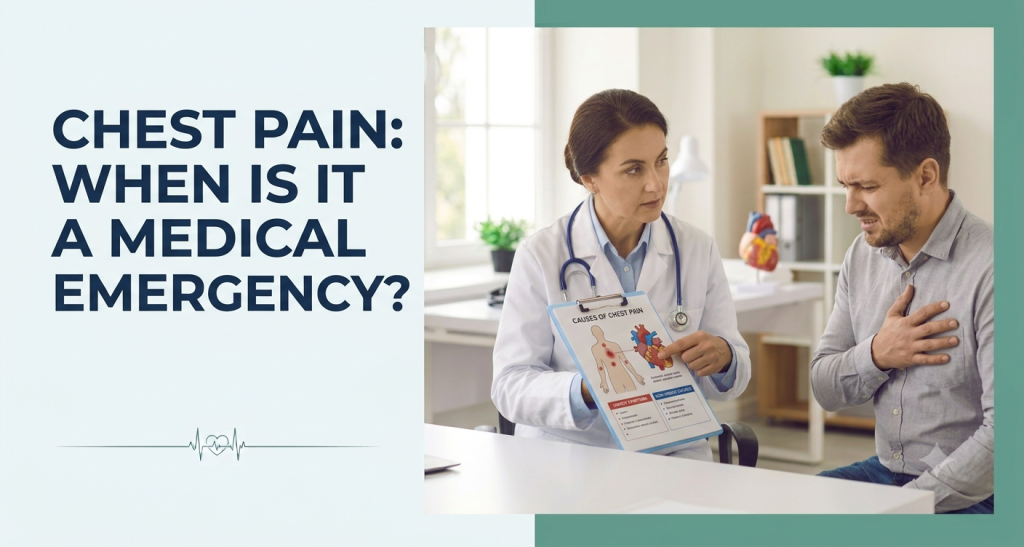
Chest pain needs emergency assessment when it is sudden, unexplained, severe, persistent or associated with breathlessness, sweating, nausea, faintness or discomfort spreading to the arm, jaw, neck, back or upper abdomen. Heart problems are not the only possible cause, but it is not safe to assume that new chest pain is acidity, gas, anxiety or a muscle strain without medical evaluation. If serious symptoms are present, stop what you are doing and seek emergency care rather than waiting for them to settle. Shirdi Sai Hospital provides 24/7 emergency care at its New BEL Road location for patients who need urgent assessment.
When Chest Pain Is an Emergency
Seek emergency medical care immediately if chest pain or discomfort:
- Feels like pressure, heaviness, tightness, squeezing or crushing
- Begins suddenly and does not settle
- Goes away and then returns
- Spreads to one or both arms, the shoulder, neck, jaw, back or upper abdomen
- Occurs with shortness of breath
- Occurs with cold sweating
- Is accompanied by nausea or vomiting
- Occurs with dizziness, faintness or loss of consciousness
- Is associated with a rapid or irregular heartbeat
- Begins during physical effort and does not improve promptly with rest
- Occurs with coughing up blood
- Is accompanied by sudden weakness, confusion or extreme tiredness
- Develops after an injury to the chest
- Occurs in someone with known heart disease or a previous heart attack
Do not wait for every symptom on this list to appear. A person may have a serious heart or lung problem without experiencing the “classic” pattern.
Patients with active warning signs should go directly to the hospital’s emergency medicine service rather than waiting for a routine appointment.
What Should You Do During Sudden Chest Pain?
When chest pain may be serious, the safest response is prompt medical evaluation.
Stop physical activity
Sit or lie down in a safe position. Avoid walking around, climbing stairs or continuing exercise to see whether the pain improves.
Seek emergency help
Arrange urgent transport to an emergency department. When the person is severely breathless, faint, confused or unstable, use emergency medical transport where available rather than asking them to drive.
Do not drive yourself when symptoms are severe
Chest pain may worsen suddenly. Have another person assist with transport or contact emergency services.
Use only medicines already prescribed for this situation
A person who has been prescribed nitroglycerin for known angina should use it exactly as directed by their clinician.
Do not take someone else’s heart medicine. Do not begin aspirin, blood thinners or other medicines unless a doctor or emergency professional advises it, as these may be unsafe in some causes of chest pain.
Begin CPR if the person becomes unresponsive
If the person is unresponsive and not breathing normally, contact emergency services and begin CPR if you are trained. Use an automated external defibrillator if one is available and follow its instructions.
What Does Serious Chest Pain Feel Like?
Potentially serious chest discomfort is not always described as “pain.” A person may instead report:
- Pressure in the centre of the chest
- A heavy weight on the chest
- Tightness or squeezing
- Burning that resembles acidity
- Fullness or unusual discomfort
- A band-like sensation
- Pain spreading beyond the chest
- Unexplained shortness of breath
- Sudden weakness or nausea with mild chest discomfort
The intensity of the pain does not reliably show how serious the cause is. Some urgent conditions produce severe symptoms, while others begin with mild or intermittent discomfort.
Does Heart-Related Pain Always Occur on the Left Side?
No. Heart-related discomfort is often felt in the centre of the chest, but it may also occur on the left, right or across a wider area.
It may spread to:
- One or both arms
- The shoulders
- The neck
- The jaw
- The upper back
- The upper abdomen
Therefore, right-sided pain or pain that does not stay in one place should not automatically be considered harmless.
Chest Pain Patterns and the Safer Next Step
This table explains broad patterns. It cannot determine the cause without medical assessment.
Chest pain pattern | Safer action |
Pressure, squeezing or heaviness with sweating or breathlessness | Seek emergency care immediately |
Pain spreading to the arm, jaw, neck, back or upper abdomen | Seek emergency care immediately |
Sudden sharp pain with severe breathlessness | Seek emergency care immediately |
Chest pain with fainting, confusion or marked weakness | Seek emergency care immediately |
Chest pain after an accident or chest injury | Seek urgent assessment |
Burning discomfort after food with no warning signs | Arrange medical evaluation if new, recurring or unexplained |
Pain that increases with movement or pressing on the chest | A muscle or chest-wall cause may be possible, but seek care if pain is new, severe or accompanied by warning signs |
Brief recurring discomfort without emergency symptoms | Arrange a medical consultation rather than repeatedly ignoring it |
Chest pain during exercise that improves with rest | Seek prompt medical evaluation because exertional pain may require heart assessment |
When uncertain, it is safer to seek medical care than to attempt to diagnose the cause at home.
Can Chest Pain Be Caused by Gas or Acidity?
Yes. Acid reflux, indigestion and oesophageal irritation can cause burning or discomfort behind the breastbone.
Digestive chest discomfort may:
- Occur after eating
- Worsen when lying down
- Be accompanied by a sour taste
- Occur with belching or upper abdominal fullness
- Improve after the digestive problem settles
However, heart-related pain can also feel like burning, indigestion or acidity. The sensation alone cannot safely distinguish one from the other.
Do not delay emergency care by repeatedly taking antacids when pain is new, severe, unexplained or associated with breathlessness, sweating, nausea, faintness or pain spreading beyond the chest.
Can Anxiety Cause Chest Pain?
Anxiety and panic can cause genuine physical symptoms, including:
- Chest tightness
- Fast breathing
- Palpitations
- Dizziness
- Tingling around the hands or mouth
- Sweating
- A feeling of losing control
Still, anxiety should not be assumed to be the cause of first-time or unexplained chest pain. Heart, lung and other medical conditions can produce symptoms that resemble panic.
A medical evaluation is particularly important when the pain:
- Is new
- Occurs during exercise
- Lasts longer than expected
- Is accompanied by fainting
- Occurs with marked breathlessness
- Affects someone with heart-related risk factors
- Feels different from previous anxiety episodes
Once an urgent medical cause has been excluded, the doctor can discuss whether stress or panic may be contributing.
Can Muscle Strain Cause Chest Pain?
Yes. Muscles, ribs and cartilage in the chest wall can cause pain after exercise, lifting, coughing, an injury or an awkward movement.
Musculoskeletal chest pain may:
- Worsen when the upper body moves
- Increase during a deep breath
- Occur in a specific spot
- Be tender when the area is pressed
- Begin after physical exertion involving the arms or chest
Even so, pain reproduced by pressing on the chest does not completely rule out another cause. Seek medical evaluation when the pain is severe, unexplained, persistent or accompanied by emergency symptoms.
Possible Causes of Chest Pain
Chest pain can arise from the heart, lungs, digestive tract, chest wall, nerves or emotional stress. Some causes are minor, while others need immediate treatment.
Heart-related causes
Possible heart-related causes include:
- Reduced blood flow to the heart
- Heart attack
- Angina
- Inflammation around the heart
- Heart rhythm problems
- Conditions affecting the heart muscle
- Problems involving the major blood vessel leaving the heart
Heart-related discomfort may occur during activity or at rest. It may feel like pressure, tightness, heaviness, burning or indigestion.
Because symptoms overlap, an ECG and other tests may be required to determine whether the heart is involved.
Lung-related causes
Conditions affecting the lungs or their surrounding lining may cause chest pain.
Possible causes include:
- A blood clot in the lung
- A collapsed lung
- Pneumonia
- Inflammation of the lung lining
- Asthma or another breathing condition
- A significant respiratory infection
Lung-related chest pain may occur with:
- Sudden breathlessness
- Pain that worsens with breathing
- Cough
- Fever
- Coughing up blood
- A fast heartbeat
- Low oxygen levels
- Recent prolonged immobility, surgery or travel
Sudden chest pain with difficulty breathing needs emergency assessment.
Digestive causes
Digestive conditions that can cause chest discomfort include:
- Acid reflux
- Indigestion
- Inflammation of the oesophagus
- Oesophageal muscle spasm
- Gallbladder problems
- Upper abdominal conditions that refer pain towards the chest
Digestive symptoms may overlap closely with heart symptoms. A person should not diagnose the cause solely from a burning sensation or its relationship to meals.
Chest-wall causes
Pain can arise from the ribs, muscles, joints or cartilage of the chest.
Possible triggers include:
- Muscle strain
- Heavy lifting
- Repetitive exercise
- Persistent coughing
- Rib injury
- Inflammation where the ribs join the breastbone
- Poor posture
Chest-wall pain may be localised and affected by movement. However, new symptoms still need assessment when the cause is uncertain.
Nerve and skin conditions
Nerve irritation may cause burning, tingling or sharp chest pain. Shingles can begin with pain or sensitivity before a rash becomes visible.
A new band of pain followed by a blistering rash on one side of the chest should be medically assessed.
Stress and panic
Stress can cause chest tightness, palpitations and rapid breathing. However, a diagnosis of panic-related chest pain should be made only after considering relevant physical causes.
Chest Pain During Exercise
Chest pressure, heaviness or tightness that develops while walking quickly, climbing stairs or exercising may be related to the increased workload on the heart.
The discomfort may improve after stopping, but this does not mean it should be ignored. Exercise-related chest pain needs prompt medical evaluation, particularly when it:
- Repeats during similar levels of activity
- Spreads to the arm, jaw or back
- Occurs with breathlessness
- Is associated with sweating or nausea
- Begins with less exertion than before
- Starts occurring at rest
Do not continue exercising to test how much activity brings on the pain.
Chest Pain at Rest
Chest pain occurring at rest may be caused by several conditions, including heart, lung, digestive, muscular and anxiety-related problems.
Seek emergency care if pain at rest:
- Begins suddenly
- Is severe
- Feels like pressure or squeezing
- Lasts or repeatedly returns
- Occurs with breathlessness, sweating or nausea
- Spreads to another part of the body
- Is associated with faintness or palpitations
Pain occurring during sleep or waking a person from sleep should also be discussed with a doctor.
Chest Pain in Women
Chest discomfort remains an important heart attack symptom in women. However, some women may experience additional or less obvious symptoms, such as:
- Shortness of breath
- Nausea or vomiting
- Back, shoulder or jaw discomfort
- Unusual tiredness
- Light-headedness
- Indigestion-like discomfort
- Weakness or cold sweating
These symptoms may develop with mild chest pain or, occasionally, without prominent chest pain.
Women should not delay assessment because symptoms seem different from the commonly recognised crushing-pain pattern.
Chest Pain in Older Adults and People With Diabetes
Older adults and people with diabetes may sometimes have less intense or less typical warning symptoms.
These may include:
- Sudden breathlessness
- Unusual fatigue
- Weakness
- Nausea
- Sweating
- Confusion
- Faintness
- Mild pressure rather than severe pain
A lower level of pain does not necessarily mean a lower level of risk.
Who Should Seek Care More Promptly?
Anyone with new or unexplained chest pain may need assessment. Concern is higher when the person has:
- A previous heart attack or known heart disease
- Diabetes
- High blood pressure
- High cholesterol
- A history of smoking
- Kidney disease
- A strong family history of early heart disease
- A previous blood clot
- Recent major surgery
- Prolonged immobility
- Pregnancy or the period soon after childbirth
- A known heart rhythm condition
Risk factors do not diagnose the cause. Similarly, a person without known risk factors can still experience a serious condition.
How Is Chest Pain Evaluated in an Emergency Department?
Emergency assessment focuses first on identifying or excluding time-sensitive causes.
Initial triage
The healthcare team may check:
- Blood pressure
- Pulse
- Breathing rate
- Oxygen level
- Temperature
- Level of alertness
- Severity and timing of symptoms
Patients with unstable vital signs or significant warning symptoms may require immediate treatment and monitoring.
Symptom history
The clinician may ask:
- When did the pain start?
- What were you doing at the time?
- Is the pain constant or intermittent?
- Does it feel like pressure, burning, sharp pain or heaviness?
- Does it spread elsewhere?
- Does movement, breathing or eating affect it?
- Are breathlessness, sweating, nausea or palpitations present?
- Has this happened before?
- Is there a history of heart, lung or digestive disease?
- Which medicines are being taken?
The exact time the symptoms started can be important, so note it when possible.
Physical examination
The doctor may examine the heart, lungs, chest wall and abdomen. The legs may also be checked when a blood clot is a concern.
Electrocardiogram
An electrocardiogram, commonly called an ECG, records the heart’s electrical activity. It can identify certain patterns associated with reduced blood flow, heart attack or rhythm problems.
A single normal ECG does not explain every episode of chest pain. Repeat testing or observation may be needed according to the symptoms and risk assessment.
Blood tests
Blood tests may be used to look for evidence of heart-muscle injury, anaemia, infection and other possible causes.
Some tests may need to be repeated because changes may not be detectable immediately after symptoms begin.
Imaging
Depending on the suspected cause, the doctor may advise:
- Chest X-ray
- Echocardiography
- CT imaging
- Ultrasound
- Other heart or lung investigations
Not every patient requires every test. The choice depends on symptoms, examination findings and initial results.
Monitoring and specialist input
Some patients may be monitored for changes in symptoms, heart rhythm, ECG findings or blood-test results.
The next step may involve emergency medicine, internal medicine, pulmonology or another relevant specialty based on the findings.
What Happens After the Initial Assessment?
The next step depends on what the evaluation shows.
A patient may require:
- Immediate emergency treatment
- Continued monitoring
- Admission for further care
- Additional heart or lung testing
- Treatment for a respiratory or digestive condition
- Pain management for a chest-wall condition
- A planned follow-up consultation
- Further evaluation when the first tests do not explain recurring symptoms
Do not assume that being discharged means recurring pain should be ignored. Follow the clinician’s advice about medicines, activity, tests and follow-up.
When Is an OPD Consultation More Appropriate?
A planned medical consultation may be suitable when the discomfort is not active or severe and no emergency signs are present.
Arrange an appointment if:
- Mild chest discomfort keeps returning
- Symptoms occur repeatedly after meals
- Pain follows certain movements or exercise
- Palpitations occur without fainting or severe breathlessness
- A cough is associated with recurring chest discomfort
- Anxiety-related symptoms are suspected after urgent causes have been considered
- Previous emergency tests were reassuring but symptoms continue
- The cause remains unclear
For recurring non-emergency symptoms, patients can consult the Internal Medicine and Family Medicine team for further evaluation.
Do not choose an OPD appointment when chest pain is active, severe, worsening or associated with emergency warning signs.
What Should You Bring to the Hospital?
Do not delay urgent care to collect documents. When readily available, bring:
- A list of current medicines
- Details of medicine allergies
- Previous ECGs or heart reports
- Recent blood-test or scan reports
- Details of diabetes or blood-pressure treatment
- Information about previous heart or lung conditions
- The approximate time the pain began
- Contact details for a family member
Avoid eating or taking unprescribed medicine while waiting for assessment unless a healthcare professional advises it.
Emergency Chest Pain Assessment on New BEL Road
Shirdi Sai Hospital provides 24/7 emergency care at No. 519, 2nd Main, Nethravathi Street, Devasandra, New BEL Road, Bengaluru, Karnataka 560054. The hospital’s published emergency scope includes assessment of cardiac events, respiratory distress, trauma and other critical situations.
The location may be relevant for patients from Devasandra, Mathikere, RMV Extension, Sanjaynagar and nearby parts of North Bengaluru who require emergency assessment. No patient should delay care to travel to a particular hospital when another appropriate emergency department is closer during a serious situation.
For active chest pain, breathlessness, fainting or rapidly worsening symptoms, proceed to Shirdi Sai Hospital’s emergency medicine department.
When to See a Doctor
Seek emergency care for new, sudden or unexplained chest pain, especially when it is persistent or occurs with breathlessness, sweating, nausea, faintness, palpitations or pain spreading beyond the chest.
Arrange a medical consultation when:
- Mild discomfort keeps returning
- Exercise repeatedly brings on chest pressure
- Pain continues despite earlier reassurance
- Chest discomfort occurs with a persistent cough
- Symptoms regularly occur after meals
- Movement-related pain does not improve
- Palpitations or unusual fatigue accompany the discomfort
- You are uncertain about the cause
A medical examination is safer than repeatedly assuming that symptoms are caused by acidity, stress or muscle strain.
Frequently Asked Questions
Is all chest pain a heart attack?
No. Chest pain can come from the heart, lungs, digestive tract, muscles, ribs, nerves or anxiety. However, a heart attack cannot be ruled out from the sensation alone. New, severe or unexplained pain needs prompt evaluation.
How can I tell the difference between gas and heart pain?
Acidity may cause burning after food, belching or a sour taste. Heart-related discomfort can also feel like burning or indigestion. Seek emergency care when pain is new, persistent or accompanied by sweating, breathlessness, nausea, faintness or discomfort spreading to the arm, jaw or back.
Is sharp chest pain dangerous?
Sharp pain can arise from the chest wall, lungs, heart lining or other structures. Seek urgent care when it starts suddenly, is severe, worsens with breathlessness, occurs with fainting or is associated with coughing up blood.
Can anxiety cause chest tightness?
Yes. Anxiety may cause chest tightness, rapid breathing, palpitations, dizziness and tingling. However, first-time or unexplained chest pain should be medically assessed before assuming that anxiety is responsible.
Is chest pain without shortness of breath an emergency?
It can be. Serious heart conditions do not always cause shortness of breath. Pressure, heaviness, spreading pain, sweating, nausea, faintness or persistent unexplained discomfort also require urgent assessment.
What tests may be done for chest pain?
Assessment may include vital signs, an ECG, blood tests, a chest X-ray and other imaging or heart tests based on the symptoms. Some tests may be repeated if the pain started recently or the first results do not fully explain it.
Should I wait to see if chest pain goes away?
Do not wait when chest pain is sudden, severe, unexplained or accompanied by warning signs. Even discomfort that settles may need assessment when it occurred during exercise, spread beyond the chest or returns repeatedly.
Take the Appropriate Next Step
Chest pain has many possible causes, but serious heart and lung conditions must be considered before the symptom is attributed to gas, anxiety or muscle strain.
For active chest pain with breathlessness, sweating, faintness, nausea or pain spreading to the arm, jaw, neck or back, seek emergency medical care immediately. Do not wait for an online appointment response.
For recurring symptoms without emergency warning signs, patients can arrange a medical consultation at Shirdi Sai Hospital on New BEL Road.