Shirdi Sai Hospital

Category: Health

  • Blood Clots During Periods: What Is Normal and When to Worry?

    Blood Clots During Periods: What Is Normal and When to Worry?

    Small blood clots can appear during the heavier days of a period and may not indicate a health problem. However, repeated large clots, bleeding that lasts longer than usual, frequent pad changes, severe pain, dizziness or unusual tiredness should be medically evaluated. Heavy menstrual bleeding may be linked to hormonal changes, fibroids, adenomyosis, a bleeding disorder, certain medicines or another gynaecological condition. Pregnancy-related bleeding also needs separate assessment. Women in and around New BEL Road can consult the gynaecology team at Shirdi Sai Hospital when menstrual clots are new, increasing or affecting daily life.

    Period Blood Clots at a Glance

    • Small clots may occur during the heaviest part of a period.
    • Clots can form when menstrual blood collects before leaving the uterus.
    • Repeated clots around 2.5 cm or larger may be associated with heavy bleeding.
    • Clot size should be considered together with flow, pain and bleeding duration.
    • Heavy periods can contribute to iron deficiency and anaemia.
    • Bleeding during a possible pregnancy should not be assumed to be a period.
    • Treatment depends on the cause, symptoms and future pregnancy plans.

    Why Do Blood Clots Form During a Period?

    During menstruation, the lining of the uterus breaks down and leaves the body as a mixture of blood, tissue and fluid.

    The body releases substances that help keep menstrual blood flowing. On heavier days, blood may collect faster than these substances can act. It can then thicken and form a clot before leaving the uterus.

    This helps explain why clots are more likely to appear:

    • During the first few days of a period
    • After sitting or lying down for some time
    • When getting out of bed in the morning
    • During a particularly heavy menstrual cycle

    Clots may look dark red, maroon, brown or jelly-like. Colour alone does not show whether the bleeding is medically concerning.

    Are Small Blood Clots During Periods Normal?

    Occasional small clots during a heavier day can occur as part of menstruation.

    They are generally less concerning when:

    • They are small
    • They appear only occasionally
    • The bleeding follows your usual pattern
    • The period does not last unusually long
    • There is no severe pain
    • You are not becoming dizzy, breathless or unusually tired
    • The clots are not becoming larger or more frequent

    However, “normal” differs between individuals. A change from your usual menstrual pattern can be important even when another person experiences similar bleeding regularly.

    How Big Is Too Big for a Period Blood Clot?

    Clots around 2.5 cm or larger, especially when passed repeatedly, can be a sign that menstrual flow is heavier than usual.

    Size is not the only consideration. Medical evaluation is also advisable when large clots occur with:

    • Bleeding through a pad within an hour
    • Needing to change protection repeatedly during the night
    • Bleeding through clothing or bedding
    • A period lasting longer than seven days
    • Severe menstrual pain
    • Dizziness or faintness
    • Shortness of breath
    • Extreme tiredness
    • Bleeding between periods

    A single large clot does not confirm a particular condition. The overall bleeding pattern and associated symptoms matter more than one isolated episode.

    When Should Period Blood Clots Cause Concern?

    Arrange a gynaecology consultation when menstrual clots:

    • Are larger than usual
    • Appear repeatedly during each period
    • Have started recently
    • Are becoming more frequent
    • Occur with increasingly heavy flow
    • Are accompanied by worsening period pain
    • Occur with pelvic pressure or swelling
    • Appear with bleeding between periods
    • Are associated with bleeding after sexual intercourse
    • Interfere with work, sleep, exercise or travel

    The concern is not only the appearance of the clot. Repeated heavy blood loss can affect haemoglobin and iron levels over time.

    When Does Menstrual Bleeding Need Emergency Care?

    Seek urgent medical attention if bleeding is heavy and occurs with:

    • Soaking through one or more pads every hour for more than two hours
    • Fainting or near-fainting
    • Severe dizziness
    • Chest discomfort
    • Shortness of breath
    • Rapid heartbeat
    • Pale, cold or clammy skin
    • Severe or worsening pelvic pain
    • A possible pregnancy
    • Severe one-sided abdominal or pelvic pain
    • Confusion or marked weakness

    Pregnancy-related bleeding can sometimes be mistaken for a heavy or unusual period. Pain, bleeding and clots during a possible pregnancy require prompt assessment.

    Patients with severe bleeding or rapidly worsening symptoms can seek care through the hospital’s emergency medicine service.

    What Causes Large Blood Clots During Periods?

    Several conditions can increase menstrual flow or prevent the uterus from emptying blood efficiently.

    Naturally heavier menstrual flow

    Some people regularly have heavier periods without a serious underlying condition. However, heavy bleeding can still affect iron levels, daily activities and quality of life.

    An evaluation may be useful when the bleeding:

    • Requires frequent protection changes
    • Causes repeated leakage
    • Disturbs sleep
    • Limits work or school attendance
    • Leads to tiredness or breathlessness

    Hormonal or ovulation changes

    Hormonal changes can affect how the uterine lining develops and sheds.

    When ovulation does not occur regularly, the lining may become thicker and later shed as heavier or prolonged bleeding.

    This pattern may occur:

    • During the first years after periods begin
    • With PCOS
    • During perimenopause
    • With major weight changes
    • With some thyroid conditions
    • During periods of significant hormonal disruption

    Hormonal causes cannot be confirmed only from clot appearance. Cycle history and testing may be needed.

    Uterine fibroids

    Fibroids are non-cancerous growths that develop within or around the uterus. Some fibroids can increase the surface area of the uterine lining or affect how the uterus contracts.

    Possible symptoms include:

    • Heavy periods
    • Large or frequent clots
    • Periods lasting longer than usual
    • Pelvic pressure
    • Lower abdominal fullness
    • Frequent urination
    • Constipation
    • Pain during sexual intercourse

    Not every fibroid causes symptoms, and fibroid size alone does not determine treatment.

    Women with a confirmed diagnosis can read more about how fibroid symptoms may be managed without surgery.

    Adenomyosis

    Adenomyosis occurs when tissue similar to the uterine lining grows into the muscular wall of the uterus.

    It may cause:

    • Heavy or prolonged periods
    • Menstrual clots
    • Strong cramps
    • Pelvic tenderness
    • A feeling of heaviness
    • Pain during sexual intercourse

    Symptoms may overlap with fibroids and endometriosis. A medical assessment and imaging may help distinguish between them.

    Endometriosis

    Endometriosis is more strongly associated with pelvic pain than with clot size alone. However, some women with endometriosis also experience heavy or irregular bleeding.

    Possible symptoms include:

    • Period pain that interferes with daily activities
    • Pelvic pain before or after menstruation
    • Pain during sexual intercourse
    • Pain during bowel movements
    • Difficulty becoming pregnant

    Clots do not confirm endometriosis. Persistent pain needs evaluation even when the amount of bleeding appears normal.

    Bleeding disorders

    A bleeding disorder can make menstrual bleeding heavier or more difficult to control.

    Clues may include:

    • Very heavy periods since adolescence
    • Frequent nosebleeds
    • Easy bruising
    • Bleeding for a long time after dental work
    • Heavy bleeding after surgery
    • A family history of abnormal bleeding
    • Bleeding that has caused anaemia

    A gynaecologist may coordinate further testing when the history suggests a clotting or bleeding problem.

    Thyroid and other medical conditions

    An underactive or overactive thyroid can affect menstrual regularity and flow.

    Other health conditions may also contribute to abnormal bleeding. Testing is selected according to symptoms rather than performed routinely for every patient.

    Medicines and contraceptive devices

    Some medicines and contraceptive methods can change menstrual flow.

    These may include:

    • Blood-thinning medicines
    • Certain hormonal treatments
    • A copper intrauterine device
    • Some medicines that affect hormones or bleeding

    Do not stop a prescribed blood thinner or remove a contraceptive device without medical advice.

    Pregnancy-related bleeding

    Bleeding during early pregnancy may sometimes be confused with a period, particularly when pregnancy has not yet been confirmed.

    Possible pregnancy-related causes include:

    • Early pregnancy bleeding
    • Pregnancy loss
    • Ectopic pregnancy
    • Other pregnancy complications

    Seek prompt medical advice when bleeding or clots occur with:

    • A missed or unusually light previous period
    • A positive pregnancy test
    • One-sided pelvic pain
    • Shoulder-tip pain
    • Dizziness or fainting
    • Severe abdominal pain

    Heavy bleeding during pregnancy should not be monitored at home as an ordinary period.

    Changes around perimenopause

    Periods may become less predictable as menopause approaches. Flow may become lighter, heavier, shorter or longer.

    Although cycle changes can occur during perimenopause, new heavy bleeding, repeated large clots or bleeding between periods should still be discussed with a gynaecologist.

    Any vaginal bleeding after menopause needs medical evaluation.

    Can PCOS Cause Blood Clots During Periods?

    PCOS can cause irregular or absent ovulation. When a period is delayed, the uterine lining may continue building before it eventually sheds.

    This can sometimes result in:

    • A heavier-than-usual period
    • Prolonged bleeding
    • Irregular cycles
    • Menstrual clots

    However, clots do not confirm PCOS. Diagnosis depends on the menstrual pattern, symptoms, examination and appropriate tests.

    Other causes of heavy bleeding should also be considered.

    Can Fibroids Cause Jelly-Like Blood Clots?

    Yes, fibroids can contribute to heavier menstrual flow and repeated clots in some women.

    The clots may appear jelly-like because they contain blood and shed uterine tissue. Their appearance does not show whether fibroids are present.

    An ultrasound may be advised when clots occur with:

    • Pelvic pressure
    • A feeling of abdominal fullness
    • Frequent urination
    • Increasing period pain
    • Prolonged bleeding
    • Difficulty becoming pregnant

    Treatment depends on symptoms, fibroid location, age, general health and pregnancy plans.

    Can Period Blood Clots Cause Anaemia?

    The clot itself does not cause anaemia. However, repeated heavy menstrual blood loss can reduce iron stores and haemoglobin.

    Possible symptoms of iron deficiency or anaemia include:

    • Persistent tiredness
    • Weakness
    • Dizziness
    • Headache
    • Shortness of breath during routine activity
    • Fast heartbeat
    • Pale skin
    • Difficulty concentrating
    • Reduced exercise tolerance
    • Craving ice or non-food substances

    These symptoms can develop gradually and may be mistaken for stress or lack of sleep.

    A complete blood count and selected iron tests may be advised when heavy periods are recurring.

    How Can You Tell Whether a Period Is Too Heavy?

    Counting the exact volume of menstrual blood at home is difficult. Instead, consider how the bleeding affects your daily routine.

    Heavy bleeding may be present when you:

    • Change a fully soaked pad every hour
    • Need to use two forms of menstrual protection together
    • Wake repeatedly at night to change protection
    • Bleed through clothing or bedding
    • Pass repeated large clots
    • Avoid leaving home during the heaviest days
    • Miss work, school or exercise
    • Bleed for more than seven days
    • Develop symptoms of anaemia

    A menstrual diary can help show whether the pattern is changing over time.

    How Are Heavy Periods With Clots Evaluated?

    Not every patient needs every available test. The evaluation depends on age, symptoms, pregnancy possibility and medical history.

    Menstrual and medical history

    The doctor may ask:

    • When did the clots begin?
    • How large and frequent are they?
    • How often are pads changed?
    • How long does the period last?
    • Is there bleeding between periods?
    • Is the cycle regular?
    • Is pain becoming more severe?
    • Could pregnancy be possible?
    • Is there a history of fibroids or PCOS?
    • Are blood thinners being taken?
    • Is there easy bruising or another bleeding concern?
    • Is the bleeding affecting daily activities?

    Physical and pelvic examination

    A physical examination may help assess abdominal tenderness, pelvic enlargement and signs of anaemia.

    A pelvic examination may be considered depending on symptoms, age and clinical need. The clinician should explain why it is being recommended.

    Pregnancy test

    Pregnancy testing may be advised when pregnancy is possible. This is important because pregnancy-related bleeding requires a different assessment pathway.

    Blood tests

    Blood testing may include:

    • Complete blood count
    • Iron-related tests
    • Thyroid testing when clinically indicated
    • Tests for a bleeding disorder when the history suggests one
    • Other tests based on associated symptoms

    Pelvic ultrasound

    An ultrasound may help assess:

    • Fibroids
    • Adenomyosis-related changes
    • Ovarian findings
    • The uterine lining
    • Other structural causes of bleeding

    A normal ultrasound does not exclude every hormonal or bleeding-related cause.

    Additional evaluation

    Further testing may be considered when bleeding is persistent, occurs between periods, begins after menopause or has other concerning features.

    The need for sampling the uterine lining or another investigation depends on age, symptoms and individual risk factors.

    How Are Period Clots and Heavy Bleeding Treated?

    Treatment focuses on the cause and the effect of bleeding on the patient’s health.

    Options may include:

    Monitoring

    Occasional small clots with an otherwise usual period may not require treatment.

    Tracking the menstrual pattern may still be useful when symptoms begin to change.

    Medicines to reduce menstrual bleeding

    A clinician may discuss medicines that reduce bleeding during menstruation. Suitability depends on the patient’s medical history, medicines and risk factors.

    These treatments should not be started from another person’s prescription.

    Hormonal treatment

    Hormonal options may help regulate cycles or reduce menstrual flow in selected patients.

    The choice may depend on:

    • Age
    • Cycle pattern
    • Medical history
    • Need for contraception
    • Migraine history
    • Blood-clot risk
    • Future pregnancy plans

    Iron treatment

    Iron may be advised when tests show iron deficiency or anaemia.

    Food alone may not correct significant iron deficiency. The dose and duration should follow medical advice.

    Treatment for fibroids or adenomyosis

    Treatment may include medicines, hormonal options or a procedure, depending on symptoms and examination findings.

    Surgery is not automatically required whenever fibroids are found.

    Treatment for a bleeding or thyroid condition

    When another medical condition is contributing, treatment may involve coordination with the appropriate specialty.

    What Can You Do Before the Appointment?

    Keep a record for at least one or two cycles when it is safe to wait for a routine consultation.

    Note:

    • Period start and end dates
    • Number of heavy-flow days
    • How frequently protection is changed
    • Approximate clot size
    • Pain severity
    • Bleeding between periods
    • Dizziness or tiredness
    • Medicines used
    • Previous test results
    • Possibility of pregnancy

    Carry earlier ultrasound reports, blood tests and prescriptions to the appointment.

    Do not begin hormonal medicine, blood-stopping medicine or iron tablets in high doses without suitable medical guidance.

    When to See a Gynaecologist

    Arrange a consultation when:

    • Clots are repeatedly large
    • Periods have become heavier
    • Bleeding lasts longer than seven days
    • The cycle has changed without a clear explanation
    • Pain is worsening
    • Bleeding occurs between periods
    • Bleeding occurs after sexual intercourse
    • Periods are causing missed work or sleep disruption
    • There are symptoms of anaemia
    • Pregnancy is being planned
    • Heavy bleeding starts during perimenopause
    • Any bleeding occurs after menopause

    A gynaecologist can assess both the bleeding pattern and its effect on haemoglobin, daily life and reproductive health.

    Gynaecology Care on New BEL Road

    Shirdi Sai Hospital provides obstetrics and gynaecology care at its New BEL Road location. Women with heavy periods, recurring clots, pelvic pain or changing menstrual patterns can learn more about the hospital’s obstetrics and gynaecology services.

    The evaluation may include a menstrual history, examination, blood tests, pregnancy testing or ultrasound when clinically appropriate.

    Shirdi Sai Hospital is located at No. 519, 2nd Main, Nethravathi Street, Devasandra, New BEL Road, Bengaluru, Karnataka 560054.

    Frequently Asked Questions

    Are blood clots during periods normal?

    Occasional small clots can occur during heavier menstrual days. Repeated large clots, prolonged bleeding, severe pain or frequent pad changes deserve medical evaluation.

    What causes jelly-like blood clots during periods?

    Menstrual clots contain blood and tissue from the uterine lining. They may form when flow is heavy and blood collects before leaving the uterus. Fibroids, adenomyosis and hormonal changes are among the possible causes of heavier clotting.

    When should I worry about the size of a period clot?

    Arrange a consultation when clots around 2.5 cm or larger appear repeatedly, particularly with heavy flow, prolonged bleeding, increasing pain, dizziness or unusual tiredness.

    Can PCOS cause heavy periods with clots?

    PCOS may cause irregular ovulation and delayed periods. When the uterine lining later sheds, bleeding can sometimes be heavier and include clots. Other causes still need to be considered.

    Do large blood clots mean I have fibroids?

    No. Fibroids are one possible cause, but hormonal changes, adenomyosis, medicines, a bleeding disorder and pregnancy-related conditions may also cause heavy bleeding. An examination and ultrasound may be needed.

    Can heavy periods cause low haemoglobin?

    Yes. Repeated heavy menstrual bleeding can reduce iron stores and haemoglobin, leading to tiredness, dizziness, breathlessness, weakness or poor concentration.

    When should I go to the hospital for period bleeding?

    Seek urgent care when you are soaking through pads every hour for more than two hours and feel dizzy, breathless, faint or weak. Severe pain, heavy bleeding during a possible pregnancy or rapidly worsening symptoms also need urgent assessment.

    Take the Next Step

    An occasional small clot may occur during a normal period, but repeated large clots or a clear change in menstrual flow should not be dismissed. The amount of bleeding, duration, pain and symptoms of anaemia provide important clues about whether evaluation is needed.

    Women with non-emergency symptoms can arrange a gynaecology consultation at Shirdi Sai Hospital on New BEL Road.

    Seek urgent medical care for very heavy bleeding, fainting, breathing difficulty, severe pelvic pain or bleeding during a possible pregnancy.
  • Dengue Platelet Count: When to Worry and What the Numbers Mean

    Dengue Platelet Count: When to Worry and What the Numbers Mean

    A falling dengue platelet count needs medical monitoring, but the number alone does not determine how severe the illness is. Doctors also consider how quickly the count is changing, the day of illness, hydration, bleeding, blood pressure, urine output, haematocrit and warning symptoms such as persistent vomiting or severe abdominal pain. In fact, some patients may require urgent care even before platelets become extremely low. Others with a low count may remain clinically stable under close supervision. Patients in and around New BEL Road can consult the Internal Medicine team at Shirdi Sai Hospital for an evaluation based on symptoms and blood-test trends.

    Dengue Platelet Count at a Glance

    • Platelets help the blood form clots and control bleeding.
    • Dengue commonly causes the platelet count to fall.
    • One isolated count cannot predict the course of the illness.
    • A rapid fall can matter more than a mildly low but stable result.
    • Warning symptoms are more important than waiting for a particular number.
    • Platelet transfusion is not automatically required whenever the count is low.
    • Symptoms may worsen around the time the fever begins to settle.

    What Are Platelets?

    Platelets are small components of the blood that help stop bleeding after a blood vessel is injured.

    A complete blood count, commonly called a CBC, usually reports the platelet count as the number of platelets in each microlitre of blood. In India, patients often discuss this value in lakhs.

    For example:

    • 1,50,000 means 1.5 lakh platelets per microlitre
    • 1,00,000 means 1 lakh
    • 50,000 means fifty thousand
    • 20,000 means twenty thousand

    The usual reference range is often around 1.5 lakh to 4.5 lakh per microlitre, although the exact range may vary slightly between laboratories.

    A value below the laboratory’s reference range is called thrombocytopenia. However, the cause, trend and patient’s condition determine what that result means clinically.

    Why Does Platelet Count Fall in Dengue?

    Dengue can affect platelet production and increase the removal or consumption of platelets from the bloodstream. Changes in the immune response and blood vessels may also contribute.

    The platelet count does not always fall on the first day of fever. It may begin declining as the illness progresses and can continue falling around the time the temperature starts returning to normal.

    This is one reason patients should not assume that dengue has passed simply because the fever has reduced.

    The count usually begins to recover as the patient moves into the recovery phase, but the timing varies. Doctors therefore look at a sequence of reports rather than judging the illness from one blood test.

    What Dengue Platelet Count Is Dangerous?

    There is no single number that is dangerous for every patient. The same platelet count can have different meanings depending on bleeding, hydration, circulation, pregnancy, age, medical history and the speed of decline.

    The following table is a broad guide rather than an admission or transfusion rule.

    Platelet countWhat it may mean
    1.5 lakh or aboveUsually within the common laboratory reference range, although other dengue warning signs can still occur
    1 lakh to 1.5 lakhMildly reduced in many laboratories and may need follow-up based on symptoms and illness stage
    50,000 to 1 lakhCloser medical monitoring may be advised, particularly when the count is falling quickly or symptoms are worsening
    20,000 to 50,000A substantially low count that requires careful clinical assessment for bleeding and other dengue complications
    Below 20,000A very low count requiring urgent medical assessment and close monitoring

    These ranges should not be used to decide at home whether admission or transfusion is needed. A patient with 80,000 platelets, persistent vomiting and falling blood pressure may be more unwell than a clinically stable patient with a lower count.

    Why the Platelet Trend Matters

    A single report is only a snapshot. A series of reports shows whether the count is:

    • Stable
    • Falling gradually
    • Falling rapidly
    • Beginning to recover

    For example, a change from 1.8 lakh to 1.3 lakh may be interpreted differently from a change from 1.3 lakh to 60,000 over a short period.

    The doctor also considers the day the fever began. A falling count at one stage of dengue may be expected, while the same result with new bleeding, vomiting or reduced urine output may require a different response.

    Do not repeat CBC testing at arbitrary intervals without clinical advice. The frequency should be based on symptoms, previous results and the treating doctor’s assessment.

    Why Platelets Are Not the Only Number That Matters

    Platelets receive the most attention, but dengue monitoring may involve several other findings.

    Haematocrit

    Haematocrit reflects the proportion of blood made up of red blood cells.

    A rising haematocrit together with a rapidly falling platelet count may be an important warning pattern because it can occur when fluid leaks from blood vessels. However, dehydration and other factors may also affect the value.

    The result must therefore be interpreted by a clinician rather than compared with an online chart.

    White blood cell count

    The white blood cell count may also change during dengue. It can support the overall assessment but does not independently confirm severity.

    Kidney and liver tests

    Doctors may consider kidney or liver tests when symptoms, examination findings or the course of the illness suggest that these organs may be affected.

    Blood pressure and circulation

    Blood pressure, pulse, cold hands or feet, dizziness, alertness and urine output can provide important information about circulation and hydration.

    A patient’s clinical condition can change before a platelet report is repeated.

    When Should Low Platelets in Dengue Cause Concern?

    Arrange prompt medical review when the platelet count is falling and the patient has:

    • New bleeding from the nose or gums
    • Blood in vomit, urine or stools
    • Unusually heavy menstrual bleeding
    • Increasing red or purple spots on the skin
    • Severe abdominal pain
    • Persistent vomiting
    • Marked weakness or unusual drowsiness
    • Irritability or restlessness
    • Dizziness or fainting
    • Cold or clammy hands and feet
    • Breathing difficulty
    • Reduced urination
    • Difficulty drinking fluids
    • Worsening symptoms as the fever settles

    Do not wait for the platelet count to reach a particular number before seeking care when these symptoms are present.

    Patients with warning signs can seek assessment through the hospital’s emergency medicine service.

    Why Can Dengue Become More Concerning After the Fever Falls?

    Dengue may progress through a febrile phase, a critical phase and a recovery phase. Not every patient follows the same pattern.

    The critical period may begin around the time the fever starts to come down. At this stage, some patients feel temporarily reassured because their temperature is improving. However, warning symptoms can appear as fluid balance and circulation change.

    Continue monitoring for:

    • Abdominal pain
    • Repeated vomiting
    • Bleeding
    • Increasing drowsiness
    • Restlessness
    • Reduced urine output
    • Breathlessness
    • Cold or pale skin
    • Faintness

    A falling fever is reassuring only when the patient’s overall condition is also improving.

    Does Every Low Platelet Count Require Hospital Admission?

    No. Admission is not decided from the platelet count alone.

    A doctor may consider whether the patient:

    • Can drink enough fluids
    • Is passing urine normally
    • Has stable blood pressure and circulation
    • Has any bleeding
    • Has persistent vomiting
    • Has severe abdominal pain
    • Is alert and able to manage at home
    • Can return for follow-up
    • Has a rapidly falling platelet count
    • Has a chronic illness or another risk factor
    • Lives far from medical care

    Some stable patients may be monitored at home with clear instructions and follow-up testing. Others may require admission even when their platelets are not extremely low because their symptoms or circulation are concerning.

    Do not use another patient’s admission threshold as a rule for your own situation.

    Does Every Dengue Patient With Low Platelets Need a Transfusion?

    No. A low dengue platelet count does not automatically mean platelet transfusion is required.

    Transfusion decisions may depend on:

    • Significant active bleeding
    • The location and severity of bleeding
    • Circulatory instability
    • The need for an urgent procedure
    • Other blood-test findings
    • Existing bleeding disorders
    • The overall clinical condition

    Preventive platelet transfusion based only on a low number is not routinely appropriate for every dengue patient. Unnecessary transfusions can also carry risks and may not prevent severe bleeding.

    The decision should be made by the treating medical team after assessing the patient, not by requesting platelets based on a laboratory report alone.

    What Are the Warning Signs of Severe Dengue?

    Seek urgent medical attention if a person with suspected or confirmed dengue develops:

    • Severe or persistent abdominal pain
    • Repeated vomiting
    • Vomiting blood
    • Black or blood-stained stools
    • Bleeding from the nose or gums
    • Heavy or unusual vaginal bleeding
    • Increasing drowsiness
    • Confusion or restlessness
    • Difficulty breathing
    • Swelling or abdominal fullness
    • Fainting
    • Cold, pale or clammy skin
    • Very low or reduced urine output
    • Rapid worsening after the fever settles

    These symptoms may indicate bleeding, dehydration, circulation problems, fluid leakage or organ involvement.

    Who May Need Earlier Medical Review?

    A lower threshold for consultation may be appropriate for:

    • Infants and young children
    • Older adults
    • Pregnant women
    • People with diabetes
    • People with kidney, liver or heart conditions
    • Patients taking blood thinners
    • People with a blood or platelet disorder
    • Patients who previously had dengue
    • People unable to drink or monitor symptoms reliably at home
    • Anyone living far from emergency care

    Medical conditions and regular medicines can change the way dengue is monitored and treated.

    Can Dengue Be Managed at Home?

    Some patients without warning signs may be monitored at home under medical guidance.

    Home care may include:

    • Rest
    • Regular fluid intake
    • Light, tolerable meals
    • Temperature monitoring
    • Watching urine output
    • Taking prescribed medicine correctly
    • Attending repeat consultations and blood tests
    • Watching closely for warning signs

    Home monitoring is not suitable when the patient is repeatedly vomiting, becoming drowsy, bleeding, unable to drink, passing very little urine or rapidly worsening.

    How Much Fluid Should a Dengue Patient Drink?

    Fluid intake is important because fever, vomiting and poor appetite can contribute to dehydration. However, there is no fixed amount that suits every patient.

    Fluids may include:

    • Water
    • Oral rehydration solution
    • Soups
    • Rice water
    • Coconut water when appropriate
    • Other fluids recommended by the treating clinician

    Offer smaller, frequent amounts when nausea is present.

    People with heart disease, kidney disease, swelling or a prescribed fluid restriction need individual advice. Excessive fluid intake or unmonitored intravenous fluids may also be harmful in certain stages of dengue.

    Signs that fluid intake may be inadequate include:

    • Dry mouth
    • Increasing weakness
    • Dizziness
    • Very dark urine
    • Reduced urination
    • Inability to drink
    • Repeated vomiting

    Which Medicines Should Be Avoided During Dengue?

    Do not self-medicate during suspected dengue.

    Aspirin and anti-inflammatory painkillers such as ibuprofen may increase bleeding risk and should generally be avoided unless a doctor has specifically advised otherwise.

    Paracetamol may be used for fever or pain when advised in an appropriate dose. Taking too much paracetamol can damage the liver, so avoid combining several cold and fever medicines that contain the same ingredient.

    Also avoid:

    • Leftover antibiotics
    • Steroids without a prescription
    • Unverified injections
    • Another person’s medication
    • Repeated painkillers without checking their ingredients

    Dengue is a viral infection, so antibiotics do not treat the virus. They may only be considered when a separate bacterial infection is suspected or confirmed.

    Can Papaya Leaf Juice or Certain Foods Increase Platelets?

    Papaya leaf preparations, kiwi, pomegranate and other foods are commonly discussed during dengue. However, no food can be relied upon to rapidly correct a falling platelet count or prevent severe dengue.

    A balanced diet can support general recovery, but it does not replace:

    • Medical evaluation
    • Repeat testing when advised
    • Hydration
    • Monitoring for bleeding
    • Timely hospital care

    Herbal products may vary in quality and can interact with medicines or affect the stomach, liver or kidneys. Tell the treating doctor about any supplements or herbal preparations being used.

    Do not delay medical care while waiting for a home remedy to increase the platelet count.

    When Do Platelets Start Increasing After Dengue?

    The platelet count often begins to recover as the patient enters the recovery phase. However, there is no exact day that applies to everyone.

    Recovery may depend on:

    • The stage of illness
    • Severity of infection
    • Hydration
    • Associated medical conditions
    • Presence of bleeding or complications
    • Individual immune response

    The platelet count may remain low for a short period even while other symptoms improve. Conversely, platelets may begin rising while weakness and poor appetite continue.

    A rising count is reassuring when it occurs alongside improving symptoms, stable circulation, normal urine output and recovery of appetite.

    Can Platelets Fall Again After They Start Rising?

    Minor differences can occur between laboratory reports because of timing and testing variation. However, a clear new decline should be discussed with the treating doctor, particularly when symptoms return or worsen.

    The doctor may consider:

    • Whether the result needs confirmation
    • Whether another infection or condition is present
    • Whether bleeding has occurred
    • Whether medicines are affecting the count
    • Whether other blood cells are also abnormal

    Do not assume every low platelet count during fever is caused by dengue.

    What Tests May Be Advised for Suspected Dengue?

    Tests are selected according to the day of illness and the patient’s symptoms.

    The doctor may consider:

    • Complete blood count
    • Haematocrit
    • Dengue-specific testing
    • Liver-function tests
    • Kidney-function tests
    • Urine testing
    • Tests for malaria or another infection when symptoms overlap

    One negative test early in the illness may not always explain the fever. Similarly, a low platelet count alone does not confirm dengue.

    The results should be interpreted together with the fever pattern, examination and local infection trends.

    What Should You Track at Home?

    Keep a simple written record of:

    • The day and time the fever started
    • Temperature readings
    • Fluid intake
    • Episodes of vomiting
    • Urine frequency and colour
    • Abdominal pain
    • Bleeding or new skin spots
    • Medicines taken
    • Blood-test dates and platelet values
    • Any change in alertness or breathing

    This record can help the doctor understand how quickly the illness is changing.

    Do not focus so closely on the platelet report that warning symptoms are missed.

    When to See a Doctor

    Arrange a medical consultation if:

    • Fever continues or keeps returning
    • Dengue is suspected after mosquito exposure
    • Body pain, headache or weakness is significant
    • A CBC shows falling platelets
    • The patient is unable to eat or drink normally
    • Vomiting occurs
    • Urine output is reducing
    • A child, older adult or pregnant woman has suspected dengue
    • The patient has diabetes, kidney disease or another chronic condition
    • The correct follow-up schedule is unclear

    Patients with stable symptoms can learn more about the hospital’s Internal Medicine and Family Medicine services.

    Seek emergency care rather than waiting for an appointment when severe abdominal pain, repeated vomiting, bleeding, breathing difficulty, fainting, confusion, cold skin or very low urine output is present.

    Dengue Evaluation on New BEL Road

    Shirdi Sai Hospital provides acute illness evaluation through Internal Medicine and emergency care at its New BEL Road location.

    An assessment may consider:

    • The day the fever began
    • Current symptoms
    • Hydration and urine output
    • Blood pressure and circulation
    • Platelet and haematocrit trends
    • Bleeding
    • Existing medical conditions
    • The need for repeat testing or closer monitoring

    Patients from New BEL Road, Devasandra, Mathikere, RMV Extension, Sanjaynagar and nearby areas may use the hospital’s location based on their clinical needs. During a serious emergency, do not delay care to travel to a particular hospital when another appropriate emergency facility is closer.

    Frequently Asked Questions

    What platelet count is dangerous in dengue?

    There is no single dangerous count for every patient. Counts below 50,000 require careful medical assessment, while very low counts need urgent monitoring. However, bleeding, rapid decline, abdominal pain, vomiting, blood pressure and urine output can be more important than the number alone.

    Is a platelet count of 1 lakh dangerous in dengue?

    A count of 1 lakh is lower than the usual laboratory range, but it does not automatically mean severe dengue. The doctor will consider whether it is stable or falling, the day of illness and whether any warning symptoms are present.

    Do platelets always fall in dengue?

    Platelets commonly fall during dengue, but the degree and timing vary. A normal platelet count early in the fever does not completely rule out a later decline. Follow-up should be based on the treating doctor’s advice.

    At what platelet count is transfusion needed?

    Platelet transfusion is not decided from a fixed count alone. Significant bleeding, circulation, other test findings, planned procedures and the patient’s condition influence the decision. It should only be given when the treating medical team considers it necessary.

    Why do platelets fall after the fever goes away?

    The platelet count may continue falling around the time the fever settles because the illness may be entering its critical phase. Therefore, reduced temperature should be considered alongside symptoms, hydration, circulation and blood-test trends.

    How can platelets be increased quickly in dengue?

    There is no food or home remedy that can be relied upon to raise platelets quickly. Management focuses on monitoring, suitable fluids, rest, safe fever control and timely treatment of complications. Transfusion is used only when clinically indicated.

    When should a dengue patient go to the hospital?

    Seek urgent care for severe abdominal pain, persistent vomiting, bleeding, breathlessness, fainting, unusual drowsiness, confusion, cold or clammy skin, inability to drink or reduced urine output. Do not wait for the next platelet report when these symptoms appear.

    Take the Next Step

    A dengue platelet count is useful, but it is only one part of the medical assessment. The pattern of change, warning symptoms, hydration, circulation and other blood-test findings help determine whether home monitoring, closer observation or hospital care is appropriate.

    Patients with stable symptoms or a falling platelet report can arrange a medical consultation at Shirdi Sai Hospital on New BEL Road.

    For bleeding, persistent vomiting, severe abdominal pain, fainting, breathing difficulty, confusion or reduced urine output, seek emergency care promptly.

  • Hip Replacement Case Study: Severe Hip Arthritis Managed with Surgical Care

    Hip Replacement Case Study: Severe Hip Arthritis Managed with Surgical Care

    Reviewed by Shirdi Sai Hospital Team

    Severe hip arthritis can make walking, climbing stairs, sitting, standing, and routine daily activities difficult. When hip pain continues for years and does not improve with conservative care, total hip replacement may be considered after orthopedic evaluation. In some complex cases, additional surgical care may be required if a fracture occurs around the hip implant.

    This case study explains how an elderly patient with severe left hip osteoarthritis was evaluated and treated at Shirdi Sai Hospital, New BEL Road. The patient underwent left total hip replacement and later required fracture fixation for a periprosthetic femur fracture. The case is shared for awareness only. Patient identity and personal details have been fully removed for privacy.

    Case Summary

    An elderly female patient came to Shirdi Sai Hospital with severe left hip pain and difficulty walking. The pain had been present for several years and had worsened over time. The patient was unable to walk comfortably, climb stairs, or perform routine activities without significant difficulty.

    The patient had already been evaluated for bilateral hip osteoarthritis and had previously undergone right hip replacement. This admission was for management of severe left hip osteoarthritis.

    After evaluation by the Orthopedics team, the patient underwent left total hip replacement. A post-operative X-ray later showed a periprosthetic fracture of the left femur. The patient then underwent open reduction and internal fixation using a proximal femur plate and stainless steel wire. The post-operative course was stable, and the patient was discharged with medicines, physiotherapy advice, walking guidance, catheter removal advice, and follow-up instructions.

    What Was the Patient’s Main Problem?

    The patient’s main problem was long-standing severe pain in the left hip. The pain affected basic movement and daily activity.

    The patient had difficulty with:

    • walking
    • climbing stairs
    • doing routine activities
    • standing or moving comfortably
    • maintaining normal mobility

    Long-standing hip pain can reduce independence, confidence, and quality of life, especially in elderly patients. When hip arthritis becomes advanced, patients may avoid walking due to pain, which can further reduce muscle strength and mobility.

    Final Diagnosis

    The final diagnosis included:

    • left hip osteoarthritis
    • left femur periprosthetic fracture
    • previous right hip replacement in situ

    This means the patient had severe arthritis of the left hip and later developed a fracture around the femur near the hip replacement implant. The right hip replacement had already been done earlier and was present at the time of admission.

    What Is Hip Osteoarthritis?

    Hip osteoarthritis is a degenerative joint condition where the cartilage covering the hip joint gradually wears down. As cartilage reduces, the bones may rub against each other, causing pain, stiffness, reduced movement, and difficulty walking.

    Common symptoms of hip osteoarthritis include:

    • groin pain
    • hip pain
    • thigh pain
    • stiffness after rest
    • difficulty walking
    • difficulty climbing stairs
    • difficulty sitting cross-legged
    • pain while standing from a chair
    • reduced hip movement
    • limp while walking
    • sleep disturbance due to pain in some patients

    Hip osteoarthritis usually progresses gradually. In early stages, medicines, exercise, weight control, walking support, and physiotherapy may help. In advanced stages, when pain and disability become severe, surgical treatment may be considered.

    Patients with hip pain, knee pain, fractures, arthritis, sports injuries, or mobility problems can consult the Orthopedics department at Shirdi Sai Hospital for evaluation.

    When Is Hip Replacement Considered?

    Hip replacement is considered when arthritis has severely damaged the hip joint and symptoms are affecting daily life despite conservative care.

    It may be discussed when the patient has:

    • severe hip pain
    • difficulty walking
    • difficulty climbing stairs
    • reduced range of hip movement
    • pain not improving with medicines or physiotherapy
    • X-ray evidence of advanced hip arthritis
    • inability to perform routine activities
    • poor quality of life due to hip pain

    Hip replacement is not advised only because an X-ray shows arthritis. The decision is based on symptoms, functional limitation, imaging findings, age, medical condition, and patient-specific goals.

    Treatment Approach at Shirdi Sai Hospital

    The patient was admitted under orthopedic care. The treatment process included:

    • orthopedic evaluation
    • clinical examination
    • relevant investigations
    • review of reports
    • surgical consent
    • left total hip replacement
    • post-operative monitoring
    • post-operative X-ray assessment
    • blood transfusion support when required
    • second surgery for fracture fixation
    • antibiotics and supportive medicines
    • pain management
    • physiotherapy
    • walker-assisted mobilisation
    • discharge planning
    • follow-up advice

    The care plan was based on the patient’s condition, diagnosis, operative findings, and recovery status.

    What Is Total Hip Replacement?

    Total hip replacement, also called total hip arthroplasty, is a surgery where the damaged parts of the hip joint are replaced with artificial components. It is commonly done for advanced hip arthritis when pain and stiffness affect mobility.

    The goal of hip replacement is to:

    • reduce arthritis-related hip pain
    • improve hip function
    • help the patient walk better
    • improve daily activity ability
    • support better mobility when recovery is complete

    Recovery after hip replacement requires physiotherapy, walking support, wound care, fall prevention, and follow-up visits.

    What Is a Hybrid Hip Replacement?

    A hybrid hip replacement is a type of hip replacement where the surgeon uses a combination of fixation methods for the implant components. The exact implant choice depends on bone quality, patient age, surgeon assessment, and intraoperative decision-making.

    In this case, the patient underwent left total hip replacement using a hybrid approach. The choice of technique was made by the treating orthopedic team based on clinical judgment.

    What Is a Periprosthetic Femur Fracture?

    A periprosthetic femur fracture is a fracture that occurs around or near a hip replacement implant. It is a known orthopedic complication and needs careful evaluation because treatment depends on the fracture location, implant stability, bone quality, and patient condition.

    A periprosthetic fracture may require:

    • observation in selected stable cases
    • fixation using plate, screws, cables, or wires
    • revision hip surgery in selected cases
    • restricted or guided weight bearing
    • physiotherapy
    • close follow-up

    In this case, the post-operative X-ray showed a left femur periprosthetic fracture. The patient underwent open reduction and internal fixation with a proximal femur plate and stainless steel wire.

    What Is ORIF with Plate and Wire?

    ORIF means Open Reduction and Internal Fixation.

    • Open reduction means the fracture is surgically exposed and aligned.
    • Internal fixation means implants are used to hold the bone in position while it heals.

    In this case, the fracture was fixed using a proximal femur plate and stainless steel wire. This helped stabilize the fracture around the hip replacement area.

    ORIF is planned based on fracture pattern, bone quality, implant position, and patient safety.

    Why Was a Second Surgery Needed?

    A second surgery was needed because a periprosthetic fracture was identified after hip replacement. Such fractures need proper stabilization when the fracture pattern and clinical condition require it.

    The goal of the second surgery was to:

    • align the fractured femur
    • stabilize the bone
    • protect the hip replacement area
    • support recovery and mobility planning
    • reduce the risk of poor fracture healing

    The patient underwent ORIF with proximal femur plate and stainless steel wire. The operative and post-operative course was documented as stable.

    Hospital Course and Recovery

    After the hip replacement surgery, the patient was shifted for monitoring. Post-operative orders were followed, vitals were monitored, and imaging was reviewed.

    After the periprosthetic fracture was identified, the patient underwent fracture fixation surgery. The patient was later shifted for ward observation once stable.

    The recovery plan included:

    • post-operative monitoring
    • antibiotics and supportive medicines
    • pain control
    • blood transfusion support when required
    • wound dressing
    • physiotherapy
    • walker-assisted mobilisation
    • discharge medicines
    • follow-up review
    • catheter removal advice

    At discharge, the patient was documented as hemodynamically stable.

    Physiotherapy After Hip Replacement and Fracture Fixation

    Physiotherapy is a key part of recovery after hip replacement and fracture fixation. Surgery stabilizes the joint and bone, but movement, strength, balance, and walking confidence need guided rehabilitation.

    Physiotherapy may help with:

    • safe movement training
    • strengthening exercises
    • walking with support
    • fall prevention
    • reducing stiffness
    • improving confidence
    • protecting the operated limb
    • gradual return to daily activities

    Patients should follow the treating doctor and physiotherapist’s instructions about walking, weight-bearing, exercises, and movement restrictions. These instructions can differ from patient to patient.

    Warning Signs After Hip Replacement or Fracture Fixation

    The discharge advice included immediate reporting if persistent fever or pus at the operated site occurs.

    Patients should seek urgent review if they notice:

    • persistent fever
    • pus discharge from wound
    • wound redness
    • wound swelling
    • severe pain
    • increasing hip or thigh swelling
    • bleeding from wound
    • calf pain or swelling
    • breathing difficulty
    • sudden inability to move the operated limb
    • fall after surgery
    • sudden worsening of pain
    • catheter-related discomfort, blockage, or reduced urine output

    Post-operative symptoms should not be ignored, especially in elderly patients.

    What This Case Teaches Patients About Hip Arthritis

    This case highlights an important lesson: long-standing hip pain should not be ignored when it starts affecting walking, stairs, and daily routine.

    Key learnings include:

    • Severe hip arthritis can affect independence.
    • Difficulty walking and climbing stairs needs orthopedic evaluation.
    • Hip replacement may be considered in advanced arthritis when symptoms are severe.
    • Periprosthetic fracture is a serious complication that needs specialist management.
    • Recovery after hip surgery needs physiotherapy and follow-up.
    • Elderly patients need careful post-operative monitoring.
    • Treatment decisions vary from patient to patient.

    Hip Arthritis vs Normal Age-Related Hip Pain

    Symptom PatternMore Likely Age-Related StiffnessMore Concerning for Hip Arthritis
    Mild stiffness after restCommonCan occur
    Severe pain while walkingLess typicalCommon in advanced cases
    Difficulty climbing stairsMay occur mildlyCommon when arthritis progresses
    Pain for yearsNeeds evaluationStrong concern
    Reduced hip movementLess typicalCommon
    Limp while walkingNot normalNeeds evaluation
    Inability to do routine workNot normalNeeds orthopedic care
    X-ray showing joint damageNot assessed clinicallySupports diagnosis when symptoms match

    This table is for awareness only. Diagnosis requires clinical examination and imaging.

    Shirdi Sai Hospital and Sathya Sai Hospital Are Different

    Some patients searching online may confuse Shirdi Sai Hospital with Sathya Sai Hospital because the names sound similar. They are not the same hospital.

    This case study refers to Shirdi Sai Hospital Pvt. Ltd., located at No. 519, 2nd Main, Nethravathi Street, Devasandra, New BEL Road, Bangalore – 560054.

    Before visiting, patients should confirm the hospital name, location, phone number, and official website. For this case study and related orthopedic care, the correct hospital is Shirdi Sai Hospital on New BEL Road.

    Patients can visit the official Shirdi Sai Hospital website for hospital information and appointments.

    Why Patients Choose Shirdi Sai Hospital for Hip and Fracture Care

    At Shirdi Sai Hospital, New BEL Road, orthopedic symptoms such as hip pain, knee pain, fractures, arthritis, sports injuries, and mobility problems are evaluated through the Orthopedics department. In complex cases, a multispeciality hospital setting can also support medical evaluation, post-operative monitoring, transfusion support when required, physiotherapy, and follow-up care.

    Patients may choose Shirdi Sai Hospital because:

    • orthopedic care is available on New BEL Road
    • hip arthritis and fracture-related symptoms are evaluated clinically
    • imaging and surgical planning are guided by orthopedic assessment
    • hip replacement and fracture fixation may be considered where clinically suitable
    • post-operative monitoring and physiotherapy guidance support recovery
    • emergency and multispeciality support are available when needed
    • the hospital is accessible for patients from Devasandra, Mathikere, RMV 2nd Stage, Sanjaynagar, Hebbal, and nearby areas

    Patients with severe hip pain, difficulty walking, suspected fracture, arthritis symptoms, or previous joint replacement concerns can consult the Orthopedics department at Shirdi Sai Hospital for evaluation.

    Patient Privacy Note

    This case study has been written with patient identity removed. Personal identifiers such as name, registration number, address, exact admission date, discharge date, and identifying personal details have not been included.

    The purpose of this case study is patient education and awareness. Treatment decisions vary from patient to patient. A similar diagnosis does not mean every patient will need the same surgery, medicines, hospital stay, walking plan, catheter support, or rehabilitation protocol.

    Frequently Asked Questions

    What is hip osteoarthritis?

    Hip osteoarthritis is a degenerative condition where the cartilage in the hip joint wears down, leading to pain, stiffness, reduced movement, difficulty walking, and trouble climbing stairs.

    When is hip replacement needed?

    Hip replacement may be considered when hip arthritis causes severe pain, walking difficulty, reduced movement, and poor daily function despite non-surgical treatment.

    What is a periprosthetic femur fracture?

    A periprosthetic femur fracture is a fracture that occurs around or near a hip replacement implant. It needs orthopedic evaluation because treatment depends on fracture pattern and implant stability.

    What is ORIF in fracture treatment?

    ORIF means Open Reduction and Internal Fixation. It is a surgery where the fracture is aligned and stabilized using implants such as plates, screws, rods, wires, or other fixation devices.

    Is physiotherapy needed after hip replacement?

    Yes. Physiotherapy helps with safe walking, strengthening, movement recovery, stiffness reduction, and fall prevention after hip replacement.

    What warning signs need review after hip surgery?

    Persistent fever, pus discharge, wound redness, severe pain, sudden swelling, breathing difficulty, fall after surgery, or sudden worsening of movement should be reviewed urgently.

    Is every hip arthritis patient treated with surgery?

    No. Treatment depends on severity, pain level, X-ray findings, function, age, health condition, and response to non-surgical care. Surgery is considered when symptoms are advanced and disabling.

    Conclusion

    This case shows how severe left hip osteoarthritis affecting walking, stair climbing, and routine activity was treated surgically at Shirdi Sai Hospital, New BEL Road. The patient underwent left total hip replacement and later required ORIF with proximal femur plate and stainless steel wire for a periprosthetic femur fracture. The patient was monitored, supported with medicines, mobilized with guidance, and discharged in stable condition with follow-up advice.

    Long-standing hip pain should not be ignored when it starts affecting daily life. Early orthopedic evaluation helps patients understand whether medicines, physiotherapy, walking support, hip replacement, fracture fixation, or another treatment plan is suitable.

    OPD Consultation starts from ₹500.

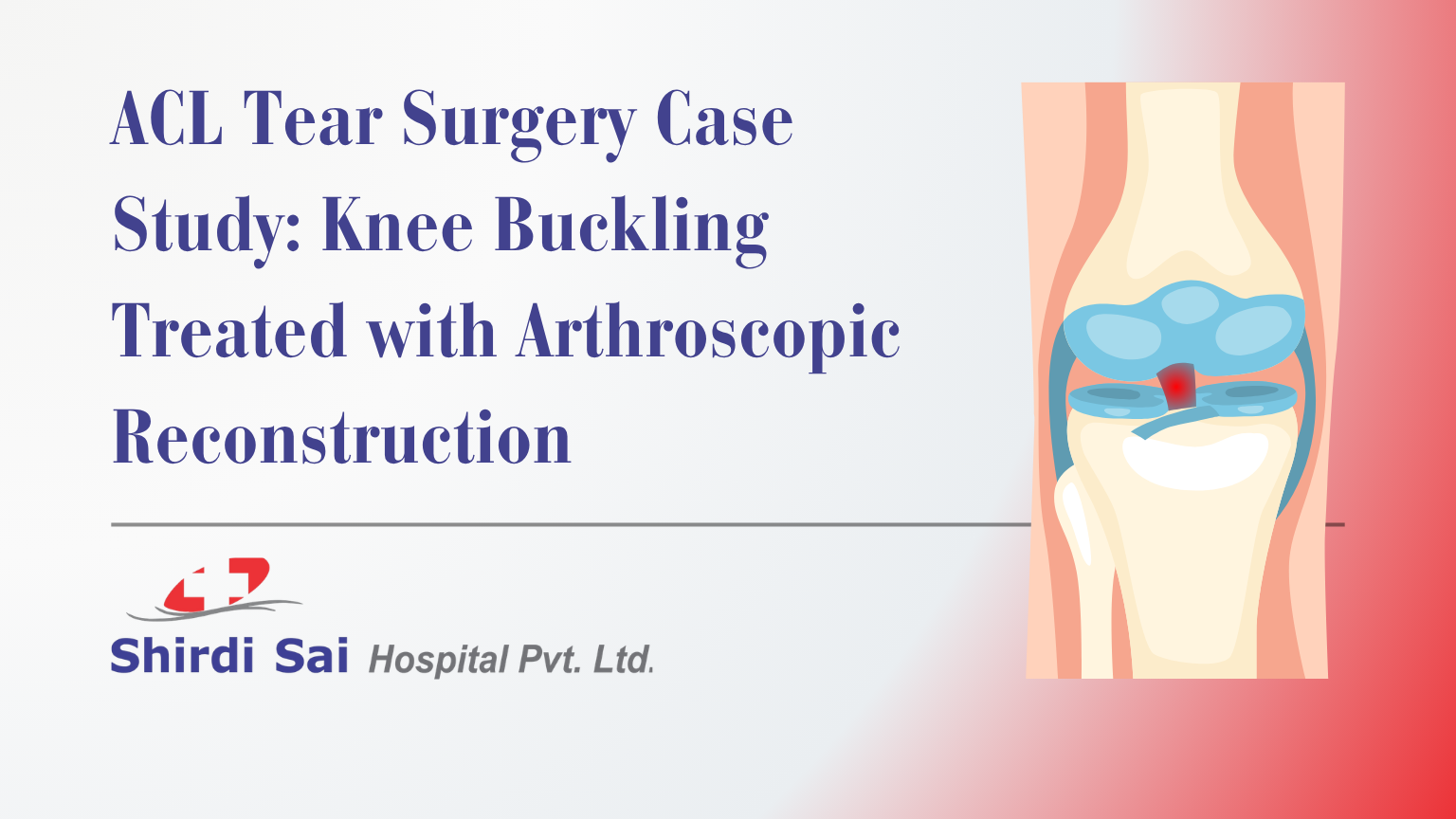
  • ACL Tear Surgery Case Study: Knee Buckling Treated with Arthroscopic Reconstruction

    ACL Tear Surgery Case Study: Knee Buckling Treated with Arthroscopic Reconstruction

    Reviewed by Shirdi Sai Hospital Team

    An ACL tear can cause knee instability, pain, buckling, and difficulty walking confidently. In some patients, the injury may begin after a twisting movement and continue for months if the ligament does not heal properly or if another knee structure, such as the meniscus, is also injured. When knee buckling increases and daily movement becomes difficult, orthopedic evaluation becomes important.

    This case study explains how an adult patient with a right knee ACL tear and medial meniscus tear was evaluated and treated at Shirdi Sai Hospital, New BEL Road. The patient underwent arthroscopic ACL reconstruction with partial medial meniscectomy and was discharged in stable condition with physiotherapy and follow-up advice. The case is shared for awareness only, with patient identity fully removed.

    Case Summary

    An adult male patient came to Shirdi Sai Hospital with a history of twisting injury to the right knee several months earlier. The patient had already taken treatment, but symptoms did not settle completely. Over time, pain increased and the right knee started buckling while walking.

    The patient was evaluated by the Orthopedics team and admitted for further management. Based on clinical findings and diagnosis, the patient was treated for:

    • right knee ACL tear
    • medial meniscus tear

    The surgical procedure included:

    • arthroscopic right ACL reconstruction
    • partial meniscectomy of the medial meniscus

    After surgery, the patient was monitored in the hospital. The post-operative course was stable. Pain gradually reduced, oral intake was tolerated, and the patient was able to ambulate with support. The patient was discharged in a hemodynamically stable condition with medicines, brace support, physiotherapy advice, and follow-up instructions.

    What Was the Patient’s Main Problem?

    The main concern was right knee pain with buckling while walking. Knee buckling means the knee suddenly feels unstable, gives way, or feels unable to support body weight properly during movement.

    In this case, the problem began after a twisting injury. This type of injury can damage knee ligaments, meniscus, or other supporting structures. When the ACL is torn, the knee may lose stability, especially during walking, turning, climbing stairs, or sudden direction changes.

    The patient’s symptoms included:

    • previous twisting injury to the right knee
    • persistent pain despite earlier treatment
    • increased pain over recent weeks
    • buckling of the right knee while walking
    • difficulty trusting the knee during movement

    These symptoms suggested that the knee instability needed orthopedic evaluation and treatment planning.

    Final Diagnosis

    The final diagnosis was:

    Right ACL Tear with Medial Meniscus Tear

    The ACL, or anterior cruciate ligament, is one of the main stabilizing ligaments of the knee. It helps control forward movement and rotation of the shin bone in relation to the thigh bone.

    The medial meniscus is a C-shaped cartilage cushion on the inner side of the knee. It helps absorb shock, distribute load, and support smooth knee movement.

    When both the ACL and medial meniscus are injured, patients may experience pain, instability, swelling, catching, locking, or buckling depending on the tear pattern and severity.

    What Is an ACL Tear?

    An ACL tear is an injury to the anterior cruciate ligament inside the knee. It commonly occurs due to twisting, sudden stopping, pivoting, sports injury, fall, or accident.

    Common symptoms of an ACL tear may include:

    • knee pain after injury
    • swelling
    • instability
    • buckling or giving way
    • difficulty walking confidently
    • difficulty turning or changing direction
    • reduced confidence in the knee
    • pain during activity

    Some ACL injuries improve with rehabilitation in selected patients. However, when instability continues, when the knee buckles during daily activity, or when associated meniscus injury is present, surgical treatment may be considered after orthopedic evaluation.

    What Is a Medial Meniscus Tear?

    A medial meniscus tear affects the cartilage cushion on the inner side of the knee. It can occur along with ligament injuries, especially after twisting movements.

    Symptoms may include:

    • pain on the inner side of the knee
    • swelling
    • catching sensation
    • locking sensation
    • pain while bending the knee
    • discomfort while walking or squatting
    • instability when combined with ligament injury

    Treatment depends on the type, location, and severity of the tear. Some tears may be managed with physiotherapy and medicines. Some tears may require arthroscopic treatment, especially if they are causing mechanical symptoms or are associated with other knee injuries.

    Why Was Surgery Considered in This Case?

    Surgery was considered because the patient had a diagnosed ACL tear with medial meniscus tear and ongoing knee buckling while walking. The symptoms had continued despite earlier treatment and were affecting knee stability.

    The decision for surgery was based on:

    • history of twisting knee injury
    • persistent pain
    • increased buckling of the right knee
    • confirmed ACL tear
    • associated medial meniscus tear
    • orthopedic evaluation
    • need to improve knee stability and function

    The goal was not only pain relief. The main goal was to restore knee stability, treat the meniscus injury appropriately, and support safer movement with rehabilitation.

    Patients with similar symptoms can consult the Orthopedics department at Shirdi Sai Hospital for evaluation of knee pain, ACL injury, meniscus tear, sports injury, fracture care, arthroscopy, and rehabilitation guidance.

    What Is Arthroscopic ACL Reconstruction?

    Arthroscopic ACL reconstruction is a minimally invasive knee surgery performed using a small camera called an arthroscope and specialized instruments. The damaged ACL is reconstructed using a graft to help restore knee stability.

    Arthroscopy allows the surgeon to view the inside of the knee joint through small incisions. This approach is commonly used for ligament reconstruction and meniscus-related procedures when surgery is required.

    In this case, arthroscopic right ACL reconstruction was performed as part of the treatment plan.

    What Is Partial Medial Meniscectomy?

    Partial medial meniscectomy means removing only the damaged portion of the medial meniscus while preserving as much healthy meniscus tissue as possible.

    This may be done when the torn part of the meniscus is not suitable for repair or is causing symptoms. The decision depends on tear type, location, tissue quality, stability, and surgeon assessment.

    In this case, partial meniscectomy of the medial meniscus was performed along with ACL reconstruction.

    Treatment Approach at Shirdi Sai Hospital

    The patient was admitted under orthopedic care and evaluated before surgery. The treatment pathway included:

    • orthopedic evaluation
    • pre-operative assessment
    • physician fitness before surgery
    • surgical planning
    • arthroscopic ACL reconstruction
    • partial medial meniscectomy
    • post-operative monitoring
    • antibiotics and supportive medicines as required
    • pain control
    • gradual diet restart
    • mobilization support
    • discharge advice
    • physiotherapy guidance
    • OPD follow-up recommendation

    The post-operative course was documented as uneventful. Pain gradually reduced, and the patient tolerated oral soft diet. The patient was able to ambulate and was discharged in stable condition.

    Recovery Plan After ACL Reconstruction and Meniscus Surgery

    Recovery after ACL reconstruction and meniscus surgery depends on the injury, procedure, patient condition, physiotherapy compliance, muscle strength, and follow-up care.

    In this case, discharge advice included:

    • mobilization with support
    • long knee brace
    • continued physiotherapy
    • straight leg raise exercises
    • isometric quadriceps exercises
    • follow-up review in OPD

    Physiotherapy is a key part of recovery because surgery alone does not restore full strength, balance, and confidence. The knee needs structured rehabilitation to regain movement, muscle control, and stability.

    Why Physiotherapy Matters After ACL Surgery

    After ACL reconstruction, the thigh muscles, especially the quadriceps, can become weak. Swelling, pain, reduced movement, and fear of using the knee can slow recovery.

    Physiotherapy helps with:

    • reducing stiffness
    • restoring knee movement
    • improving quadriceps strength
    • improving walking pattern
    • reducing swelling
    • improving balance
    • supporting gradual return to activity
    • protecting the reconstructed ligament during healing

    Exercises such as straight leg raises and isometric quadriceps exercises are commonly used in early rehabilitation when advised by the treating team.

    Patients should not restart sports, running, heavy lifting, squatting, or twisting activities without orthopedic and physiotherapy clearance.

    ACL Tear with Meniscus Tear: Why Early Evaluation Matters

    An ACL tear with meniscus injury can affect knee function more than an isolated minor knee sprain. If instability continues, the knee may buckle repeatedly, which can increase the risk of further injury.

    Patients should not ignore:

    • knee buckling while walking
    • repeated giving way sensation
    • swelling after activity
    • pain after twisting injury
    • knee locking or catching
    • difficulty climbing stairs
    • difficulty turning quickly
    • inability to trust the knee
    • pain that continues for weeks after injury

    Early diagnosis helps decide whether physiotherapy, bracing, activity modification, arthroscopy, ACL reconstruction, meniscus repair, partial meniscectomy, or another treatment option is suitable.

    Warning Signs After Knee Surgery

    Patients should follow discharge instructions and return for review if warning signs appear.

    Important warning signs include:

    • fever
    • severe pain
    • pus discharge from wound
    • increasing swelling
    • redness around wound
    • wound soakage
    • calf pain or swelling
    • breathing difficulty
    • sudden worsening of knee pain
    • inability to move the limb as advised
    • fall or fresh injury after surgery

    The discharge instructions in this case specifically advised review if fever, severe pain, or wound discharge occurred.

    What This Case Teaches Patients

    This case highlights a common problem: knee ligament injuries are often underestimated when pain temporarily improves. A patient may continue walking after injury, but instability may become clear later as buckling, giving way, or reduced confidence in the knee.

    Key lessons:

    • Twisting knee injuries should not be ignored if pain persists.
    • Knee buckling is an important instability symptom.
    • ACL tears may need surgery when instability affects daily activity.
    • Meniscus tears can occur along with ACL injury.
    • Arthroscopy can be used to treat selected ACL and meniscus injuries.
    • Physiotherapy is essential after surgery.
    • Follow-up care is important for safe recovery.

    Shirdi Sai Hospital and Sathya Sai Hospital Are Different

    Some patients searching online may confuse Shirdi Sai Hospital with Sathya Sai Hospital because the names sound similar. They are not the same hospital.

    This case study refers to Shirdi Sai Hospital Pvt. Ltd., located at No. 519, 2nd Main, Nethravathi Street, Devasandra, New BEL Road, Bangalore – 560054.

    Before visiting, patients should confirm the hospital name, location, phone number, and official website. For this case study and related orthopedic care, the correct hospital is Shirdi Sai Hospital on New BEL Road.

    You can visit the official Shirdi Sai Hospital website for hospital information and appointments.

    Why Patients Choose Shirdi Sai Hospital for ACL and Meniscus Injury Care

    At Shirdi Sai Hospital, New BEL Road, knee injuries are evaluated through the Orthopedics department with attention to symptoms, injury history, instability, pain pattern, imaging, and functional difficulty. The hospital’s Orthopedics services include care for ACL tears, meniscus tears, sports injuries, arthroscopy, fracture care, rehabilitation support, and musculoskeletal conditions.

    Patients may choose Shirdi Sai Hospital because:

    • orthopedic care is available on New BEL Road
    • ACL and meniscus injuries are evaluated clinically
    • arthroscopy is available for selected joint problems
    • surgical and non-surgical options are considered based on the case
    • rehabilitation guidance supports recovery after surgery
    • emergency and multispeciality support are available when needed
    • the hospital is accessible for patients from Devasandra, Mathikere, RMV 2nd Stage, Sanjaynagar, Hebbal, and nearby areas

    For patients with knee buckling, ligament injury, meniscus tear symptoms, or sports-related knee pain, orthopedic consultation at Shirdi Sai Hospital can help identify the next step.

    Patient Privacy Note

    This case study has been written with patient identity removed. Personal identifiers such as name, registration number, address, exact admission date, discharge date, and identifying personal details have not been included.

    The purpose of this case study is patient education and awareness. Treatment decisions vary from patient to patient. A similar diagnosis does not mean every patient will need the same surgery, medicines, hospital stay, brace, or rehabilitation plan.

    Frequently Asked Questions

    What is an ACL tear?

    An ACL tear is an injury to the anterior cruciate ligament, one of the main stabilizing ligaments inside the knee. It can cause pain, swelling, instability, and knee buckling.

    What are the symptoms of ACL tear?

    Common symptoms include knee pain, swelling, instability, buckling, difficulty walking, and loss of confidence while turning, climbing stairs, or changing direction.

    When does an ACL tear need surgery?

    ACL surgery may be considered when the knee remains unstable, buckles during daily activity, or when there is an associated injury such as a meniscus tear. The decision depends on orthopedic evaluation.

    What is arthroscopic ACL reconstruction?

    Arthroscopic ACL reconstruction is a minimally invasive procedure where the damaged ACL is reconstructed using a graft through small incisions and camera-guided instruments.

    What is partial meniscectomy?

    Partial meniscectomy means removing only the damaged portion of the meniscus while preserving as much healthy tissue as possible. It may be done when the torn part is not suitable for repair.

    Is physiotherapy needed after ACL surgery?

    Yes. Physiotherapy is essential after ACL surgery to regain knee movement, muscle strength, balance, walking confidence, and safe return to daily activities.

    When should I consult a doctor after a twisting knee injury?

    Consult an orthopedic doctor if pain persists, swelling appears, the knee buckles, walking becomes difficult, or there is locking, catching, or repeated giving way sensation.

    Conclusion

    This case shows how a twisting knee injury with persistent pain and buckling was diagnosed as a right ACL tear with medial meniscus tear and treated with arthroscopic ACL reconstruction and partial medial meniscectomy at Shirdi Sai Hospital, New BEL Road. The patient recovered in stable condition after surgery and was advised brace support, physiotherapy, medicines, and follow-up care.

    Knee buckling after injury should not be ignored. It may indicate ligament instability or meniscus involvement. Early orthopedic evaluation helps patients understand whether rest, physiotherapy, bracing, arthroscopy, ligament reconstruction, or another treatment pathway is suitable.

    OPD Consultation starts from ₹500.

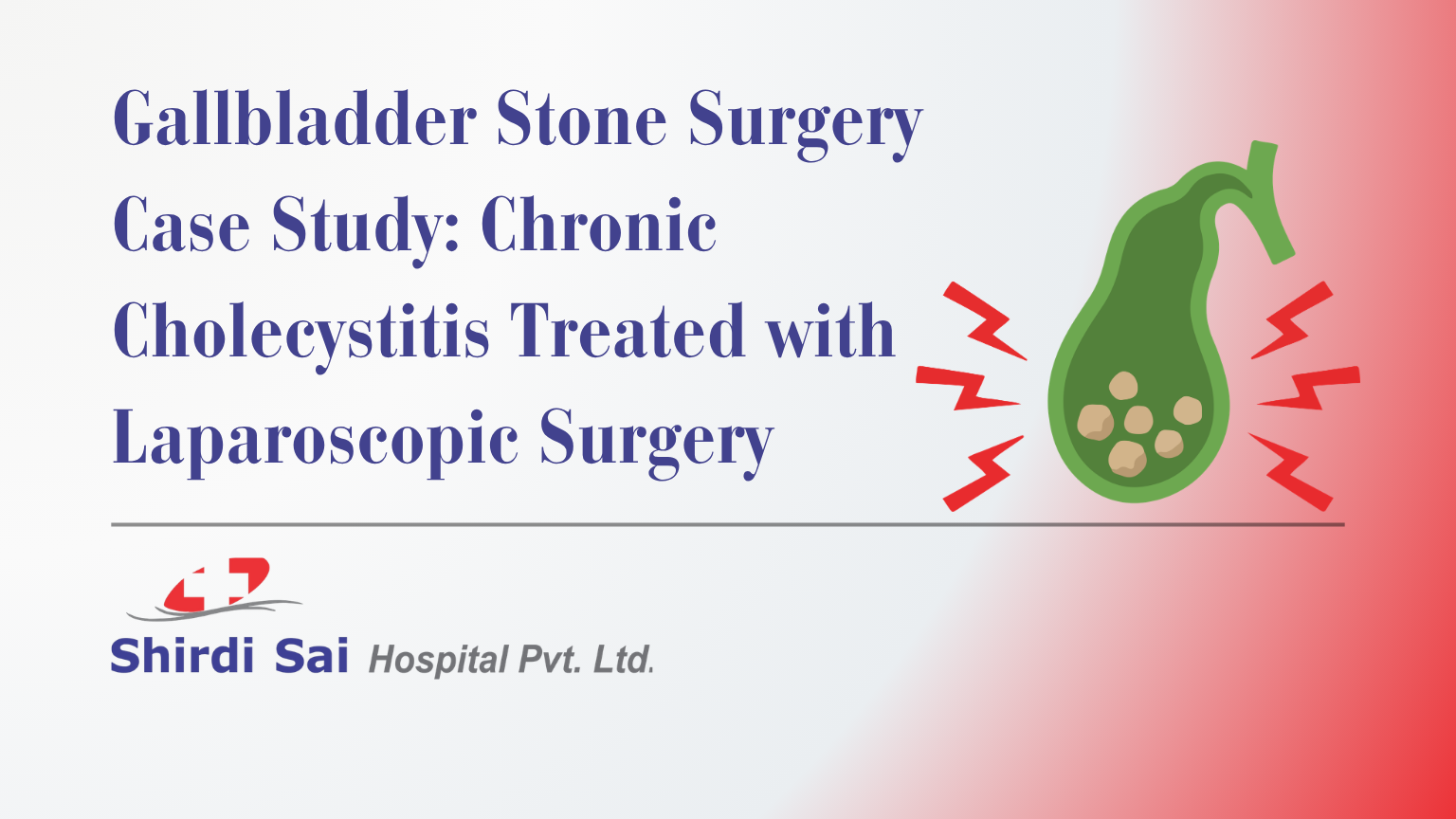
  • Gallbladder Stone Surgery Case Study: Chronic Cholecystitis Treated with Laparoscopic Surgery

    Gallbladder Stone Surgery Case Study: Chronic Cholecystitis Treated with Laparoscopic Surgery

    Reviewed by Shirdi Sai Hospital Team

    Gallbladder stones can cause repeated pain in the upper abdomen, especially in the right upper side or central upper abdomen. When stones lead to chronic gallbladder inflammation, the condition is called chronic calculus cholecystitis. In such cases, medicines may temporarily reduce symptoms, but surgery may be advised when pain keeps returning or when the gallbladder is affected by stones and inflammation.

    This case study explains how an adult patient with persistent upper abdominal pain was evaluated and treated at Shirdi Sai Hospital, New BEL Road. The case is shared for awareness only. Patient identity and personal details have been fully removed for privacy.

    Case Summary

    An adult patient came to Shirdi Sai Hospital with pain in the upper abdomen for around 20 days. The pain was mainly in the right upper abdominal region and the central upper abdominal region. The patient had already taken treatment locally and was diagnosed with gallbladder stones. Surgical management had been advised before admission.

    After evaluation by the General Surgery team at Shirdi Sai Hospital, the patient was diagnosed with chronic calculus cholecystitis. The care team planned surgical treatment based on symptoms, diagnosis, and clinical condition.

    The patient underwent laparoscopic cholecystectomy along with laparoscopic adhesiolysis. The post-operative course was stable, oral intake was gradually restarted, pain reduced, and the patient was discharged with follow-up advice.

    What Was the Patient’s Main Problem?

    The main complaint was persistent upper abdominal pain. The pain was present for around 20 days and was located mainly in:

    • right upper abdomen
    • upper central abdomen
    • region commonly associated with gallbladder-related pain

    The patient had already been diagnosed with gallbladder stones before reaching Shirdi Sai Hospital. Since symptoms were persistent and surgical treatment had been advised, the patient was admitted for further management.

    Upper abdominal pain should not be ignored when it is persistent, recurrent, or associated with vomiting, fever, jaundice, loss of appetite, or worsening discomfort after food.

    Final Diagnosis

    The final diagnosis was:

    Chronic Calculus Cholecystitis

    This means the gallbladder had stones and long-standing inflammation. The word “calculus” refers to stones, and “cholecystitis” refers to inflammation of the gallbladder.

    The patient also had existing medical conditions that were already under treatment. These were considered during hospital care and discharge planning.

    What Is Chronic Calculus Cholecystitis?

    Chronic calculus cholecystitis is a condition where gallstones repeatedly irritate or block the gallbladder, leading to ongoing inflammation. It may cause repeated episodes of abdominal pain, indigestion-like discomfort, nausea, heaviness after meals, or pain in the right upper abdomen.

    Common symptoms may include:

    • pain in the right upper abdomen
    • pain in the upper central abdomen
    • nausea or vomiting
    • bloating after meals
    • heaviness after oily food
    • repeated indigestion-like symptoms
    • pain that returns after treatment
    • discomfort that may radiate to the back or shoulder in some cases

    Not every gallstone causes symptoms. But when stones cause repeated pain or inflammation, medical evaluation is important.

    Why Was Surgery Considered in This Case?

    Surgery was considered because the patient had symptomatic gallbladder stone disease with chronic inflammation. The pain had continued for around 20 days, prior treatment had already been taken, and surgical management had been advised before admission.

    The decision for surgery was not based on pain alone. It was based on the diagnosis, symptoms, clinical evaluation, and the need to manage the diseased gallbladder.

    At Shirdi Sai Hospital, gallbladder stone cases are evaluated through the General Surgery department. Patients with symptoms such as recurrent right upper abdominal pain, vomiting, gallstone diagnosis, or gallbladder inflammation can consult the surgical team through the General Surgery department.

    Treatment Approach at Shirdi Sai Hospital

    The patient was admitted under the care of the General Surgery team. The treatment plan included:

    • clinical evaluation
    • review of reports
    • supportive medications
    • antibiotics and antacids as required
    • consent before surgery
    • surgical management
    • post-operative monitoring
    • diet progression
    • discharge planning and follow-up advice

    The patient underwent:

    Laparoscopic Cholecystectomy

    This is a minimally invasive surgery to remove the gallbladder.

    Laparoscopic Adhesiolysis

    This is done to release internal adhesions when they are present and need to be managed during surgery.

    The procedure was completed under anesthesia, and the patient was monitored after surgery.

    What Is Laparoscopic Cholecystectomy?

    Laparoscopic cholecystectomy is a minimally invasive surgery used to remove the gallbladder. Instead of a large open incision, the procedure is performed using small openings and specialized instruments.

    This approach may be preferred in suitable patients because it generally allows:

    • smaller incisions
    • less wound discomfort compared with open surgery in many cases
    • earlier movement after surgery
    • shorter hospital stay in uncomplicated cases
    • faster return to routine activities depending on recovery

    However, not every patient is automatically suitable for laparoscopic surgery. The surgeon decides based on the patient’s condition, inflammation, previous surgery history, anatomy, safety, and operative findings.

    Why Adhesiolysis Was Done

    The patient also underwent laparoscopic adhesiolysis. Adhesions are bands of tissue that may form inside the abdomen, often after previous surgery, inflammation, or other abdominal conditions.

    Adhesiolysis means releasing these adhesions when they interfere with surgical access or safe movement inside the abdomen.

    In this case, adhesiolysis was performed along with gallbladder surgery as part of the operative plan.

    Hospital Course and Recovery

    After surgery, the patient was monitored in the hospital. The operative and post-operative course was documented as stable.

    The recovery included:

    • monitoring of vitals
    • post-operative medicines
    • gradual oral intake
    • liquids followed by soft diet
    • mobilization
    • wound dressing care
    • pain control
    • discharge after clinical stability

    The patient’s pain gradually reduced. Dressing was checked, and there was no soakage noted at the time of discharge. The patient was discharged in a hemodynamically stable condition.

    Diet Advice After Gallbladder Surgery

    The discharge advice included a soft bland diet and plenty of fluids. This is commonly advised after abdominal surgery so the digestive system can recover gradually.

    A patient recovering after gallbladder surgery may be advised to follow:

    • soft food initially
    • light home-cooked meals
    • adequate fluids
    • smaller meals
    • avoidance of heavy oily food during early recovery
    • gradual return to regular diet as advised
    • continuation of regular medicines for existing health conditions

    Diet should always follow the surgeon’s discharge advice because every patient’s recovery and medical condition can differ.

    Warning Signs After Gallbladder Surgery

    Patients should not ignore symptoms after discharge. The discharge advice specifically mentioned seeking care if there is severe pain, pus, or discharge from the operated site.

    Important warning signs include:

    • severe abdominal pain
    • fever
    • vomiting
    • increasing swelling at wound site
    • redness around wound
    • pus discharge
    • bleeding from wound
    • foul smell from dressing
    • yellowing of eyes or skin
    • inability to eat or drink
    • worsening weakness

    If any of these symptoms appear, the patient should contact the hospital or visit for review.

    What This Case Teaches Patients About Gallbladder Stones

    This case highlights an important point: gallbladder stone pain should not be ignored when it is persistent or recurrent.

    Many patients mistake gallbladder pain for acidity, gas, or indigestion. This can delay diagnosis. Pain in the right upper abdomen or upper central abdomen, especially when it keeps returning, should be evaluated.

    This case also shows why proper surgical assessment matters. The patient had chronic calculus cholecystitis and underwent planned laparoscopic treatment after evaluation. The post-operative recovery was stable, and discharge was given with diet, medicine, and follow-up advice.

    Gallbladder Pain vs Acidity: Why Patients Get Confused

    Gallbladder pain and acidity can both cause upper abdominal discomfort. This is why patients often delay medical care.

    Symptom PatternMore Suggestive of AcidityMore Suggestive of Gallbladder Stone Pain
    Burning sensation in chestCommonLess typical
    Sour belchingCommonLess typical
    Right upper abdominal painLess typicalCommon
    Pain after oily foodCan happenCommon in many patients
    Nausea or vomitingCan happenCan happen
    Repeated upper abdominal painNeeds evaluationNeeds evaluation
    Pain lasting for hoursNeeds evaluationMore concerning
    Fever or jaundiceNot typicalNeeds urgent care

    This table is only for awareness. A doctor should evaluate persistent symptoms because ulcers, pancreatitis, gallbladder disease, liver issues, acidity, and other conditions can overlap.

    When Should You Consult a Surgeon for Gallbladder Stones?

    Consult a general surgeon if you have:

    • gallstones detected on scan
    • repeated right upper abdominal pain
    • pain after oily or heavy food
    • nausea or vomiting with abdominal pain
    • upper abdominal pain lasting for hours
    • fever with abdominal pain
    • yellowing of eyes or skin
    • dark urine or pale stools
    • pain that keeps coming back despite medicines
    • gallbladder inflammation reported on scan

    If gallbladder stones are silent and causing no symptoms, treatment may not always be required immediately. But symptomatic gallstones need proper medical guidance.

    Why Patients Choose Shirdi Sai Hospital for Gallbladder Surgery

    At Shirdi Sai Hospital, New BEL Road, gallbladder stone symptoms are evaluated through the General Surgery department. The focus is on understanding the patient’s symptoms, reviewing reports, assessing medical conditions, and planning treatment based on clinical need.

    Patients may choose Shirdi Sai Hospital because:

    • General Surgery care is available on New BEL Road
    • patients are assessed before treatment planning
    • laparoscopic surgical options are considered where suitable
    • post-operative monitoring and discharge guidance are provided
    • patients with existing medical conditions can be evaluated in a multispeciality hospital setting
    • the hospital is accessible for patients from Devasandra, Mathikere, RMV 2nd Stage, Sanjaynagar, Hebbal, and nearby areas

    For surgical evaluation, patients can visit the General Surgery Department of Shirdi Sai Hospital

    Patient Privacy Note

    This case study has been written with patient identity removed. Personal identifiers such as name, registration number, address, and exact admission details have not been included. The purpose of this case study is patient education and awareness.

    Treatment decisions vary from patient to patient. A similar diagnosis does not mean every patient will need the same procedure, hospital stay, medicines, or recovery plan.

    Frequently Asked Questions

    What is chronic calculus cholecystitis?

    Chronic calculus cholecystitis means long-standing inflammation of the gallbladder due to gallstones. It can cause repeated upper abdominal pain, nausea, bloating, or discomfort after meals.

    When do gallbladder stones need surgery?

    Gallbladder stones may need surgery when they cause repeated pain, gallbladder inflammation, infection, blockage, or complications. A general surgeon decides based on symptoms, scan findings, and patient health.

    What surgery is done for gallbladder stones?

    The common surgery for symptomatic gallbladder stones is cholecystectomy, which means removal of the gallbladder. It is often performed laparoscopically when suitable.

    Can gallbladder stones be treated with medicines?

    Some silent stones may not need immediate treatment, but symptomatic gallstones often require surgical evaluation. Medicines may temporarily reduce symptoms but may not solve repeated gallbladder attacks.

    Is laparoscopic gallbladder surgery safe?

    Laparoscopic gallbladder surgery is commonly performed, but suitability depends on the patient’s condition, inflammation, anatomy, medical history, and surgeon assessment. Like all surgeries, it has possible risks.

    What should I eat after gallbladder surgery?

    Patients are often advised soft, light, bland food and plenty of fluids initially. Diet should be gradually advanced as advised by the surgeon.

    When should I return to hospital after gallbladder surgery?

    Return to hospital if there is severe pain, fever, pus discharge, wound redness, vomiting, jaundice, bleeding, or worsening weakness after discharge.

    Conclusion

    This case shows how persistent upper abdominal pain caused by chronic calculus cholecystitis was managed with laparoscopic gallbladder surgery at Shirdi Sai Hospital, New BEL Road. The patient was evaluated, treated surgically, monitored after the procedure, gradually started on oral intake, mobilized, and discharged in stable condition with follow-up advice.

    Gallbladder stone symptoms should not be ignored when pain is repeated, persistent, or associated with vomiting, fever, jaundice, or worsening discomfort. Early consultation helps patients understand whether observation, medicines, further tests, or surgery is appropriate.

    OPD Consultation starts from ₹500.

  • Fever with Body Pain? When to Go to Hospital

    Fever with Body Pain? When to Go to Hospital

    Reviewed by Shirdi Sai Hospital Team

    Fever with body pain is commonly seen in viral fever, flu-like infections, dengue, chikungunya, malaria, urinary infections, respiratory infections, and other inflammatory illnesses. Mild fever with body pain may improve with rest, fluids, and doctor-guided medicine, but hospital evaluation becomes important when fever is high, worsening, lasting more than a few days, or associated with severe weakness, vomiting, rash, bleeding, breathing difficulty, confusion, reduced urination, or persistent body pain.

    At Shirdi Sai Hospital, New BEL Road, patients often visit with fever, body pain, headache, weakness, chills, cough, throat pain, vomiting, loose stools, urinary symptoms, or severe tiredness. This guide explains when fever with body pain can be monitored, when it needs testing, and when it is safer to go to a hospital.

    Illustration showing fever with body pain symptoms, including headache, sore throat, muscle aches, chest discomfort, abdominal pain, and joint pain, with warning signs for when to visit Shirdi Sai Hospital.

    What Does Fever with Body Pain Mean?

    Fever is the body’s response to infection, inflammation, or another illness. Body pain happens because the immune system releases chemicals while fighting infection. This can cause muscle pain, joint pain, headache, tiredness, and weakness.

    Fever with body pain may feel like:

    • heaviness in the body
    • muscle pain
    • joint pain
    • headache
    • chills
    • weakness
    • tiredness
    • back pain
    • leg pain
    • pain behind the eyes
    • reduced appetite

    Not every fever with body pain is dangerous. But the cause matters. A simple viral fever, dengue, malaria, flu-like illness, urinary infection, or pneumonia may all begin with fever and body pain. The right action depends on severity, duration, associated symptoms, age, and medical history.

    What Are the Common Causes of Fever with Body Pain?

    Fever with body pain can occur due to many infections and health conditions.

    Common causes include:

    • viral fever
    • seasonal flu-like illness
    • dengue
    • chikungunya
    • malaria
    • COVID-like respiratory infections
    • urinary tract infection
    • throat infection
    • pneumonia or chest infection
    • stomach infection
    • typhoid-like illness
    • inflammatory conditions in selected cases

    In India, fever with body pain should not be casually assumed to be “normal viral fever,” especially during dengue, malaria, flu, or seasonal infection periods. Proper evaluation is important when fever persists or comes with warning signs.

    If symptoms are mild, the Internal Medicine & Family Medicine department can help evaluate fever, body pain, weakness, and infection symptoms.

    When Is Fever with Body Pain Usually Not an Emergency?

    Mild fever with body pain may not always require emergency care if the patient is alert, drinking fluids, passing urine normally, breathing comfortably, and symptoms are improving.

    Home care may be reasonable when:

    • fever is mild and recent
    • body pain is manageable
    • the patient is drinking fluids
    • there is no breathing difficulty
    • there is no rash or bleeding
    • there is no repeated vomiting
    • there is no severe abdominal pain
    • urine output is normal
    • symptoms are improving within a short period

    Even in mild cases, monitor symptoms closely. Fever patterns can change, and some infections worsen after the first two to three days.

    When Should You Go to Hospital for Fever with Body Pain?

    You should go to a hospital if fever with body pain is severe, persistent, worsening, or associated with warning symptoms.

    Visit a hospital if you have:

    • fever lasting more than 2 to 3 days
    • high fever that is not reducing
    • severe body pain
    • extreme weakness
    • dizziness or fainting
    • repeated vomiting
    • poor fluid intake
    • reduced urination
    • rash
    • bleeding from nose or gums
    • blood in vomit or stool
    • severe headache
    • pain behind the eyes
    • breathing difficulty
    • chest pain
    • confusion or drowsiness
    • severe abdominal pain
    • stiff neck
    • fever in pregnancy
    • fever in elderly patients
    • fever in infants or young children
    • fever in patients with diabetes, kidney disease, heart disease, cancer, or low immunity

    These symptoms may indicate a more serious infection or dehydration and should not be managed only with home remedies.

    What Is the Danger Zone for Fever?

    A fever number alone does not decide danger. A patient with moderate fever but severe weakness, dehydration, confusion, breathing difficulty, rash, or bleeding may need urgent care. A high fever without warning symptoms still needs monitoring and medical advice if it persists or does not respond as expected.

    A fever becomes more concerning when:

    • temperature is very high
    • fever is not reducing
    • fever keeps returning
    • fever lasts more than a few days
    • patient becomes drowsy or confused
    • patient is unable to drink fluids
    • urine output reduces
    • breathing becomes difficult
    • rash, bleeding, or severe pain develops
    • patient is a child, elderly person, pregnant woman, or has chronic disease

    Do not judge fever only by 100°F, 102°F, or 103°F. Look at the whole patient.

    Is 102 Fever an Emergency?

    A temperature around 102°F is not always an emergency in a stable adult, but it should be taken seriously if it is persistent, worsening, or associated with body pain and warning symptoms.

    It needs medical attention if there is:

    • severe weakness
    • repeated vomiting
    • dehydration
    • rash
    • bleeding
    • breathing difficulty
    • chest pain
    • severe headache
    • confusion
    • fever lasting more than 2 to 3 days
    • pregnancy
    • elderly age
    • diabetes or chronic illness

    For children, fever assessment depends on age, activity, hydration, breathing, feeding, and associated symptoms. Parents should seek medical advice earlier if the child is unusually sleepy, not feeding, dehydrated, breathing fast, or has rash or fits.

    Which Fever Causes Severe Body Pain?

    Several infections can cause severe body pain. The most common possibilities include viral fever, dengue, chikungunya, flu-like infections, malaria, and some bacterial infections.

    Viral Fever

    Viral fever often causes body pain, fatigue, headache, sore throat, cough, or cold symptoms. Many cases improve with rest, fluids, and supportive care, but persistent fever should be evaluated.

    Dengue

    Dengue can cause high fever, severe body pain, pain behind the eyes, headache, nausea, vomiting, rash, and severe weakness. Warning signs like severe abdominal pain, repeated vomiting, bleeding, or extreme tiredness need urgent care.

    Chikungunya

    Chikungunya commonly causes fever with significant joint pain. Joint pain can be severe and may last longer than the fever in some patients.

    Malaria

    Malaria can cause fever with chills, sweating, headache, body pain, and weakness. Testing is important when malaria is suspected.

    Flu-like Illness

    Influenza and similar respiratory infections can cause fever, body pain, cough, sore throat, tiredness, and headache.

    Because symptoms overlap, testing may be needed to confirm the cause.

    Fever with Body Pain: Viral Fever vs Dengue vs Malaria

    FeatureViral FeverDengueMalaria
    Fever patternMay be mild to highOften highMay come with chills and sweating
    Body painCommonOften severeCommon
    HeadacheCommonCommon, may include eye painCommon
    RashSometimesCan occurLess typical
    VomitingPossibleWarning if repeatedPossible
    BleedingNot typicalWarning signNot typical
    TestingBased on symptomsBlood test may be advisedMalaria test may be advised
    Hospital careIf persistent or severeIf warning signs or severe illnessIf confirmed/severe or high-risk

    This table is only for understanding. It does not replace medical diagnosis.

    What Are the 5 Main Causes of Fever?

    The five common medical causes of fever include:

    1. Viral infections
    2. Bacterial infections
    3. Mosquito-borne infections such as dengue or malaria
    4. Urinary or respiratory infections
    5. Inflammatory or immune-related conditions in selected cases

    In daily practice, infection is one of the most common reasons for fever. The exact cause is identified based on symptoms, examination, season, exposure history, and tests when required.

    What Are the Stages of Fever?

    Fever often progresses through phases, but not every patient follows the same pattern.

    A simple way to understand fever stages:

    StageWhat Happens
    Early stageBody feels tired, cold, or shivery
    Rising stageTemperature increases, chills may occur
    Peak stageFever is high; body pain, headache, weakness may worsen
    Falling stageSweating may occur as temperature comes down
    Recovery stageFever reduces but weakness may remain

    If fever reduces but the patient becomes weaker, drowsy, breathless, dehydrated, or develops rash/bleeding, this is not normal recovery. It needs medical evaluation.

    How to Confirm Viral Fever?

    There is no single symptom that confirms viral fever. Doctors diagnose viral fever based on symptoms, examination, duration, season, exposure, and tests when needed.

    A doctor may consider:

    • temperature pattern
    • cough, cold, sore throat, or flu-like symptoms
    • body pain and fatigue
    • absence or presence of warning signs
    • local disease patterns
    • travel or mosquito exposure
    • test results when required

    Tests may be advised to rule out dengue, malaria, typhoid, urinary infection, pneumonia, COVID-like illness, or other causes.

    What Tests Are Done for Fever with Body Pain?

    Tests depend on symptoms and clinical findings. Not every patient needs every test.

    Commonly considered tests may include:

    • complete blood count
    • platelet count
    • dengue test
    • malaria test
    • urine routine test
    • urine culture if urinary symptoms are present
    • liver and kidney function tests
    • CRP or infection markers when needed
    • blood culture in selected cases
    • chest X-ray if cough or breathing symptoms are present
    • COVID or flu test when relevant

    A CBC is commonly used to look at white blood cells, hemoglobin, and platelet count, but it does not confirm every type of fever by itself. Test results must be interpreted with symptoms and examination.

    What Is CBC for Viral Fever?

    CBC means Complete Blood Count. It is a blood test that gives information about white blood cells, hemoglobin, and platelets.

    In fever with body pain, CBC may help doctors assess:

    • infection pattern
    • platelet count
    • anemia
    • inflammation clues
    • whether follow-up testing is needed

    CBC alone cannot always confirm whether fever is viral, dengue, malaria, bacterial, or another infection. It is one part of evaluation.

    Fever with Body Pain and Dengue Warning Signs

    Dengue is an important concern when fever comes with severe body pain, headache, pain behind the eyes, rash, nausea, or vomiting.

    Seek urgent care if fever is associated with:

    • severe abdominal pain
    • repeated vomiting
    • bleeding from nose or gums
    • blood in stool or vomit
    • extreme tiredness
    • restlessness
    • dizziness
    • reduced urination
    • cold hands or feet
    • breathing difficulty

    Dengue symptoms can change quickly, especially around the time fever starts reducing. Do not assume improvement only because temperature has come down.

    Fever with Body Pain in Children: When to Worry

    Children need closer observation because they may not explain symptoms clearly.

    Seek medical care if a child has:

    • high fever
    • poor feeding
    • repeated vomiting
    • loose stools with dehydration
    • fast breathing
    • unusual sleepiness
    • persistent crying
    • rash
    • fits
    • reduced urination
    • fever lasting several days
    • severe body pain or refusal to walk
    • fever in an infant

    Parents should not give adult medicines to children or repeat old prescriptions without pediatric advice. If the child needs evaluation, Shirdi Sai Hospital’s Pediatrics department supports acute illness care for children: https://www.shirdisaihospitalpvtltd.com/pediatrics/

    Fever with Body Pain in Elderly Patients

    Elderly patients may not always show typical symptoms. Fever may come with confusion, weakness, low appetite, fall risk, dehydration, or worsening of existing illnesses.

    Elderly patients should seek medical care early if they have:

    • fever with weakness
    • confusion
    • drowsiness
    • poor oral intake
    • breathlessness
    • urinary symptoms
    • reduced urine output
    • chest congestion
    • uncontrolled diabetes or blood pressure
    • repeated vomiting
    • inability to walk normally

    Delay can increase the risk of dehydration, infection complications, and hospitalization.

    What to Do at Home Before Visiting the Hospital

    If symptoms are mild and the patient is stable, supportive care can help while monitoring.

    Helpful steps include:

    • rest properly
    • drink enough fluids
    • monitor temperature
    • eat light food
    • avoid heavy exercise
    • avoid alcohol
    • avoid self-medication with antibiotics
    • do not take multiple fever medicines without medical advice
    • note symptoms and fever timing
    • seek care if symptoms worsen

    Do not ignore worsening symptoms while trying home remedies.

    What Not to Do During Fever with Body Pain

    Avoid:

    • taking antibiotics without prescription
    • using leftover medicines
    • taking painkillers repeatedly without diagnosis
    • ignoring dengue warning signs
    • continuing work despite high fever
    • skipping fluids
    • delaying care in elderly people or children
    • using adult fever medicine for children
    • assuming every fever is viral
    • waiting too long with severe weakness or vomiting

    Medication safety is important. Wrong medicines can mask symptoms or cause harm, especially in dengue, kidney disease, liver disease, pregnancy, or children.

    When Fever with Body Pain Needs Emergency Care

    Emergency care is needed if fever with body pain is associated with severe or sudden symptoms.

    Go to emergency care if there is:

    • difficulty breathing
    • chest pain
    • confusion
    • fainting
    • seizures
    • severe dehydration
    • repeated vomiting
    • bleeding
    • severe abdominal pain
    • stiff neck
    • very high fever with drowsiness
    • cold, pale, or bluish hands/feet
    • severe weakness with inability to stand
    • reduced urine output
    • fever after major injury or surgery

    Shirdi Sai Hospital’s Emergency Medicine department provides rapid assessment for acute symptoms, severe infections, trauma, respiratory emergencies, and critical situations. Details are available here: https://www.shirdisaihospitalpvtltd.com/emergency-medicine/

    Why Patients Choose Shirdi Sai Hospital for Fever and Body Pain

    At Shirdi Sai Hospital, New BEL Road, fever with body pain is evaluated based on duration, temperature pattern, hydration, associated symptoms, medical history, age, travel or mosquito exposure, and examination findings. The focus is to identify whether it is likely viral fever, dengue, malaria, flu-like illness, urinary infection, respiratory infection, or another cause.

    Patients choose Shirdi Sai Hospital because:

    • Internal Medicine & Family Medicine supports acute illness evaluation
    • Emergency Medicine is available for severe or urgent symptoms
    • Pediatrics care is available for children with fever
    • diagnostic evaluation can be planned based on symptoms
    • patients are guided on fluids, fever control, tests, and follow-up
    • care is accessible for patients from New BEL Road, Devasandra, Mathikere, RMV 2nd Stage, Sanjaynagar, Hebbal, and nearby areas

    If fever with body pain is persistent, worsening, or associated with warning signs, early consultation helps prevent treatment delay.

    When to Go to Hospital: Simple Decision Guide

    SituationWhat to Do
    Mild fever, mild body pain, drinking fluids, improvingMonitor, rest, fluids, consult if not improving
    Fever for more than 2 to 3 daysConsult a doctor
    Fever with severe body painMedical evaluation advised
    Fever with rash or bleedingUrgent evaluation
    Fever with repeated vomitingHospital visit advised
    Fever with breathing difficultyEmergency care
    Fever with confusion or drowsinessEmergency care
    Fever in elderly, infants, pregnancy, or chronic diseaseEarly medical evaluation
    Fever with reduced urinationMedical evaluation for dehydration or infection
    Fever with severe abdominal painUrgent evaluation

    This guide helps families act faster instead of waiting until symptoms become severe.

    Frequently Asked Questions

    When should I go to hospital for fever with body pain?

    Go to hospital if fever with body pain lasts more than 2 to 3 days, worsens, or comes with severe weakness, vomiting, dehydration, rash, bleeding, breathing difficulty, confusion, reduced urination, or severe headache.

    What is the danger zone for a fever?

    The danger zone is not only a temperature number. Fever becomes concerning when it is very high, persistent, worsening, or associated with confusion, breathing difficulty, dehydration, rash, bleeding, severe weakness, or symptoms in children, elderly people, pregnant women, or chronic disease patients.

    Is 102 fever an emergency?

    A 102°F fever is not always an emergency in a stable adult, but it needs medical attention if it persists, worsens, or comes with severe body pain, vomiting, dehydration, rash, breathing difficulty, confusion, or chronic illness.

    Which fever causes severe body pain?

    Viral fever, dengue, chikungunya, malaria, and flu-like infections can cause severe body pain. Testing may be needed because symptoms overlap.

    How do I confirm viral fever?

    Viral fever is diagnosed based on symptoms, examination, fever pattern, exposure history, and tests when needed. There is no single symptom that confirms viral fever.

    What is a CBC test for fever?

    CBC, or Complete Blood Count, checks blood cells including white blood cells, hemoglobin, and platelets. It helps doctors assess infection pattern and platelet count, but it does not confirm every fever cause alone.

    How long does fever with body pain last?

    Many viral fevers improve within a few days, but fever duration depends on the cause. Fever lasting more than 2 to 3 days, worsening symptoms, or severe weakness needs medical evaluation.

    Conclusion

    Fever with body pain is common, but it should not be ignored when symptoms are severe, persistent, or worsening. Viral fever may improve with rest, fluids, and supportive care, but dengue, malaria, urinary infection, respiratory infection, and other conditions can also begin with fever and body pain.

    At Shirdi Sai Hospital, New BEL Road, patients with fever, body pain, weakness, dehydration, vomiting, rash, urinary symptoms, breathing difficulty, or warning signs can be evaluated through Internal Medicine, Pediatrics, or Emergency Medicine depending on severity. Timely consultation helps identify the cause and prevents delay in treatment.

    OPD Consultation starts from ₹500.

  • When Does a Fracture Need Surgery? Signs to Know

    When Does a Fracture Need Surgery? Signs to Know

    A fracture needs surgery when the broken bone is badly displaced, unstable, open, involving a joint, affecting blood supply or nerves, not healing properly, or unlikely to stay aligned with only a cast or splint. Some fractures heal well with plaster, brace, or non-surgical treatment, but others require surgical fixation with plates, screws, rods, pins, or external support to restore alignment and function.

    At Shirdi Sai Hospital, New BEL Road, fracture treatment is planned after clinical examination and imaging. The goal is not to operate on every fracture. The goal is to choose the safest treatment that helps the bone heal in the correct position and allows the patient to regain movement, strength, and daily function.

    Medical infographic showing six warning signs that a fracture may need surgery, including displaced bone, open fracture, multiple fragments, joint involvement, numbness or poor blood flow, and inability to bear weight.

    What Is a Fracture?

    A fracture means a broken bone. The break may be small, partial, complete, displaced, open, or broken into multiple pieces. The severity depends on the force of injury, the bone involved, the patient’s age, bone strength, and whether nearby joints, nerves, blood vessels, skin, or muscles are affected.

    Common causes of fractures include:

    • falls
    • road traffic accidents
    • sports injuries
    • direct blows
    • twisting injuries
    • osteoporosis-related weak bones
    • repetitive stress injuries
    • workplace injuries

    Not every fracture looks dramatic. Some patients can still move the injured part, even with a fracture. That is why pain, swelling, deformity, inability to bear weight, or difficulty using the limb should be evaluated early.

    Does Every Fracture Need Surgery?

    No. Many fractures do not need surgery. If the bone pieces are well aligned, stable, and expected to heal properly, treatment may include a splint, plaster cast, brace, rest, medicines, and follow-up X-rays.

    Non-surgical fracture treatment may be suitable when:

    • the broken bone is not displaced
    • the fracture is stable
    • joint alignment is not affected
    • the bone can heal safely in a cast or brace
    • there is no open wound
    • there is no nerve or blood vessel injury
    • the patient can follow immobilization and follow-up advice

    However, some fractures cannot heal correctly unless the bones are realigned and stabilized surgically. This decision should be made by an orthopedic specialist after reviewing the X-ray or scan.

    When Does a Fracture Need Surgery?

    Fracture surgery may be needed when the bone position, stability, or injury severity makes non-surgical healing unsafe or unreliable.

    Common reasons include:

    • displaced fracture
    • open fracture
    • unstable fracture
    • fracture involving a joint
    • fracture with multiple bone fragments
    • fracture with nerve or blood vessel injury
    • fracture that cannot be held in a cast
    • fracture with severe soft tissue injury
    • hip fracture in elderly patients
    • fracture that is not healing properly
    • fracture that healed in the wrong position
    • repeated loss of alignment on follow-up X-rays

    Surgery is not chosen only because the fracture is painful. Pain is common in fractures. Surgery is considered when alignment, stability, healing, or function is at risk.

    Signs That a Broken Bone May Need Surgery

    A fracture may need surgical evaluation if the injury shows warning signs.

    Important signs include:

    • visible deformity
    • bone seen through the skin
    • severe swelling
    • severe pain after injury
    • inability to move the limb
    • inability to stand or walk after injury
    • numbness or tingling
    • fingers or toes becoming cold, pale, or blue
    • wound near the fracture site
    • severe pain with tight swelling
    • repeated fracture displacement
    • fracture near a joint
    • fracture after high-energy trauma

    These symptoms do not automatically mean surgery is certain, but they do mean urgent orthopedic evaluation is important.

    Fracture Surgery vs Cast: Main Difference

    FactorCast or Splint TreatmentFracture Surgery
    Used whenFracture is stable and well alignedFracture is unstable, displaced, open, or complex
    Main purposeImmobilizes bone externallyRealigns and stabilizes bone internally or externally
    Tools usedPlaster, splint, bracePlates, screws, rods, pins, external fixator
    Hospital stayOften shorter or outpatientDepends on fracture and procedure
    Follow-upX-rays to confirm alignment and healingX-rays, wound care, implant and rehab follow-up
    RecoveryDepends on fracture typeDepends on surgery, bone healing, and rehabilitation
    Risk if wrong choiceMalalignment, stiffness, delayed healingSurgical risks if not medically suitable

    This comparison helps patients understand why treatment choice is based on fracture stability, not only pain level.

    Types of Fractures That Often Need Surgery

    Some fracture patterns are more likely to need surgical management.

    Open Fractures

    An open fracture means the broken bone is associated with a wound in the skin. This is serious because infection risk is higher. Open fractures often need urgent cleaning, antibiotics, stabilization, and surgical care.

    Warning signs include:

    • wound near the broken bone
    • bone visible through skin
    • heavy bleeding
    • severe contamination with mud or road debris
    • severe pain and swelling after trauma

    Open fractures should be treated as urgent.

    Displaced Fractures

    A displaced fracture means the bone pieces have moved out of their normal alignment. If the bones cannot be aligned and held with a cast, surgery may be needed.

    Possible signs include:

    • limb looks bent or abnormal
    • shortening of the injured limb
    • severe swelling
    • abnormal movement
    • pain with deformity

    Proper alignment is important because bones that heal in the wrong position can affect movement, strength, and function.

    Unstable Fractures

    An unstable fracture may move even after being placed in a cast. If the bone cannot stay in the correct position, surgery may be advised to hold it securely.

    Examples include:

    • fractures with multiple fragments
    • certain long bone fractures
    • fractures with ligament injury
    • fractures that shift on follow-up X-rays

    Joint Fractures

    Fractures that extend into a joint may require surgery if the joint surface is not aligned properly. Joint alignment matters because uneven healing can lead to stiffness, pain, and early arthritis.

    Common joint areas include:

    • ankle
    • wrist
    • elbow
    • knee
    • shoulder
    • hip

    A fracture near a joint should be assessed carefully with imaging.

    Hip Fractures

    Hip fractures, especially in elderly patients, often need surgical management because long bed rest can lead to complications such as weakness, chest infection, clots, pressure sores, and loss of mobility.

    Treatment depends on fracture type, age, bone quality, mobility level, and medical condition.

    Fractures With Nerve or Blood Vessel Injury

    If a fracture affects nerves or blood vessels, urgent care is required. Signs may include:

    • numbness
    • tingling
    • weakness
    • loss of movement
    • cold fingers or toes
    • pale or bluish skin
    • absent pulse in the limb

    These symptoms need immediate medical attention.

    Fractures That Do Not Heal Properly

    Some fractures heal slowly or fail to heal. This is called delayed union or non-union. Surgery may be considered when healing is not progressing properly.

    Risk factors include:

    • smoking
    • diabetes
    • poor blood supply
    • infection
    • severe fracture
    • poor immobilization
    • repeated movement at fracture site
    • poor nutrition
    • certain medical conditions

    What Types of Bone Breaks Usually Require Surgery?

    The need for surgery depends on the exact fracture, but the following types commonly need orthopedic surgical evaluation:

    • open fractures
    • severely displaced fractures
    • comminuted fractures
    • unstable fractures
    • joint surface fractures
    • hip fractures
    • fractures with dislocation
    • fractures with nerve or blood vessel injury
    • some ankle fractures
    • some wrist fractures
    • some forearm fractures in adults
    • some thigh bone and leg bone fractures
    • fractures that fail to heal
    • fractures that heal in poor alignment

    The final decision depends on X-ray findings, patient health, age, function needs, and surgeon assessment.

    How Orthopedic Doctors Decide Whether Surgery Is Needed

    A fracture treatment plan is based on clinical examination and imaging.

    The orthopedic doctor checks:

    • which bone is broken
    • where the fracture is located
    • whether the bone pieces are aligned
    • whether the fracture enters a joint
    • whether the fracture is stable
    • whether the skin is open
    • whether nerves or blood vessels are affected
    • the patient’s age
    • activity level
    • bone quality
    • diabetes, blood pressure, or other medical conditions
    • whether the patient can safely undergo surgery
    • whether the fracture can be held with a cast

    In some cases, the doctor may advise a cast first and review healing with repeat X-rays. In other cases, early surgery may be safer.

    Tests Used Before Fracture Surgery

    The required tests depend on the fracture and patient condition.

    Common evaluations may include:

    • X-ray
    • CT scan for complex fractures or joint fractures
    • blood tests
    • ECG when needed
    • anesthesia fitness assessment
    • blood sugar and blood pressure review
    • infection evaluation in open wounds
    • neurovascular assessment
    • pre-surgery medical clearance in elderly or high-risk patients

    Imaging helps doctors understand the fracture pattern. Pre-surgery evaluation helps reduce avoidable risk.

    What Happens During Fracture Surgery?

    Fracture surgery aims to bring the broken bone pieces into proper alignment and hold them stable while the bone heals.

    Depending on the fracture, the surgeon may use:

    • plates and screws
    • rods or nails
    • pins or wires
    • external fixator
    • joint-specific implants
    • bone graft in selected cases

    The common surgical principle is reduction and fixation. Reduction means correcting the position of the bone. Fixation means holding it stable.

    Not every patient needs the same implant. The choice depends on fracture type, bone involved, age, bone quality, soft tissue condition, and recovery plan.

    What Is ORIF in Fracture Surgery?

    ORIF means Open Reduction and Internal Fixation.

    • Open reduction means the surgeon exposes the fracture area and aligns the bone.
    • Internal fixation means plates, screws, rods, or pins are used to hold the bone.

    ORIF may be used in displaced, unstable, complex, or joint-related fractures when accurate alignment is important.

    What Is External Fixation?

    External fixation uses pins or screws placed into bone above and below the fracture. These are connected to an external frame outside the body.

    It may be used when:

    • there is severe soft tissue injury
    • swelling is significant
    • the fracture is open
    • temporary stabilization is needed before another surgery
    • the fracture pattern needs external support

    External fixation is especially useful when the skin, muscles, or wound around the fracture need ongoing care.

    Recovery After Fracture Surgery

    Recovery depends on fracture type, surgery type, age, bone health, rehabilitation, and associated injuries.

    Recovery may include:

    • pain control
    • wound care
    • medicines as prescribed
    • limb elevation
    • movement restrictions
    • follow-up X-rays
    • physiotherapy
    • gradual weight bearing
    • implant monitoring
    • return-to-work guidance
    • follow-up for stiffness or weakness

    Pain often improves before the bone is strong enough for full activity. Patients should not return to lifting, running, sports, or heavy work without doctor clearance.

    Fracture Healing: What Patients Should Know

    Fracture healing is a biological process. Surgery helps align and stabilize the bone, but the body still needs time to heal.

    Healing depends on:

    • type of fracture
    • blood supply
    • age
    • nutrition
    • diabetes control
    • smoking status
    • infection risk
    • bone quality
    • follow-up compliance
    • physiotherapy and movement plan

    Healthy nutrition, doctor-guided activity, and follow-up care support recovery.

    What Can Go Wrong If Surgery Is Delayed?

    Delaying care for a fracture that needs surgery can increase risk.

    Possible problems include:

    • bone healing in wrong position
    • non-union
    • delayed union
    • joint stiffness
    • chronic pain
    • deformity
    • nerve or blood vessel damage worsening
    • infection in open fractures
    • poor function
    • more complex surgery later

    Not every fracture is urgent, but fractures with deformity, open wound, severe swelling, numbness, reduced circulation, fever, or inability to bear weight need timely evaluation.

    How to Choose a Qualified Orthopedic Surgeon

    Patients often search for how to choose an orthopedic surgeon for fracture treatment. The right surgeon should evaluate the fracture carefully and explain the treatment options clearly.

    Look for:

    • orthopedic training and experience
    • ability to explain X-ray findings
    • clear discussion of surgery vs non-surgery options
    • structured follow-up plan
    • rehabilitation guidance
    • patient safety focus
    • emergency support if needed
    • hospital facility for imaging and surgery

    Avoid choosing treatment based only on fear, cost, or online opinions. Fracture care should be based on diagnosis.

    Why Patients Choose Shirdi Sai Hospital for Fracture Care

    At Shirdi Sai Hospital, New BEL Road, fracture care is evaluated through the Orthopedics department with attention to the type of fracture, alignment, stability, swelling, pain level, and patient safety. The hospital’s Orthopedics department supports diagnosis and treatment of fractures, joint conditions, sports injuries, musculoskeletal problems, and rehabilitation needs.

    Patients may choose Shirdi Sai Hospital because:

    • Orthopedics services are available on New BEL Road
    • fracture care includes evaluation, imaging guidance, and treatment planning
    • surgical and non-surgical options are considered based on fracture type
    • emergency care is available for sudden injuries
    • rehabilitation guidance supports recovery and mobility
    • patients can be assessed for associated injuries after falls or accidents
    • the hospital is accessible for patients from Devasandra, Mathikere, RMV 2nd Stage, Sanjaynagar, Hebbal, and nearby areas

    If you are unsure whether your fracture needs a cast, brace, or surgery, you can consult the Orthopedics department at Shirdi Sai Hospital.

    When to Visit the Hospital Immediately

    Go to the hospital immediately if there is:

    • bone visible through skin
    • severe deformity
    • severe swelling
    • numbness or tingling
    • cold or blue fingers or toes
    • heavy bleeding
    • severe pain after injury
    • inability to stand or walk
    • suspected hip fracture
    • injury after road traffic accident
    • fracture with fever or wound infection
    • child with severe limb deformity
    • elderly person unable to move after fall

    If the injury is severe, do not massage, force movement, or try to “set” the bone at home.

    First Aid Before Reaching the Hospital

    Until medical care is available:

    • keep the injured part still
    • avoid putting weight on the injured limb
    • apply a clean cloth over any open wound
    • use a splint only if trained or if safe support is available
    • apply cold pack wrapped in cloth for swelling
    • keep the limb elevated if possible
    • do not push visible bone back inside
    • do not massage the injured area
    • do not eat or drink heavily if surgery may be needed

    Emergency evaluation is the priority in severe injuries.

    Frequently Asked Questions

    When does a fracture need surgery?

    A fracture may need surgery when the bone is displaced, unstable, open, involving a joint, affecting nerves or blood vessels, broken into multiple pieces, or unlikely to stay aligned with a cast.

    What are the signs that a broken bone needs surgery?

    Warning signs include visible deformity, open wound, severe swelling, numbness, cold fingers or toes, inability to bear weight, severe pain, or a fracture near a joint.

    Can all fractures heal without surgery?

    No. Many stable fractures heal with cast or splint treatment, but unstable, displaced, open, joint-related, or complex fractures may need surgery.

    What types of fractures usually require surgery?

    Open fractures, displaced fractures, unstable fractures, comminuted fractures, joint fractures, hip fractures, fractures with dislocation, and fractures with nerve or blood vessel injury often need surgical evaluation.

    Is fracture surgery risky?

    Every surgery has risks such as infection, bleeding, stiffness, anesthesia risk, and delayed healing. However, when surgery is required, delaying it may cause worse alignment, poor function, or complications.

    How do doctors decide if fracture surgery is needed?

    Doctors assess the X-ray or scan, fracture location, alignment, stability, soft tissue injury, nerve and blood vessel status, patient age, bone quality, and overall health before deciding treatment.

    Does pain mean a fracture needs surgery?

    No. Pain is common in fractures. Surgery is considered when alignment, stability, joint involvement, circulation, nerve function, or healing is at risk.

    Conclusion

    A fracture does not always need surgery. Many stable fractures heal with a cast, splint, or brace. Surgery becomes important when the bone is displaced, unstable, open, near a joint, affecting blood vessels or nerves, or unlikely to heal correctly without fixation.

    At Shirdi Sai Hospital, New BEL Road, fracture treatment is planned after proper orthopedic evaluation and imaging. If you have a suspected fracture, severe swelling, deformity, open wound, numbness, or inability to bear weight, timely consultation can help prevent complications and support better recovery.

    OPD Consultation starts from ₹500.

  • Burning Urination: Causes, Signs and When to Worry

    Burning Urination: Causes, Signs and When to Worry

    Burning urination means pain, stinging, or burning while passing urine. It is commonly linked to urinary tract infection, dehydration, irritation, kidney stones, sexually transmitted infections, prostate problems in men, or vaginal infections in women. Mild burning may sometimes happen due to temporary irritation, but burning urination with fever, back pain, blood in urine, lower abdominal pain, vomiting, pregnancy, diabetes, or repeated symptoms should not be ignored.

    At Shirdi Sai Hospital, New BEL Road, patients often visit with burning urination, frequent urination, lower abdominal discomfort, back pain, fever, or blood in urine. This guide explains what causes burning urination, how to understand warning signs, when it may be a UTI, and when medical evaluation becomes necessary.

    Medical infographic showing the urinary system with common causes, symptoms, and warning signs of burning urination, including UTI, dehydration, kidney stones, fever, blood in urine, and back pain.

    What Does Burning Urination Mean?

    Burning urination is medically called dysuria. It refers to pain, burning, stinging, or discomfort while passing urine. Some people feel burning at the start of urination, while others feel it during or after urination.

    Burning urination can affect:

    • women
    • men
    • children
    • elderly people
    • pregnant women
    • people with diabetes
    • people with kidney stones
    • people with recurrent urinary infections

    It is not a disease by itself. It is a symptom that can come from infection, inflammation, irritation, stone-related problems, or other urinary conditions.

    What Causes Burning Urination?

    Burning urination has several possible causes. The most common cause is a urinary tract infection, but it is not the only cause.

    Common causes include:

    • urinary tract infection
    • dehydration and concentrated urine
    • kidney stones
    • bladder irritation
    • sexually transmitted infections
    • vaginal infection in women
    • prostate infection or enlargement in men
    • poor hygiene
    • use of irritating soaps or intimate products
    • uncontrolled diabetes
    • catheter-related irritation
    • certain medicines in selected cases

    A correct diagnosis matters because treatment for UTI, stone, STI, prostate infection, and irritation is not the same.

    Burning Urination and UTI: How Are They Connected?

    A UTI is one of the most common reasons for burning urination. It happens when bacteria enter and multiply in the urinary tract.

    UTI-related symptoms may include:

    • burning while passing urine
    • frequent urination
    • urgent need to urinate
    • lower abdominal pain or pressure
    • cloudy urine
    • strong-smelling urine
    • blood in urine
    • fever in some cases
    • weakness in elderly patients

    A lower UTI usually affects the bladder or urethra. If infection spreads upward, it can involve the kidneys and cause fever, chills, back pain, nausea, vomiting, or severe weakness.

    If burning urination is repeated or comes with fever or back pain, a urology consultation should not be delayed. Patients can read more about the hospital’s urinary care services here: https://www.shirdisaihospitalpvtltd.com/urology/

    Burning Urination With Blood

    Burning urination with blood should be evaluated medically. Blood in urine can occur due to UTI, kidney stones, bladder inflammation, prostate problems, trauma, or other urinary tract conditions.

    Do not ignore blood in urine if it is:

    • visible
    • repeated
    • associated with pain
    • associated with fever
    • associated with back or side pain
    • seen in elderly patients
    • seen in men with urinary difficulty
    • present during pregnancy

    Sometimes blood may appear as pink, red, brown, or tea-coloured urine. Even if the bleeding stops, evaluation is still important.

    Burning Urination With Back Pain

    Burning urination with back pain can indicate that the problem is not limited to simple irritation. It may be linked to kidney infection, kidney stone, or urinary tract infection spreading upward.

    Seek medical care if back pain is associated with:

    • fever
    • chills
    • vomiting
    • side pain
    • blood in urine
    • severe weakness
    • reduced urination
    • known kidney stone
    • pregnancy
    • diabetes

    Back pain with burning urination should not be treated only with painkillers at home. The cause needs to be identified.

    Burning Urination With Lower Abdominal Pain

    Lower abdominal pain with burning urination often suggests bladder irritation or lower urinary tract infection. Patients may also feel pressure, heaviness, or discomfort above the pubic area.

    Possible causes include:

    • bladder infection
    • urethral irritation
    • dehydration
    • urinary retention
    • bladder stones
    • menstrual or pelvic infections in women
    • prostate-related urinary difficulty in men

    If lower abdominal pain is severe, persistent, or associated with fever, vomiting, blood in urine, or difficulty passing urine, medical care is needed.

    Burning Urination in Women

    Burning urination is common in women because the female urethra is shorter, making it easier for bacteria to reach the bladder.

    Common causes in women include:

    • UTI
    • vaginal infection
    • irritation from soaps or intimate washes
    • sexual activity-related irritation
    • pregnancy-related urinary infection
    • menopause-related urinary or vaginal changes
    • kidney stones

    Women should seek medical care if burning urination is recurrent, associated with vaginal discharge, pregnancy, fever, back pain, blood in urine, or lower abdominal pain.

    Do not self-medicate repeatedly, especially during pregnancy.

    Burning Urination in Men

    Burning urination in men needs careful evaluation because it may be linked to UTI, prostate infection, enlarged prostate, stones, urethral infection, or sexually transmitted infections.

    Men should consult a doctor if they have:

    • burning urination
    • weak urine stream
    • difficulty starting urine
    • frequent urination at night
    • lower abdominal pain
    • fever
    • back pain
    • discharge from the penis
    • blood in urine
    • incomplete bladder emptying

    Burning urination with prostate symptoms should not be ignored. Persistent urinary difficulty can affect bladder function and quality of life.

    Can Diabetes Cause Burning Urination?

    Diabetes can increase the risk of urinary infections, especially when blood sugar is not well controlled. High blood sugar can support bacterial growth and weaken the body’s ability to fight infection.

    Burning urination in a person with diabetes needs medical attention if it is associated with:

    • frequent urination
    • fever
    • weakness
    • back pain
    • recurrent UTI
    • cloudy urine
    • blood in urine
    • poor sugar control

    Managing diabetes properly is important for reducing recurrent urinary infections.

    Can Dehydration Cause Burning Urination?

    Yes. Dehydration can make urine more concentrated, which may cause burning or irritation while passing urine. This is more common during hot weather, fever, travel, heavy sweating, or low water intake.

    Dehydration-related burning may come with:

    • dark yellow urine
    • strong urine smell
    • reduced urination
    • dry mouth
    • headache
    • tiredness

    However, dehydration should not be assumed as the cause if burning is severe, persistent, or associated with fever, blood in urine, lower abdominal pain, back pain, or frequent urination.

    Can Stress, Smoking, Coffee or Spicy Food Cause Burning Urination?

    Stress itself does not directly cause a urinary infection, but it can affect hydration, immunity, sleep, and pain perception. Smoking, excess caffeine, alcohol, spicy foods, and carbonated drinks can irritate the bladder in some people and worsen urinary discomfort.

    Possible irritants include:

    • excess coffee or tea
    • alcohol
    • smoking
    • carbonated drinks
    • very spicy food
    • artificial sweeteners in some people
    • harsh intimate products

    If symptoms repeat, do not keep blaming food or stress. Rule out infection, stones, diabetes, prostate problems, or other urinary conditions.

    How Painful Is Burning Urination?

    Burning urination can range from mild stinging to severe pain. The pain level depends on the cause.

    Pain PatternPossible Meaning
    Mild burning once or twiceTemporary irritation or concentrated urine
    Burning with frequent urinationPossible UTI
    Burning with lower abdominal painBladder irritation or infection
    Burning with bloodUTI, stone, inflammation, or other urinary condition
    Burning with fever and back painPossible kidney infection
    Burning with dischargePossible STI or urethral infection
    Burning with weak urine flow in menPossible prostate or obstruction issue

    Pain severity alone does not decide seriousness. Associated symptoms matter.

    How Do Doctors Diagnose Burning Urination?

    Diagnosis depends on symptoms, medical history, examination, and urine tests.

    Doctors may recommend:

    • urine routine test
    • urine culture and sensitivity
    • blood sugar test
    • complete blood count
    • kidney function test
    • ultrasound if stone, blockage, or kidney involvement is suspected
    • STI testing where relevant
    • prostate evaluation in men when needed
    • pregnancy-safe evaluation in pregnant women

    Urine culture is especially useful when infection is recurrent, severe, not improving, or when the patient has diabetes, pregnancy, kidney stones, or complicated urinary symptoms.

    How Do You Treat Burning Urination?

    Treatment depends on the cause. There is no single medicine that is correct for all patients.

    Treatment may include:

    • antibiotics if bacterial UTI is diagnosed or strongly suspected
    • fluids as advised
    • pain or fever medicines when appropriate
    • treatment for kidney stones if present
    • treatment for vaginal infection or STI when relevant
    • prostate treatment in men if symptoms suggest prostate involvement
    • diabetes control if high sugar is contributing
    • avoiding bladder irritants if irritation is suspected

    Self-medication is risky because the wrong antibiotic or incomplete course can worsen infection and increase antibiotic resistance.

    How Do I Stop My Pee From Burning?

    The right way to stop burning urination is to treat the cause. Supportive steps can reduce discomfort, but they should not replace medical evaluation when warning signs are present.

    Helpful steps include:

    • drink enough water unless restricted by your doctor
    • do not hold urine for long
    • avoid excess tea, coffee, alcohol, and spicy irritants if they worsen symptoms
    • maintain hygiene
    • avoid harsh intimate washes
    • complete prescribed medicines
    • consult a doctor if symptoms persist or recur

    Do not depend on leftover antibiotics, random urine alkalizers, or home remedies if symptoms are significant.

    Can Painful Urination Go Away on Its Own?

    Painful urination can sometimes improve if it is caused by mild irritation or dehydration. However, a true urinary infection usually needs medical evaluation and may need antibiotics.

    Do not wait at home if burning urination is associated with:

    • fever
    • chills
    • back pain
    • lower abdominal pain
    • blood in urine
    • pregnancy
    • diabetes
    • vomiting
    • recurrent symptoms
    • symptoms lasting more than a day or two
    • urinary difficulty in men

    If symptoms improve temporarily but keep coming back, the underlying cause must be checked.

    What Feels Like a UTI but Is Not?

    Several conditions can feel like a UTI.

    Possible UTI-like conditions include:

    • kidney stones
    • vaginal infection
    • sexually transmitted infection
    • bladder irritation
    • interstitial cystitis or bladder pain syndrome
    • prostate infection in men
    • dehydration
    • urinary obstruction
    • pelvic infection in women

    This is why repeated burning urination should not be treated blindly as UTI every time. Testing helps avoid wrong treatment.

    What Is the 21-Second Rule for Peeing?

    Some people search for the “21-second rule” to understand urination patterns. It is not a medical diagnostic rule for UTI, kidney infection, prostate disease, or bladder problems.

    A person’s urination time can vary based on:

    • fluid intake
    • bladder fullness
    • age
    • prostate size in men
    • bladder function
    • medications
    • anxiety
    • urinary infection
    • obstruction

    Do not use urination time alone to judge health. Burning urination, pain, blood, fever, urgency, weak stream, or difficulty passing urine are more important symptoms.

    Burning Urination: When to Worry

    Burning urination needs medical attention when it is persistent, severe, recurrent, or associated with warning signs.

    Consult a doctor if you have:

    • burning urination lasting more than 24 to 48 hours
    • fever
    • chills
    • back or side pain
    • blood in urine
    • lower abdominal pain
    • vomiting
    • reduced urine output
    • pregnancy
    • diabetes
    • recurrent UTI
    • discharge from urinary passage
    • weak stream or difficulty passing urine in men
    • symptoms in elderly patients
    • symptoms in children

    Early evaluation can prevent complications such as kidney infection, worsening pain, recurrent infection, or delayed diagnosis of stones or prostate-related problems.

    Why Patients Choose Shirdi Sai Hospital for Burning Urination Care

    At Shirdi Sai Hospital, New BEL Road, burning urination is evaluated based on symptoms, urine findings, infection risk, age, pregnancy status, diabetes, stone history, prostate symptoms, and recurrence pattern. The goal is to identify the cause instead of giving temporary relief without diagnosis.

    Patients from New BEL Road, Devasandra, RMV 2nd Stage, Sanjaynagar, Mathikere, Hebbal, and nearby areas visit Shirdi Sai Hospital for urinary burning, frequent urination, blood in urine, fever with urinary symptoms, kidney stone symptoms, and recurrent urinary infections.

    If urinary symptoms are frequent, painful, or associated with warning signs, consulting the urology department can help identify whether the problem is UTI, kidney infection, stone, prostate-related, or another urinary condition. Details are available here: https://www.shirdisaihospitalpvtltd.com/urology/

    Frequently Asked Questions

    What causes burning urination?

    Burning urination can be caused by UTI, dehydration, kidney stones, bladder irritation, sexually transmitted infections, vaginal infections, prostate problems in men, diabetes, or irritating hygiene products.

    How do I stop burning sensation while urinating?

    Drink enough water, avoid holding urine, avoid irritants such as excess caffeine or alcohol, and seek medical evaluation if symptoms persist. If infection is present, doctor-prescribed treatment is needed.

    What is the main reason for burning urine?

    UTI is one of the most common reasons for burning urine, but it is not the only cause. Stones, dehydration, STIs, vaginal infection, diabetes, and prostate problems can also cause burning.

    How long will burning pee last?

    Temporary irritation may improve quickly, but burning due to UTI or another medical cause may continue or worsen without treatment. If symptoms last more than 24 to 48 hours, consult a doctor.

    Can urinary pain go away by itself?

    It can if the cause is mild irritation or dehydration. However, UTI, kidney infection, stones, and prostate-related problems usually need medical evaluation.

    How can I tell if it is a UTI or just irritation?

    UTI is more likely when burning is associated with frequent urination, urgency, lower abdominal pain, cloudy urine, strong-smelling urine, or blood in urine. Testing confirms the cause.

    What feels like a UTI but is not?

    Kidney stones, vaginal infection, STI, bladder irritation, prostate infection, dehydration, and bladder pain syndrome can feel like UTI. Recurrent symptoms should be checked properly.

    Conclusion

    Burning urination is a common symptom, but it should not be ignored when it is persistent, painful, recurrent, or associated with fever, back pain, blood in urine, pregnancy, diabetes, or urinary difficulty. While dehydration or irritation may cause temporary burning, UTI, kidney infection, stones, prostate conditions, and other urinary problems need proper evaluation.

    At Shirdi Sai Hospital, New BEL Road, urinary symptoms are assessed carefully so the right cause can be identified and treated early. If burning urination is affecting your routine or returning again and again, timely consultation can prevent complications.

  • Piles vs Fissure vs Fistula: Key Differences Explained

    Piles vs Fissure vs Fistula: Key Differences Explained

    Piles, fissure, and fistula are three different anorectal conditions, but they are often confused because all can cause pain, discomfort, swelling, or bleeding near the anus. Piles are swollen veins in or around the anus. A fissure is a small tear in the anal lining, usually causing sharp pain during bowel movements. A fistula is an abnormal tunnel between the anal canal and nearby skin, often causing pus discharge, swelling, or repeated infection.

    At Shirdi Sai Hospital, New BEL Road, many patients come with bleeding, pain while passing stool, itching, swelling, or discharge and are unsure whether they have piles, fissure, or fistula. This guide explains the key differences, symptoms, causes, treatment options, and when to consult a doctor.

    Anatomical infographic comparing piles, anal fissure, and anal fistula with labeled diagrams, symptoms, causes, and treatment differences on a white background.

    What Are Piles?

    Piles, also called hemorrhoids, are swollen blood vessels in or around the anus and lower rectum. They can be internal or external.

    Piles may cause:

    • bleeding during bowel movements
    • itching around the anus
    • swelling or lump near the anus
    • discomfort while sitting
    • pain if external piles become swollen or clotted
    • mucus discharge in some cases
    • feeling of incomplete stool passage

    Piles are commonly linked to constipation, straining during bowel movements, prolonged sitting on the toilet, pregnancy, obesity, and low-fibre diet.

    Not every bleeding episode is piles. Rectal bleeding should be evaluated properly, especially if it is recurrent, heavy, or associated with weight loss, weakness, change in bowel habits, or severe pain.

    What Is an Anal Fissure?

    An anal fissure is a small tear or cut in the lining of the anus. It usually occurs when hard stool, constipation, repeated straining, or diarrhoea injures the anal lining.

    A fissure commonly causes:

    • sharp pain during stool passage
    • burning pain after passing stool
    • small amount of bright red blood
    • spasm or tightness around the anus
    • fear of passing stool due to pain
    • constipation due to stool-holding behaviour

    Fissure pain is often described as a cutting or glass-like pain during bowel movement. Pain may continue for minutes to hours after passing stool.

    A fissure may be acute or chronic. Acute fissures can improve with early care, stool softening, and medical treatment. Chronic fissures may need further evaluation and procedure-based treatment if they do not heal.

    What Is an Anal Fistula?

    An anal fistula is an abnormal tunnel that forms between the anal canal and the skin near the anus. It usually develops after an anal abscess or infection.

    A fistula may cause:

    • repeated pus discharge near the anus
    • swelling or boil-like opening near the anal area
    • pain during sitting or passing stool
    • foul-smelling discharge
    • itching or skin irritation
    • repeated abscess formation
    • fever if infection is active

    Unlike piles or fissures, a fistula usually does not heal permanently with only home remedies. It often needs proper surgical evaluation and treatment planning.

    If symptoms suggest fistula, patients should not delay consultation because repeated infection can make the tract more complex.

    Piles vs Fissure vs Fistula: Main Difference

    FeaturePilesFissureFistula
    What it isSwollen veins near anus or rectumTear in anal liningAbnormal tunnel from anal canal to skin
    Main symptomBleeding, swelling, itchingSharp pain during stoolPus discharge, swelling, repeated infection
    Pain patternUsually mild unless thrombosedSevere cutting pain during/after stoolPersistent or recurring pain with discharge
    BleedingCommonCommon, usually small streaksLess common unless inflamed
    DischargeMucus may occurUsually no pusPus or foul-smelling discharge
    Lump/swellingCommonSkin tag may occur in chronic fissureExternal opening or swelling may occur
    Common causeStraining, constipation, pregnancy, sitting longHard stool, constipation, traumaPrevious abscess or infection
    Home care responseMild cases may improveAcute cases may improveUsually needs medical/surgical treatment
    Risk if ignoredWorsening bleeding, thrombosis, prolapseChronic fissure, spasm, repeated painRecurrent abscess, complex tract

    This table gives a clear overview, but proper diagnosis requires clinical examination.

    How to Know Whether It Is Piles, Fissure or Fistula

    You can suspect the difference based on symptoms, but you should not self-diagnose.

    Piles are more likely if you have:

    • painless bleeding during stool
    • itching
    • swelling or lump near anus
    • discomfort while sitting
    • symptoms after constipation or straining

    Fissure is more likely if you have:

    • sharp pain while passing stool
    • burning pain after stool
    • small bright red bleeding
    • fear of bowel movement due to pain
    • history of hard stool or constipation

    Fistula is more likely if you have:

    • pus discharge near anus
    • repeated boil or swelling near anus
    • foul smell
    • pain with discharge
    • recurrent abscess
    • small opening near anal skin

    If you are unsure, consult a general surgery team for evaluation. Shirdi Sai Hospital’s General Surgery department evaluates anorectal complaints such as piles, fissure, fistula, hernia, appendix-related problems, and other surgical conditions: https://www.shirdisaihospitalpvtltd.com/general-surgery-transplant-surgery/

    Which Is More Painful: Piles or Fissure?

    A fissure is often more painful during bowel movements because it is a tear in the anal lining. Patients usually describe the pain as sharp, cutting, or burning.

    Piles can cause pain when they are external, swollen, inflamed, or thrombosed. Internal piles may bleed without much pain.

    Pain pattern helps:

    • Sharp pain during stool: more suggestive of fissure
    • Lump with pain while sitting: may suggest external piles
    • Pus discharge with swelling: may suggest fistula
    • Bleeding without severe pain: may suggest internal piles, but evaluation is still needed

    Pain alone is not enough for diagnosis. Examination is important.

    Which Is More Severe: Piles, Fissure or Fistula?

    Severity depends on the stage, symptoms, infection, bleeding, and complications.

    In general:

    • mild piles may improve with lifestyle changes and medicines
    • acute fissures may heal with proper early treatment
    • fistulas often need procedure-based treatment because they involve an abnormal tract

    A fistula can become more complex if ignored. Severe piles can prolapse or bleed repeatedly. Chronic fissure can cause persistent pain and sphincter spasm.

    The most severe condition is the one that is persistent, infected, bleeding repeatedly, or affecting daily life.

    Piles vs Fissure vs Fistula: Which Is Dangerous?

    Most piles and fissures are not dangerous when treated early, but symptoms should not be ignored. Fistula can become complicated if it leads to repeated abscess formation or branching tracts.

    Warning signs that need medical care include:

    • heavy bleeding
    • black stools
    • repeated bleeding
    • severe pain
    • fever
    • pus discharge
    • swelling near anus
    • inability to pass stool
    • unexplained weight loss
    • symptoms lasting more than a few days
    • recurrent symptoms

    Any rectal bleeding should be assessed because not all bleeding is due to piles or fissure.

    Common Causes Behind Piles, Fissure and Fistula

    Although symptoms overlap, causes differ.

    Causes of Piles

    Common causes include:

    • constipation
    • straining during stool
    • prolonged sitting on toilet
    • pregnancy
    • obesity
    • low fibre diet
    • chronic diarrhoea
    • heavy lifting in some cases

    Causes of Fissure

    Common causes include:

    • hard stool
    • constipation
    • repeated straining
    • diarrhoea
    • anal trauma
    • tight anal sphincter
    • repeated irritation

    Causes of Fistula

    Common causes include:

    • previous anal abscess
    • infection near anal glands
    • inflammatory bowel disease in some cases
    • previous surgery or trauma in selected cases

    A fistula usually develops after infection forms a pathway between the anal canal and skin.

    Symptoms Comparison: Bleeding, Pain, Lump and Discharge

    SymptomPilesFissureFistula
    Bright red bleedingCommonCommonLess common
    Sharp cutting painLess commonCommonCan occur with infection
    Lump near anusCommon in external pilesPossible skin tag in chronic fissureOpening or swelling may be present
    ItchingCommonPossibleCommon due to discharge
    Pus dischargeNot typicalNot typicalCommon
    Pain after stoolPossibleCommonPossible
    Recurrent boilNot typicalNot typicalCommon
    Constipation linkStrongStrongCan worsen symptoms but not main cause

    This comparison helps patients understand what symptom pattern they may have before consultation.

    Is Piles Surgery 100% Successful?

    No medical procedure should be described as 100% guaranteed. Piles treatment success depends on grade, technique, bowel habits, constipation control, lifestyle, and follow-up care.

    Mild piles may improve with:

    • fibre-rich diet
    • hydration
    • stool softeners if prescribed
    • medicines
    • sitz bath
    • avoiding straining

    Advanced or recurrent piles may need procedures such as rubber band ligation, stapled hemorrhoidopexy, laser treatment, or surgery, depending on the case and available facility.

    Even after treatment, piles can recur if constipation, straining, prolonged toilet sitting, or low-fibre diet continue.

    Is Fissure 100% Curable?

    Many acute fissures heal with early treatment and stool-softening measures. Chronic fissures may need medicines, topical treatment, injections, or surgery depending on severity.

    Fissure healing depends on:

    • duration of symptoms
    • constipation control
    • sphincter spasm
    • stool consistency
    • treatment compliance
    • whether it is acute or chronic

    A fissure may recur if hard stools and straining continue. Early treatment gives better outcomes.

    Is Fistula 100% Curable?

    A fistula can often be treated successfully, but cure depends on the type of fistula, tract complexity, involvement of sphincter muscles, infection, previous surgery, and underlying conditions such as Crohn’s disease.

    Fistula treatment may include:

    • drainage of abscess if present
    • fistulotomy in selected cases
    • seton placement
    • laser or other sphincter-saving procedures in selected cases
    • staged surgery for complex fistulas

    Fistula treatment must balance healing with preservation of bowel control. This is why proper evaluation is important.

    What Is the First Stage of a Fistula?

    A fistula often begins after an anal abscess. An abscess is an infected collection of pus near the anus. If the infection drains or forms a persistent tunnel, a fistula can develop.

    Early signs may include:

    • painful swelling near anus
    • pus discharge
    • small opening near anal skin
    • recurrent boil-like swelling
    • pain that improves after discharge
    • foul smell
    • itching or wetness near anus

    Early fistula evaluation is important because untreated infection can recur.

    Can You Live a Normal Life With a Fistula?

    Some people live with fistula symptoms for months or years, but that does not mean it is safe to ignore. A fistula can cause repeated discharge, pain, swelling, abscess formation, and skin irritation.

    Living normally becomes difficult when there is:

    • frequent pus discharge
    • repeated infection
    • pain while sitting
    • hygiene difficulty
    • foul smell
    • recurrent swelling
    • fever during abscess flare-ups

    Medical treatment helps prevent repeated infection and improves quality of life.

    How to Stop a Fistula From Spreading

    A fistula should be evaluated by a surgeon. Home remedies cannot close an established fistula tract.

    To prevent worsening:

    • do not squeeze or repeatedly press the swelling
    • do not delay care if pus discharge continues
    • manage constipation
    • keep the area clean and dry
    • avoid self-medication with antibiotics
    • consult early if fever or swelling appears
    • follow up after abscess drainage

    Proper diagnosis may require physical examination and imaging in complex cases.

    How Doctors Diagnose Piles, Fissure and Fistula

    Diagnosis usually starts with a detailed history and clinical examination.

    Doctors may ask about:

    • bleeding pattern
    • pain during stool
    • constipation
    • pus discharge
    • swelling or lump
    • fever
    • bowel habits
    • duration of symptoms
    • previous abscess or surgery
    • pregnancy history
    • diabetes or other conditions

    Evaluation may include:

    • visual examination
    • digital rectal examination when tolerated
    • proctoscopy or anoscopy
    • ultrasound or MRI for complex fistula in selected cases
    • colonoscopy if bleeding pattern suggests another cause

    Accurate diagnosis is essential because piles, fissure, and fistula need different treatment plans.

    Treatment Options for Piles, Fissure and Fistula

    Treatment depends on the diagnosis and severity.

    ConditionConservative TreatmentProcedure or Surgery
    PilesFibre, fluids, stool softeners, creams, sitz bathBanding, laser, stapled surgery, hemorrhoidectomy depending on grade
    FissureStool softening, sitz bath, topical medicines, pain controlBotox or surgery in chronic/non-healing cases
    FistulaInfection control, hygiene, abscess drainage if neededFistulotomy, seton, laser or sphincter-saving procedures depending on tract

    Do not use piles creams repeatedly without diagnosis. If the problem is fissure or fistula, treatment needs a different approach.

    Home Care That Helps Symptoms

    Home care can help reduce strain and discomfort, especially in piles and fissure. It is supportive, not a replacement for diagnosis.

    Helpful steps:

    • drink enough water
    • eat fibre-rich foods
    • avoid straining
    • avoid sitting too long on the toilet
    • use warm sitz bath
    • avoid delaying bowel movements
    • stay physically active
    • avoid frequent constipation
    • take prescribed stool softeners if advised

    High-fibre foods include:

    • vegetables
    • fruits
    • oats
    • dal
    • whole grains
    • beans
    • nuts and seeds in moderation

    If symptoms persist despite home care, consult a doctor.

    What to Avoid If You Have Piles, Fissure or Fistula

    Avoid habits that worsen pressure, pain, or infection.

    Avoid:

    • straining during stool
    • sitting on the toilet for long periods
    • ignoring constipation
    • taking laxatives without guidance repeatedly
    • spicy food if it worsens burning
    • low-fibre diet
    • delaying consultation for bleeding
    • applying random creams repeatedly
    • squeezing painful swelling near anus
    • ignoring pus discharge

    These conditions become harder to manage when diagnosis is delayed.

    When to Consult a Doctor

    Consult a doctor if you have:

    • bleeding during stool
    • severe pain during or after stool
    • swelling or lump near anus
    • pus discharge
    • repeated boil near anus
    • itching with wetness
    • fever with anal swelling
    • constipation with pain
    • symptoms lasting more than a few days
    • symptoms coming back repeatedly
    • black stools
    • unexplained weight loss
    • bleeding in elderly patients

    If you are consulting a hospital in Bangalore, especially around New BEL Road and nearby areas, timely evaluation can help identify whether symptoms are due to piles, fissure, fistula, or another condition.

    At Shirdi Sai Hospital, symptoms such as bleeding, pain, lump, itching, and discharge are evaluated through the General Surgery department so the correct treatment pathway can be planned. Details are available here: https://www.shirdisaihospitalpvtltd.com/general-surgery-transplant-surgery/

    Why Patients Choose Shirdi Sai Hospital for Piles, Fissure and Fistula Care

    At Shirdi Sai Hospital, New BEL Road, anorectal symptoms are evaluated based on pain pattern, bleeding, swelling, discharge, bowel habits, constipation history, infection signs, and recurrence. The focus is to identify the exact condition rather than assuming every anal symptom is piles.

    Patients from New BEL Road, Devasandra, RMV 2nd Stage, Sanjaynagar, Mathikere, Hebbal, and nearby areas visit Shirdi Sai Hospital for evaluation of piles, fissure, fistula, bleeding during stool, painful bowel movements, anal swelling, pus discharge, and recurrent anorectal symptoms.

    Early evaluation helps reduce pain, prevent repeated infection, and avoid delayed treatment.

    Frequently Asked Questions

    How do I know if I have piles, fissure or fistula?

    Piles often cause bleeding, itching, swelling, or a lump near the anus. Fissure usually causes sharp pain during stool with small bleeding. Fistula commonly causes pus discharge, swelling, and repeated infection near the anus.

    Which is more painful, piles or fissure?

    Fissure is often more painful during bowel movements because it is a tear in the anal lining. Piles can also be painful when external, swollen, or clotted.

    Which is more severe, piles or fissure?

    Severity depends on symptoms. Mild piles or acute fissure may improve with early care. Severe piles, chronic fissure, or recurrent bleeding need medical evaluation.

    Is piles surgery 100% successful?

    No treatment should be considered 100% guaranteed. Success depends on pile grade, procedure type, constipation control, lifestyle, and follow-up care.

    Can piles be 100% cured?

    Piles can be treated effectively, but recurrence is possible if constipation, straining, prolonged toilet sitting, or low-fibre diet continue.

    Is fistula 100% curable?

    Many fistulas can be treated successfully, but outcome depends on tract complexity, infection, sphincter involvement, previous surgery, and underlying disease.

    How do you identify a fistula early?

    Early fistula signs include pus discharge, a small opening near the anus, recurrent boil-like swelling, pain, itching, foul smell, or swelling that improves after discharge.

    Conclusion

    Piles, fissure, and fistula are different conditions and need different treatment approaches. Piles are swollen veins, fissure is a tear in the anal lining, and fistula is an abnormal tunnel usually linked to infection. Because symptoms overlap, self-diagnosis can delay the right treatment.

    At Shirdi Sai Hospital, New BEL Road, patients with bleeding, pain, lump, swelling, itching, pus discharge, or recurrent anorectal symptoms are evaluated carefully. If symptoms persist, worsen, or return repeatedly, timely consultation can prevent complications and improve comfort.

  • UTI vs Kidney Infection: Symptoms and Treatment Guide

    UTI vs Kidney Infection: Symptoms and Treatment Guide

    A UTI usually affects the lower urinary tract, especially the bladder, and commonly causes burning urination, frequent urination, urgency, lower abdominal discomfort, or cloudy urine. A kidney infection is more serious because the infection has reached one or both kidneys and can cause fever, chills, back or side pain, nausea, vomiting, and severe weakness. A UTI should be treated early because an untreated or worsening infection can sometimes spread upward and involve the kidneys.

    At Shirdi Sai Hospital, New BEL Road, patients often come with urinary burning, frequent urination, lower abdominal pain, fever, back pain, or weakness and are unsure whether it is a simple UTI or a kidney infection. This guide explains the difference, warning signs, tests, treatment options, and when to consult a urologist.

    Anatomical infographic comparing UTI and kidney infection, showing urinary tract organs, common symptoms, treatment options, key differences, and prevention tips on a white background.

    What Is a UTI?

    A urinary tract infection, or UTI, is an infection that affects any part of the urinary system. This includes the urethra, bladder, ureters, and kidneys. In common usage, “UTI” often refers to a lower urinary tract infection affecting the bladder or urethra.

    A lower UTI may cause:

    • burning or pain while passing urine
    • frequent urination
    • urgent need to urinate
    • lower abdominal discomfort
    • cloudy urine
    • strong-smelling urine
    • blood in urine in some cases
    • feeling that the bladder is not empty

    A lower UTI can be uncomfortable, but timely treatment usually prevents it from worsening.

    If symptoms keep returning, it is better to consult the urology team instead of repeatedly taking medicines without evaluation. You can learn more about urinary care services on the Shirdi Sai

    What Is a Kidney Infection?

    A kidney infection is a more serious urinary infection where bacteria affect one or both kidneys. The medical term is pyelonephritis. It can occur when bacteria from the bladder travel upward to the kidneys.

    A kidney infection may cause:

    • fever
    • chills
    • back pain or side pain
    • pain below the ribs
    • nausea
    • vomiting
    • weakness
    • painful urination
    • frequent urination
    • blood in urine
    • feeling very unwell

    A kidney infection needs prompt medical care. Delayed treatment can increase the risk of complications, especially in elderly people, pregnant women, people with diabetes, and patients with kidney stones or urinary blockage.

    UTI vs Kidney Infection: Main Difference

    The main difference is the level and severity of infection. A lower UTI mainly affects the bladder or urethra. A kidney infection affects the kidneys and usually causes more severe body symptoms such as fever, chills, back pain, nausea, or vomiting.

    FeatureLower UTIKidney Infection
    Main area affectedBladder or urethraOne or both kidneys
    Burning urinationCommonCan occur
    Frequent urinationCommonCan occur
    Lower abdominal painCommonMay occur
    FeverLess common in simple lower UTICommon
    ChillsUncommonCommon
    Back or side painUsually absentCommon
    Nausea or vomitingUncommonCan occur
    SeverityUsually less severeMore serious
    Medical urgencyNeeds treatmentNeeds prompt evaluation

    This comparison helps patients understand why fever and back pain with urinary symptoms should not be ignored.

    How Do I Know If It Is a Kidney Infection or a UTI?

    A UTI is more likely when symptoms are mainly limited to urination, such as burning, urgency, frequent urination, cloudy urine, or lower abdominal pressure.

    A kidney infection is more likely when urinary symptoms are combined with body symptoms such as fever, chills, back pain, side pain, nausea, vomiting, or severe weakness.

    A simple way to understand it:

    • Burning urine alone may suggest a lower UTI.
    • Burning urine with fever and back pain needs urgent evaluation.
    • Frequent urination with lower abdominal pressure may suggest bladder infection.
    • Urinary symptoms with vomiting, chills, or side pain may suggest kidney involvement.

    Do not self-diagnose based only on symptoms. A doctor may need urine tests, blood tests, and imaging depending on severity.

    UTI Symptoms: Early Signs to Watch

    A UTI can start mildly and become more uncomfortable over time.

    Common UTI symptoms include:

    • burning while passing urine
    • passing urine more often than usual
    • sudden urgency to urinate
    • pain or pressure in the lower abdomen
    • cloudy urine
    • urine with strong smell
    • blood in urine
    • pain during urination
    • discomfort after urination

    In older adults, symptoms may be less typical. They may develop weakness, confusion, reduced appetite, or worsening general condition. These symptoms need careful medical evaluation.

    Kidney Infection Symptoms: Warning Signs

    Kidney infection symptoms are usually more intense than lower UTI symptoms.

    Warning signs include:

    • fever
    • chills or shivering
    • pain in the back, side, or below the ribs
    • nausea
    • vomiting
    • severe weakness
    • painful urination
    • blood in urine
    • reduced urination
    • feeling very unwell
    • confusion in elderly patients

    A kidney infection can progress if ignored. Fever with urinary symptoms should be taken seriously, especially if there is back pain or vomiting.

    Can a UTI Turn Into a Kidney Infection?

    Yes. A lower UTI can sometimes spread upward from the bladder to the kidneys if it is not treated properly or if risk factors are present.

    This risk may be higher in:

    • people who delay treatment
    • people with recurrent UTIs
    • pregnant women
    • people with diabetes
    • elderly patients
    • people with kidney stones
    • people with urinary blockage
    • people with enlarged prostate
    • people with weak immunity
    • people who do not complete prescribed treatment

    Not every UTI becomes a kidney infection. However, worsening symptoms should not be ignored.

    How Long Before a UTI Becomes a Kidney Infection?

    There is no fixed timeline for every patient. Some infections remain limited to the bladder. Others can worsen faster, especially when there is obstruction, kidney stone, pregnancy, diabetes, poor immunity, or delayed treatment.

    Instead of waiting for a number of days, watch for warning signs:

    • fever
    • chills
    • side or back pain
    • vomiting
    • severe weakness
    • blood in urine
    • reduced urine output
    • worsening symptoms despite treatment

    If these symptoms appear, consult a doctor promptly.

    Do I Have a Kidney Infection If My Urine Is Clear?

    Clear urine does not rule out kidney infection. Urine colour alone is not enough to diagnose or exclude infection.

    A kidney infection may still be possible if there is:

    • fever
    • chills
    • back or side pain
    • nausea
    • vomiting
    • urinary burning
    • weakness
    • pain below the ribs

    Some patients drink more water when symptoms begin, which can make urine look clearer. Testing is needed when symptoms suggest infection.

    UTI vs Kidney Infection vs Kidney Stone

    Some symptoms overlap between UTI, kidney infection, and kidney stone. This is why medical evaluation matters.

    ConditionCommon SymptomsKey Clue
    Lower UTIBurning urination, urgency, frequent urination, lower abdominal discomfortUrinary symptoms without major fever or back pain
    Kidney infectionFever, chills, back or side pain, nausea, vomiting, urinary symptomsBody illness with urinary symptoms
    Kidney stoneSevere side pain, pain moving to groin, blood in urine, vomitingSevere colicky pain, often one-sided
    Stone with infectionFever with stone pain, vomiting, weaknessNeeds urgent medical care

    Kidney stones can increase the risk of blockage and infection. If stone pain comes with fever, it should be treated as urgent.

    For patients with stone symptoms, the urology service at Shirdi Sai Hospital can help evaluate whether symptoms are due to infection, stone, or another urinary problem: https://www.shirdisaihospitalpvtltd.com/urology/

    UTI vs Kidney Infection in Men

    UTIs in men need careful evaluation because they may be associated with underlying factors such as prostate enlargement, urinary retention, stones, or structural issues.

    Men should consult a doctor if they have:

    • burning urination
    • frequent urination
    • fever
    • back or side pain
    • blood in urine
    • difficulty starting urine
    • weak urine flow
    • incomplete bladder emptying
    • recurrent urinary infection

    A kidney infection in men may present with fever, chills, back pain, vomiting, and severe weakness. Delayed treatment can increase risk.

    UTI vs Kidney Infection in Pregnancy

    Pregnancy increases the importance of early evaluation for urinary symptoms. A UTI during pregnancy should not be ignored because infection can affect the mother’s health and may increase pregnancy-related risks if not treated properly.

    Pregnant women should seek medical care if they notice:

    • burning urination
    • frequent urination with discomfort
    • fever
    • back pain
    • lower abdominal pain
    • vomiting
    • blood in urine
    • reduced urination

    Do not self-medicate during pregnancy. Medicine choice must be safe for pregnancy and prescribed by a doctor.

    How Doctors Test for UTI and Kidney Infection

    Diagnosis is based on symptoms, examination, and tests.

    Common tests may include:

    • urine routine test
    • urine culture and sensitivity
    • complete blood count
    • kidney function tests
    • ultrasound if kidney involvement or obstruction is suspected
    • imaging if stones, blockage, or complicated infection is suspected
    • blood culture in selected severe cases

    A urine culture is important in recurrent, severe, complicated, or non-responding infections because it helps identify the bacteria and the antibiotic that may work best.

    Treatment for UTI

    Treatment depends on whether it is a simple lower UTI or a complicated infection.

    Treatment may include:

    • antibiotics prescribed by a doctor
    • fluids as advised
    • pain or fever medicine if needed
    • urine culture in selected cases
    • review if symptoms do not improve
    • further evaluation if infection recurs

    Patients should complete the prescribed medicine course. Stopping antibiotics early can allow infection to return or worsen.

    Avoid self-prescribing antibiotics because wrong antibiotic use can lead to incomplete treatment and antibiotic resistance.

    Treatment for Kidney Infection

    Kidney infection needs prompt medical treatment. Antibiotics are usually required. The route and setting depend on severity.

    Treatment may include:

    • oral antibiotics for stable patients
    • injectable antibiotics in more serious cases
    • admission if vomiting, dehydration, severe weakness, pregnancy, elderly age, or sepsis risk is present
    • fluids if dehydrated
    • fever and pain control
    • tests to check kidney function
    • imaging if blockage, stone, or abscess is suspected

    If there is a kidney stone with infection and blockage, urgent urology care may be needed to relieve obstruction before definitive stone treatment.

    Home Care: What Helps and What Does Not

    Home care can support recovery, but it should not replace medical treatment when infection is present.

    Helpful steps:

    • drink fluids as advised
    • do not hold urine for long
    • maintain hygiene
    • complete prescribed medicines
    • avoid self-medication
    • follow up if symptoms persist
    • seek care early for fever or back pain

    Do not rely only on:

    • cranberry juice
    • herbal remedies
    • over-the-counter pain medicines
    • leftover antibiotics
    • excessive water intake without diagnosis
    • waiting for fever to settle on its own

    Home remedies may reduce discomfort for some people, but they do not reliably treat kidney infection.

    Prevention: How to Reduce UTI Risk

    UTI risk can be reduced with better habits, especially in people who get recurrent infections.

    Practical prevention steps:

    • drink enough water unless restricted by doctor
    • do not hold urine for long periods
    • pass urine after sexual activity
    • maintain intimate hygiene
    • avoid unnecessary antibiotic use
    • manage diabetes properly
    • treat constipation if present
    • evaluate recurrent infections
    • investigate stones or urinary blockage if infections repeat

    Women with frequent UTIs, men with urinary symptoms, elderly patients, and people with diabetes should not ignore recurrent infections.

    Why Patients Choose Shirdi Sai Hospital for UTI and Kidney Infection Care

    At Shirdi Sai Hospital, New BEL Road, urinary symptoms are evaluated based on severity, infection signs, medical history, age, pregnancy status, kidney stone risk, and recurrence pattern. The goal is to identify whether the patient has a lower UTI, kidney infection, stone-related infection, prostate-related urinary issue, or another cause.

    Patients choose Shirdi Sai Hospital because urinary symptoms are assessed clinically instead of being treated casually. Doctors may recommend urine tests, culture, blood tests, kidney function assessment, or ultrasound when needed. Patients from New BEL Road, Devasandra, RMV 2nd Stage, Sanjaynagar, Mathikere, Hebbal, and nearby areas can access urology care for burning urination, fever with urinary symptoms, kidney pain, recurrent UTI, and suspected kidney infection.

    When to Consult a Doctor

    Consult a doctor if you have:

    • burning urination lasting more than a day
    • frequent urination with pain
    • fever with urinary symptoms
    • chills or shivering
    • back or side pain
    • nausea or vomiting
    • blood in urine
    • reduced urine output
    • pregnancy with urinary symptoms
    • diabetes with UTI symptoms
    • recurrent UTIs
    • symptoms not improving after treatment
    • elderly patient with confusion or weakness

    If you are consulting a hospital in Bangalore, especially around New BEL Road and nearby areas, early evaluation can prevent a lower UTI from worsening and help identify kidney infection before complications develop.

    Frequently Asked Questions

    How do I know if it is a kidney infection or a UTI?

    A lower UTI usually causes burning urination, urgency, frequent urination, and lower abdominal discomfort. A kidney infection is more likely when fever, chills, back or side pain, nausea, vomiting, or severe weakness occur with urinary symptoms.

    What are the 5 warning signs of a kidney infection?

    Five important warning signs are fever, chills, back or side pain, nausea or vomiting, and painful urination. Severe weakness, blood in urine, or reduced urination also need medical attention.

    How long before a UTI becomes a kidney infection?

    There is no fixed timeline. A UTI can worsen faster in people with pregnancy, diabetes, kidney stones, urinary blockage, weak immunity, or delayed treatment. Fever, chills, back pain, or vomiting need prompt care.

    Do I have a kidney infection if my urine is clear?

    Clear urine does not rule out kidney infection. Symptoms such as fever, chills, back or side pain, nausea, vomiting, and urinary burning matter more than urine colour alone.

    Is a kidney infection more serious than a UTI?

    Yes. A kidney infection is generally more serious because it involves the kidneys and can lead to complications if untreated. It needs prompt medical evaluation and antibiotic treatment.

    Can kidney stones cause UTI or kidney infection?

    Yes. Kidney stones can block urine flow or irritate the urinary tract, increasing infection risk. Fever with stone pain can be serious and needs urgent medical evaluation.

    Can UTI be treated without antibiotics?

    Some mild urinary discomfort may settle, but a confirmed UTI often needs antibiotics based on doctor assessment. Kidney infection should not be treated only with home remedies.

    Conclusion

    A lower UTI and a kidney infection are not the same. A UTI often causes burning urination, urgency, and lower abdominal discomfort, while a kidney infection usually causes more serious symptoms such as fever, chills, back or side pain, nausea, vomiting, and severe weakness.

    At Shirdi Sai Hospital, New BEL Road, urinary symptoms are evaluated carefully to identify whether the infection is limited to the bladder or has affected the kidneys. If you have fever with urinary symptoms, recurrent UTI, blood in urine, back pain, vomiting, or symptoms during pregnancy, do not delay medical care.

    OPD Consultation starts from ₹500.