Shirdi Sai Hospital

Category: Health

Health articles and guides from the doctors at Shirdi Sai Hospital, Bangalore — covering symptoms, conditions, treatments, and when to see a specialist.

  • Understanding Gout: The Symptoms, Causes, and Preventative Measures

    Understanding Gout: The Symptoms, Causes, and Preventative Measures

    Introduction to Gout

    Gout is a type of arthritis that causes sudden, severe pain in joints. It’s more common than people think and affects millions worldwide. The purpose of this blog is to help folks recognize gout symptoms early and understand how to prevent them. Awareness is crucial because with proper knowledge, individuals can take steps to lower the risk of developing severe gout. Prevention and prompt gout treatment can vastly improve life quality. With this in mind, let’s explore what gout is, its causes, and effective gout treatment.
    Decoding Gout: An Inflammatory Arthritis

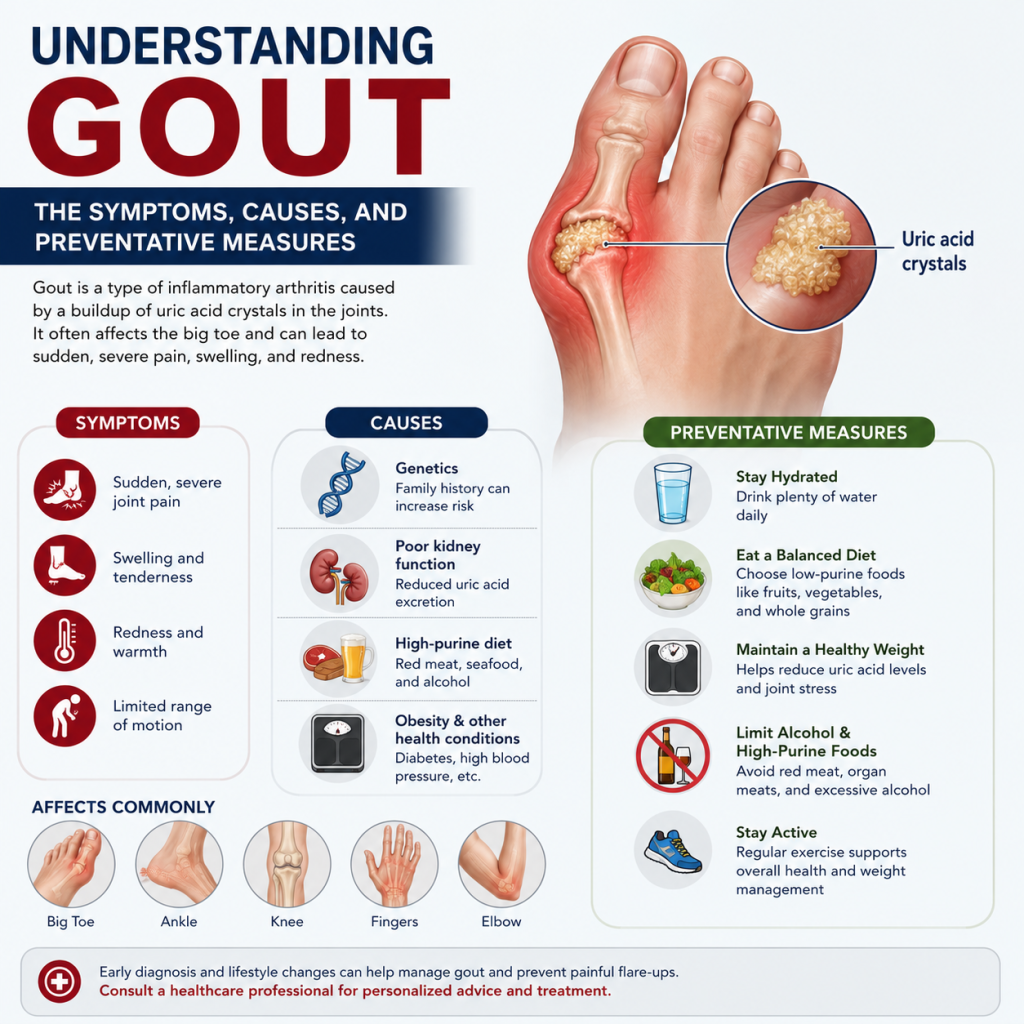
    At its core, gout is an inflammatory form of arthritis. This means that inflammation plays a role. It happens when uric acid crystals build up in joints. This build-up causes intense pain and swelling. People often describe the attacks as sudden and unpredictable. This unpredictability and pain can catch sufferers off guard. Understanding this can aid in better management and preparation. Although managing gout symptoms can be challenging, hope remains through education and awareness.

    Identifying the Symptoms of Gout

    Recognizing gout symptoms is vital for timely intervention and relief. Here are typical signs:

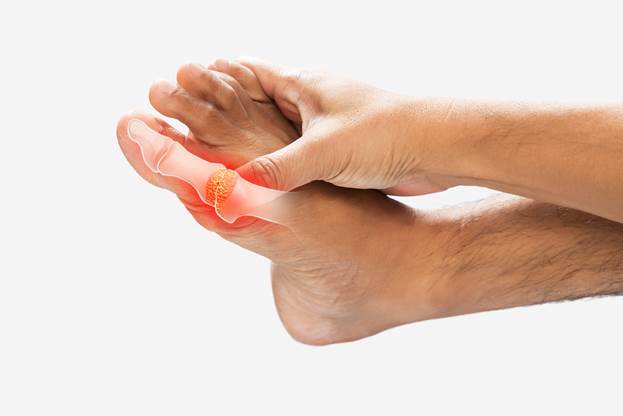
    • Severe joint pain. Pain usually begins in the big toe, but it can occur in any joint.
    • Swelling and tenderness. Joints become swollen, very tender, and warm to the touch.
    • Redness around the joint. The area may look red or even purplish.

    These symptoms can strike suddenly, often at night. A gout attack may last from a few days to a week. Knowing these signs helps in quick gout treatment and relief.

    Root Causes of Gout

    The main culprit behind gout is the build-up of uric acid. So, what contributes to this build-up?

    • Foods high in purines. Foods like red meat and seafood can increase uric acid production.
    • Alcohol consumption. Beverages like beer can raise uric acid levels.
    • Certain medications. Some drugs, like diuretics, can elevate uric acid levels.

    Apart from diet, pre-existing health conditions play a role in developing gout. Conditions like high blood pressure, obesity, and diabetes increase the risk.

    Risk Factors: Who Is More Prone to Gout?

    Some people are more likely to get gout than others. Notably, men have a higher chance than women due to higher natural uric acid levels. Age also plays a part, with older adults being more prone. Genetics can make gout symptoms more likely, too. Lifestyle choices, like diet and physical activity, influence risk levels as well. Knowing these factors can steer individuals toward preventative measures.

    Consequences of Untreated Gout

    Ignoring gout symptoms can lead to more severe health issues. It is essential to address acute attacks that cause intense, temporary pain. The risk escalates when it transforms into chronic gout. In this case, recurring attacks can cause permanent joint damage. Additionally, uric acid crystals might form kidney stones. Timely gout treatment can avert such daunting complications.

    Lifestyle Changes for Gout Prevention

    Good lifestyle habits can help manage and prevent gout attacks.

    • Dietary changes. Reduce intake of purine-rich foods like seafood and red meat.
    • Limit alcohol. Keep alcohol consumption to a minimum, especially beer.
    • Stay hydrated. Drinking plenty of water helps flush out uric acid.

    Managing gout goes beyond diet. Keeping a healthy weight and engaging in regular physical activity also helps. Each small change makes a noticeable impact.

    Medical Interventions in Gout Management

    Sometimes lifestyle changes alone are not enough. Medications can help manage gout symptoms. Anti-inflammatory drugs can quickly reduce pain and swelling. Other medications help lower uric acid levels over time. Following a health professional’s advice is key to successful gout treatment and minimizing attack frequency.

    Recognizing When to Seek Medical Attention

    Knowing when to see a doctor is crucial for those with gout. If the pain gets worse or doesn’t go away after a few days, it’s time for professional advice. Another sign is if attacks become more frequent or severe. Early diagnosis and gout treatment can prevent complications like joint harm or kidney issues. Taking action early makes a significant difference.

    Conclusion

    Understanding gout symptoms and causes is the first step in managing the condition. Quick action and lifestyle shifts can substantially improve one’s quality of life. People should feel encouraged to embrace healthy choices and respond to symptoms promptly. Early gout treatment and preventive steps are vital. Better lifestyle decisions and timely medical consultations ensure those at risk can lead fuller, healthier lives.

    Get expert care for joint health—Consult the specialists at Shirdi Sai Hospital now!
  • Fever During Bangalore Monsoon? Expert Home Care Tips You Can Trust

    Fever During Bangalore Monsoon? Expert Home Care Tips You Can Trust

    🌧️ Introduction

    The rains in Bangalore bring relief from the summer heat-but they also bring a spike in viral fevers, dengue, flu, and water-borne infections. For families across New BEL Road and nearby Devasandra Layout, dealing with fever during the monsoon is common. But when should you manage it at home, and when should you seek medical help?
    At Shirdi Sai Hospital, our team of specialists ensures you receive safe, effective, and timely fever care right here in Bangalore. Let’s walk through symptoms, causes, home treatments, and when to book a consultation.

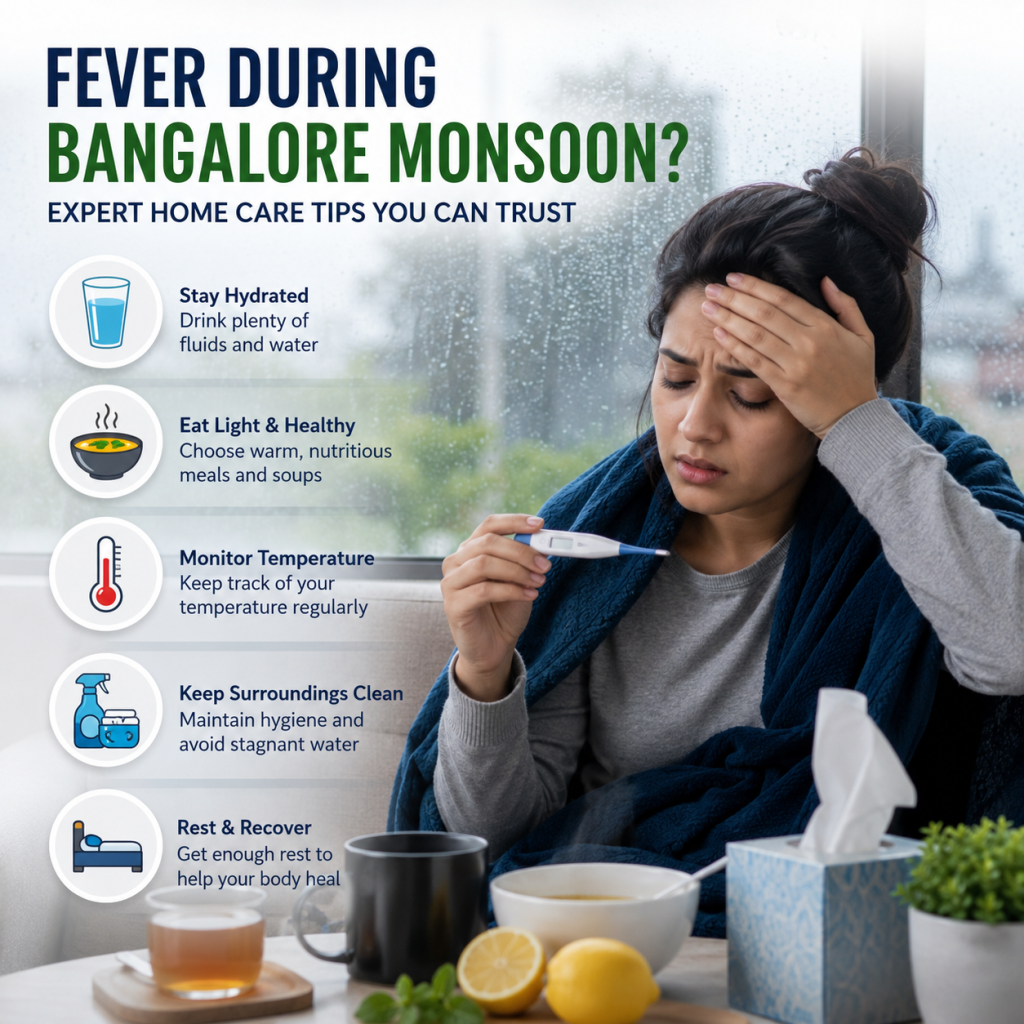
    Illustration of a person with fever during Bangalore's monsoon season, showing trusted home care tips such as staying hydrated, eating nutritious meals, monitoring body temperature, maintaining hygiene, and getting adequate rest.

    Symptoms

    How do you know if your monsoon fever needs attention?

    • Sudden rise in body temperature (above 100.4°F / 38°C)
    • Chills, sweating, or body aches
    • Cough, sore throat, or runny nose (common in viral fever)
    • Headache and fatigue
    • In some cases, rashes, nausea, or joint pain may suggest dengue or chikungunya-both common in Bangalore’s rainy season

    If fever lasts more than 2–3 days, consult a doctor at Shirdi Sai Hospital, New BEL Rd, without delay.


    Causes

    Why is fever so common in Bangalore’s monsoon?

    • Viral infections like flu and viral fever spread quickly in damp conditions
    • Mosquito-borne diseases such as dengue, malaria, and chikungunya rise due to stagnant water
    • Contaminated food or water can cause typhoid or stomach infections
    • Sudden weather changes weaken immunity, making you prone to seasonal infections

    Treatments (At Home & Medical)

    🏠 Home Care Tips (for mild fever under doctor’s advice):

    • Stay hydrated with water, coconut water, soups
    • Take paracetamol (only as prescribed) for fever relief
    • Use a cold compress on the forehead to reduce temperature
    • Rest well-avoid overexertion during recovery
    • Eat light, nutritious meals (khichdi, dal, fruits)

    🏥 Medical Treatment (when needed):

    At Shirdi Sai Hospital, our doctors provide:

    • Diagnostic tests (blood test, dengue test, malaria test) for accurate diagnosis
    • IV fluids and medications for dehydration or persistent fever
    • Hospital admission for high fever with complications

    Consult our fever care specialists here.


    Prevention

    How to protect your family during Bangalore’s rainy season?

    • Drink boiled or filtered water only
    • Use mosquito nets and repellents to prevent dengue/malaria
    • Wash hands frequently to avoid viral spread
    • Avoid street food during heavy rains
    • Keep surroundings clean and dry to prevent mosquito breeding

    When to Consult Shirdi Sai Hospital

    Seek urgent medical care if you notice:

    • Fever lasting beyond 3 days
    • Severe headache, body pain, or rash (possible dengue/chikungunya)
    • Breathing difficulty or chest pain
    • Vomiting, diarrhea, or dehydration
    • High fever in children or elderly patients

    Our hospital is conveniently located at New BEL Rd, opp. SLK Software, Devasandra Layout, Bengaluru-making it easy for nearby families to access trusted care.
    Click here to book your consultation.


    ❓ FAQs

    1. Can fever be treated at home during the monsoon?
    Yes, mild viral fever can often be managed with rest, fluids, and prescribed medicines. If fever persists beyond 2–3 days, consult a doctor.

    2. How do I know if my fever is dengue or viral?
    Only a blood test can confirm dengue. If fever is accompanied by rash, joint pain, or bleeding gums, visit a hospital immediately.

    3. Is it safe to give antibiotics for fever?
    No. Antibiotics don’t work for viral fever. Always take medicines only under a doctor’s advice.

    4. What foods help in recovery from fever?
    Easily digestible meals like soups, khichdi, dal, fruits, and fluids help maintain strength and hydration.

    5. Where can I find reliable fever treatment in Bangalore?
    You can consult Shirdi Sai Hospital, located at New BEL Rd, Devasandra Layout, Bengaluru, for 24/7 expert fever care.


    ✅ Strong CTA

    Don’t ignore fever this monsoon-early diagnosis saves lives. At Shirdi Sai Hospital, Bengaluru, we provide 24/7 fever care, diagnostics, and emergency support.
    👉 Book your consultation now or visit us at New BEL Rd, opp. SLK Software, Devasandra Layout.