- +91-8088511289
- MAIL US
- BANGALORE, INDIA
Hydrocele Treatment in Bangalore: Surgery, Recovery Time and Permanent Relief at Shirdi Sai Hospital
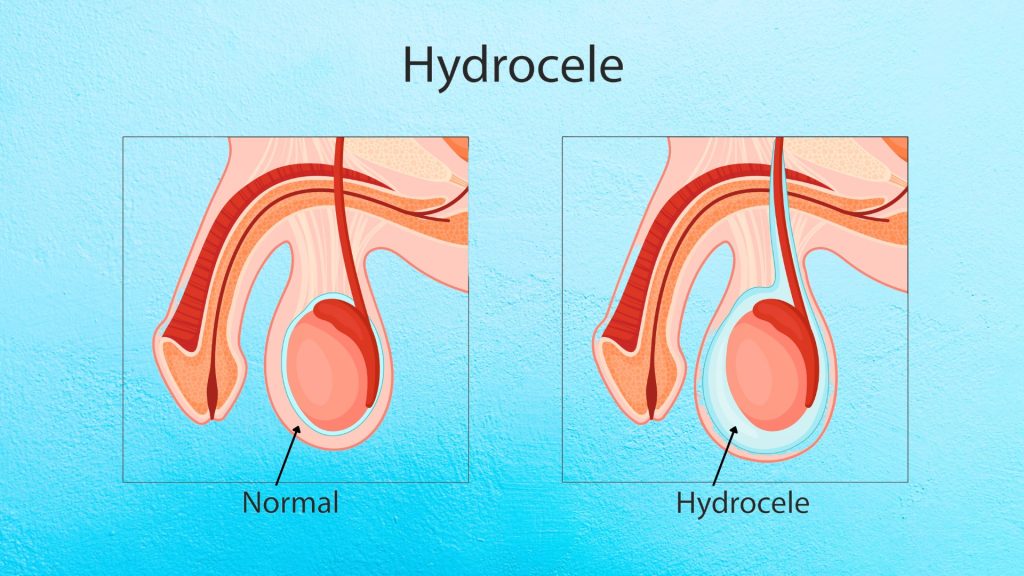
Hydrocele is a condition where fluid collects around the testicle, causing swelling in the scrotum. In early stages, it may feel soft and painless. Over time, the swelling can increase, create heaviness, and cause discomfort while walking, sitting, or working. Many men ignore hydrocele because it does not hurt initially. However, adult hydrocele usually does not permanently resolve on its own. When it grows or becomes uncomfortable, surgery becomes the most reliable long-term solution.
At Shirdi Sai Hospital, hydrocele treatment begins with proper diagnosis, confirmation through ultrasound, and selection of a safe surgical method when required. The goal is to provide permanent correction with predictable recovery.
Quick Summary
Hydrocele treatment is advised when scrotal swelling is persistent, increasing, uncomfortable, or interfering with routine life. The definitive treatment is hydrocele surgery called hydrocelectomy. It is a short procedure performed under anesthesia, usually with same-day discharge. Most patients return to light routine within a few days and recover fully within a few weeks.
What Is a Hydrocele?
A hydrocele is a buildup of clear fluid in the thin sac surrounding the testicle. This causes enlargement of one or both sides of the scrotum. The swelling is usually smooth and not hard. It may feel heavier by the end of the day, especially after standing for long hours.
Hydrocele is common and treatable. The most important step is confirming that the swelling is truly hydrocele and not hernia, infection, or another testicular condition.
Why Does Hydrocele Develop?
In adults, hydrocele develops when the body produces more fluid around the testicle than it absorbs. Sometimes it follows inflammation or minor trauma. Sometimes it appears gradually without a clear trigger.
Common causes include:
- Inflammation of the testicle or surrounding structures
- Past infection
- Minor groin injury
- Post-surgical fluid accumulation
- Idiopathic causes where no clear reason is identified
Understanding the cause helps rule out serious underlying conditions.
What Are the Symptoms of Hydrocele?
The primary symptom is scrotal swelling. Other common symptoms include:
- Heaviness in the scrotum
- Dragging sensation while walking
- Gradual increase in size
- Discomfort while sitting
- Cosmetic concern or anxiety
Hydrocele is usually painless. If pain is present, further evaluation is necessary.
Can Hydrocele Go Away Without Surgery?
In children, hydrocele may sometimes resolve naturally. In adults, long-standing hydrocele usually does not permanently resolve without surgical correction. Swelling may fluctuate slightly but often returns if the sac continues producing fluid.
Is Hydrocele Dangerous?
Hydrocele itself is usually not dangerous. However, it can mask other conditions such as hernia, infection, or rarely a testicular issue. Large hydroceles can also interfere with daily comfort and mobility. Proper diagnosis ensures safe management.
How Is Hydrocele Diagnosed?
Diagnosis typically includes:
- Clinical examination
- Ultrasound scan to confirm fluid collection
- Assessment of testicular health
Ultrasound is essential to rule out hernia, varicocele, or testicular masses before planning treatment.
How Is Hydrocele Different from Hernia or Varicocele?
Condition | Nature | Key Feature |
Hydrocele | Fluid collection | Smooth swelling, usually painless |
Hernia | Intestinal protrusion | Swelling increases with coughing or straining |
Varicocele | Dilated veins | Dull ache, feels like enlarged veins |
Correct diagnosis ensures the right treatment approach.
When Is Hydrocele Surgery Required?
Surgery is recommended when:
- Swelling increases in size
- Heaviness affects walking or work
- There is persistent discomfort
- Cosmetic concern is significant
- Diagnosis confirms persistent hydrocele
In adults, surgery provides the most reliable long-term correction.
What Are the Treatment Options for Hydrocele?
Observation
Small hydroceles without discomfort may be monitored. Regular follow-up is important.
Needle Aspiration
Fluid may be removed temporarily using a needle. However, recurrence is common. This is not a permanent solution in most adult cases.
Hydrocelectomy (Surgical Treatment)
Hydrocelectomy is the definitive procedure. The fluid is drained and the sac is corrected to prevent recurrence. This offers permanent relief in most patients.
What Happens During Hydrocele Surgery?
Hydrocelectomy is performed under anesthesia.
Steps include:
- Small incision in scrotum or groin area
- Fluid drainage
- Correction or removal of the fluid sac
- Closure of incision
The procedure usually takes less than one hour.
Is Hydrocele Surgery Painful?
Anesthesia prevents pain during surgery. After surgery, mild discomfort and swelling are common for a few days. This is controlled with medication and supportive garments.
How Long Does Recovery Take After Hydrocele Surgery?
Recovery timeline:
First 2–3 days
Mild swelling and discomfort. Rest is advised.
First 1–2 weeks
Swelling gradually reduces. Light routine can resume.
3–4 weeks
Most patients return to full activity.
Complete healing depends on hydrocele size and individual recovery.
What Are the Benefits of Hydrocele Surgery?
Hydrocelectomy provides:
- Permanent reduction of swelling
- Relief from heaviness
- Improved comfort during walking
- Reduced anxiety about scrotal lump
- Low recurrence rate
Patients often notice clear improvement after healing.
Can Hydrocele Affect Fertility?
Hydrocele usually does not directly affect fertility. However, very large hydroceles may require evaluation to rule out associated issues. Ultrasound confirms testicular health before surgery.
What Are the Risks of Hydrocele Surgery?
Hydrocele surgery is generally safe. Possible risks include:
- Temporary swelling
- Mild bruising
- Minor bleeding
- Infection (uncommon with proper care)
- Rare recurrence
Following post-operative instructions reduces complications.
When Should You Seek Immediate Care?
Consult urgently if:
- Sudden severe pain occurs
- Swelling becomes red or very tender
- Fever develops
- Swelling becomes hard
These symptoms may indicate infection or another urgent condition.
When to Consult Shirdi Sai Hospital
If you are experiencing persistent scrotal swelling in Bangalore near New BEL Road, early consultation helps confirm diagnosis and guide treatment. Timely surgery prevents discomfort from becoming a long-term issue.
Frequently Asked Questions
Is hydrocele surgery necessary for every hydrocele?
No. Small, stable hydroceles without discomfort can be monitored.
How long does hydrocele surgery take?
Usually under one hour.
Will hydrocele come back after surgery?
Recurrence is uncommon when hydrocelectomy is performed properly.
Is hydrocele surgery done as day care?
Many patients are discharged the same day after observation.
When can I return to work?
Light work can resume within a few days. Heavy activity after a few weeks as advised.
Is hydrocele always painless?
Usually yes, but pain may occur if infection or another condition is present.
Conclusion
Hydrocele is common and treatable. While early swelling may seem harmless, persistent or increasing hydrocele often requires surgical correction for permanent relief. Proper diagnosis and structured treatment ensure safe recovery and long-term comfort.
At Shirdi Sai Hospital, hydrocele treatment focuses on accurate diagnosis, safe surgery, and predictable recovery, helping patients return to normal life with confidence.