- +91-8088511289
- MAIL US
- BANGALORE, INDIA
TURP Surgery (Prostate Operation): Procedure, Recovery & Safety
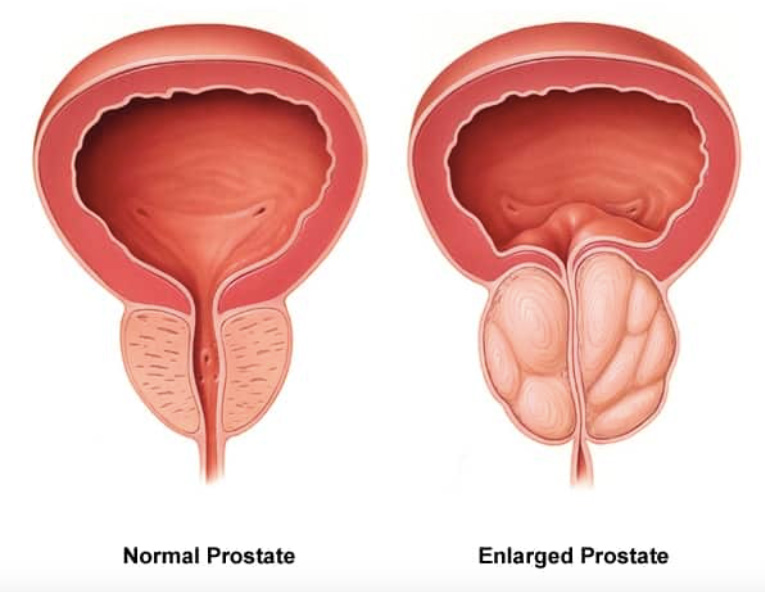
TURP surgery, or Transurethral Resection of the Prostate, is a commonly performed procedure to treat urinary problems caused by an enlarged prostate. It is recommended when medicines no longer relieve symptoms or when urine flow becomes significantly obstructed.
Many Indian men delay treatment because they assume frequent urination, weak stream, or night-time bathroom visits are “normal with age.” However, when these symptoms begin affecting sleep, daily routine, or bladder health, surgical intervention may provide long-term relief.
This page explains when TURP is needed, how it works, recovery time, safety, risks, and what patients can realistically expect.
Quick Summary
TURP surgery is advised when:
- Urine flow is severely reduced
- Medicines are not effective
- There is urinary retention
- Recurrent urine infections occur
- Bladder stones develop due to obstruction
It is performed without external cuts and removes excess prostate tissue blocking urine flow.
What Is TURP Surgery?
TURP stands for Transurethral Resection of the Prostate.
In this procedure:
- A thin instrument is inserted through the urethra.
- No external incision is made.
- Excess prostate tissue is shaved away.
- Urine passage becomes wider.
The surgery focuses on improving urine flow and relieving obstruction caused by benign prostate enlargement (BPH).
It does not remove the entire prostate. Only the obstructing portion is removed.
When Is TURP Surgery Needed?
Not every enlarged prostate requires surgery. TURP is usually recommended when symptoms become moderate to severe.
Signs Surgery May Be Required
- Persistent weak urine stream
- Incomplete bladder emptying
- Frequent urination at night (more than 3–4 times)
- Sudden inability to pass urine
- Recurrent urinary tract infections
- Blood in urine due to prostate enlargement
- Bladder stones caused by obstruction
If medicines like alpha-blockers or 5-alpha reductase inhibitors fail to provide relief, surgery becomes the next step.
Why Do Many Patients in India Delay TURP?
Common reasons include:
- Fear of surgery
- Concern about sexual function
- Belief that symptoms are age-related
- Misinformation from non-medical sources
However, untreated obstruction can gradually damage bladder muscles and, in severe cases, affect kidney function.
Early surgical correction often results in better long-term outcomes.
How Is TURP Surgery Performed?
Step-by-Step Explanation
- Anesthesia is given (usually spinal anesthesia).
- A resectoscope is inserted through the urethra.
- A small electrical loop removes excess prostate tissue.
- Bleeding points are sealed.
- A temporary catheter is placed to drain urine.
There are no external stitches.
The procedure usually takes 60–90 minutes depending on prostate size.
What Happens After TURP Surgery?
Immediately after surgery:
- A urinary catheter remains in place for 1–3 days.
- Mild blood in urine may be seen initially.
- Hospital stay is typically short.
Patients are encouraged to:
- Drink fluids
- Avoid heavy lifting
- Prevent straining
Urine flow improvement is often noticeable after catheter removal.
Recovery Timeline After TURP
First Week
- Mild burning during urination
- Slight blood in urine
- Fatigue
2–4 Weeks
- Urine flow stabilizes
- Frequency gradually reduces
- Energy levels improve
4–6 Weeks
- Return to normal routine
- Heavy physical activity allowed
Most patients resume office work within 1–2 weeks.
Benefits of TURP Surgery
- Long-term symptom relief
- Improved urine stream
- Reduced night urination
- Lower risk of urinary retention
- Better sleep quality
- Reduced bladder strain
TURP has been performed for decades and remains a gold-standard procedure for BPH management.
Are There Risks Involved?
Like any surgery, TURP carries some risks.
Possible complications include:
- Temporary urinary burning
- Mild bleeding
- Urinary urgency
- Retrograde ejaculation (common but harmless)
- Rare infection
- Rare need for repeat procedure after many years
Serious complications are uncommon when performed by experienced surgeons.
Every patient’s recovery is different. Proper follow-up ensures safe healing.
Does TURP Affect Sexual Function?
This is one of the most common concerns.
TURP does not usually affect:
- Erectile function
- Sexual desire
However, many patients experience retrograde ejaculation, where semen flows backward into the bladder instead of out through the penis.
This does not affect pleasure but may affect fertility.
Patients should discuss concerns openly before surgery.
Is TURP Better Than Laser Prostate Surgery?
Both are effective procedures.
TURP:
- Time-tested
- Widely available
- Effective for moderate enlargement
Laser surgery:
- May cause less bleeding
- Often preferred in high-risk patients
The choice depends on prostate size, patient health, and surgeon recommendation.
What Happens If TURP Is Not Done When Required?
Ignoring severe obstruction may lead to:
- Acute urinary retention
- Kidney strain
- Recurrent infections
- Bladder damage
- Emergency catheterization
Surgery in emergency situations is usually more stressful than planned surgery.
When to Consult Your Doctor
You should seek evaluation if:
- Urine flow becomes progressively weaker
- You wake multiple times every night to urinate
- You cannot pass urine suddenly
- There is repeated infection
- Medicines are not working
If you are consulting a hospital in Bangalore, especially around New BEL Road or North Bangalore, early surgical evaluation helps avoid emergency complications.
Frequently Asked Questions
- Is TURP a major surgery?
TURP is considered a minimally invasive surgery as it is done without external cuts. - How long does TURP surgery take?
The procedure usually takes about 60–90 minutes. - How many days is hospital stay after TURP?
Most patients stay in hospital for 1–3 days. - Will I need a catheter after surgery?
Yes. A catheter is usually kept for a short duration to help healing. - Can prostate grow again after TURP?
In some cases, tissue regrowth may occur after many years, but most patients experience long-lasting relief. - Is TURP painful?
The surgery is performed under anesthesia. Mild discomfort during recovery is manageable. - What is the right age for TURP surgery?
There is no fixed age. Surgery depends on symptom severity, not age alone.
Conclusion
TURP surgery remains one of the most reliable and effective procedures for treating urinary obstruction caused by enlarged prostate. When medications fail or symptoms begin affecting quality of life, surgical correction provides lasting relief.
Timely decision-making prevents bladder damage, improves sleep, and restores comfort in daily life.
Men experiencing persistent urinary symptoms should not ignore early signs. Proper evaluation and planned treatment lead to better outcomes and smoother recovery.