- +91-8088511289
- MAIL US
- BANGALORE, INDIA
Circumcision Surgery in Bangalore – Safe and Advanced Treatment at Shirdi Sai Hospital
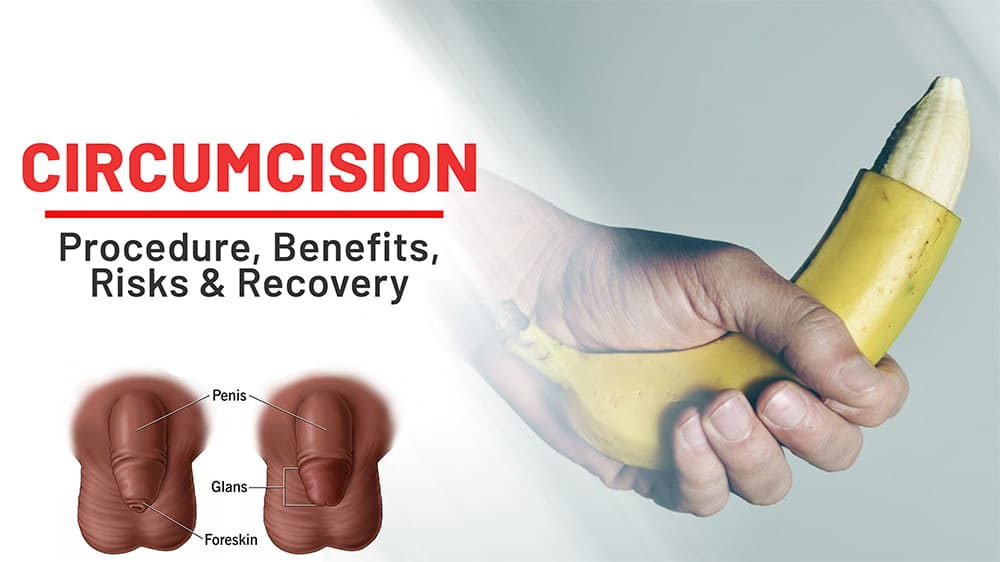
Circumcision is a surgical procedure in which the foreskin covering the head of the penis is removed. While some circumcisions are done for cultural or religious reasons, many are performed for medical conditions such as tight foreskin, recurrent infections, pain during erection, or hygiene difficulty. At Shirdi Sai Hospital, circumcision surgery is performed using safe, structured surgical techniques designed to reduce discomfort and promote faster healing. The focus is on patient safety, proper diagnosis, and long-term relief.
Quick Overview
Circumcision surgery may be required when there is tight foreskin, recurrent infections, painful erection, difficulty maintaining hygiene, or foreskin-related complications. The procedure is usually short, safe, and performed under appropriate anesthesia. Most patients return home the same day.
What Is Circumcision?
Circumcision is the removal of the foreskin, which is the fold of skin covering the tip of the penis. In some individuals, the foreskin retracts easily. In others, it becomes tight or infected, leading to discomfort and complications. When conservative treatment fails, surgery provides a permanent solution.
When Is Circumcision Medically Required?
Circumcision is advised in the following conditions:
- Tight foreskin (Phimosis)
• Painful erection due to tight skin
• Recurrent balanitis or infection
• Paraphimosis (foreskin stuck behind the head)
• Recurrent urinary infections due to hygiene issues
• Diabetic patients with recurrent foreskin infections
If the foreskin cannot retract properly, urine flow may be affected and hygiene becomes difficult. Early surgical correction prevents repeated discomfort.
Symptoms That Indicate the Need for Surgery
Common symptoms include difficulty retracting foreskin, pain while passing urine, swelling, redness, foul discharge, repeated infection, pain during sexual activity, and foreskin cracking or bleeding. If these symptoms continue despite creams or medication, surgical treatment becomes necessary.
Types of Circumcision Procedures
Modern circumcision techniques focus on safety, precision, and cosmetic outcome.
Conventional Circumcision
In this method, the foreskin is surgically removed using standard surgical instruments. Stitches are placed and healing usually occurs within a few weeks.
Stapler Circumcision
A circular stapler device removes foreskin and places sutures simultaneously. It may reduce operative time and bleeding. Recovery is generally quick.
Laser Circumcision
Laser energy is used to remove the foreskin with minimal bleeding. This technique is precise and may reduce swelling.
The choice of technique depends on the patient’s condition and surgeon assessment.
What Happens During Circumcision Surgery?
The procedure is performed under local or regional anesthesia depending on patient comfort. The foreskin is carefully removed, bleeding is controlled, and sutures are placed if required. The surgery usually takes less than one hour. Most patients are discharged on the same day.
Recovery After Circumcision
Recovery is usually smooth with proper care. First few days: mild swelling and discomfort
Within 1 week: gradual healing
Within 3 to 4 weeks: complete recovery in most cases
Patients are advised to avoid strenuous activity and maintain hygiene. Medication helps control discomfort and prevent infection.
Is Circumcision Painful?
With modern anesthesia techniques, pain during surgery is minimal. Mild discomfort may occur during recovery but is manageable with medication.
Benefits of Circumcision
- Permanent relief from tight foreskin
- Reduced risk of repeated infections
- Improved hygiene
- Reduced discomfort during erection
- Prevention of future foreskin complications
For diabetic patients especially, early treatment prevents recurrent infection episodes.
Risks and Complications
Circumcision is generally safe. Possible risks include mild swelling, temporary pain, minor bleeding, or infection. Serious complications are rare when performed in a structured medical setup. Proper follow-up reduces risk further.
Who Should Consider Circumcision?
Men experiencing tight foreskin, repeated infection, pain during erection, or foreskin swelling should seek evaluation. Patients with diabetes and recurrent balanitis are also advised early surgical consultation.
When to Consult Shirdi Sai Hospital
If you are facing foreskin tightness, infection, or pain and are located in Bangalore near New BEL Road, early consultation helps prevent worsening of symptoms. Structured surgical correction ensures long-term relief and improved hygiene.
Conclusion
Circumcision surgery is a safe and effective solution for tight foreskin and recurrent infections. When symptoms interfere with hygiene or comfort, timely surgical correction prevents complications and improves quality of life. At Shirdi Sai Hospital, circumcision treatment is performed with patient safety and long-term outcomes as priority. Early consultation ensures faster recovery and permanent relief.