- +91-8088511289
- MAIL US
- BANGALORE, INDIA
Urethral Stricture Treatment in Bangalore – Safe and Effective Surgical Correction at Shirdi Sai Hospital
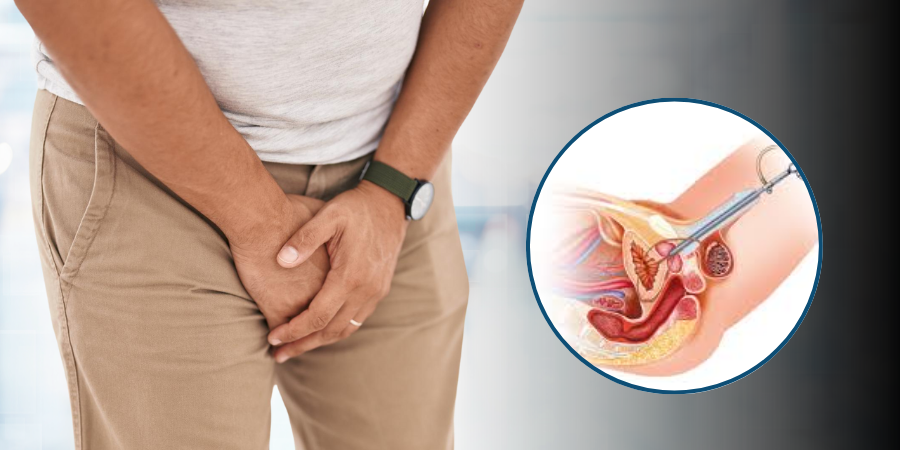
Urethral stricture is a condition where the urine passage becomes narrowed due to scar tissue. This narrowing blocks normal urine flow and can cause difficulty in urination, weak stream, straining, incomplete emptying, or repeated urine infections. Many patients ignore early symptoms assuming it is just temporary urinary weakness, but untreated urethral stricture can gradually worsen and may even lead to urinary retention or kidney complications. At Shirdi Sai Hospital, we provide structured evaluation and surgical correction for urethral stricture using modern endoscopic and reconstructive techniques. The goal is simple: restore normal urine flow, prevent recurrence, and protect long-term bladder and kidney health.
Quick Overview
Urethral stricture treatment may require surgery when urine flow is persistently weak, urine retention occurs, infections keep returning, or catheterization becomes necessary. Endoscopic procedures or reconstructive urethroplasty can permanently correct the narrowing depending on severity.
What Is Urethral Stricture?
The urethra is the tube that carries urine from the bladder to outside the body. When scar tissue forms inside this tube, the passage becomes narrow. This narrowing restricts urine flow and increases pressure inside the bladder. Over time, the bladder muscle becomes strained and incomplete emptying becomes common. Urethral stricture can affect men more frequently because of the longer urethral length. However, it can occur in women as well, though less commonly.
What Causes Urethral Stricture?
Scar tissue develops for several reasons. Common causes include previous catheter insertion, prior prostate or urinary surgery, pelvic injury, sexually transmitted infections, repeated urinary infections, trauma to the genital area, and instrumentation procedures. Sometimes the cause may not be clearly identified. In many Indian patients, a history of catheter placement or untreated infection is a common background factor.
Symptoms of Urethral Stricture
Symptoms usually develop gradually and may worsen over time. Common symptoms include weak urine stream, spraying of urine, straining while passing urine, feeling that bladder is not emptying fully, frequent urination, pain during urination, blood in urine, and repeated urine infections. In advanced cases, complete urinary retention may occur, requiring emergency catheterization. If urine flow reduces significantly, back pressure may affect kidney function.
When Is Surgery Required for Urethral Stricture?
Not all strictures need immediate surgery. However, surgical treatment becomes necessary when urine flow is severely reduced, infections are frequent, catheter is repeatedly required, or bladder function is at risk. Repeated dilation without definitive correction often leads to recurrence. Therefore, proper assessment helps determine whether minimally invasive endoscopic treatment or definitive reconstructive surgery is needed. Early surgical correction prevents long-term complications.
How Is Urethral Stricture Diagnosed?
Diagnosis begins with symptom evaluation and physical examination. Doctors may advise uroflowmetry to measure urine flow rate, ultrasound to assess residual urine, retrograde urethrogram imaging to identify narrowing location, and cystoscopy to directly visualize the stricture using a small camera. Accurate mapping of the stricture length and location is essential to decide the appropriate procedure.
Types of Urethral Stricture Treatment
Treatment depends on stricture length, location, and recurrence history. The main surgical options include endoscopic internal urethrotomy and urethroplasty.
Endoscopic Internal Urethrotomy
In this minimally invasive procedure, a small camera is inserted through the urethra and the scar tissue is carefully incised to widen the passage. It is usually suitable for short strictures. Hospital stay is short and recovery is relatively quick. However, recurrence risk is higher if the stricture is long or previously treated multiple times.
Urethroplasty (Reconstructive Surgery)
For longer or recurrent strictures, urethroplasty offers a more permanent solution. In this procedure, the narrowed segment is either removed and rejoined or reconstructed using tissue grafts. Though it is more extensive than endoscopic treatment, it provides higher long-term success rates and lower recurrence.
What Happens During Urethroplasty?
The procedure is performed under anesthesia. The narrowed section is carefully identified and corrected. Depending on length, either excision with primary anastomosis or graft-based reconstruction is performed. A catheter is placed temporarily to allow healing. Hospital stay may range from one to three days depending on recovery.
Recovery After Urethral Stricture Surgery
Recovery depends on the type of surgery performed. For endoscopic procedures, patients usually resume normal routine within a few days. After urethroplasty, recovery may take a few weeks. The catheter is typically removed after healing is confirmed. Adequate hydration and follow-up visits are important to ensure proper healing. Most patients experience improved urine flow and reduced symptoms after successful surgery.
Success Rate of Urethral Stricture Surgery
Success rate varies depending on stricture length and prior treatment history. Endoscopic procedures may have moderate success for short strictures, while urethroplasty provides high long-term success, especially in recurrent or long strictures. Proper surgical planning significantly improves outcomes.
Risks and Possible Complications
All surgeries carry some risk. Possible complications include temporary urinary discomfort, bleeding, infection, recurrence of narrowing, or urinary retention. Severe complications are uncommon when performed by experienced surgical teams. Regular follow-up reduces the chance of unnoticed recurrence.
What Happens If Urethral Stricture Is Ignored?
Ignoring urethral stricture may lead to repeated urinary infections, bladder damage, kidney pressure, urinary retention, and emergency catheterization. Chronic obstruction weakens bladder muscle and may cause long-term complications. Early intervention prevents progressive damage.
Who Should Seek Treatment?
Patients experiencing persistent weak stream, straining during urination, repeated infections, or prior catheter-related complications should seek evaluation. Men who have undergone prostate surgery and notice gradual urine flow reduction should also be assessed for possible narrowing.
When to Consult Shirdi Sai Hospital
If you are experiencing difficulty passing urine, repeated infections, or reduced urine stream in Bangalore near New BEL Road, timely consultation can prevent worsening of the condition. Early diagnosis and structured surgical correction restore normal urinary function and reduce long-term risks.
Frequently Asked Questions
Can urethral stricture be cured permanently?
Yes, especially with urethroplasty which provides long-term correction in most cases.
Is urethral stricture surgery painful?
Discomfort is manageable and controlled with medication.
How long is hospital stay after surgery?
Endoscopic procedures usually require a short stay, while urethroplasty may require slightly longer observation.
Can urethral stricture come back after surgery?
Recurrence is possible but is lower with reconstructive urethroplasty.
Is a catheter required after surgery?
Yes, a catheter is placed temporarily to allow proper healing of the urethra.
Conclusion
Urethral stricture is a treatable condition that should not be ignored. When urine flow reduces or infections keep recurring, structured evaluation is essential. Modern surgical techniques allow safe correction and long-term relief. At Shirdi Sai Hospital, urethral stricture treatment focuses on restoring natural urine flow, preventing recurrence, and protecting kidney health. Early intervention ensures better outcomes and improved quality of life.