- +91-8088511289
- MAIL US
- BANGALORE, INDIA
Varicocele Treatment in Bangalore: Symptoms, Surgery and Recovery at Shirdi Sai Hospital
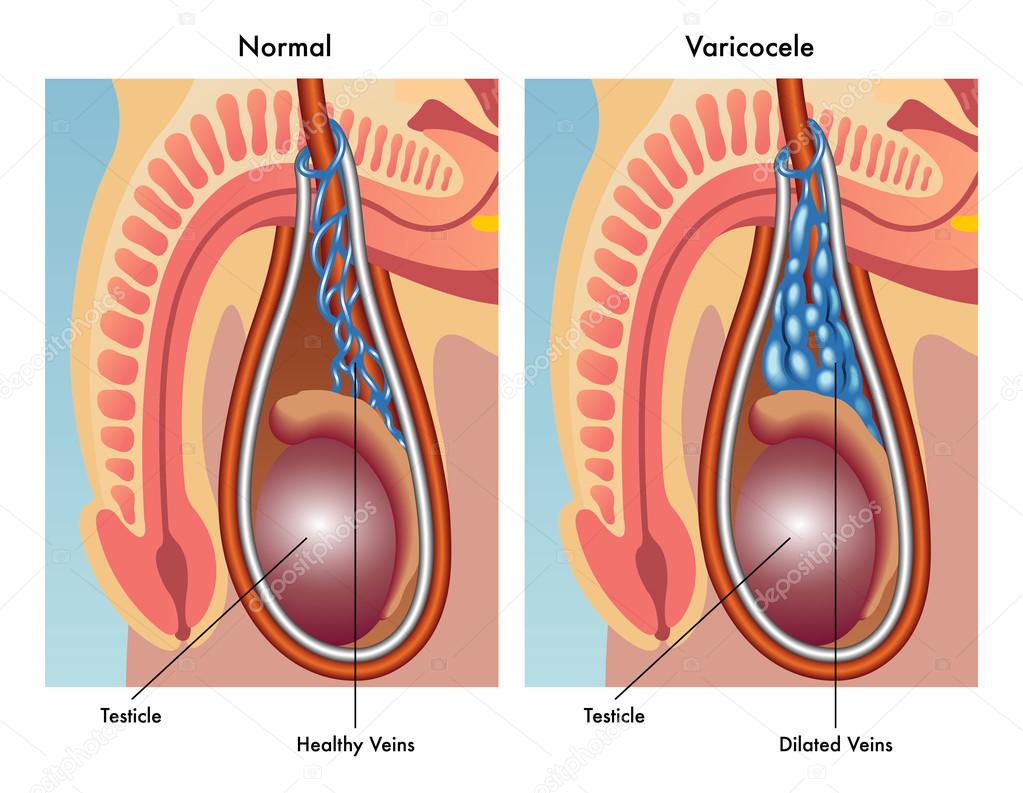
Varicocele is a condition where veins inside the scrotum become enlarged due to improper blood flow. Many men describe it as a heavy, dragging sensation in the testicle, especially after standing for long hours. Some notice swelling. Others discover it only during fertility evaluation. While varicocele is common and often harmless in early stages, untreated cases can lead to persistent discomfort and, in some men, reduced sperm quality.
At Shirdi Sai Hospital, varicocele treatment begins with proper diagnosis and grading. The goal is simple: confirm severity, assess symptoms, evaluate fertility concerns if present, and recommend the most appropriate treatment when necessary.
Quick Summary
Varicocele is enlarged scrotal veins caused by backward blood flow. Mild cases may not require treatment. Surgery is recommended when there is persistent pain, testicular shrinkage, or fertility issues. Varicocele surgery improves blood circulation and reduces symptoms.
What Is Varicocele?
Varicocele occurs when veins inside the scrotum become dilated due to faulty valves. These veins are responsible for draining blood from the testicles. When valves do not function properly, blood pools in the veins, causing enlargement.
It is similar to varicose veins seen in the legs, but located around the testicle. Varicocele most commonly affects the left side due to anatomical reasons.
Why Does Varicocele Develop?
The exact cause is usually related to valve malfunction inside the veins. When these valves fail to regulate one-way blood flow, blood accumulates and enlarges the veins.
Common contributing factors include:
- Congenital valve weakness
- Increased abdominal pressure
- Prolonged standing
- Heavy physical strain
In most cases, varicocele develops gradually and may go unnoticed for years.
What Are the Symptoms of Varicocele?
Some men have no symptoms. Others experience:
- Dull aching pain in the scrotum
- Heaviness, especially by evening
- Visible enlarged veins
- Testicular shrinkage in advanced cases
- Fertility-related concerns
Pain often increases after standing for long hours and reduces when lying down.
How Is Varicocele Graded?
Doctors classify varicocele into grades:
Grade 1: Small, detectable only on straining
Grade 2: Palpable without straining
Grade 3: Visible enlarged veins
Grading helps determine whether treatment is necessary.
Can Varicocele Affect Fertility?
Yes, in some men. Varicocele can increase temperature around the testicle and affect sperm production. Not all men with varicocele face fertility problems. However, in men being evaluated for infertility, varicocele is commonly found.
Treatment may improve sperm parameters in selected cases.
When Is Varicocele Treatment Required?
Treatment is recommended when:
- Persistent scrotal pain affects routine life
- Testicle shows size reduction
- Fertility evaluation indicates poor sperm parameters
- Varicocele is high grade and symptomatic
If there are no symptoms and fertility is not affected, monitoring may be advised.
How Is Varicocele Diagnosed?
Diagnosis includes:
- Physical examination
- Scrotal ultrasound to confirm vein dilation
- Doppler study to assess blood flow
- Semen analysis when fertility is a concern
Ultrasound confirms the condition and rules out other causes of scrotal swelling.
What Are the Treatment Options for Varicocele?
Observation
Mild cases without symptoms may not require surgery.
Medication
Pain relief medication may temporarily reduce discomfort but does not correct the underlying vein problem.
Varicocele Surgery (Varicocelectomy)
Surgical correction is the definitive treatment. It involves tying off the enlarged veins to redirect blood flow through healthy veins.
What Happens During Varicocele Surgery?
Varicocelectomy is performed under anesthesia.
Steps include:
- Small incision in lower abdomen or groin
- Identification of enlarged veins
- Ligation (tying off) of abnormal veins
- Preservation of artery and lymphatic channels
- Closure of incision
The procedure usually takes less than one hour.
Is Varicocele Surgery Painful?
Anesthesia prevents pain during surgery. After surgery, mild soreness may occur for a few days and is manageable with medication.
How Long Does Recovery Take?
Recovery timeline:
First 2–3 days: Mild discomfort and swelling
1–2 weeks: Light routine activities resume
3–4 weeks: Return to full physical activity
Most patients resume desk jobs within a few days.
What Are the Benefits of Varicocele Surgery?
Surgery can:
- Reduce scrotal pain
- Improve blood circulation
- Prevent further testicular shrinkage
- Potentially improve sperm quality in selected cases
- Improve comfort during prolonged standing
Results depend on individual condition and severity.
What Are the Risks of Varicocele Surgery?
Varicocele surgery is generally safe. Possible risks include:
- Temporary swelling
- Minor bleeding
- Infection
- Recurrence in rare cases
- Fluid collection (hydrocele)
Following post-operative advice reduces complications.
Can Varicocele Come Back After Surgery?
Recurrence is uncommon when surgery is performed correctly. Proper identification and ligation of veins reduce recurrence risk.
Does Varicocele Always Need Surgery?
No. Many men live with small, painless varicocele without needing intervention. Surgery is only recommended when symptoms or fertility issues are present.
What Happens If Varicocele Is Left Untreated?
Untreated varicocele may:
- Cause persistent discomfort
- Lead to gradual testicular shrinkage
- Affect sperm quality in some men
Early evaluation helps prevent long-term effects.
How Is Varicocele Different From Hydrocele?
Feature | Varicocele | Hydrocele |
Nature | Enlarged veins | Fluid collection |
Pain | Dull ache common | Usually painless |
Feel | Bag of worms texture | Smooth swelling |
Fertility impact | Possible | Rare |
Correct diagnosis ensures proper treatment selection.
When Should You Seek Medical Attention?
Consult a doctor if you experience:
- Persistent testicular pain
- Visible vein enlargement
- Fertility concerns
- Testicular size change
Early consultation ensures accurate grading and proper planning.
Varicocele Treatment at Shirdi Sai Hospital
If you are experiencing symptoms in Bangalore near New BEL Road, evaluation at Shirdi Sai Hospital includes examination, ultrasound confirmation, grading, and discussion of appropriate treatment options. The focus is on safe correction, symptom relief, and long-term comfort.
Frequently Asked Questions
Is varicocele dangerous?
Varicocele is usually not dangerous but may cause discomfort or fertility issues in some men.
Can varicocele cause infertility?
It can affect sperm quality in some individuals.
How long does varicocele surgery take?
Typically under one hour.
Is hospital stay required?
Many patients are discharged the same day.
When can normal activities resume?
Light activities within a few days, heavy exercise after a few weeks.
Can varicocele return after surgery?
Recurrence is uncommon when performed properly.
Conclusion
Varicocele is a common condition that can remain mild or progress to cause discomfort and fertility concerns. Proper diagnosis, grading, and timely surgical correction when necessary provide long-term relief and improved comfort.