- +91-8088511289
- MAIL US
- BANGALORE, INDIA
Double J (DJ) Stent Placement: Why It Is Done and What to Expect
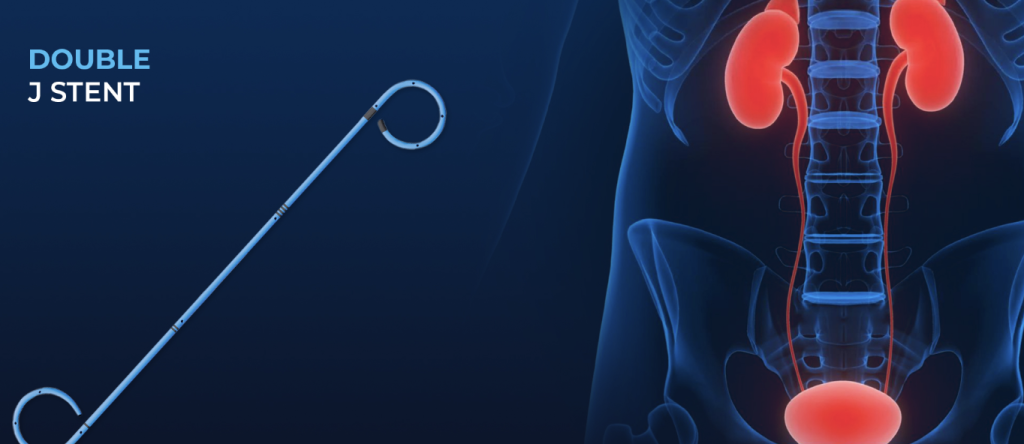
A Double J stent, commonly called a DJ stent, is a thin, flexible tube placed inside the ureter to help urine flow from the kidney to the bladder. Doctors use it when a blockage, swelling, infection, or stone prevents normal drainage.
If you have been told that you need a DJ stent, you may feel anxious. Many patients worry about pain, movement restrictions, or long-term dependence. This guide explains why a DJ stent is placed, how the procedure is done, what you may feel afterward, and when to seek medical advice.
What Is a DJ Stent?
A DJ stent is a soft plastic tube with a curl at both ends. One curl stays inside the kidney and the other inside the bladder. These curves prevent the stent from moving.
Its main purpose is simple:
It keeps the urine pathway open.
Why Is a DJ Stent Needed?
Doctors usually place a DJ stent in the following situations:
- Kidney stones: When a stone blocks the ureter and causes pain, swelling, or infection.
- After stone removal procedures: Such as URSL, RIRS, or PCNL, to allow healing and smooth urine drainage.
- Ureteric swelling: After surgery or due to inflammation.
- Infections with obstruction: To relieve pressure urgently.
- Stricture or narrowing of ureter: To maintain patency.
In many kidney stone treatments, stenting is not optional. It prevents complications such as kidney damage or severe infection.
How Is DJ Stent Placement Done?
The procedure is usually done under spinal or general anesthesia.
Steps include:
- A thin camera called a cystoscope is passed through the urinary passage.
- The ureter is identified.
- The stent is gently guided into position.
- Both ends curl automatically to secure placement.
There are no external cuts. It is a minimally invasive procedure.
Most patients go home the same day or the next day.
How Long Does a DJ Stent Stay Inside?
This depends on the reason for placement.
- After simple stone removal: 1-3 weeks
- After complex surgery: 4-6 weeks
- In specific conditions: Longer duration under supervision
A DJ stent should never be forgotten. Delayed removal can cause infection or stone formation on the stent.
What Symptoms Can You Feel With a DJ Stent?
Some symptoms are common and expected:
- Mild burning while passing urine
- Increased frequency of urination
- Blood-tinged urine occasionally
- Flank discomfort during urination
These usually reduce over time.
Symptoms vary from person to person. Mild discomfort is common, but severe pain or fever needs medical review.
Can You Work or Travel With a DJ Stent?
Most patients can:
- Walk normally
- Resume light work within a few days
- Travel short distances
However, heavy lifting and strenuous exercise should be avoided until removal.
When to Consult Your Doctor Urgently
Seek medical attention if you experience:
- Fever with chills
- Severe flank pain
- Persistent vomiting
- Heavy bleeding in urine
- Inability to pass urine
These may indicate infection or stent displacement.
If you are consulting a hospital in Bangalore, especially around Jayadeva or South Bangalore, timely evaluation can prevent complications.
Is DJ Stent Removal Painful?
Removal is usually quick.
It is performed using a small camera through the urinary passage. The process takes only a few minutes. Mild discomfort may be felt, but it is generally well tolerated.
Are There Any Risks?
DJ stent placement is considered safe. Possible but uncommon risks include:
- Infection
- Stent migration
- Encrustation if left too long
- Bladder irritation
Regular follow-up prevents most complications.
Conclusion
A DJ stent is not a permanent implant. It is a temporary support system that protects the kidney while the underlying issue heals or is treated.
Understanding why it is placed and what to expect reduces fear and improves recovery. Early follow-up and timely removal are key to avoiding complications.
If you are experiencing urinary blockage symptoms or have been advised a stent placement, consulting a qualified urologist ensures safe and appropriate care.