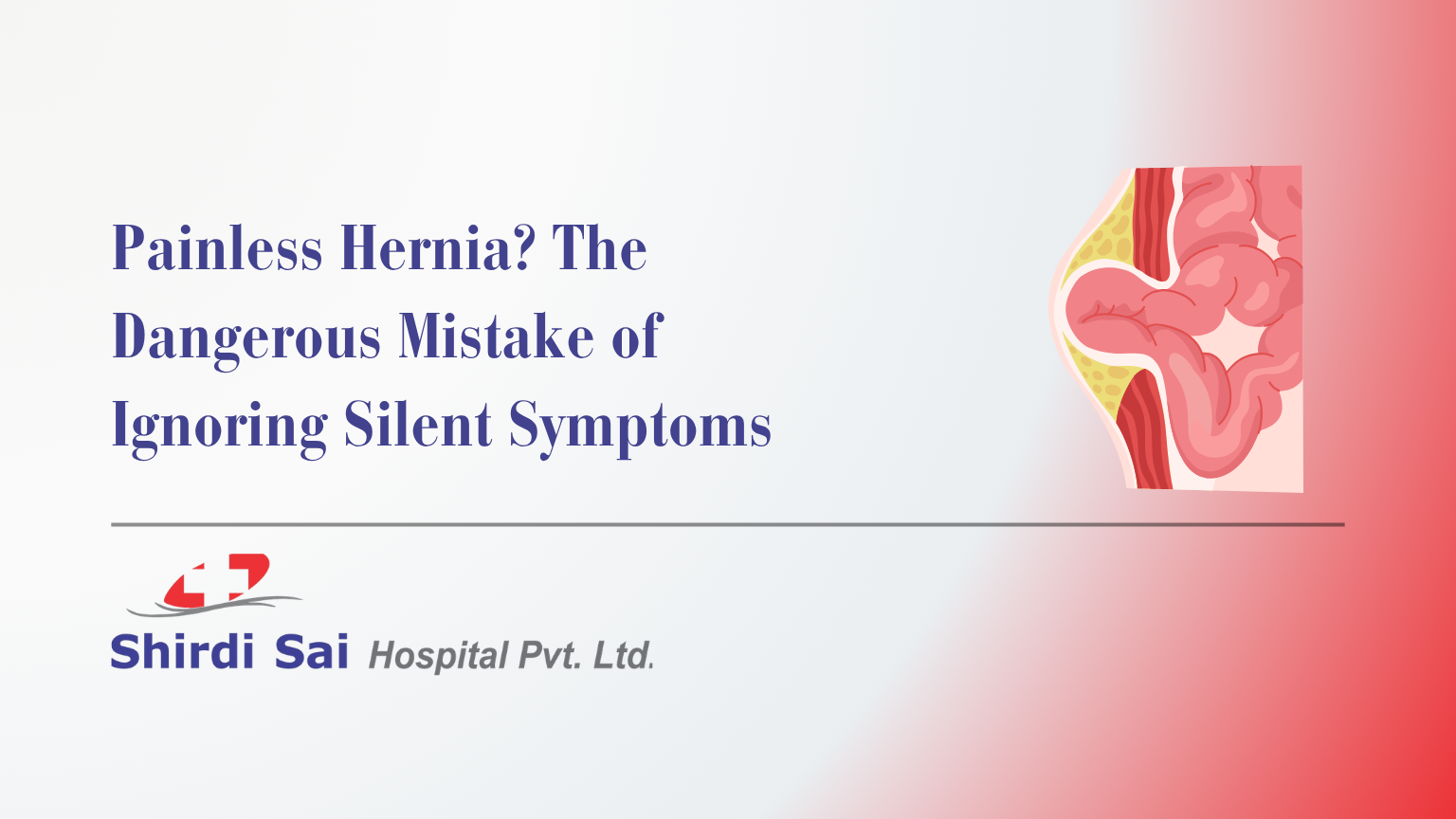
A hernia does not always cause pain. In many cases, people notice a small swelling or bulge in the abdomen or groin without any discomfort and assume it is harmless. This is one of the most common and dangerous mistakes. A painless hernia can still grow, weaken surrounding muscles, and lead to complications if left untreated.
At Shirdi Sai Hospital, we often see patients who delayed consultation because there was no pain initially. Over time, the hernia increased in size and required more complex treatment. This guide explains what a painless hernia means, why it should not be ignored, early warning signs, and when medical evaluation becomes necessary.
What Is a Hernia and Can It Be Painless?
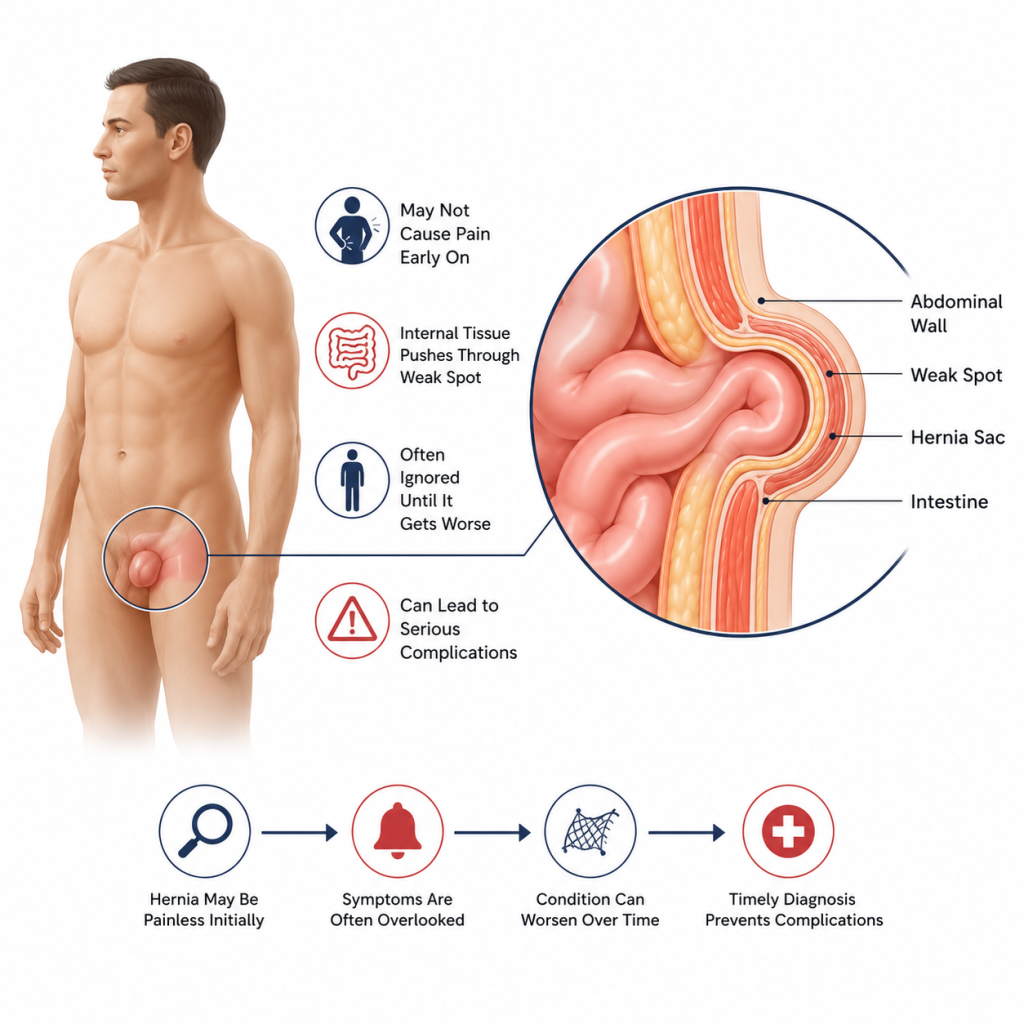
A hernia occurs when an internal organ or tissue pushes through a weak area in the surrounding muscle or tissue wall. This can happen in the abdomen, groin, or around previous surgical sites.
Yes, a hernia can be painless, especially in early stages. The absence of pain does not mean the condition is safe.
Common areas where hernia appears:
Groin (inguinal hernia)
Upper thigh (femoral hernia)
Abdomen (ventral or incisional hernia)
Around the belly button (umbilical hernia)
A painless hernia is often noticed as:
a soft swelling
a bulge that appears when standing or coughing
a lump that reduces when lying down
Why a Painless Hernia Is Often Ignore
Many people delay treatment because:
there is no pain
swelling is small
it comes and goes
daily activities are not affected
This leads to a false sense of safety. Over time, the hernia may enlarge, making treatment more complicated.
A hernia without pain is still a structural weakness and does not heal on its own.
What Causes a Hernia Without Pain?
A hernia develops due to pressure and muscle weakness. Pain depends on nerve involvement and tissue stress. In early stages, there may be minimal irritation, so pain is absent.
Common causes include:
lifting heavy weights
chronic coughing
constipation and straining
obesity
previous abdominal surgery
weak abdominal muscles
aging-related muscle weakness
Types of Painless Hernia You Should Know
Inguinal Hernia (Most Common)
Occurs in the groin area. Often painless initially and noticed as a bulge while standing or lifting.
Umbilical Hernia
Seen near the belly button. Common in both adults and children. May not cause pain in early stages.
Incisional Hernia
Develops at the site of previous surgery due to weakened tissue.
Femoral Hernia
Less common but more risky. Often painless initially but has a higher chance of complications.
Early Signs of a Silent Hernia
Even without pain, the body shows warning signs:
visible or noticeable swelling
heaviness in the abdomen or groin
bulge increasing with activity
swelling disappearing on lying down
mild discomfort after long standing
These signs indicate that the muscle wall is weakening further.
When a Painless Hernia Becomes Dangerous
A hernia can become serious when complications develop.
Hernia Enlargement
The opening in the muscle becomes bigger, allowing more tissue to push through.
Obstruction
Intestinal contents may get stuck inside the hernia sac, causing digestive problems.
When Should You See a Doctor for a Painless Hernia?
Do not wait for pain.
Consult a doctor if:
you notice any swelling in abdomen or groin
swelling increases in size
discomfort appears after activity
hernia does not reduce easily
symptoms persist for weeks
Early consultation helps prevent complications and simplifies treatment.
Frequently Asked Questions
Can a hernia be painless?
Yes, especially in early stages. Many hernias do not cause pain initially but still require medical attention.
Is a painless hernia dangerous?
It can become dangerous if ignored, as it may grow or lead to complications like obstruction or strangulation.
Can a hernia go away on its own?
No. Hernias do not heal naturally and usually require surgical treatment.
When should I worry about a hernia?
You should be concerned if the swelling increases, becomes painful, or is associated with symptoms like vomiting or inability to pass stool.
What happens if a hernia is not treated?
It may enlarge, become painful, or lead to complications requiring emergency surgery.
Is hernia surgery safe?
Yes, hernia surgery is commonly performed and generally safe when done at the right time.
Conclusion
A painless hernia is often overlooked because it does not cause immediate discomfort. However, ignoring early signs can lead to serious complications over time. Any swelling or bulge in the abdomen or groin should be evaluated, even if it does not hurt.
At Shirdi Sai Hospital, early diagnosis and timely treatment help reduce risks and ensure better recovery outcomes. If you notice symptoms of a hernia, do not wait for pain to start before seeking medical advice.
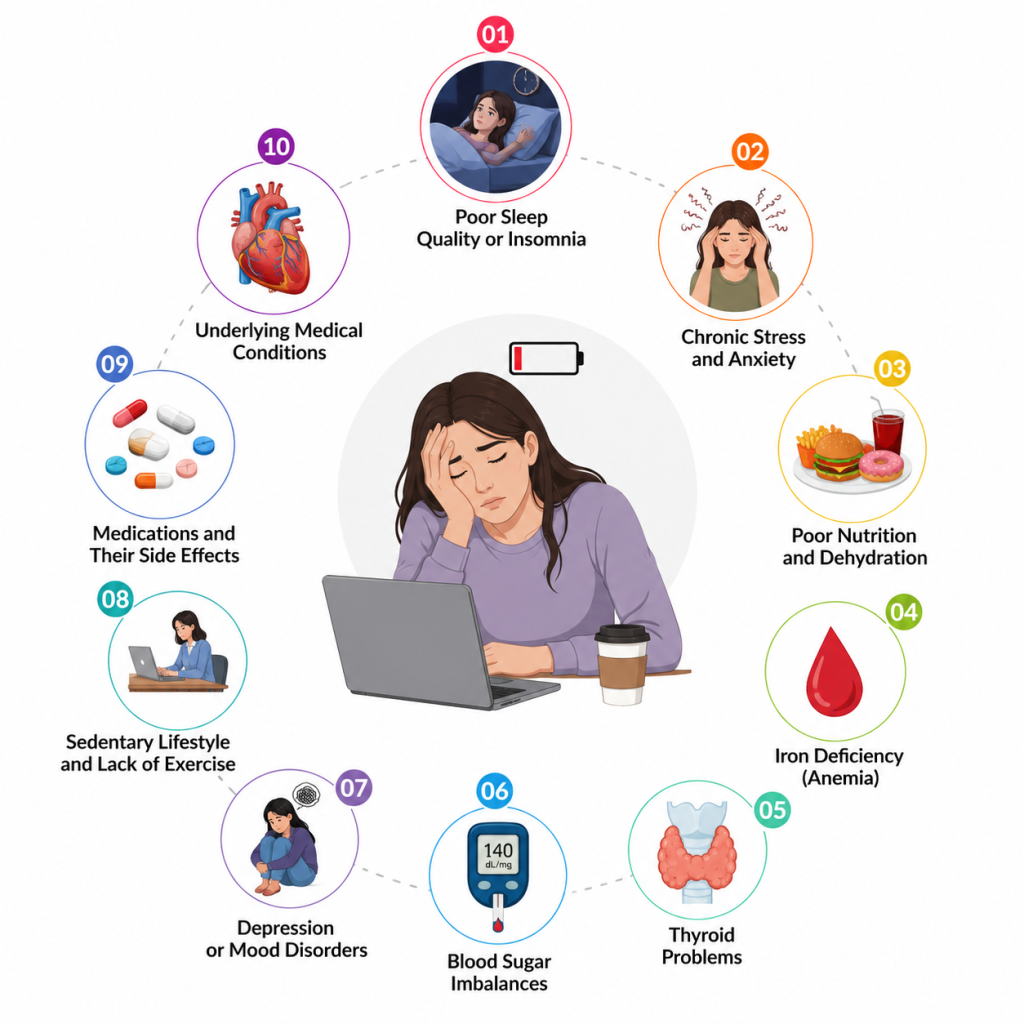
Feeling tired all the time is not always caused by poor sleep. Persistent tiredness can happen due to lifestyle factors, nutritional deficiencies, stress, infections, anemia, thyroid disorders, diabetes, sleep problems, or other medical conditions. If fatigue continues even after rest, affects daily work, or comes with symptoms like dizziness, weight change, poor appetite, breathlessness, or body weakness, it needs proper medical evaluation.
At Shirdi Sai Hospital, New BEL Road, we evaluate fatigue as a clinical symptom, not just as “normal tiredness.” Many patients from Devasandra, RMV 2nd Stage, Mathikere, Sanjaynagar, Hebbal, and nearby areas visit with constant tiredness, weakness, low stamina, or reduced daily energy. This guide explains the common reasons for feeling tired all the time, what symptoms to watch for, and when to consult a doctor.
What Does It Mean to Feel Tired All the Time?
Feeling tired all the time means your body or mind is not recovering properly even after rest. It can feel like low energy, sleepiness, weakness, lack of focus, or reduced stamina throughout the day.
This type of fatigue is different from normal tiredness after work, travel, exercise, or a busy day. Normal tiredness improves with rest. Persistent fatigue continues, returns frequently, or interferes with daily life.
Common signs include:
feeling exhausted after waking up
low energy through the day
difficulty concentrating
heaviness in the body
reduced interest in routine activities
weakness after small tasks
frequent need to rest
poor work or study performance
Persistent fatigue should not be ignored when it affects daily routine or comes with other symptoms.
Why Am I Always Tired Even After Sleeping?
Feeling tired even after sleeping usually means sleep quantity and sleep quality are not the same. A person may sleep for enough hours but still wake up tired if the sleep is disturbed, irregular, or not deep enough.
Common reasons include:
late-night screen use
irregular sleep timing
frequent waking at night
snoring or breathing difficulty during sleep
stress-related sleep disturbance
caffeine intake late in the day
sleep apnea or other sleep disorders
If tiredness continues after regular sleep, the cause may not be sleep alone. Anemia, thyroid disorders, diabetes, vitamin deficiencies, depression, chronic stress, and infections can also cause fatigue even after rest.
Why Do I Feel Tired All Day for No Clear Reason?
Feeling tired all day without an obvious reason can happen when the body is dealing with an internal imbalance. This may include low hemoglobin, low vitamin levels, thyroid imbalance, blood sugar changes, ongoing infection, dehydration, poor diet, or mental stress.
Many people ignore fatigue because they assume it is due to work pressure. However, when tiredness becomes constant, it is important to check whether the body is getting enough oxygen, nutrients, sleep, hydration, and hormonal balance.
The cause should be evaluated if tiredness is:
present daily
not improving with rest
affecting work or home activities
linked with dizziness or weakness
associated with appetite or weight changes
Common Lifestyle Reasons for Feeling Tired All the Time
Lifestyle factors are one of the most common reasons for tiredness. However, they should not be assumed as the only reason if fatigue continues.
Poor Sleep Routine
Irregular sleep timing affects recovery. Late-night phone use, shift work, and sleeping at different times every day can disturb the body’s natural sleep rhythm.
High Stress
Stress uses mental energy continuously. People with high work pressure, financial stress, family stress, or emotional strain often feel tired even without heavy physical activity.
Long Sitting Hours
A sedentary routine can reduce energy levels. Sitting for long hours without movement can make the body feel heavy, stiff, and inactive.
Low Physical Activity
Lack of movement affects stamina. Light daily activity supports circulation, muscle function, mood, and energy.
Poor Diet Quality
Skipping meals, eating very little protein, relying on tea and snacks, or eating mostly refined carbohydrates can lead to unstable energy levels.
Dehydration
Low fluid intake can cause tiredness, headache, dizziness, and reduced concentration.
Excess Screen Time
Long screen exposure, especially at night, can affect sleep and increase mental fatigue.
Why Fatigue Is Common in Urban Indian Routines
In many Indian urban routines, fatigue is linked to a combination of work pressure, irregular meals, travel stress, screen exposure, and poor sleep habits. Many people start the day with tea or coffee, skip breakfast, eat late meals, and sit for long hours.
Common patterns include:
long office hours
long commuting time
frequent tea or coffee intake
late dinners
reduced outdoor activity
low sunlight exposure
high screen exposure
irregular meal timing
weekend sleep imbalance
These habits can contribute to tiredness. However, if fatigue is frequent or severe, medical causes must also be checked.
Medical Reasons for Constant Fatigue
Persistent fatigue can be a symptom of an underlying medical condition. This is the most important reason not to ignore tiredness when it continues.
Anemia
Anemia means the body does not have enough healthy red blood cells or hemoglobin to carry oxygen properly. This can cause tiredness, dizziness, breathlessness, pale skin, headache, and low stamina.
Common causes include iron deficiency, vitamin B12 deficiency, chronic blood loss, or other medical conditions.
Thyroid Disorders
An underactive thyroid can slow body functions and cause tiredness, weight gain, dry skin, constipation, cold intolerance, and low mood. Thyroid imbalance needs blood testing and medical treatment.
Diabetes
High or unstable blood sugar levels can cause tiredness, increased thirst, frequent urination, blurred vision, and weight changes. Fatigue after meals or constant tiredness can be linked to blood sugar imbalance.
Vitamin B12 Deficiency
Vitamin B12 deficiency can cause fatigue, weakness, numbness or tingling, memory issues, and poor concentration. It is more common in people with low dietary intake, absorption issues, or certain long-term medication use.
Vitamin D Deficiency
Vitamin D deficiency can contribute to body pain, muscle weakness, low energy, and tiredness. It is commonly seen in people with limited sun exposure.
Infections
Viral infections, urinary infections, respiratory infections, and other ongoing infections can cause fatigue. Fever may not always be high, but the body can still feel weak while fighting infection.
Sleep Disorders
Sleep apnea and other sleep disorders can cause daytime tiredness even after a full night’s sleep. Loud snoring, choking during sleep, morning headache, and daytime sleepiness are important signs.
Mental Health Conditions
Anxiety, depression, chronic stress, and burnout can cause constant tiredness, low motivation, poor sleep, body heaviness, and reduced concentration. These symptoms need proper evaluation, not judgment.
Chronic Medical Conditions
Heart, kidney, liver, autoimmune, and long-term inflammatory conditions can also cause fatigue. This is why persistent tiredness needs a structured medical history and basic evaluation.
Lifestyle Fatigue vs Medical Fatigue
Symptom Pattern
More Likely Linked To
What To Do
Tired after heavy work or travel
Normal physical tiredness
Rest, hydration, regular meals
Tired even after sleep
Poor sleep quality or medical issue
Review sleep and consider evaluation
Fatigue with dizziness
Anemia, dehydration, blood pressure issue
Medical assessment and blood tests
Fatigue with weight gain
Thyroid disorder, lifestyle factors
Thyroid evaluation if persistent
Fatigue with frequent urination
Blood sugar imbalance
Blood sugar testing
Fatigue with poor appetite
Infection, nutritional issue, other illness
Doctor consultation
Fatigue with breathlessness
Anemia, heart/lung issue, other causes
Prompt medical evaluation
Fatigue with numbness or tingling
Vitamin B12 deficiency or nerve-related issue
Medical evaluation
This comparison helps separate ordinary tiredness from fatigue that needs attention.
What Causes Sudden Fatigue and Weakness?
Sudden fatigue and weakness can occur due to dehydration, low food intake, fever, infection, low blood sugar, low blood pressure, heavy exertion, poor sleep, or acute illness.
Possible causes include:
not eating for long hours
vomiting or loose stools
fever or infection
dehydration
blood sugar changes
sudden stress or anxiety
overexertion
poor sleep the previous night
Sudden fatigue should be checked urgently if it comes with chest pain, breathing difficulty, fainting, confusion, severe dizziness, weakness on one side of the body, or very high fever.
Symptoms That Should Not Be Ignored With Fatigue
Fatigue becomes more concerning when it appears with other symptoms.
Consult a doctor if tiredness is associated with:
dizziness
breathlessness
chest discomfort
unexplained weight loss
unexplained weight gain
frequent fever
poor appetite
repeated infections
swelling in legs
excessive thirst
frequent urination
numbness or tingling
severe body pain
poor concentration
low mood for many days
These symptoms can help doctors identify whether fatigue is related to anemia, thyroid imbalance, diabetes, infection, nutritional deficiency, sleep disorder, or another medical condition.
What Tests Are Commonly Done for Constant Fatigue?
The required tests depend on symptoms, age, medical history, examination findings, and risk factors. Doctors do not recommend the same tests for everyone.
Commonly considered tests may include:
complete blood count to check hemoglobin and infection markers
thyroid function test
blood sugar test
vitamin B12 level
vitamin D level
liver and kidney function tests
urine test if urinary symptoms are present
infection-related tests if fever or body pain is present
Testing should be decided after medical consultation. Self-selecting random tests without clinical guidance can miss the actual cause.
How Doctors Evaluate Constant Fatigue
At a hospital, fatigue evaluation starts with understanding the pattern, duration, associated symptoms, lifestyle, sleep, diet, and medical history.
Doctors usually assess:
how long fatigue has been present
whether it improves with rest
sleep quality
eating pattern
weight changes
fever or infection symptoms
menstrual history in women
medication history
diabetes or thyroid history
stress and mood symptoms
hydration and activity level
This structured approach helps identify whether the tiredness is lifestyle-related, nutritional, hormonal, metabolic, infection-related, or linked to another condition.
How to Improve Energy Levels Naturally
Lifestyle correction can support better energy, especially when fatigue is linked to routine, diet, hydration, or sleep. However, persistent fatigue still needs evaluation if it does not improve.
Maintain a Regular Sleep Schedule
Sleep and wake up at consistent times. Reduce screen use before bed and avoid heavy meals late at night.
Eat Balanced Meals
Include protein, vegetables, fruits, whole grains, and healthy fats in appropriate portions. Avoid long gaps between meals.
Add Protein to Daily Food
Dal, eggs, paneer, curd, pulses, fish, chicken, nuts, and seeds can support strength and recovery when included properly.
Stay Hydrated
Drink water through the day. Increase fluids during fever, sweating, loose stools, or hot weather.
Move Daily
Walking, stretching, or light activity improves circulation and reduces sluggishness.
Reduce Excess Tea and Coffee
Tea and coffee can temporarily improve alertness but should not replace sleep, food, or hydration.
Manage Stress
Stress management through routine, rest, breathing practices, counselling, or medical support can help when mental fatigue is present.
Why Patients Choose Shirdi Sai Hospital for Fatigue Evaluation
At Shirdi Sai Hospital, New BEL Road, fatigue is evaluated with a focus on identifying the cause instead of giving only temporary symptom relief. Constant tiredness can come from many systems in the body, so proper assessment matters.
Patients choose Shirdi Sai Hospital for fatigue-related evaluation because:
doctors assess fatigue through symptoms, history, and clinical examination
evaluation can include common causes such as anemia, thyroid issues, diabetes, infections, and nutritional deficiencies
care is suitable for adults, elderly patients, and people with ongoing weakness
advice includes medical treatment, diet correction, hydration, sleep, and lifestyle guidance
the hospital is accessible for patients from Devasandra, RMV 2nd Stage, Mathikere, Sanjaynagar, Hebbal, and nearby New BEL Road areas
This approach helps patients understand whether fatigue is due to lifestyle patterns or an underlying condition that needs treatment.
When to Consult a Doctor for Constant Fatigue
You should consult a doctor if fatigue:
lasts for more than one to two weeks
does not improve with sleep and rest
affects daily work, study, or home responsibilities
comes with dizziness or breathlessness
comes with unexplained weight loss or weight gain
occurs with fever, night sweats, or repeated infections
occurs with excessive thirst or frequent urination
occurs with poor appetite or ongoing weakness
affects elderly people, pregnant women, or people with known chronic illness
If you are consulting a hospital in Bangalore, especially around New BEL Road and nearby areas, early evaluation helps identify the root cause and prevents delay in treatment.
Frequently Asked Questions
Why do I feel tired all the time even after sleep?
Feeling tired even after sleep can happen due to poor sleep quality, stress, anemia, thyroid imbalance, diabetes, vitamin deficiency, or sleep disorders. If it continues, medical evaluation is recommended.
What deficiency causes constant fatigue?
Iron deficiency, vitamin B12 deficiency, and vitamin D deficiency are commonly linked with fatigue. A doctor may suggest blood tests based on symptoms and medical history.
Can dehydration cause fatigue?
Yes. Dehydration can cause tiredness, dizziness, headache, poor concentration, and weakness. Fluid intake becomes especially important during fever, loose stools, vomiting, or hot weather.
Is constant fatigue serious?
Occasional tiredness is common. Constant fatigue becomes important when it does not improve with rest, affects daily routine, or comes with symptoms like dizziness, weight change, breathlessness, fever, or poor appetite.
Why do I feel tired without doing anything?
Tiredness without activity can happen due to poor sleep, stress, low hemoglobin, thyroid issues, blood sugar imbalance, vitamin deficiency, infection, or low physical activity.
What tests are needed for fatigue?
Doctors may advise tests such as complete blood count, thyroid function test, blood sugar test, vitamin B12, vitamin D, liver function, kidney function, or urine tests depending on symptoms.
When should I worry about fatigue?
You should seek medical advice if fatigue continues for more than one to two weeks, worsens, affects daily activity, or appears with dizziness, breathlessness, fever, weight change, poor appetite, or repeated infections.
Conclusion
Feeling tired all the time is not something to dismiss as laziness or routine stress. While poor sleep, dehydration, low physical activity, and irregular eating habits can cause fatigue, persistent tiredness can also point to anemia, thyroid disorders, diabetes, vitamin deficiencies, infections, sleep disorders, or other health concerns.
At Shirdi Sai Hospital, New BEL Road, fatigue is evaluated through a structured medical approach so the underlying reason can be identified. If tiredness is frequent, worsening, or affecting daily life, timely consultation can help guide the next step safely.
Fever and weakness reduce appetite, energy, and hydration. The most effective approach is simple: take fluids, soft foods, and light protein that are easy to digest and can be consumed in small, frequent portions. This helps maintain energy without stressing digestion and supports faster recovery.
At Shirdi Sai Hospital, we see many patients rely only on medicines while under-eating or staying dehydrated, which delays recovery. This guide explains what to eat during fever and weakness, what to avoid, and when symptoms need medical evaluation.
What Happens to the Body During Fever
During fever, the body uses more energy to fight infection. Appetite drops, fluid loss increases, and digestion slows. This is why heavy meals feel uncomfortable and why hydration and light nutrition matter more than quantity.
Recovery improves when food is simple, frequent, and supported by adequate fluids.
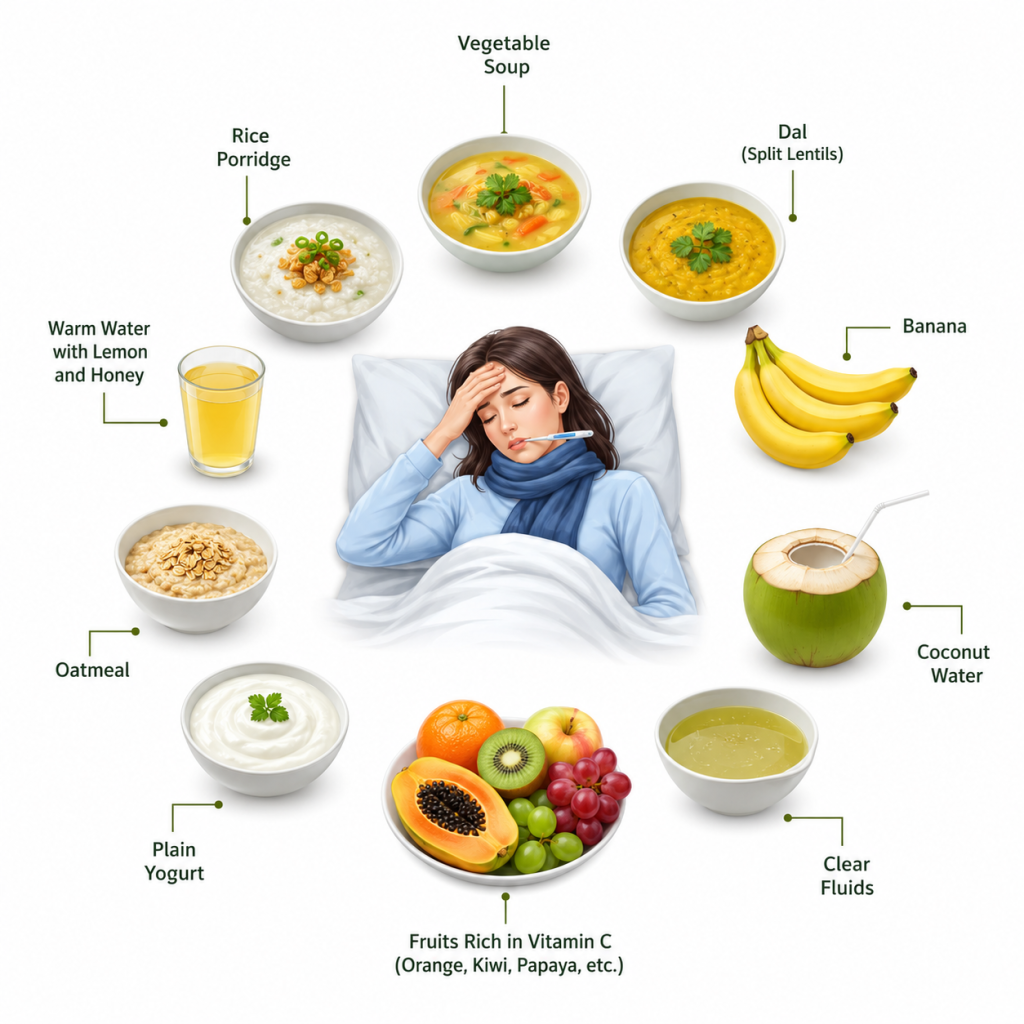
What to Eat During Fever and Weakness
Focus on hydration first, then soft carbohydrates, followed by light protein.
Fluids (priority)
Water, coconut water, ORS
Clear vegetable or chicken soups
Soft, easy-to-digest foods
Rice, khichdi, idli, porridge
Light dal
Fruits
Banana, papaya, apple (stewed if needed), orange (if tolerated)
Light protein
Dal, curd (if no throat irritation), eggs
Warm options
Soups, light broths, mildly spiced preparations
These choices maintain energy, reduce dehydration, and are easier on the stomach.
What to Eat vs What to Avoid During Fever
Recommended During Fever
Avoid During Fever
Rice, khichdi, idli
Fried foods, pakoras
Light dal, soups
Spicy curries, heavy masala
Banana, papaya, apple
Excess citrus if irritating
Coconut water, ORS
Cold drinks, soda
Eggs, light protein
Processed snacks, junk food
Small frequent meals
Overeating or long gaps
This comparison helps make quick daily choices without confusion.
How to Eat When You Have No Appetite
Loss of appetite is common. Do not force large meals. Instead:
Eat small portions every 2–3 hours
Prioritize fluids and fruits first
Add one light protein source daily
Avoid long gaps without intake
This approach maintains energy without discomfort.
Foods to Avoid During Fever
Avoid anything that slows digestion or increases discomfort:
Fried and oily foods
Spicy, heavy curries
Packaged snacks and instant foods
Carbonated drinks
Excess tea or coffee
Very cold foods or drinks
These can worsen nausea, acidity, and bloating.
What to Eat After Fever for Strength Recovery
As fever settles, gradually increase nutrition:
Rice with dal or vegetables
Eggs or paneer for protein
Fruits twice daily
Curd (if tolerated)
Nuts in small quantities
Do not jump back to heavy meals immediately. Recovery improves with a gradual return to normal eating.
Common Mistakes That Delay Recovery
Skipping meals completely
Drinking very little water
Depending only on medicines
Eating heavy meals as soon as appetite returns
Consuming packaged juices instead of real fluids
These habits prolong weakness and slow healing.
Diet Tips for Children and Elderly
Children
Small, frequent feeds
Soft foods and fruits
Regular fluids
Elderly
Easy-to-chew meals
Consistent hydration
Short gaps between meals
In both groups, appetite and hydration must be monitored closely.
Why Patients Choose Shirdi Sai Hospital for Fever Care
Shirdi Sai Hospital focuses on identifying the cause of fever, not just reducing temperature.
Patients prefer this approach because:
Evaluation is based on symptoms, duration, and overall condition
Care includes hydration, nutrition, and recovery guidance
Suitable for children, adults, and elderly patients
Practical advice for home care along with treatment
Location access (approximate distances):
Devasandra (New BEL Road): within ~0.5–1 km
RMV 2nd Stage: ~2–3 km
Mathikere: ~3–4 km
Sanjaynagar: ~2–3 km
Hebbal: ~4–5 km
This makes timely consultation easier for nearby residents.
When to Consult Your Doctor
Seek medical advice if you have:
Fever lasting more than 2–3 days
Very high temperature
Severe weakness or dizziness
Vomiting or inability to eat
Signs of dehydration
Persistent cough or infection
If you are in Bangalore, especially around New BEL Road and nearby areas, early evaluation helps identify the cause and speeds up recovery.
FAQs
What is the best food during fever and weakness?
The best foods during fever are light, easy-to-digest options such as rice, khichdi, soups, fruits, and adequate fluids. These help maintain energy levels and support recovery without putting stress on digestion.
Can I eat fruits during fever?
Yes, fruits like banana, papaya, and apple are generally safe during fever. They provide natural energy, hydration, and essential nutrients. Citrus fruits can be taken if they do not cause throat irritation.
What should I drink during fever?
It is important to stay well hydrated. Water, coconut water, oral rehydration solutions (ORS), and clear soups are commonly recommended to prevent dehydration and support recovery.
Is milk good during fever?
Milk can be consumed if it is well tolerated and does not cause discomfort. In some individuals, it may feel heavy, so lighter foods are usually preferred during active fever.
Can I eat normal food during fever?
Heavy, oily, and spicy foods are best avoided during fever. Light meals should be taken initially, and normal food can be gradually reintroduced as appetite improves.
What helps reduce weakness after fever?
Weakness after fever can improve with adequate nutrition, including protein-rich foods such as dal, eggs, or paneer, along with fruits, vegetables, and sufficient fluid intake.
When should I consult a doctor for fever?
Medical consultation is advised if fever lasts more than 2–3 days, is very high, or is associated with symptoms such as severe weakness, dehydration, vomiting, or persistent discomfort.
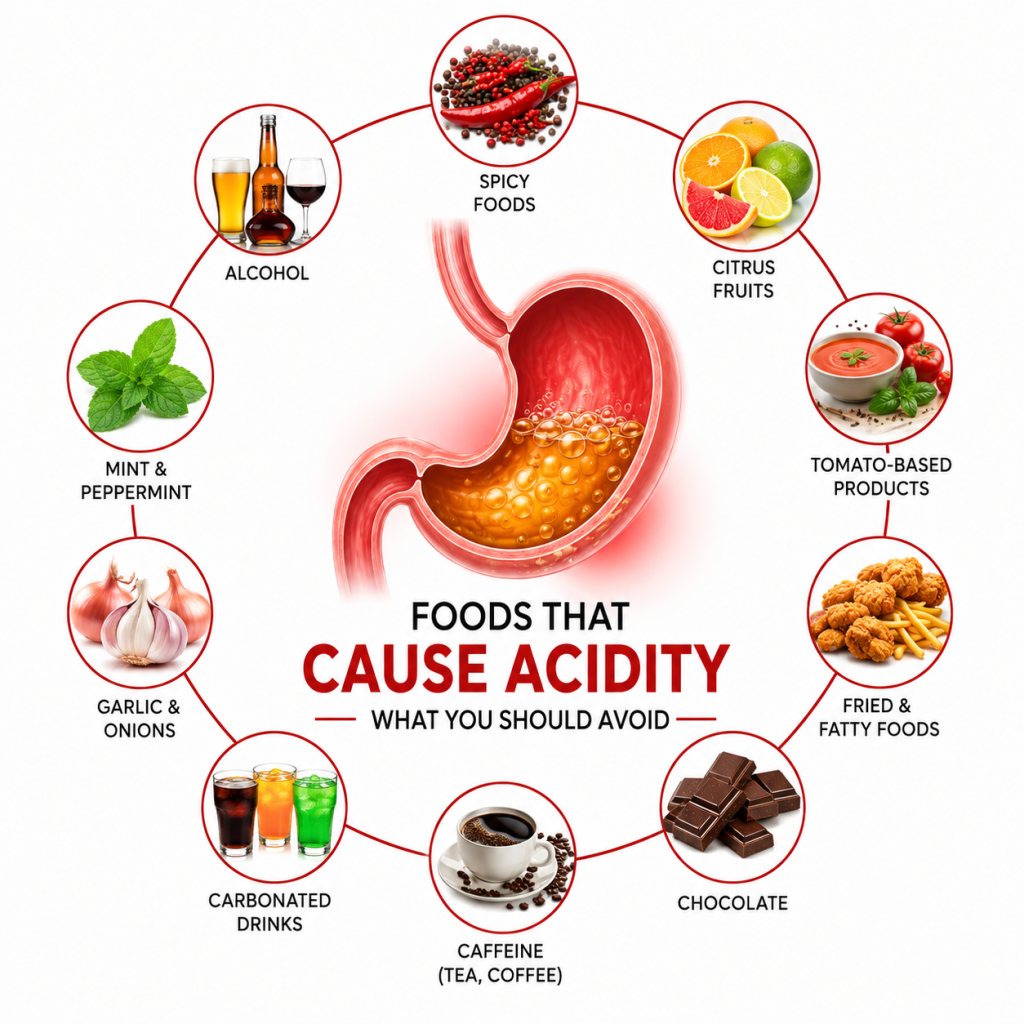
Acidity is most commonly triggered by certain foods and eating habits that increase stomach acid or allow it to flow back into the food pipe. Spicy, oily, processed foods, caffeine, and late-night eating are among the most frequent causes. At Shirdi Sai Hospital, we often see that acidity is not caused by one single food, but by a daily pattern of eating and lifestyle choices. When these triggers continue regularly, symptoms like burning sensation, gas, bloating, and discomfort become more frequent.
For people living around New BEL Road, Devasandra, RMV 2nd Stage, Mathikere, Sanjaynagar, Hebbal, and nearby areas, acidity has become a very common issue due to fast-paced routines, irregular meals, and changing food habits. This guide explains which foods cause acidity, why it happens so often in India, what habits make it worse, and when you should seek medical advice.
What Is Acidity and Why Does Food Trigger It
Acidity occurs when the stomach produces excess acid or when acid flows back into the esophagus, causing irritation. This is often referred to as acid reflux.
Normally, the body has a protective mechanism that keeps stomach acid where it belongs. However, certain foods can weaken this mechanism or increase acid production.
Common triggers include:
foods that are heavy, oily, or spicy
drinks that stimulate acid production
eating patterns that disturb digestion
Not all acidity is caused by food alone. In many cases, a combination of diet, lifestyle, and stress contributes to the problem.
Why Acidity and Gas Are So Common in India
Acidity and gas problems are extremely common in India, not just because of spicy food, but because of how people eat, when they eat, and how their daily routine is structured.
Irregular Eating Habits
Many people skip meals or eat after long gaps. This leads to excess acid buildup in the stomach, which later causes burning and discomfort.
High Spice and Oil Consumption
Indian cooking often includes strong spices and oil. While these are not harmful in moderation, frequent consumption of heavy, oily, and spicy meals can trigger acidity in sensitive individuals.
Excess Tea and Coffee Intake
Drinking multiple cups of tea or coffee, especially on an empty stomach, is one of the most common reasons for acidity and gas.
Junk and Packaged Food Culture
Chips, biscuits, instant noodles, and processed snacks have become part of daily diets. These foods are low in nutrition and can disturb digestion over time.
Eating Fast and Overeating
Eating quickly without proper chewing and consuming large portions puts pressure on digestion and increases the chances of acid reflux.
Stress and Sedentary Lifestyle
Long working hours, lack of movement, and high stress levels directly affect digestion and increase acidity symptoms.
Late Night Eating Habits
Eating dinner very late and lying down soon after eating allows acid to move upward, leading to reflux and discomfort.
Self-Medication Without Diagnosis
Many people repeatedly take antacids without identifying the root cause, which only gives temporary relief while the underlying issue continues.
Top Foods That Cause Acidity You Should Avoid
Understanding which foods trigger acidity can help reduce symptoms significantly.
Spicy and Oily Foods
Fried snacks: Increase acid production and slow digestion
Spicy curries: Can irritate the stomach lining
Street food: Often high in oil and spices
Processed and Packaged Foods
Chips and biscuits: Low nutritional value, high in additives
Instant noodles: Harder to digest regularly
Processed snacks: Can disrupt gut balance
Citrus Fruits and Tomatoes
Oranges and lemons: Naturally acidic
Tomato-based dishes: Can worsen acid reflux in some people
Caffeine-Based Drinks
Tea: Especially strong tea on an empty stomach
Coffee: Can increase acid production
Energy drinks: Highly stimulating for the stomach
Carbonated and Sugary Drinks
Soft drinks: Cause bloating and pressure
Soda: Increases gas and reflux
Chocolate and High-Fat Dairy
Chocolate: Can relax the lower esophageal valve
Cream-based foods: Slow digestion and increase discomfort
Alcohol and Smoking
Alcohol: Increases acid production
Smoking: Weakens digestive control mechanisms
Quick List of Foods That Cause Acidity
fried and oily foods
spicy curries
citrus fruits
tomato-based dishes
coffee and strong tea
carbonated drinks
chocolate
processed snacks
This list is useful for quick reference and helps identify common daily triggers.
Eating Habits That Make Acidity Worse
Acidity is not only about what you eat, but also how you eat.
eating late at night
lying down immediately after meals
skipping meals
overeating
eating too fast
drinking excessive tea or coffee
Even healthy food can cause discomfort if eating habits are not balanced.
Common Symptoms Caused by Acidic Foods
When acidity is triggered frequently, symptoms may include:
burning sensation in the chest (heartburn)
bloating and gas
sour taste in the mouth
nausea
discomfort after meals
heaviness in the stomach
If these symptoms occur repeatedly, it may indicate a deeper digestive issue.
What Foods Help Reduce Acidity
While avoiding trigger foods is important, including the right foods also helps.
bananas
oatmeal
coconut water
plain rice
boiled vegetables
curd (if tolerated)
These foods are generally easier to digest and help maintain balance in the stomach.
Why Choose Shirdi Sai Hospital for Acidity Treatment
At Shirdi Sai Hospital, our approach to acidity and digestive issues focuses on identifying the root cause rather than just controlling symptoms.
Patients choose our hospital because of:
experienced medical team with practical treatment approach
focus on accurate diagnosis before treatment
patient-friendly consultation and clear guidance
structured care for both acute and chronic acidity cases
accessible location for residents around New BEL Road and surrounding areas
We emphasize long-term relief by combining medical treatment with dietary and lifestyle guidance.
When Should You See a Doctor for Acidity
Occasional acidity is common, but repeated symptoms should not be ignored.
Consult a doctor if you experience:
acidity lasting more than a few days
frequent heartburn
difficulty swallowing
severe chest discomfort
recurring bloating and gas
symptoms not improving with diet changes
If you are consulting a hospital in Bangalore, especially around New BEL Road, Devasandra, RMV 2nd Stage, Mathikere, Sanjaynagar, or Hebbal, early evaluation can help prevent complications and provide long-term relief.
Frequently Asked Questions
Which foods cause acidity the most
Spicy foods, fried foods, coffee, carbonated drinks, citrus fruits, and processed snacks are among the most common triggers.
Does coffee increase acidity
Yes, coffee can stimulate acid production, especially when consumed on an empty stomach or in large amounts.
Can spicy food cause acid reflux
Yes, in many individuals, spicy food can irritate the stomach lining and increase reflux symptoms.
What should I avoid during acidity
Avoid oily food, junk food, strong tea or coffee, late-night meals, and large portion sizes.
Which fruits are bad for acidity
Citrus fruits like orange and lemon may trigger acidity in some people, especially if consumed in excess.
Is acidity dangerous if untreated
Occasional acidity is not serious, but frequent untreated acidity can lead to complications like chronic reflux or digestive issues.
Conclusion
Acidity is a common but manageable condition when the right steps are taken early. The key is to identify trigger foods, improve eating habits, and maintain a balanced lifestyle. Avoiding spicy, oily, processed foods and managing meal timing can significantly reduce symptoms.
At Shirdi Sai Hospital, we encourage patients to look beyond temporary relief and focus on long-term digestive health. For people living around New BEL Road and nearby areas such as Devasandra, RMV 2nd Stage, Mathikere, Sanjaynagar, and Hebbal, early consultation can help identify the root cause and provide effective treatment before the condition worsens.
At Shirdi Sai Hospital, we advise patients that improving immunity naturally is not about chasing one miracle fruit, one home remedy, or one trending health drink. The strongest support for immunity usually comes from a balanced daily diet that includes fruits, vegetables, protein-rich foods, nuts, seeds, and gut-friendly foods like curd, along with proper sleep, hydration, and timely medical care when symptoms continue. In simple words, your body stays stronger when it is nourished regularly, not occasionally. For families living around New BEL Road, Devasandra, RMV 2nd Stage, Mathikere, Sanjaynagar, Hebbal, and nearby areas, practical Indian food habits can make a real difference when followed consistently.
Many people start thinking about immunity only after repeated colds, low energy, slow recovery, poor appetite, or frequent seasonal illness. In our day-to-day practice, we often see that people rely heavily on supplements or viral home remedies while ignoring the real issue, which is poor meal balance, low protein intake, poor sleep, dehydration, or delayed medical attention. This blog explains which foods can support immunity naturally, how to include them in an Indian routine, what daily mistakes to avoid, and when repeated illness should be checked by a doctor.
What does it really mean to have “low immunity”
People often use the phrase “low immunity” very casually. In practical terms, it usually means the body is not coping well with repeated infections, poor recovery, weakness, or other health issues as efficiently as it should.
Low immunity may show up as:
repeated colds or throat infections
fever that comes back often
slow recovery after common illness
feeling weak for long periods
poor appetite
low stamina
a child falling sick very frequently
an older person losing strength quickly after illness
At the same time, not every cold or fever means immunity is weak. Sometimes the issue may be stress, poor diet, poor sleep, an underlying medical condition, or repeated exposure to infection. That is why immunity should be looked at practically, not emotionally.
A strong immune system is usually built through steady food habits, daily care, and early medical attention when symptoms keep returning.
Why food matters for immunity
The body needs a regular supply of nutrients to function properly. This includes vitamins, minerals, protein, fibre, and healthy fats in the right balance. When meals are skipped, the diet lacks variety, or most food comes from processed snacks and sugary items, the body may not get what it needs for normal repair and defence.
This is one of the most common patterns we see. A person may say they are “eating enough,” but when their diet is reviewed more closely, it may be low in fruits, low in vegetables, low in protein, and high in tea, biscuits, junk food, or irregular meal timings.
Immunity does not improve because of one food. It improves when the overall quality of eating improves.
Food helps by:
supporting normal body repair
helping maintain strength and energy
improving daily nutrition
supporting gut health
helping the body recover better during and after common illness
That is why a practical, balanced Indian diet is often more useful than expensive products marketed as immunity boosters.
Which nutrients matter most when supporting immunity naturally
Instead of thinking only in terms of “foods,” it helps to think in terms of what those foods give the body.
Vitamin-rich foods
Fruits and vegetables help improve the quality of the diet and support the body’s normal functions. This is why daily fruit and vegetable intake matters.
Protein-rich foods
Protein is essential for strength, repair, and recovery. People who eat fruit but do not eat enough dal, eggs, paneer, pulses, fish, or other protein sources may still feel weak.
Gut-friendly foods
Simple foods like curd can help support gut balance. Since overall health and digestion are closely linked, these foods can be useful in a regular diet.
Healthy fats and seeds
Nuts and seeds in moderate amounts help improve the quality of meals and make the diet more complete.
Hydration support
Even a good diet will not work well if the person is constantly dehydrated, especially in children, elderly people, and working adults who keep skipping water through the day.
The big picture is simple. The body needs variety, regularity, and balance.
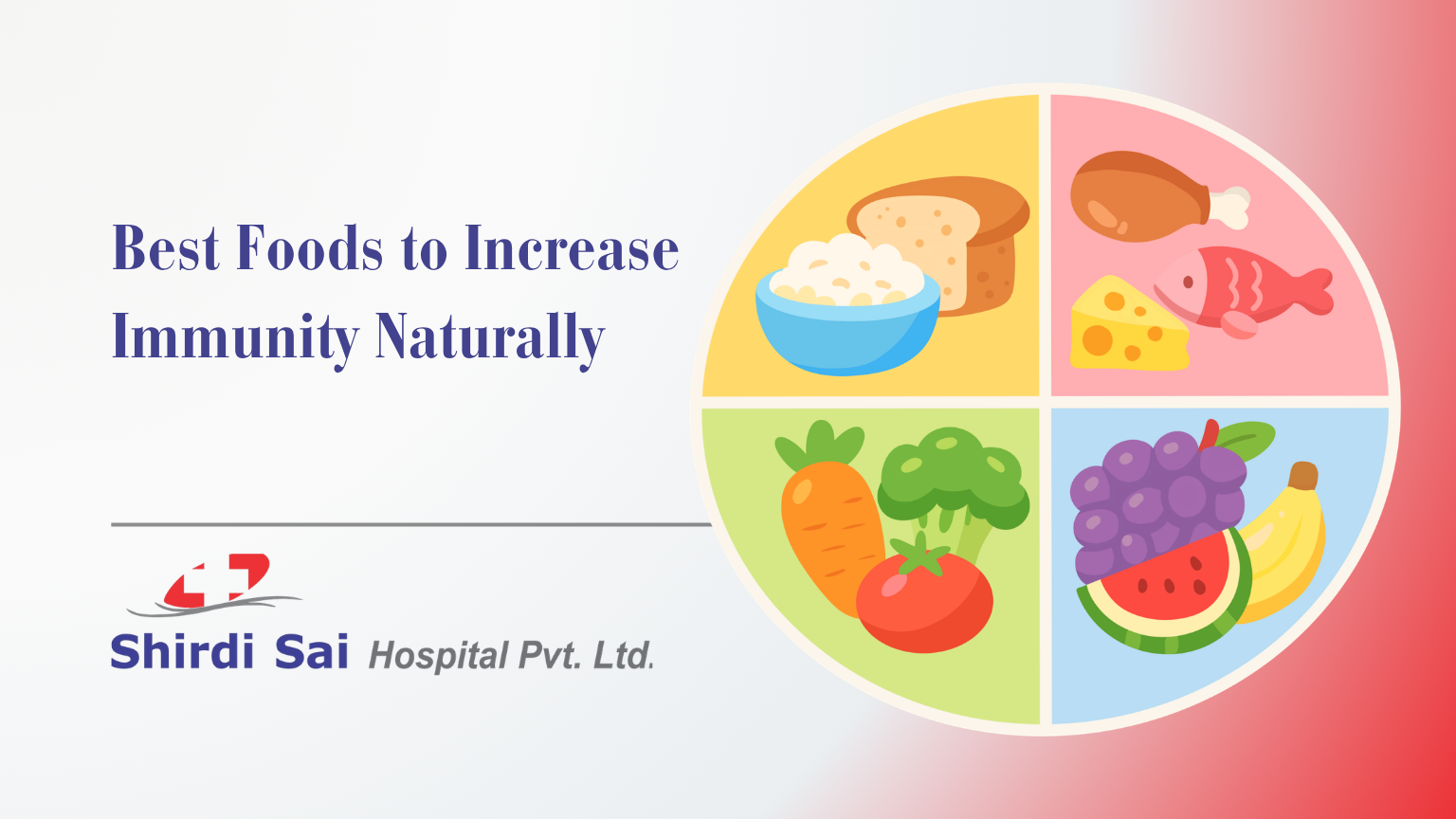
15 best foods to increase immunity naturally
Below are the most practical foods we recommend people focus on. These are easy to understand, easy to find, and easy to include in Indian homes.
Amla: One of the simplest traditional choices for improving the quality of the diet.
Guava: A practical fruit that is affordable and easy to include.
Orange: A familiar and easy fruit option for many families.
Mosambi: Useful for those who prefer light, easy-to-digest fruits.
Papaya: A practical option that fits easily into daily food patterns.
Banana: Helpful as part of a balanced diet, especially when appetite is low.
Leafy greens: Spinach and similar greens improve the quality of regular meals.
Curd: A simple gut-friendly addition to lunch or dinner.
Dal: One of the most practical everyday foods for strength and meal balance.
Chickpeas: Useful in salads, curries, and snacks.
Sprouts: Easy to add when prepared hygienically and eaten in moderation.
Eggs: A practical source of nourishment for people who eat them.
Paneer: A useful protein option in vegetarian diets.
Nuts and seeds: Almonds, walnuts, sunflower seeds, pumpkin seeds in small portions.
Ginger, garlic, and turmeric: Best used in regular food, not treated like magic solutions.
None of these foods work alone. Their value comes from regular use as part of a better overall routine.
Which fruits are best for immunity
There is no single fruit that can be called the best for everyone. The best fruit is usually the one that is fresh, affordable, suitable for the person’s health, and easy to eat regularly.
For most families, the best practical choices are:
amla
guava
orange
mosambi
papaya
banana
seasonal fruits available locally
The mistake many people make is trying to depend on one fruit only. A better approach is to rotate fruits through the week and focus on regular intake rather than novelty.
For example:
one day guava
another day papaya
another day orange
some days amla in a practical form
seasonal fruit when available
For children, fruit may be easier to give as small cut portions rather than forcing large servings. For older adults, soft fruits like papaya may be more practical if chewing is an issue.
Which Indian foods can support immunity every day
At Shirdi Sai Hospital, our advice is always practical. A strong Indian immunity-supportive diet is not complicated. It is usually built from regular home food.
Daily useful choices include:
idli with sambar
dosa with chutney and a protein side when possible
poha with peanuts
upma with vegetables
dal with rice or roti
curd rice in moderation when suitable
sprouts chaat
vegetable sabzi
leafy green curries
paneer dishes
eggs
fish or chicken in moderate home-style preparation
fruit between meals
nuts or seeds in small amounts
This matters because many people ask, “What special food should I eat for immunity?” The answer is often not special food. It is proper food.
A person who eats regular home-cooked meals with fruit, vegetables, dal, curd, and protein is usually supporting immunity far better than someone who skips meals and then drinks one “immunity drink” at night.
Why gut health also matters when discussing immunity
A lot of people overlook gut health. If digestion is poor, bowel habits are irregular, food quality is low, or a person keeps eating outside food and processed snacks, overall health may suffer.
That is why simple habits matter:
regular meal timing
enough water
curd when suitable
fibre from fruits and vegetables
avoiding excessive junk food
not overeating late at night
A healthy gut does not automatically mean perfect immunity, but poor digestion and poor food habits often go together with low energy, poor eating, and weaker recovery.
This is especially important in children and elderly people, where digestion issues are often ignored until general health begins to drop.
Why protein matters just as much as fruits and vegetables
Many people think that improving immunity means eating more fruits. Fruits are useful, but fruits alone are not enough.
A diet that supports the body well also needs protein.
Good practical protein options include:
dal
moong
chana
rajma
sprouts
paneer
curd
milk if suitable
eggs
fish
chicken
We often see patients who are eating fruit daily but still feel weak because their meals are low in protein. This is common in teenagers, working adults who skip lunch, elderly patients with poor appetite, and people recovering from illness.
So when planning food for immunity, do not build the plate around fruit alone. Build it around balance.
Foods and habits that may weaken immunity over time
There are also certain patterns that reduce the quality of daily nutrition and affect overall strength over time.
Food habits that may work against better immunity
frequent junk food
too many packaged snacks
excess sugar
repeated fried food intake
too little fruit
too few vegetables
poor protein intake
skipping breakfast
eating only once or twice properly in a day
very low water intake
Lifestyle habits that also matter
poor sleep
smoking
long periods of stress
no exercise
very irregular meal timing
delaying treatment for repeated infections
depending only on self-medication
This is why immunity support must be looked at as a full lifestyle issue, not only a food issue.
A simple one-day Indian meal plan for better immunity
A practical day can look like this:
Early morning
Plain water
Breakfast
Idli, dosa, poha, or upma Plus one fruit if possible
Mid-morning
Guava, papaya, orange, or another seasonal fruit
Lunch
Rice or roti with:
dal
one green vegetable
one regular sabzi
curd
Evening
Sprouts chaat, fruit, or a homemade snack Tea is fine in moderation, but try not to replace real food with tea and biscuits every day
Dinner
Roti or rice with:
paneer, dal, egg, fish, or chicken
cooked vegetables
Bedtime if needed
Milk if suitable for the person
This is not a strict medical diet chart. It is an example of how simple daily food can be made more balanced.
Are morning drinks really enough to improve immunity
Many people ask about warm water, turmeric milk, ginger water, kadha, herbal drinks, and similar options.
These can be part of a home routine if they suit the person. But they should never be treated as a replacement for proper meals.
A common mistake is this: the person skips fruit, skips protein, eats late, sleeps poorly, drinks less water, and then expects one morning drink to solve everything.
That does not work.
If you like a morning drink, keep it simple and sensible. But build your health mainly through:
proper breakfast
regular meals
enough fruit and vegetables
better protein intake
hydration
sleep
That is what supports the body properly over time.
Can children and older adults improve immunity naturally through food
Yes, but the approach should be age-appropriate.
For children
Focus on:
regular meals
fruit in small portions
eggs, dal, paneer, or other protein
curd if tolerated
enough water
proper sleep
Do not force too many powders, tonics, or random supplements unless advised.
For older adults
Focus on:
easy-to-eat protein foods
soft fruits
hydration
regular meal timing
avoiding long gaps without food
checking appetite loss, weakness, and repeated illness early
In both age groups, repeated illness should not be ignored by assuming it is “just weak immunity.”
When to Consult Your Doctor
Food changes are useful, but they should not delay medical care when symptoms are persistent, repeated, or unusual.
Please consult a doctor if you notice:
repeated colds or repeated throat infection
fever that keeps coming back
poor appetite for many days
unusual weakness
weight loss
slow recovery after common illness
a child falling sick too often
an elderly person becoming weak, sleepy, or less active
tiredness that does not improve
repeated stomach upset with poor eating
If you are consulting a hospital in Bangalore, especially around New BEL Road, Devasandra, RMV 2nd Stage, Mathikere, Sanjaynagar, Hebbal, or nearby areas, early medical evaluation can help identify whether the problem is mainly nutritional or whether there is an underlying issue that needs treatment.
Frequently Asked Questions
What are the best foods to increase immunity naturally
The best foods are usually fruits, vegetables, protein-rich foods, nuts, seeds, and gut-friendly foods like curd. A balanced daily diet supports immunity better than one superfood or one home remedy.
Which fruit is best for immunity
There is no single best fruit for everyone. In most Indian homes, amla, guava, orange, mosambi, papaya, and other seasonal fruits are practical and useful choices.
Does curd help immunity
Curd can be a useful part of a healthy diet because it supports gut balance and improves meal quality. It works best when included regularly with proper meals.
Can immunity improve in one day
No. Immunity usually improves through regular food habits, sleep, hydration, and overall health care. Quick fixes rarely give long-term results.
Which Indian foods are good for immunity
Amla, guava, citrus fruits, curd, dal, sprouts, leafy greens, eggs, paneer, nuts, seeds, ginger, turmeric, and seasonal vegetables are practical choices in an Indian diet.
Is one immunity drink enough to stay healthy
No. Morning drinks may be part of a healthy routine, but they cannot replace balanced meals, protein intake, fruits, vegetables, hydration, and sleep.
When should low immunity symptoms be checked by a doctor
If you have repeated infections, poor appetite, weakness, slow recovery, weight loss, or a child who keeps falling sick, medical evaluation is important.
Conclusion
The best foods to increase immunity naturally are usually simple, daily, home-based foods rather than expensive products or internet trends. Fruits, vegetables, curd, dal, protein-rich foods, nuts, seeds, and enough water can help the body stay stronger when they are part of a regular routine.
At Shirdi Sai Hospital, we encourage families to take a practical and professional view of immunity. Eat regularly. Improve meal quality. Sleep well. Stay active. And most importantly, do not ignore repeated illness, weakness, poor appetite, or slow recovery. For residents around New BEL Road and nearby areas such as Devasandra, RMV 2nd Stage, Mathikere, Sanjaynagar, and Hebbal, early consultation often helps identify the real cause before the problem becomes more difficult to manage.
This is one of the most common questions patients ask.
Not because surgery is always risky. But because most people imagine surgery the way it was done 10–15 years ago-big cuts, long hospital stays, pain, and fear of complications.
But the truth is very different today.
Modern surgery is not what you think it is.
With advanced operation theatres, real-time imaging, and minimally invasive techniques, surgery today is far safer, less painful, and much faster to recover from.
At Shirdi Sai Hospital, surgeries are performed in a modern, fully equipped operation theatre setup that includes:
Modular OT
Laminar airflow system
C-ARM imaging
Laparoscopic surgery systems
All designed for one purpose: 👉 To make surgery safer for you.
Let’s break it down in simple terms.
Why Are Patients Still Scared of Surgery?
Fear doesn’t come from facts. It comes from stories.
You may have heard:
“Recovery takes months”
“There is risk of infection”
“Surgery is very painful”
“Better to avoid if possible”
These concerns were valid earlier.
But today, things have changed completely.
The biggest problem is not surgery. The biggest problem is outdated understanding of surgery.
What Has Actually Changed in Surgery Today?
Earlier:
Doctors depended mostly on manual skill
Limited visibility during surgery
Higher infection risk
Longer recovery time
Today:
Advanced machines support doctors
Real-time imaging improves accuracy
Sterile environments reduce infection
Smaller cuts = faster healing
This shift is the reason why modern surgery is safer than ever before.
What Is a Modern Operation Theatre ?
Think of it like this:
A normal room vs a high-tech controlled environment
A modern OT is designed to:
Keep everything 100% clean
Help doctors see clearly inside your body
Use machines that reduce risk
Support faster healing after surgery
At Shirdi Sai Hospital, the OT is not just a room—it is a precision-controlled medical system.
Let’s Understand the Technology
Now let’s break down each modern system-and what it actually means for you.
3. C-ARM Imaging – Doctor Can See Inside While Operating
Earlier, surgeons had to rely mostly on experience.
Now, they have real-time imaging support.
What is C-ARM?
It is like a live X-ray machine used during surgery.
What it does:
Shows real-time images
Helps doctor see exactly where to operate
Improves accuracy
Why it matters:
👉 Less guesswork 👉 More precision 👉 Safer procedure
4. Laparoscopy – Surgery Without Big Cuts
This is where most fear disappears.
What is laparoscopy?
Instead of a large cut:
Only small holes are made
Camera goes inside
Surgery is done using fine instruments
What you experience:
👉 Less pain 👉 Smaller scars 👉 Faster recovery 👉 Short hospital stay
Many surgeries that required large cuts earlier are now done using this technique.
What Does All This Mean for You as a Patient?
Let’s simplify everything.
Earlier Surgery:
Big cuts
More pain
Higher infection risk
Long recovery
Modern Surgery:
Small cuts or no cuts
Less pain
Safer environment
Faster recovery
Real Patient Concern: “Will I Be Okay After Surgery?”
This is the most important question.
And the answer depends on:
Hospital infrastructure
Technology used
Doctor expertise
At Shirdi Sai Hospital:
👉 Advanced equipment reduces risk 👉 Controlled OT reduces infection 👉 Modern techniques reduce recovery time
Why Technology Matters More Than You Think
Two hospitals may offer the same surgery.
But results can differ because of:
Equipment quality
OT environment
Technology used
This is where Shirdi Sai Hospital stands out.
You are not just getting surgery.
You are getting: 👉 Advanced setup 👉 Safer environment 👉 Better outcome
What Happens Before Surgery? (So You Don’t Panic)
Many patients fear the unknown.
Let’s simplify the process.
Step 1: Evaluation
Doctor checks your condition and explains everything.
Step 2: Preparation
Basic tests to ensure safety.
Step 3: Clarity
Procedure is explained clearly so you understand what will happen.
What Happens During Surgery?
You are under proper anesthesia
Monitored continuously
Procedure done using modern systems
Precision + safety maintained
What Happens After Surgery?
This is where modern technology helps most.
👉 Less pain 👉 Early movement 👉 Faster discharge 👉 Quick return to normal life
When Should You Stop Delaying Surgery?
Many patients delay until pain becomes unbearable.
That is risky.
Consult a doctor if:
Pain is not reducing
Condition is worsening
Daily life is affected
Medicines are not helping
If you are consulting a hospital in Bangalore, especially in North Bangalore, getting treated at Shirdi Sai Hospital ensures access to modern surgical care that focuses on safety and faster recovery.
Frequently Asked Questions
Is surgery still risky today? Every medical procedure has some risk, but modern technology has significantly reduced complications and improved safety.
Will surgery be very painful? No. Pain is well managed with modern anesthesia and techniques. Most patients feel manageable discomfort.
How long do I need to stay in hospital? Many procedures now require shorter hospital stays due to faster recovery methods.
What is the biggest benefit of modern OT? Reduced infection risk and improved precision during surgery.
Do all surgeries require large cuts? No. Many surgeries today are done using laparoscopy with very small cuts.
Why choose Shirdi Sai Hospital for surgery? Because it offers advanced OT setup, modern equipment, and patient-focused care for safer outcomes.
Final Thought
Fear of surgery is natural. But delaying the right treatment can make the condition worse.
The truth is:
👉 Surgery today is safer 👉 Technology has reduced risk 👉 Recovery is faster than before
At Shirdi Sai Hospital, modern operation theatres and advanced surgical systems are designed to ensure that patients receive safe, precise, and effective treatment.
Understanding this is the first step to overcoming fear-and taking the right decision for your health.
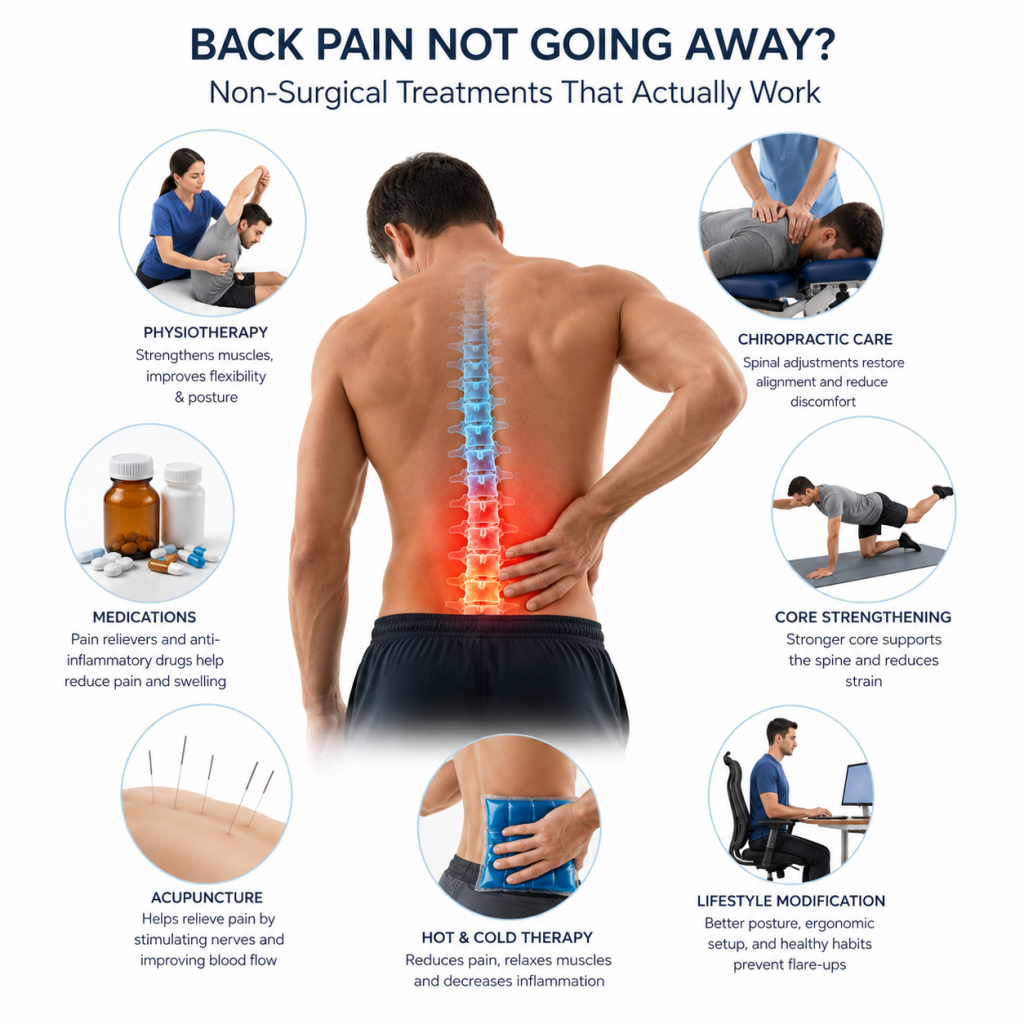
Back pain that does not go away is not normal. If your pain keeps returning, increases over time, or does not improve with rest and medicines, it usually means the root cause has not been treated properly.
Many people continue using painkillers or home remedies for months, hoping the pain will go away. But in reality, untreated back pain can slowly worsen and start affecting your daily life-walking, sitting, working, and even sleeping.
The biggest change today is this: you don’t always need surgery for back pain anymore.
With advanced medical technologies like STAR therapy, BIOL electromagnetic treatment, and PRP (Platelet-Rich Plasma) therapy, doctors can now treat the root cause of pain without surgery. At Shirdi Sai Hospital, these modern techniques are used to help patients recover faster, reduce pain naturally, and avoid long recovery periods.
Why Back Pain Is Becoming So Common
Back pain is no longer just an age-related problem. It is now one of the most common health issues in India.
The real reasons:
Sitting for long hours (office work, driving, screen time)
Poor posture (slouching, wrong chair setup)
Lack of exercise (weak muscles supporting the spine)
Sudden physical strain (lifting heavy objects incorrectly)
Stress (causes muscle tightening and stiffness)
Weight gain (extra pressure on spine and joints)
Most people ignore the early stage, which leads to chronic pain.
Early Signs You Should Not Ignore
Back pain does not start suddenly in most cases. It builds gradually.
Mild stiffness in lower back
Pain after long sitting or standing
Difficulty bending forward
Tightness in muscles
Occasional shooting pain
Ignoring these early signs is the biggest reason why back pain becomes chronic.
When Back Pain Becomes a Serious Problem
Back pain needs medical attention if:
It lasts more than 3–4 weeks
Pain keeps returning
Pain spreads to legs
Movement becomes difficult
Daily routine is affected
At this stage, simple medicines are not enough. Proper treatment is required.
Why Painkillers and Rest Are Not the Solution
Painkillers only mask the pain-they do not treat the cause.
What actually happens:
Pain reduces temporarily
Root problem remains untreated
Pain returns again
Condition worsens over time
This is why modern treatment focuses on healing the affected tissues, not just reducing pain.
What Is the Real Cause of Chronic Back Pain?
Most chronic back pain is due to:
Muscle damage or strain
Ligament injuries
Disc problems
Poor blood circulation
Nerve irritation
Calcium deposits or inflammation
To treat this, you need therapies that repair and regenerate tissues, not just suppress pain.
Modern Non-Surgical Treatments at Shirdi Sai Hospital
This is where Shirdi Sai Hospital stands out.
Instead of depending only on medicines or surgery, the hospital uses advanced therapeutic technologies that directly target the root cause of pain.
1. STAR Device Therapy – Targeted Musculoskeletal Healing
The STAR device is designed specifically to treat musculoskeletal pain.
How it works (simple explanation):
Sends controlled energy to affected area
Improves blood flow
Stimulates tissue repair
Reduces inflammation
What this means for the patient:
Pain reduces naturally
Muscles heal faster
Movement improves
No surgery required
Conditions treated:
Chronic back pain
Neck pain
Joint pain
Sports injuries
Why this is better than regular physiotherapy:
More targeted treatment
Deeper tissue impact
Faster recovery
2. BIOL Device – Advanced Electromagnetic Therapy
The BIOL system is a modern therapeutic device that uses electromagnetic waves to stimulate healing.
How it works:
Uses electromagnetic field (100–1500 MHz)
Activates nerve cells
Improves metabolism in affected area
Strengthens immune response
What patients experience:
Gradual reduction in pain
Improved flexibility
Better nerve function
Long-term relief
Why this matters:
Most traditional treatments do not reach deeper tissues effectively. BIOL therapy works at a cellular level, improving healing from within.
3. PRP Therapy – Natural Regeneration Without Surgery
PRP (Platelet-Rich Plasma) is one of the most advanced treatments available today.
How it works:
Blood is taken from your body
Platelets are concentrated
Injected into damaged area
Growth factors repair tissues
What this means:
Your own body heals itself
No artificial chemicals
Natural recovery process
Best for:
Chronic back pain
Ligament injuries
Joint pain
Disc-related issues
Why patients prefer PRP:
Minimally invasive
No major downtime
Reduces need for surgery
Long-lasting results
Why These Treatments Are Better Than Surgery (For Many Cases)
Surgery is not always the first solution.
Non-surgical advantages:
No cuts or stitches
No long hospital stay
Lower risk
Faster recovery
Less cost burden
Can return to normal life quickly
At Shirdi Sai Hospital, doctors first evaluate if non-surgical options can solve the problem before recommending surgery.
Why Patients Trust Shirdi Sai Hospital
This is where positioning matters.
What makes Shirdi Sai Hospital different:
Availability of advanced devices (STAR, BIOL, PRP) under one roof
Focus on non-surgical recovery first
Personalized treatment plans
Faster diagnosis and treatment
Integrated care (doctor + technology)
Patient benefit:
Instead of trying multiple clinics or treatments, patients get complete solution in one place.
What to Expect During Treatment
Step 1: Evaluation
Doctor checks symptoms, history, and severity
Step 2: Diagnosis
Identifies root cause of pain
Step 3: Treatment Plan
Combination of:
STAR therapy
BIOL therapy
PRP (if needed)
Step 4: Recovery
Gradual pain reduction and improved movement
How Fast Can You See Results?
Mild pain → relief in few sessions
Moderate pain → 2–3 weeks
Chronic pain → gradual improvement
Most patients notice visible improvement without surgery.
Can Back Pain Be Completely Cured?
Yes, in many cases.
But it depends on:
Early diagnosis
Right treatment
Following doctor’s advice
Lifestyle changes
When to Consult Your Doctor
Consult immediately if:
Pain is not reducing
Pain is increasing
Difficulty walking or bending
Pain spreading to legs
Daily life affected
If you are consulting a hospital in Bangalore, especially in South Bangalore, getting evaluated at Shirdi Sai Hospital can help you access advanced non-surgical treatments and avoid unnecessary surgery.
Frequently Asked Questions
Can back pain really be treated without surgery? Yes. Many cases of back pain can be effectively treated using advanced non-surgical methods like STAR therapy, BIOL treatment, and PRP therapy.
How is PRP different from regular treatment? PRP uses your own blood to heal damaged tissues, making it a natural and effective long-term solution.
Is electromagnetic therapy safe? Yes. BIOL therapy is non-invasive and safe when done under medical supervision.
How many sessions are required? It depends on the condition. Some patients improve in a few sessions, while others need structured treatment.
Why should I choose Shirdi Sai Hospital for back pain? Because it offers advanced non-surgical treatments, modern equipment, and complete care under one roof.
Will I need surgery later? In many cases, early non-surgical treatment reduces or completely avoids the need for surgery.
Conclusion
Back pain that does not go away should not be ignored. Instead of depending only on temporary relief methods, modern treatments now focus on healing the root cause.
With advanced technologies like STAR device therapy, BIOL electromagnetic treatment, and PRP therapy, Shirdi Sai Hospital offers effective non-surgical solutions that help patients recover faster, reduce pain, and return to normal life without undergoing surgery.
Early treatment is the key. The sooner you act, the better your recovery.
Kidney stone pain is not like regular body pain. It can start suddenly, become severe within minutes, and make even simple movements difficult. If your pain is not stopping, keeps returning, or is increasing in intensity, it usually means the stone is not passing on its own and needs proper medical treatment.
Today, kidney stone treatment has changed completely. Earlier, patients had to undergo open surgery, long hospital stays, and painful recovery. Now, with advanced technologies like ESWL (Lithotripsy Machine) and Holmium Laser (RIRS), stones can be treated with minimal pain, no major cuts, and faster recovery.
At Shirdi Sai Hospital, these modern urology systems are used to provide safe, precise, and effective kidney stone treatment, helping patients return to normal life quickly.
What Exactly Is a Kidney Stone?
A kidney stone is a solid mass formed from minerals and salts that stick together inside the kidneys. These stones can be as small as a grain of sand or as large as a marble.
When the stone moves into the urinary tract, it can block urine flow and cause intense pain.
Why Kidney Stones Are Increasing in India
Kidney stones are becoming more common, especially among working professionals and young adults.
Key reasons:
Low water intake: Many people do not drink enough water daily
Hot climate: Leads to dehydration and concentration of minerals
High salt diet: Common in Indian food
Increased junk food consumption: Alters mineral balance
Protein-heavy diets: Especially gym-related diets
Sedentary lifestyle: Reduced physical activity
Ignoring early symptoms: Leads to worsening condition
Early Warning Signs Most People Ignore
Kidney stones do not always start with severe pain. There are early symptoms that many people overlook.
Mild discomfort in lower back
Occasional burning sensation while urinating
Slight change in urine color
Increased frequency of urination
Feeling of incomplete urine flow
Ignoring these signs often leads to severe pain later.
Symptoms of Kidney Stones (Advanced Stage)
When the stone starts moving or blocks urine flow, symptoms become intense.
Severe pain in back or side
Pain spreading to lower abdomen or groin
Sudden waves of pain (comes and goes)
Blood in urine
Nausea or vomiting
Fever (if infection develops)
Difficulty passing urine
Kidney stone pain is often described as one of the most severe pains a person can experience.
When Kidney Stone Becomes Dangerous
Immediate medical attention is needed if:
Pain is unbearable and not reducing
Fever is present along with pain
Urine is blocked or very low
Continuous vomiting
Pain lasts for hours or keeps returning
Delaying treatment can lead to infection, kidney damage, or complications.
Can Kidney Stones Pass Naturally?
Yes, but only in certain cases.
Stones smaller than 5 mm often pass naturally
Requires high water intake and medication
May take several days to weeks
However, if the stone is large or stuck, medical intervention is required.
Modern Treatment Options Available Today
Treatment depends on the size, location, and type of stone.
1. Medication & Observation
Used for small stones.
Pain management
Increased fluid intake
Medications to help stone pass
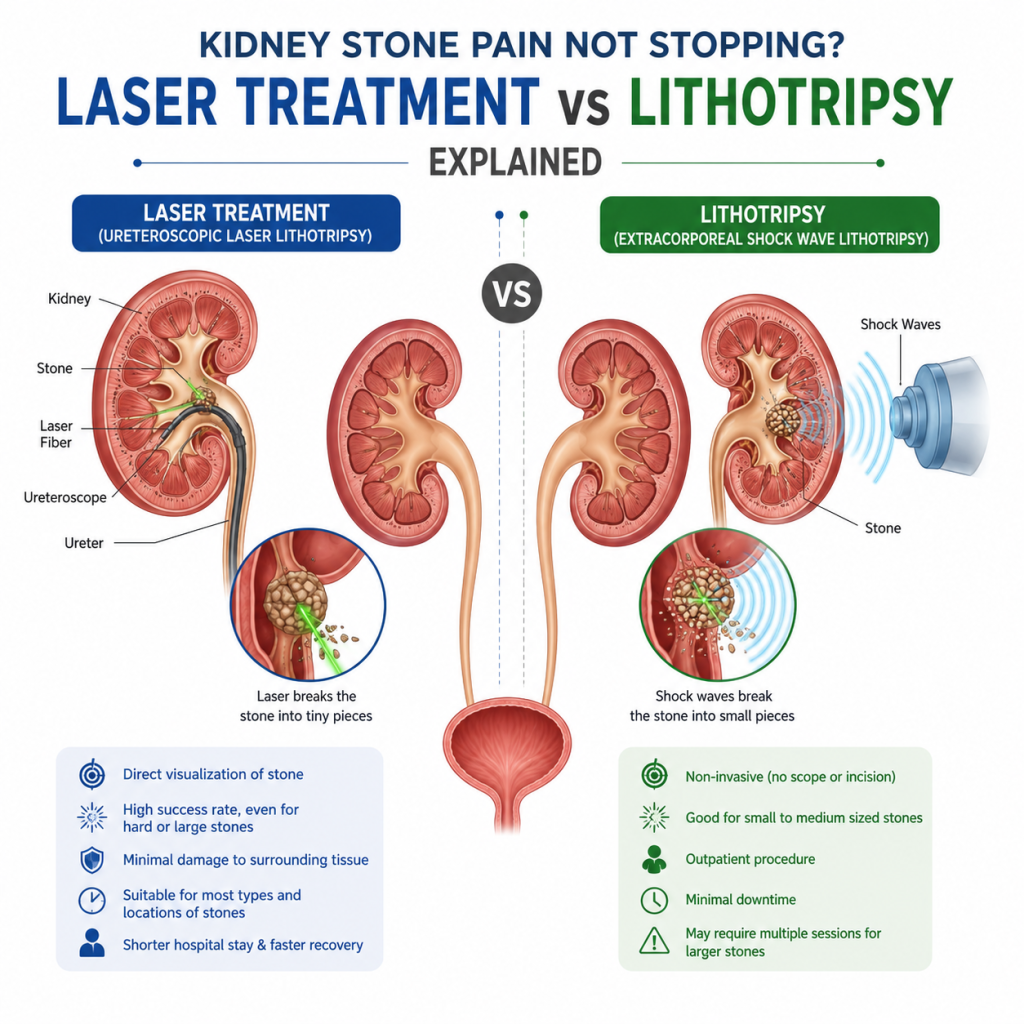
2. ESWL (Lithotripsy) – Non-Surgical Solution
ESWL (Extracorporeal Shock Wave Lithotripsy) is one of the most common non-invasive treatments.
How it works:
Shock waves are focused on the stone
Stone breaks into small fragments
Fragments pass naturally through urine
Advantages:
No cuts or surgery
Outpatient procedure
Minimal recovery time
Suitable for small to medium stones
At Shirdi Sai Hospital, advanced ESWL machines ensure precise targeting of stones, improving success rates.
3. Laser Treatment (RIRS – Holmium Laser)
For larger or stubborn stones, laser treatment is the most effective option.
How it works:
A thin flexible scope is inserted through the urinary tract
The stone is located using a camera
Holmium laser breaks the stone into very fine dust
Dust passes naturally through urine
Advantages:
No external cuts
Highly precise treatment
Works for larger stones
Faster recovery
Lower chance of recurrence
This is one of the most advanced kidney stone treatments available today.
Laser vs Lithotripsy – Clear Comparison
Factor
Laser (RIRS)
ESWL (Lithotripsy)
Procedure
Minimally invasive
Non-invasive
Best for
Medium to large stones
Small stones
Precision
Very high
Moderate
Recovery
Fast
Very fast
Repeat sessions
Rare
Sometimes needed
Success rate
Higher for complex stones
Good for small stones
Which Treatment Should You Choose?
The right treatment depends on:
Size of the stone
Location of the stone
Patient condition
Previous history
Doctors at Shirdi Sai Hospital evaluate all factors before recommending treatment.
Why Modern Equipment Makes a Huge Difference
Treatment success is not just about the doctor—it also depends on the technology used.
At Shirdi Sai Hospital, advanced urology infrastructure includes:
ESWL Machine
Breaks stones without surgery
Precise targeting reduces damage to surrounding tissues
Holmium Laser System
High precision laser for stone removal
Converts stones into fine particles
Advanced Endoscopic Systems
Enables minimally invasive procedures
Improves visibility and accuracy
Benefits for Patients:
Less pain
Faster recovery
Reduced hospital stay
Higher success rates
Lower risk of complications
What Happens During the Procedure?
ESWL Procedure
Patient lies on treatment table
Machine targets stone using imaging
Shock waves break stone
Procedure lasts 30–45 minutes
Laser (RIRS) Procedure
Thin scope inserted through urinary tract
Camera helps locate stone
Laser breaks stone
No cuts or stitches
Recovery After Treatment
Recovery is usually quick with modern techniques.
Most patients resume normal activity within 2–5 days
Mild discomfort may occur temporarily
Drinking water is important
Follow-up may be required
Can Kidney Stones Come Back?
Yes, recurrence is common if lifestyle changes are not followed.
Prevention Tips:
Drink 3–4 litres of water daily
Reduce salt intake
Avoid excessive protein
Maintain healthy weight
Follow doctor’s advice
When to Consult Your Doctor
Consult immediately if:
Pain is severe or persistent
Blood in urine
Fever with pain
Urine flow is blocked
Symptoms keep returning
If you are consulting a hospital in Bangalore, especially in South Bangalore, choosing Shirdi Sai Hospital ensures access to advanced laser and lithotripsy treatment options for faster and safer recovery.
Frequently Asked Questions
Is kidney stone treatment painful? Modern treatments like ESWL and laser are designed to minimize pain. Most patients experience only mild discomfort.
Which is better – laser or lithotripsy? Both are effective. Lithotripsy works for smaller stones, while laser is better for larger or complex stones.
How long does the treatment take? Most procedures take 30–90 minutes depending on the stone size and complexity.
Do I need hospital admission? Some procedures are done as day care, while others may require short hospital stay.
Can stones come back after treatment? Yes, if preventive measures are not followed. Lifestyle changes are important.
How soon can I return to work? Most patients can resume normal activities within a few days.
Conclusion
Kidney stone pain can be severe, but treatment today is much more advanced, safe, and patient-friendly than before. Options like ESWL and laser treatment allow effective removal of stones without major surgery.
At Shirdi Sai Hospital, modern equipment such as ESWL machines and Holmium laser systems ensure precise diagnosis and treatment, helping patients recover faster with minimal discomfort. Early treatment not only relieves pain but also prevents complications and recurrence.
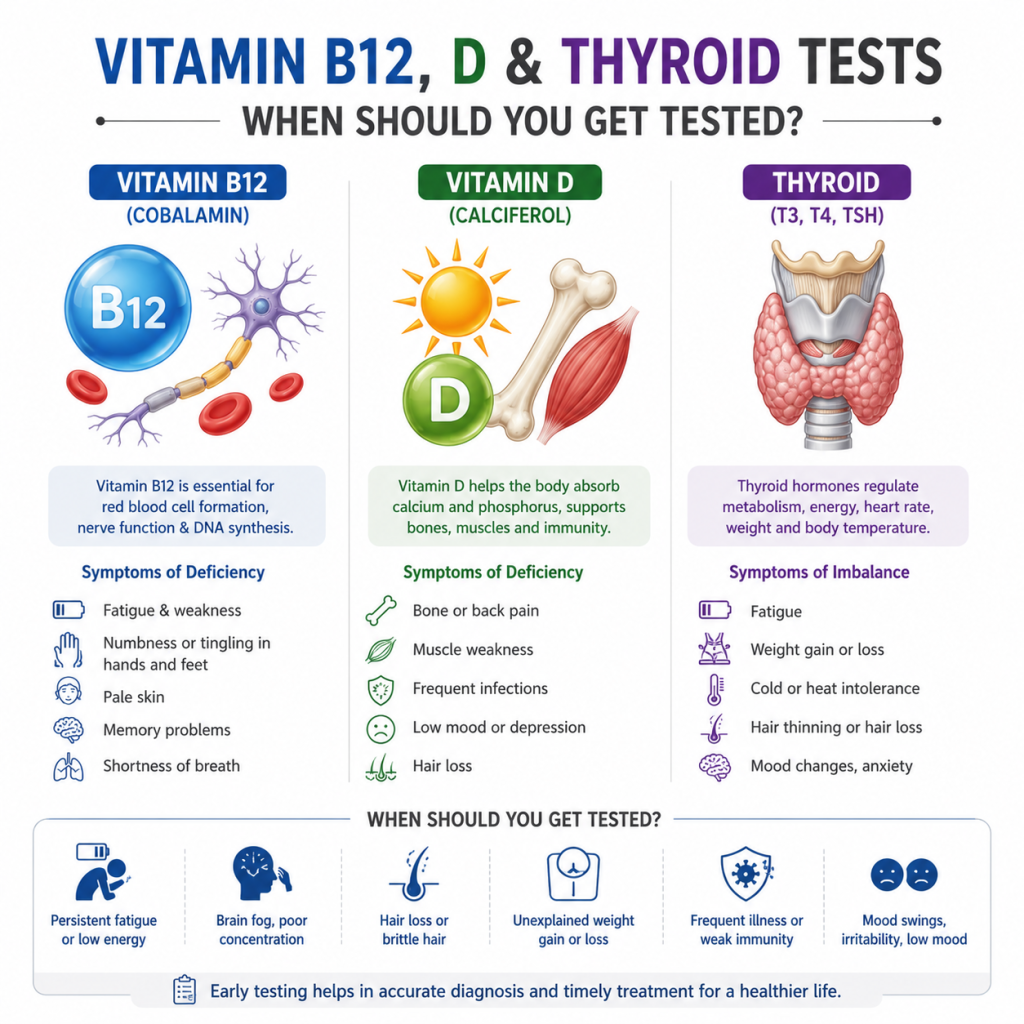
Vitamin D, B12, and thyroid tests help detect deficiencies and hormonal imbalances that often remain unnoticed until symptoms begin affecting daily life. If you are experiencing fatigue, hair fall, weight changes, or low energy, these tests can identify the root cause early and guide the right treatment.
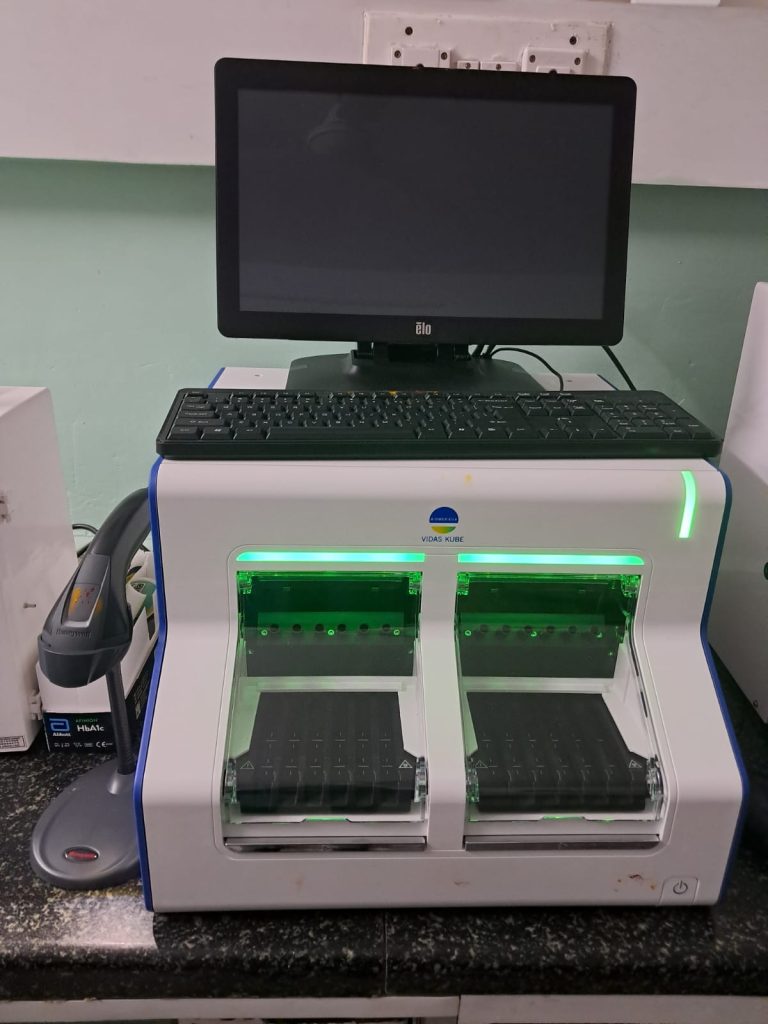
In India, these conditions are extremely common due to indoor lifestyle, dietary gaps, and stress. Many people delay testing, assuming symptoms are temporary. In reality, early diagnosis plays a crucial role in preventing complications. At Shirdi Sai Hospital, these tests are performed using advanced in-house diagnostic systems like the Harmone Analyzer and Mini VIDAS platform, enabling faster and more accurate results for timely medical decisions.
Why These Tests Are Important Today
Modern lifestyle patterns have significantly increased the risk of deficiencies and hormonal imbalance.
Limited sunlight exposure: Leads to widespread Vitamin D deficiency
This significantly improves treatment outcomes compared to delayed or outsourced testing.
When Should You Get These Tests Done?
Testing is recommended if symptoms persist or risk factors exist.
Symptoms lasting more than 1–2 weeks
Family history of thyroid or deficiency disorders
Planning pregnancy or missed cycles
Chronic fatigue without explanation
Repeated unexplained health issues
Early testing helps identify the issue before complications develop.
What Happens After Diagnosis?
Once results are available, doctors plan treatment based on findings.
Vitamin deficiencies: Supplements and diet correction
Thyroid imbalance: Medication and monitoring
Pregnancy confirmation: Further evaluation and care
Cardiac markers: Immediate medical intervention if required
Faster reports mean treatment can begin without delay.
When to Consult Your Doctor
Consult a doctor if you experience:
Ongoing fatigue or weakness
Sudden weight gain or loss
Continuous hair fall
Irregular menstrual cycles
Chest discomfort or unusual symptoms
Frequently Asked Questions
When should I get tested for Vitamin D, B12, or thyroid issues? You should consider testing if you have persistent fatigue, hair fall, weight changes, or mood fluctuations lasting more than 1–2 weeks. Early testing helps identify the root cause before symptoms worsen.
Do I need fasting before these blood tests? Most Vitamin D, B12, and thyroid tests do not require fasting. However, your doctor may advise specific instructions depending on your condition.
How quickly will I get my test results? With advanced in-house lab systems at Shirdi Sai Hospital, many reports are available on the same day or within 24 hours.
Are these tests accurate for early diagnosis? Yes. Modern diagnostic systems like the Harmone analyzer and Mini VIDAS can detect even small changes in hormone and nutrient levels, enabling early diagnosis.
Can I understand my reports on my own? It is not recommended. Even slight variations in values require proper medical interpretation to avoid incorrect conclusions.
Why should I choose a hospital lab instead of a local lab? Hospital labs offer better accuracy, faster processing, and immediate doctor consultation. This ensures quicker diagnosis and timely treatment decisions.
If you are consulting a hospital in Bangalore, especially in South Bangalore, choosing a facility like Shirdi Sai Hospital with advanced in-house diagnostic equipment ensures quicker diagnosis and timely care.
PCOS does not show the same symptoms in every woman. Some may notice irregular periods, while others experience weight gain, acne, or difficulty getting pregnant. Many women have PCOS without obvious signs, which makes it harder to identify early.
This variation often leads to confusion and delayed diagnosis. Understanding why symptoms differ is important because early recognition helps in managing the condition effectively and preventing long-term complications.
What Is PCOS and Why It Affects Women Differently
PCOS, or Polycystic Ovary Syndrome, is a hormonal condition that affects how the ovaries function.
In PCOS:
Hormone levels become imbalanced
Ovulation may not happen regularly
Small cysts may develop in the ovaries
The key reason symptoms vary is that hormone imbalance affects each body differently.
Why PCOS Symptoms Are Not the Same for Everyone
There is no single pattern for PCOS. The variation depends on multiple factors.
1. Hormonal Imbalance Levels Differ
Some women have higher androgen levels, which are male hormones present in small amounts in women.
This can lead to:
Excess facial or body hair
Acne
Hair thinning on the scalp
Others may have milder hormone imbalance and fewer visible symptoms.
2. Insulin Resistance Plays a Role
Many women with PCOS have insulin resistance, but not all.
When present, it can cause:
Weight gain, especially around the abdomen
Increased hunger
Difficulty losing weight
Women without insulin resistance may not experience these symptoms.
3. Ovulation Patterns Are Different
Some women with PCOS rarely ovulate, while others ovulate occasionally.
This affects:
Menstrual regularity
Fertility
Hormonal balance
Irregular periods may be the only symptom in some cases.
4. Genetic Factors Influence Symptoms
Family history plays a role.
If close relatives have PCOS or hormonal issues, symptoms may:
Appear earlier
Be more noticeable
Progress faster
5. Lifestyle and Diet Impact Severity
Daily habits influence how PCOS presents.
Factors include:
Diet patterns
Physical activity
Stress levels
Sleep quality
These can either worsen or improve symptoms.
PCOS is not a one-size condition. The same diagnosis can look very different from one person to another.
Common PCOS Symptoms to Watch For
Even though symptoms vary, certain signs are commonly seen.
Irregular or missed periods
Weight gain or difficulty losing weight
Acne or oily skin
Excess hair growth on face or body
Hair thinning on scalp
Difficulty getting pregnant
Not every woman will experience all of these.
Less Obvious Symptoms Many Women Ignore
Some symptoms are subtle and often overlooked.
Persistent fatigue
Mood changes or irritability
Darkening of skin around neck or underarms
Mild hormonal acne
These signs are often ignored until the condition progresses.
Why PCOS Often Goes Undiagnosed
Many women do not seek help early because:
Symptoms are mild or inconsistent
Period irregularity is considered normal
Weight gain is attributed to lifestyle
Lack of awareness
This delay can affect long-term health.
What Happens If PCOS Is Not Managed Early
Ignoring symptoms can lead to complications over time.
Difficulty in conceiving
Increased risk of diabetes
Hormonal imbalance worsening
Long-term metabolic issues
Early management helps reduce these risks significantly.
How Doctors Diagnose PCOS
Diagnosis is based on a combination of factors.
Doctors may evaluate:
Menstrual history
Physical symptoms
Blood tests for hormone levels
Ultrasound to assess ovaries
Early diagnosis makes management more effective.
Can PCOS Be Managed Effectively
Yes. PCOS can be managed with the right approach.
Treatment depends on symptoms and goals.
Lifestyle changes
Medication to regulate hormones
Treatment for specific symptoms
Fertility support if needed
Consistency plays a key role in long-term control.
What You Should Do If You Notice Symptoms
Step 1: Observe Changes
Track menstrual cycles, weight changes, and skin conditions.
Step 2: Do Not Ignore Irregular Patterns
Even mild irregularity can indicate hormonal imbalance.
Step 3: Seek Medical Evaluation
Early consultation helps in accurate diagnosis and management.
When to Consult Your Doctor
You should consider medical evaluation if:
Periods are irregular or absent
Acne or hair growth is increasing
Weight gain is unexplained
You are trying to conceive without success
Symptoms are affecting daily life
If you are consulting a hospital in Bangalore, especially around New BEL Road, early diagnosis of PCOS can help in better long-term management and reduce complications.
Prevention and Long-Term Management
While PCOS cannot always be prevented, symptoms can be controlled.
Maintain a balanced diet
Stay physically active
Manage stress levels
Follow medical advice consistently
Monitor symptoms regularly
These steps help improve overall health and reduce severity.
FAQs
1. Do all women with PCOS have the same symptoms No. Symptoms vary widely depending on hormonal imbalance, lifestyle, and genetic factors.
2. Can PCOS exist without noticeable symptoms Yes. Some women may have mild or hidden symptoms and are diagnosed only during medical evaluation.
3. Is irregular period always a sign of PCOS Not always, but it is one of the most common indicators and should be evaluated.
4. Can PCOS cause weight gain in everyone No. Weight gain is common but not present in all women with PCOS.
5. Is PCOS treatable It cannot always be cured, but it can be effectively managed with proper care and lifestyle changes.
6. When should I see a doctor for PCOS symptoms If symptoms persist, worsen, or affect daily life, early consultation is recommended.
Conclusion
PCOS does not follow a single pattern, which is why it is often misunderstood or ignored. Symptoms can vary from mild to noticeable, and not every woman experiences the same signs.
Recognizing early changes and seeking timely medical advice can make a significant difference in managing the condition effectively. Understanding your body and acting early helps prevent complications and improves long-term health outcomes.