Shirdi Sai Hospital

Author: admin

  • Everything You Need to Know About Migraine

    Everything You Need to Know About Migraine

    Migraine. The very word often conjures up images of debilitating pain, nausea, and an overwhelming need to retreat from the world. But what exactly is migraine, and why does it affect millions globally? This guide delves into the complexities of migraine, offering insights into its causes, diverse manifestations, and effective management strategies.

    Beyond the Headache: Understanding Migraine’s Nature

    Migraine transcends the definition of a “simple headache.” It’s a neurological disorder characterized by recurrent episodes of moderate to severe head pain, frequently accompanied by a constellation of other symptoms. These symptoms can significantly disrupt daily life, impacting work, studies, and personal relationships.
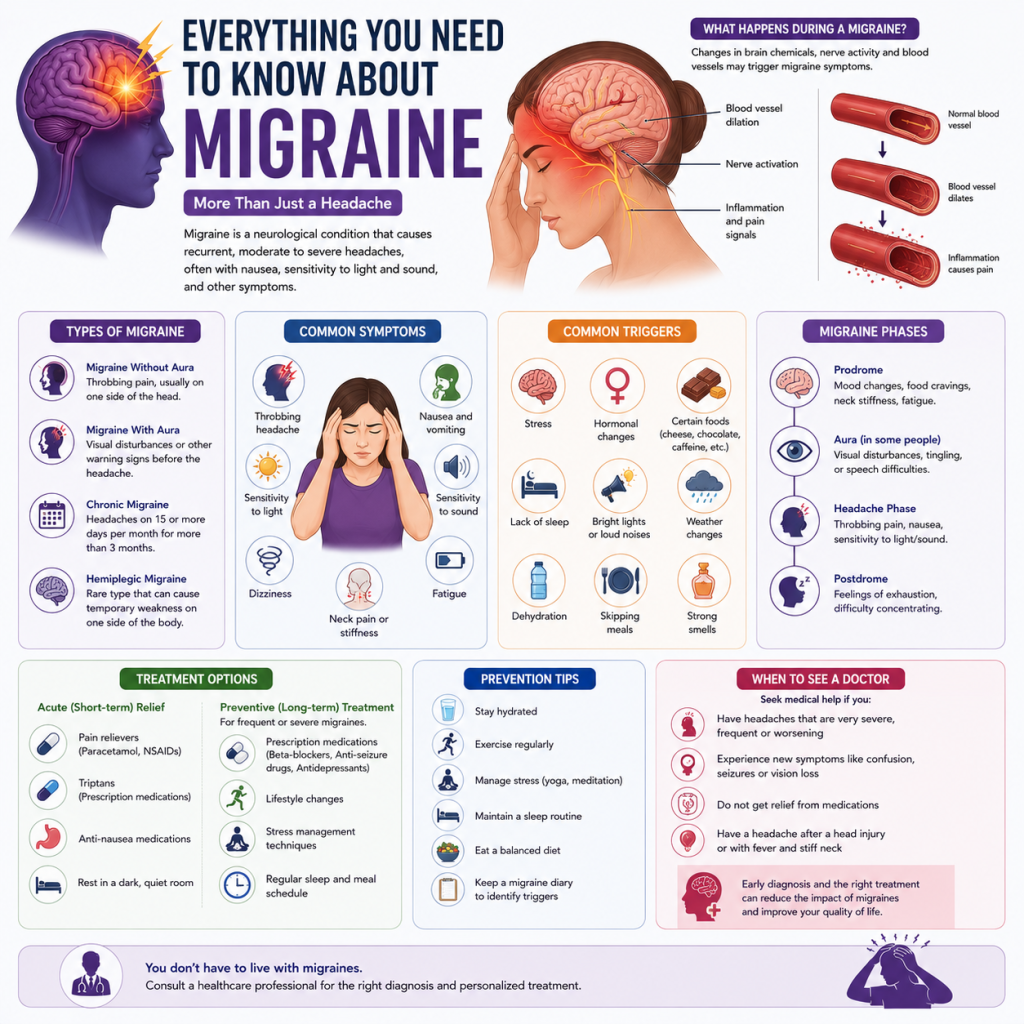
    Medical infographic explaining migraine with an anatomical brain illustration, common symptoms, triggers, migraine phases, treatment options, prevention tips, and guidance on when to seek medical care.

    The Migraine Experience: A Spectrum of Symptoms

    Migraine attacks can manifest in a wide range of intensities and durations. Common symptoms include:

    • Headache: The hallmark of migraine, often described as a throbbing or pulsating pain, frequently localized to one side of the head.
    • Nausea and Vomiting: These are frequent companions to migraine attacks, often making it challenging to eat or drink.
    • Sensitivity to Light and Sound: Even minor exposure to light or sound can be excruciatingly painful during an attack.
    • Visual Disturbances: These can include flashes of light, blind spots, or zigzagging lines (known as an aura).
    • Numbness or Tingling:  Can occur in the face, arms, or legs.
    • Fatigue: Exhaustion often follows a migraine attack.

    The Diverse Landscape of Migraine

    Migraine presents itself in a spectrum of forms, each with unique characteristics. Some common types include:

    • Migraine Without Aura: This is the most prevalent type, characterized by severe headache without any preceding visual or sensory symptoms.
    • Migraine With Aura: This type is preceded by an aura, which can encompass visual disturbances, sensory changes, or speech difficulties.
    • Chronic Migraine: Individuals with chronic migraine experience headaches on 15 or more days per month, with at least eight of those days meeting the diagnostic criteria for migraine.
    • Menstrual Migraine: This type occurs in association with the menstrual cycle.

    Unraveling the Triggers: What Initiates an Attack?

    While the precise origins of migraine remain elusive, various factors can trigger an attack. Common triggers include:

    • Stress: Both emotional and physical stress can act as significant triggers.
    • Hormonal Fluctuations: Changes in estrogen levels, particularly during menstruation, can trigger migraines in some women.
    • Dietary Factors: Certain foods and beverages such as alcohol, caffeine, chocolate, and aged cheeses, can trigger migraines.
    • Sensory Stimuli: Exposure to bright lights, loud noises, and strong smells can trigger an attack.
    • Sleep Disturbances: Both excessive sleep and insufficient sleep can trigger a migraine.
    • Physical Activity: In some cases, strenuous exercise can trigger an attack.
    • Weather Changes: Changes in barometric pressure or temperature can also act as triggers.

    Coping with Migraine: Strategies for Management

    Living with migraine can be challenging, but effective management strategies can significantly improve quality of life. These strategies include:

    • Identifying and Avoiding Triggers: Maintaining a migraine diary can help identify personal triggers and enable proactive avoidance.
    • Stress Management Techniques: Relaxation techniques such as  meditation, deep breathing exercises, and yoga can help reduce stress and prevent attacks.
    • Dietary Adjustments: Limiting or avoiding trigger beverages and food can help reduce the frequency and severity of migraines.
    • Prioritizing Sleep: Maintaining a consistent sleep schedule can help prevent migraine attacks.
    • Over-the-Counter Pain Relief: Over-the-counter pain relievers provide temporary relief from migraine pain.  
    •  
    • Prescription Medications: In certain cases, prescription medications may be necessary to manage migraine.

    When to Seek Professional Guidance

    It is essential to consult with a healthcare professional if:

    • Your migraines are frequent and severe.
    • Over-the-counter medications are ineffective.
    • You experience severe or unusual symptoms.
    • You suspect an underlying medical condition.

    Living Well with Migraine: A Holistic Approach

    Living well with migraine requires a multifaceted approach that encompasses:

    • Understanding Your Triggers: Identifying and avoiding your personal triggers is fundamental for migraine prevention.
    • Managing Stress: Incorporate stress-reducing techniques into your daily routine.
    • Maintaining a Healthy Lifestyle: Prioritize a balanced diet, adequate sleep, and regular physical activity.
    • Seeking Support: Connect with others who understand your experience by joining a support group or connecting with online communities.

    The Importance of Early Diagnosis and Treatment

    Early diagnosis and treatment are crucial for effective migraine management. If you suspect you may be experiencing migraines, consult with a healthcare professional.

    For expert migraine diagnosis and treatment, trust Shirdi Sai Hospital Pvt. Ltd. Our experienced neurologists provide personalized care plans to help you manage your migraines effectively. Schedule a consultation today and take control of your health.


  • Menopause: A Natural Transition with Lasting Impact

    Menopause: A Natural Transition with Lasting Impact

    Menopause is a natural stage in a woman’s life that signifies the conclusion of her menstrual cycles and the end of her fertility. It is typically diagnosed when a woman has not had a period for 12 consecutive months. While the average age of menopause is 51, it can start earlier, often in the 40s. Although menopause is a normal part of aging, the transition can come with physical and emotional challenges. Understanding what to expect during this time can help women manage the symptoms with confidence and ease.

    What Are the Key Symptoms of Menopause?

    The transition to menopause, known as perimenopause, usually lasts anywhere from 2 to 8 years. During this time, hormone levels fluctuate, causing a range of symptoms, including:

    • Irregular Periods: Your menstrual cycles may become unpredictable, with changes in length, flow, or frequency.
    • Hot Flashes & Night Sweats: These sudden sensations of intense heat can happen at any time, day or night.
    • Sleep Disturbance: Many women experience difficulty sleeping due to night sweats or insomnia.
    • Mood Swings: Hormonal changes can lead to irritability, anxiety, or depression.
    • Cognitive Changes: Many women experience difficulty focusing or remembering things, often referred to as “brain fog.”

    While these symptoms can be uncomfortable, it’s important to note that skipped periods are a normal part of the transition. However, pregnancy can still occur during perimenopause, so it is advised to continue using contraception until menopause is confirmed.

    Educational infographic explaining menopause with illustrations of hormonal changes, common symptoms, stages of menopause, long-term health effects, natural management tips, and guidance on when to seek medical care.

    When Should You Consult a Doctor?

    Regular check-ups are essential before, during, and after menopause to ensure overall health. If you notice any unusual symptoms, like vaginal bleeding after menopause, it’s important to consult a doctor right away, as it could indicate an underlying health issue.

    What Are the Causes of Menopause?

    Menopause typically occurs due to a natural decline in reproductive hormones. As a woman ages,The ovaries slowly produce lower levels of estrogen and progesterone, resulting in the end of menstrual cycles.

    • Surgical Removal of Ovaries: A procedure called oophorectomy, where the ovaries are removed, causes immediate menopause.
    • Cancer Treatments: Certain treatments like chemotherapy or radiation can bring on menopause early.
    • Primary Ovarian Insufficiency: Some women experience early menopause due to genetic factors or autoimmune conditions.

    What Are the Health Risks After Menopause?

    Post-menopausal women may face an increased risk of certain health conditions due to hormonal changes, such as:

    • Heart Disease: The decline in estrogen levels increases the risk of cardiovascular issues.
    • Osteoporosis: Reduced bone density can make bones more fragile, increasing the risk of fractures.
    • Urinary Incontinence: Hormonal changes can affect bladder control and increase the risk of urinary issues.

    To reduce these risks, adopting a healthy lifestyle with a balanced diet, regular physical activity, and proactive healthcare is vital.

    Menopause is a significant life transition, but with the right knowledge and support, women can navigate this stage with confidence. Understanding the causes, symptoms, and health risks associated with menopause, along with adopting a healthy lifestyle, can help reduce the impact of this phase on your quality of life.

    If you’re experiencing menopause symptoms or would like guidance on managing this transition, Shirdi Sai Hospital offers expert care and personalized treatment options. Reach out today to get the support you need to live your best life during menopause.

  • Asthma Awareness: Symptoms and Prevention

    Asthma Awareness: Symptoms and Prevention

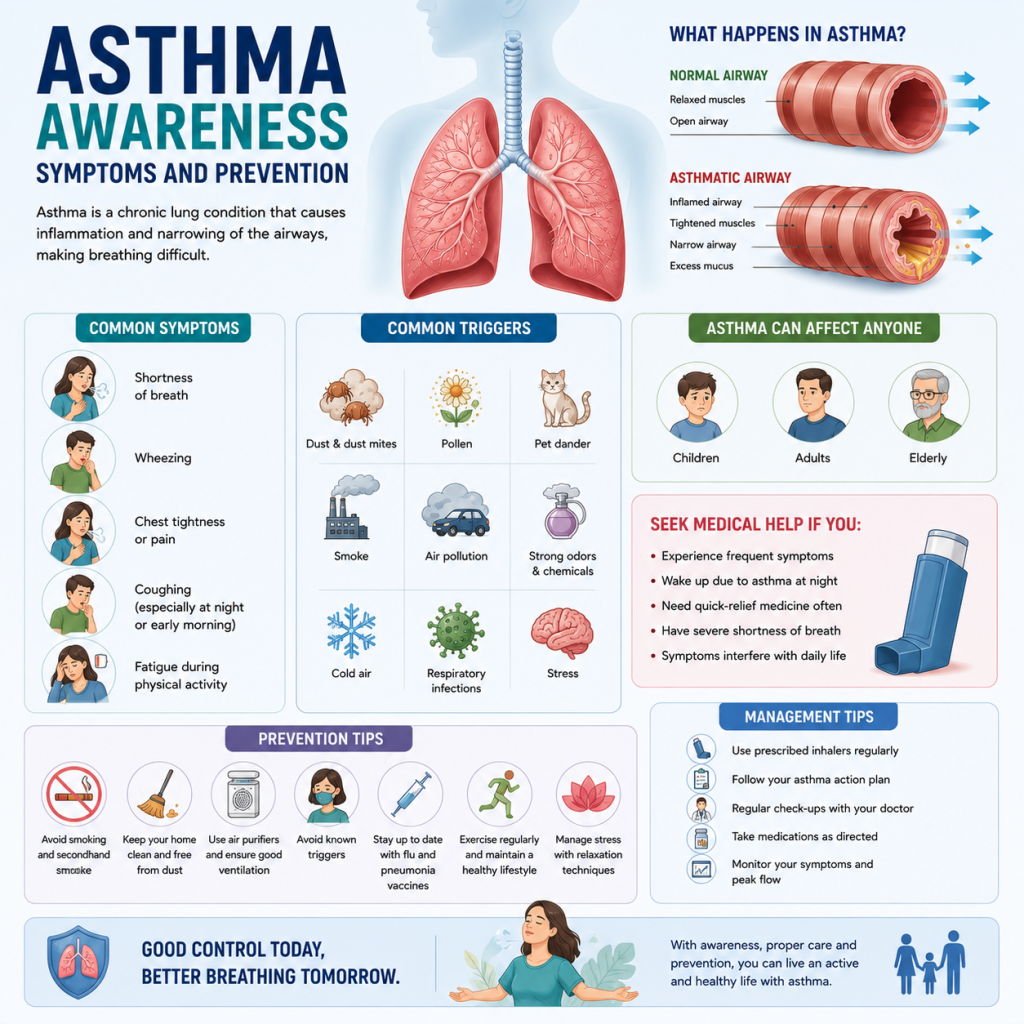
    Asthma is a long-term condition marked by the constriction and inflammation of the airways, often accompanied by excess mucus production. This can lead to difficulties in breathing, coughing, wheezing, and shortness of breath. While some individuals may experience mild symptoms, for others, asthma can significantly disrupt daily life and may even lead to severe, life-threatening attacks.

    Medical infographic illustrating asthma with lung anatomy, comparison of normal and inflamed airways, common symptoms, triggers, prevention tips, asthma management, and inhaler use.

    What Are the Common Symptoms of Asthma?

    Asthma symptoms can vary greatly among individuals. Common signs include:

    • Shortness of Breath: Trouble breathing whether during physical activity or while at rest.
    • Chest Tightness or Pain: A sensation of pressure in the chest.
    • Wheezing: A whistling sound when exhaling, particularly noticeable in children.
    • Coughing: Frequent coughs, especially at night or during exercise.
    • Increased Symptoms with Respiratory Infections: Coughing and wheezing can worsen with colds or flu.

    What Triggers Asthma Symptoms?

    Asthma symptoms can be triggered by various factors, such as:

    • Allergens: Pollen, dust mites, mold, pet dander, and cockroach waste.
    • Respiratory Infections: Such as the common cold.
    • Exercise: Particularly in cold, dry air.
    • Air Pollutants: Smoke, strong odours, and chemical fumes.
    • Emotional Stress: Intense emotions can provoke symptoms.

     When Should You See a doctor?

    It’s crucial to seek medical attention if you experience:

    • Worsening Symptoms: An increase in frequency or severity of symptoms.
    • Increased Use of Quick-Relief Inhalers: Needing your inhaler more often may indicate that your asthma is not well controlled.
    • Emergency Signs: Rapid worsening of breathlessness or wheezing, or if symptoms persist despite using your inhaler.

    How Can You Manage Asthma Effectively?

    While asthma cannot be cured, its symptoms can be managed through a combination of strategies:

    • Follow Your Asthma Action Plan: Work with your healthcare team to create a personalized plan that outlines medication usage and actions to take during an asthma attack.
    • Avoid Triggers: Identify and limit exposure to known allergens and irritants.
    • Regular Monitoring: Utilize a peak flow meter to assess your lung function.
    • your lung function and recognize early warning signs of an attack.
    • Medication Compliance: Take prescribed medications consistently and do not alter your regimen without consulting your doctor.

    What Are the Risks of Untreated Asthma?

    Untreated asthma can lead to significant complications, including persistent airway narrowing, frequent hospital visits, and side effects from overusing medications. Effective management is essential to maintaining a good quality of life and preventing serious health issues.

    Asthma is a manageable condition with proper care and attention. If you’re struggling with asthma symptoms or need assistance in developing a management plan, consult SHIRDI SAI HOSPITAL. With expertise in asthma care, SHIRDI SAI HOSPITAL can help you regain control over your breathing and improve your quality of life. Don’t wait—schedule an appointment today.