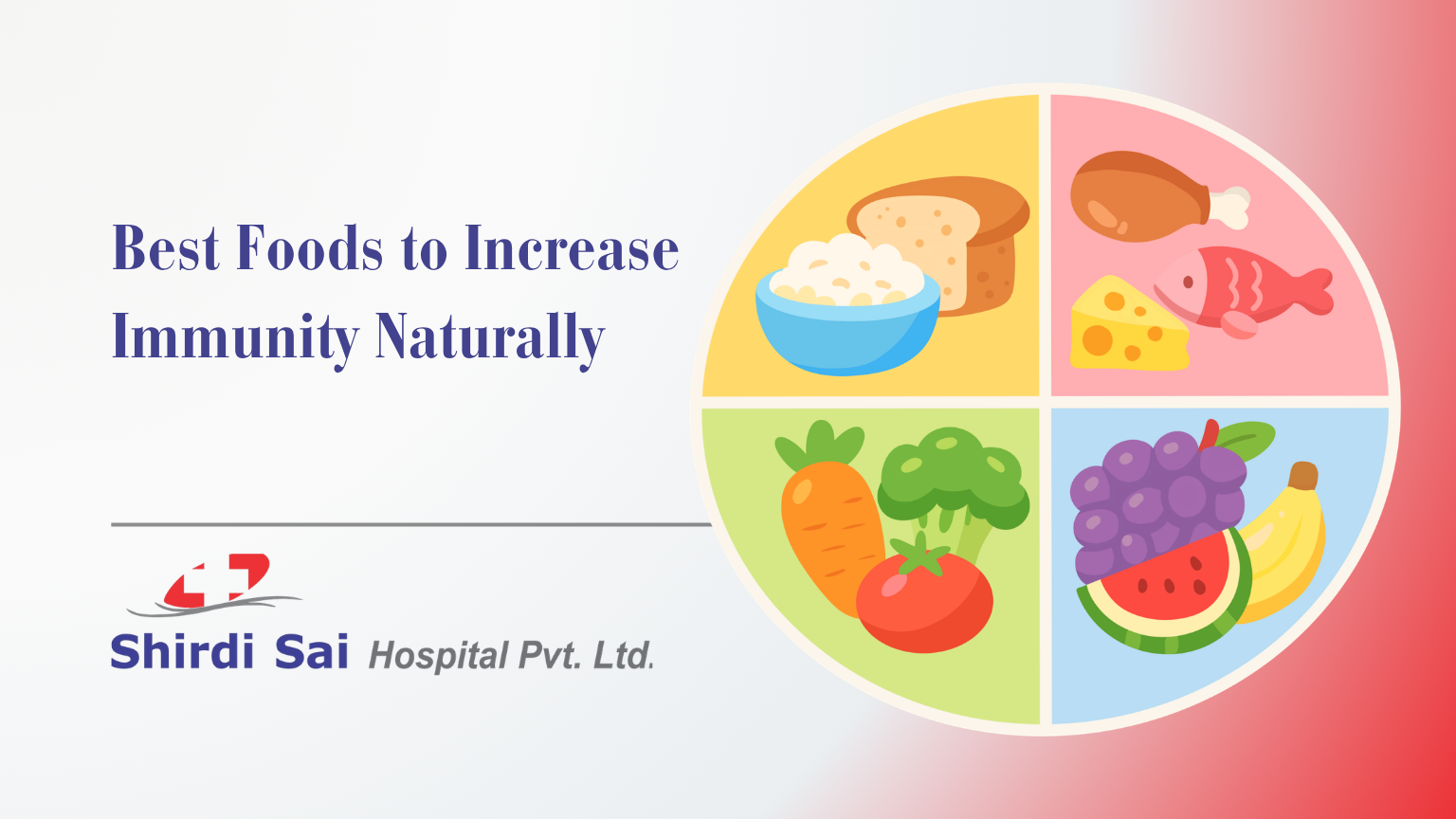
At Shirdi Sai Hospital, we advise patients that improving immunity naturally is not about chasing one miracle fruit, one home remedy, or one trending health drink. The strongest support for immunity usually comes from a balanced daily diet that includes fruits, vegetables, protein-rich foods, nuts, seeds, and gut-friendly foods like curd, along with proper sleep, hydration, and timely medical care when symptoms continue. In simple words, your body stays stronger when it is nourished regularly, not occasionally. For families living around New BEL Road, Devasandra, RMV 2nd Stage, Mathikere, Sanjaynagar, Hebbal, and nearby areas, practical Indian food habits can make a real difference when followed consistently.
Many people start thinking about immunity only after repeated colds, low energy, slow recovery, poor appetite, or frequent seasonal illness. In our day-to-day practice, we often see that people rely heavily on supplements or viral home remedies while ignoring the real issue, which is poor meal balance, low protein intake, poor sleep, dehydration, or delayed medical attention. This blog explains which foods can support immunity naturally, how to include them in an Indian routine, what daily mistakes to avoid, and when repeated illness should be checked by a doctor.

What does it really mean to have “low immunity”
People often use the phrase “low immunity” very casually. In practical terms, it usually means the body is not coping well with repeated infections, poor recovery, weakness, or other health issues as efficiently as it should.
Low immunity may show up as:
- repeated colds or throat infections
- fever that comes back often
- slow recovery after common illness
- feeling weak for long periods
- poor appetite
- low stamina
- a child falling sick very frequently
- an older person losing strength quickly after illness
At the same time, not every cold or fever means immunity is weak. Sometimes the issue may be stress, poor diet, poor sleep, an underlying medical condition, or repeated exposure to infection. That is why immunity should be looked at practically, not emotionally.
A strong immune system is usually built through steady food habits, daily care, and early medical attention when symptoms keep returning.
Why food matters for immunity
The body needs a regular supply of nutrients to function properly. This includes vitamins, minerals, protein, fibre, and healthy fats in the right balance. When meals are skipped, the diet lacks variety, or most food comes from processed snacks and sugary items, the body may not get what it needs for normal repair and defence.
This is one of the most common patterns we see. A person may say they are “eating enough,” but when their diet is reviewed more closely, it may be low in fruits, low in vegetables, low in protein, and high in tea, biscuits, junk food, or irregular meal timings.
Immunity does not improve because of one food. It improves when the overall quality of eating improves.
Food helps by:
- supporting normal body repair
- helping maintain strength and energy
- improving daily nutrition
- supporting gut health
- helping the body recover better during and after common illness
That is why a practical, balanced Indian diet is often more useful than expensive products marketed as immunity boosters.
Which nutrients matter most when supporting immunity naturally
Instead of thinking only in terms of “foods,” it helps to think in terms of what those foods give the body.
Vitamin-rich foods
Fruits and vegetables help improve the quality of the diet and support the body’s normal functions. This is why daily fruit and vegetable intake matters.
Protein-rich foods
Protein is essential for strength, repair, and recovery. People who eat fruit but do not eat enough dal, eggs, paneer, pulses, fish, or other protein sources may still feel weak.
Gut-friendly foods
Simple foods like curd can help support gut balance. Since overall health and digestion are closely linked, these foods can be useful in a regular diet.
Healthy fats and seeds
Nuts and seeds in moderate amounts help improve the quality of meals and make the diet more complete.
Hydration support
Even a good diet will not work well if the person is constantly dehydrated, especially in children, elderly people, and working adults who keep skipping water through the day.
The big picture is simple. The body needs variety, regularity, and balance.
15 best foods to increase immunity naturally
Below are the most practical foods we recommend people focus on. These are easy to understand, easy to find, and easy to include in Indian homes.
- Amla: One of the simplest traditional choices for improving the quality of the diet.
- Guava: A practical fruit that is affordable and easy to include.
- Orange: A familiar and easy fruit option for many families.
- Mosambi: Useful for those who prefer light, easy-to-digest fruits.
- Papaya: A practical option that fits easily into daily food patterns.
- Banana: Helpful as part of a balanced diet, especially when appetite is low.
- Leafy greens: Spinach and similar greens improve the quality of regular meals.
- Curd: A simple gut-friendly addition to lunch or dinner.
- Dal: One of the most practical everyday foods for strength and meal balance.
- Chickpeas: Useful in salads, curries, and snacks.
- Sprouts: Easy to add when prepared hygienically and eaten in moderation.
- Eggs: A practical source of nourishment for people who eat them.
- Paneer: A useful protein option in vegetarian diets.
- Nuts and seeds: Almonds, walnuts, sunflower seeds, pumpkin seeds in small portions.
- Ginger, garlic, and turmeric: Best used in regular food, not treated like magic solutions.
None of these foods work alone. Their value comes from regular use as part of a better overall routine.
Which fruits are best for immunity
There is no single fruit that can be called the best for everyone. The best fruit is usually the one that is fresh, affordable, suitable for the person’s health, and easy to eat regularly.
For most families, the best practical choices are:
- amla
- guava
- orange
- mosambi
- papaya
- banana
- seasonal fruits available locally
The mistake many people make is trying to depend on one fruit only. A better approach is to rotate fruits through the week and focus on regular intake rather than novelty.
For example:
- one day guava
- another day papaya
- another day orange
- some days amla in a practical form
- seasonal fruit when available
For children, fruit may be easier to give as small cut portions rather than forcing large servings. For older adults, soft fruits like papaya may be more practical if chewing is an issue.
Which Indian foods can support immunity every day
At Shirdi Sai Hospital, our advice is always practical. A strong Indian immunity-supportive diet is not complicated. It is usually built from regular home food.
Daily useful choices include:
- idli with sambar
- dosa with chutney and a protein side when possible
- poha with peanuts
- upma with vegetables
- dal with rice or roti
- curd rice in moderation when suitable
- sprouts chaat
- vegetable sabzi
- leafy green curries
- paneer dishes
- eggs
- fish or chicken in moderate home-style preparation
- fruit between meals
- nuts or seeds in small amounts
This matters because many people ask, “What special food should I eat for immunity?” The answer is often not special food. It is proper food.
A person who eats regular home-cooked meals with fruit, vegetables, dal, curd, and protein is usually supporting immunity far better than someone who skips meals and then drinks one “immunity drink” at night.
Why gut health also matters when discussing immunity
A lot of people overlook gut health. If digestion is poor, bowel habits are irregular, food quality is low, or a person keeps eating outside food and processed snacks, overall health may suffer.
That is why simple habits matter:
- regular meal timing
- enough water
- curd when suitable
- fibre from fruits and vegetables
- avoiding excessive junk food
- not overeating late at night
A healthy gut does not automatically mean perfect immunity, but poor digestion and poor food habits often go together with low energy, poor eating, and weaker recovery.
This is especially important in children and elderly people, where digestion issues are often ignored until general health begins to drop.
Why protein matters just as much as fruits and vegetables
Many people think that improving immunity means eating more fruits. Fruits are useful, but fruits alone are not enough.
A diet that supports the body well also needs protein.
Good practical protein options include:
- dal
- moong
- chana
- rajma
- sprouts
- paneer
- curd
- milk if suitable
- eggs
- fish
- chicken
We often see patients who are eating fruit daily but still feel weak because their meals are low in protein. This is common in teenagers, working adults who skip lunch, elderly patients with poor appetite, and people recovering from illness.
So when planning food for immunity, do not build the plate around fruit alone. Build it around balance.
Foods and habits that may weaken immunity over time
There are also certain patterns that reduce the quality of daily nutrition and affect overall strength over time.
Food habits that may work against better immunity
- frequent junk food
- too many packaged snacks
- excess sugar
- repeated fried food intake
- too little fruit
- too few vegetables
- poor protein intake
- skipping breakfast
- eating only once or twice properly in a day
- very low water intake
Lifestyle habits that also matter
- poor sleep
- smoking
- long periods of stress
- no exercise
- very irregular meal timing
- delaying treatment for repeated infections
- depending only on self-medication
This is why immunity support must be looked at as a full lifestyle issue, not only a food issue.
A simple one-day Indian meal plan for better immunity
A practical day can look like this:
Early morning
Plain water
Breakfast
Idli, dosa, poha, or upma
Plus one fruit if possible
Mid-morning
Guava, papaya, orange, or another seasonal fruit
Lunch
Rice or roti with:
- dal
- one green vegetable
- one regular sabzi
- curd
Evening
Sprouts chaat, fruit, or a homemade snack
Tea is fine in moderation, but try not to replace real food with tea and biscuits every day
Dinner
Roti or rice with:
- paneer, dal, egg, fish, or chicken
- cooked vegetables
Bedtime if needed
Milk if suitable for the person
This is not a strict medical diet chart. It is an example of how simple daily food can be made more balanced.
Are morning drinks really enough to improve immunity
Many people ask about warm water, turmeric milk, ginger water, kadha, herbal drinks, and similar options.
These can be part of a home routine if they suit the person. But they should never be treated as a replacement for proper meals.
A common mistake is this:
the person skips fruit, skips protein, eats late, sleeps poorly, drinks less water, and then expects one morning drink to solve everything.
That does not work.
If you like a morning drink, keep it simple and sensible. But build your health mainly through:
- proper breakfast
- regular meals
- enough fruit and vegetables
- better protein intake
- hydration
- sleep
That is what supports the body properly over time.
Can children and older adults improve immunity naturally through food
Yes, but the approach should be age-appropriate.
For children
Focus on:
- regular meals
- fruit in small portions
- eggs, dal, paneer, or other protein
- curd if tolerated
- enough water
- proper sleep
Do not force too many powders, tonics, or random supplements unless advised.
For older adults
Focus on:
- easy-to-eat protein foods
- soft fruits
- hydration
- regular meal timing
- avoiding long gaps without food
- checking appetite loss, weakness, and repeated illness early
In both age groups, repeated illness should not be ignored by assuming it is “just weak immunity.”
When to Consult Your Doctor
Food changes are useful, but they should not delay medical care when symptoms are persistent, repeated, or unusual.
Please consult a doctor if you notice:
- repeated colds or repeated throat infection
- fever that keeps coming back
- poor appetite for many days
- unusual weakness
- weight loss
- slow recovery after common illness
- a child falling sick too often
- an elderly person becoming weak, sleepy, or less active
- tiredness that does not improve
- repeated stomach upset with poor eating
If you are consulting a hospital in Bangalore, especially around New BEL Road, Devasandra, RMV 2nd Stage, Mathikere, Sanjaynagar, Hebbal, or nearby areas, early medical evaluation can help identify whether the problem is mainly nutritional or whether there is an underlying issue that needs treatment.
Frequently Asked Questions
What are the best foods to increase immunity naturally
The best foods are usually fruits, vegetables, protein-rich foods, nuts, seeds, and gut-friendly foods like curd. A balanced daily diet supports immunity better than one superfood or one home remedy.
Which fruit is best for immunity
There is no single best fruit for everyone. In most Indian homes, amla, guava, orange, mosambi, papaya, and other seasonal fruits are practical and useful choices.
Does curd help immunity
Curd can be a useful part of a healthy diet because it supports gut balance and improves meal quality. It works best when included regularly with proper meals.
Can immunity improve in one day
No. Immunity usually improves through regular food habits, sleep, hydration, and overall health care. Quick fixes rarely give long-term results.
Which Indian foods are good for immunity
Amla, guava, citrus fruits, curd, dal, sprouts, leafy greens, eggs, paneer, nuts, seeds, ginger, turmeric, and seasonal vegetables are practical choices in an Indian diet.
Is one immunity drink enough to stay healthy
No. Morning drinks may be part of a healthy routine, but they cannot replace balanced meals, protein intake, fruits, vegetables, hydration, and sleep.
When should low immunity symptoms be checked by a doctor
If you have repeated infections, poor appetite, weakness, slow recovery, weight loss, or a child who keeps falling sick, medical evaluation is important.
Conclusion
The best foods to increase immunity naturally are usually simple, daily, home-based foods rather than expensive products or internet trends. Fruits, vegetables, curd, dal, protein-rich foods, nuts, seeds, and enough water can help the body stay stronger when they are part of a regular routine.
At Shirdi Sai Hospital, we encourage families to take a practical and professional view of immunity. Eat regularly. Improve meal quality. Sleep well. Stay active. And most importantly, do not ignore repeated illness, weakness, poor appetite, or slow recovery. For residents around New BEL Road and nearby areas such as Devasandra, RMV 2nd Stage, Mathikere, Sanjaynagar, and Hebbal, early consultation often helps identify the real cause before the problem becomes more difficult to manage.
Kidney stone treatment near New BEL road
Dj stent in Shirdi Sai Hospital
Urology Hospital in North Bangalore

Leave a Reply