Tag: urinary problem doctor in bangalore

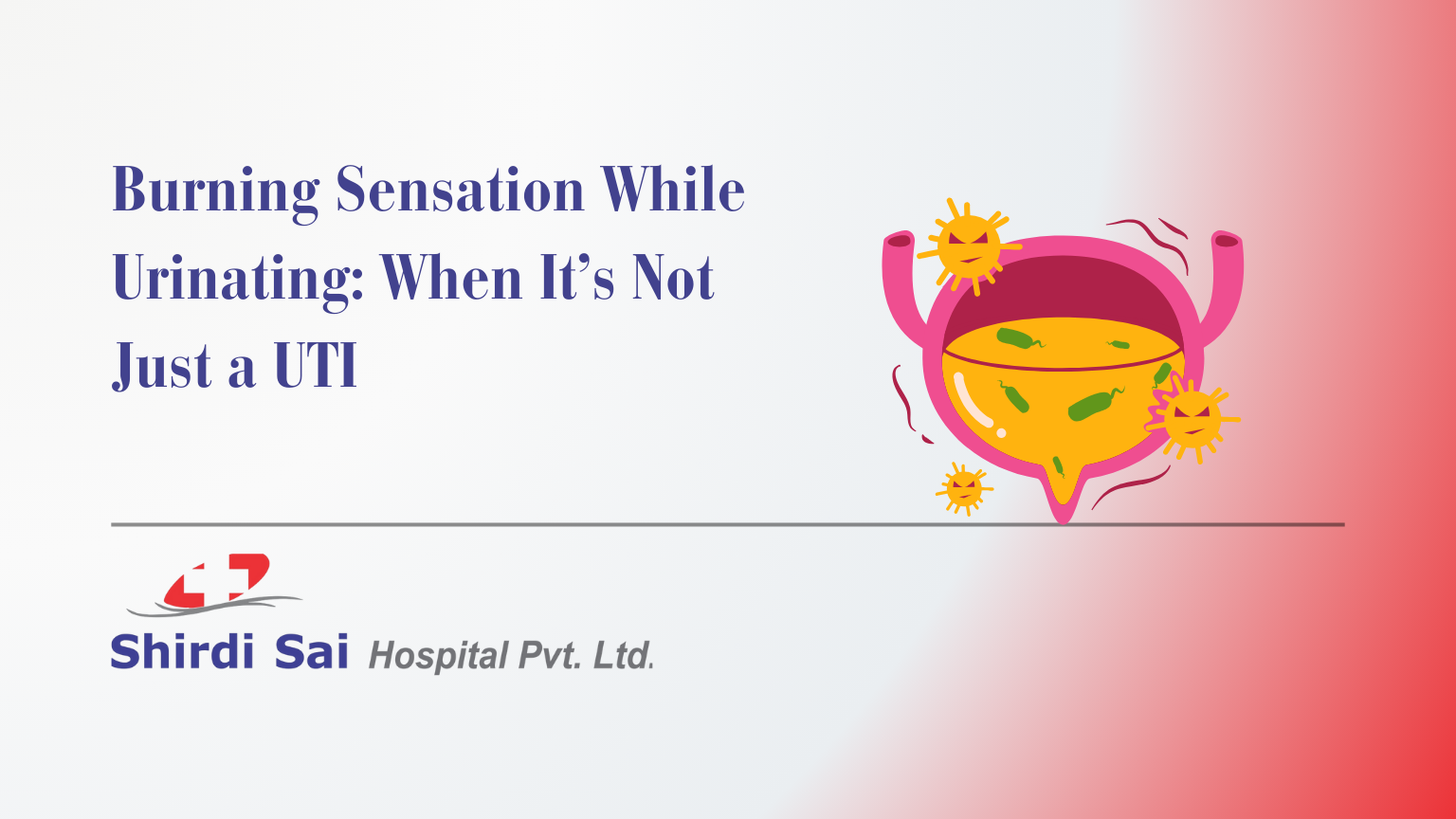
  • Burning Sensation While Urinating: When It’s Not Just a UTI

    Burning Sensation While Urinating: When It’s Not Just a UTI

    A burning sensation while passing urine is one of the most uncomfortable symptoms people experience. The first thought for most patients is a urinary tract infection (UTI), and many start antibiotics on their own. Sometimes the burning reduces. Sometimes it does not. In many cases, the symptom keeps returning.

    This leads to confusion.

    The truth is simple. Burning while urinating is not always caused by a UTI. Several other conditions can produce the same sensation, and treating everything as an infection may delay the right care.

    This blog explains the common causes of burning urination, when it is a UTI, and when it is something else that needs medical attention.


    What causes a burning sensation while urinating?

    Burning during urination happens when the lining of the urinary tract becomes irritated or inflamed. This irritation may be due to infection, inflammation, stones, or even external factors.

    Because multiple conditions affect the same urinary passage, symptoms often overlap, making self-diagnosis unreliable.


    When burning urination is caused by a UTI

    UTI is one of the most common causes, especially in women.

    Typical signs include:

    • Burning while passing urine
    • Frequent urge to urinate
    • Passing small amounts of urine
    • Cloudy or foul-smelling urine
    • Lower abdominal discomfort

    In such cases, antibiotics prescribed after urine testing usually resolve symptoms within a few days.


    When burning urination is NOT just a UTI

    Many patients are surprised to learn that burning can occur even when urine tests are normal.

    Dehydration

    Low water intake can concentrate urine, making it more acidic. This concentrated urine can cause burning even without infection.

    Urinary stones

    Small stones or crystals can irritate the urinary tract, causing burning, pain, or blood in urine.

    Prostate-related issues (in men)

    Prostate inflammation or enlargement can lead to burning, weak urine flow, or difficulty emptying the bladder.

    Vaginal or genital infections

    In women, vaginal infections or local irritation can cause burning that feels like urinary pain, even when the bladder is normal.

    Sexually transmitted infections

    Some infections affect the urethra and cause burning without typical UTI findings. These need specific testing and treatment.

    Chemical or hygiene-related irritation

    Harsh soaps, intimate washes, or spermicides can irritate sensitive areas and cause burning sensations.


    Common medicines used for burning urination

    Treatment depends entirely on the cause.

    • Antibiotics are used only when infection is confirmed
    • Urinary alkalizers may be prescribed to reduce urine acidity
    • Pain-relief medicines may ease discomfort temporarily
    • Targeted treatment is required for stones, prostate issues, or genital infections

    Using antibiotics repeatedly without confirmation may reduce symptoms briefly but does not solve the underlying issue.


    Warning signs you should not ignore

    Consult a doctor if you notice:

    • Burning that persists for more than two to three days
    • Fever or chills
    • Blood in urine
    • Severe lower abdominal or back pain
    • Burning associated with discharge or itching
    • Recurrent episodes despite medicines

    These signs usually indicate a cause beyond simple irritation.


    How doctors evaluate burning urination at Shirdi Sai Hospital

    At Shirdi Sai Hospital, consultants focus on identifying the exact reason behind the symptom. Evaluation may include:

    • Urine routine and culture tests
    • Ultrasound if stones or obstruction are suspected
    • Blood tests when needed
    • Examination for prostate or genital causes
    • Review of hygiene and lifestyle factors

    This step-by-step approach avoids unnecessary medicines and ensures accurate treatment.


    Frequently asked questions

    Is burning urination always due to infection?
    No. Dehydration, stones, irritation, or prostate issues can also cause burning.

    Can drinking more water reduce burning?
    Yes, in mild cases caused by concentrated urine, hydration helps.

    Is it safe to take antibiotics without testing?
    Repeated antibiotic use without tests is not recommended.

    Why does burning return after treatment?
    Because the underlying cause may not have been addressed.

    When should I see a doctor?
    If burning is persistent, severe, or keeps recurring.


    When to consult a doctor

    If burning while urinating keeps coming back or does not improve with basic measures, early evaluation can prevent complications and repeated discomfort.

    📞 Call Shirdi Sai Hospital, Bangalore
    OPD consultation starts from ₹500
    Consultants will guide you with the right diagnosis and treatment.
  • Tablets for Frequent Urination at Night: Do They Really Work?

    Tablets for Frequent Urination at Night: Do They Really Work?

    Waking up two or three times every night to pass urine can slowly drain your energy. Sleep breaks, mornings feel heavy, and the day starts tired. Many people in Bangalore assume this is just age or stress and look for a tablet that will “settle the bladder.” Tablets can help in some situations, but night-time urination often has more than one cause. That is why medicines work for some people and not for others.

    This guide explains which tablets are commonly prescribed, when they help, and when it is better to get checked instead of continuing medicines on your own.


    What is frequent urination at night?

    Passing urine more than once at night is called nocturia. One visit occasionally can be normal, especially if you drink a lot of fluids late in the evening. Waking up repeatedly, night after night, is not normal and usually points to an underlying issue.


    Common reasons people pass urine frequently at night

    Night-time urination is a symptom, not a disease. Common causes include:

    • Enlarged prostate in men above 40
    • Overactive bladder, where the bladder contracts too often
    • Diabetes or poorly controlled blood sugar
    • Urinary tract infection, especially if burning is present
    • Excess evening fluids, tea, coffee, or alcohol
    • Certain blood pressure medicines that increase urine output

    Many patients have more than one reason at the same time, which is why a single tablet may not fully solve the problem.


    Common tablets prescribed for frequent urination at night

    Doctors choose medicines only after understanding the cause. Some commonly used tablets include:

    Medicines for overactive bladder

    Antimuscarinic medicines such as oxybutynin and tolterodine help relax the bladder muscle. They reduce urgency and frequent urges, including at night. These medicines work best when overactive bladder is the main issue.

    Medicines for prostate-related symptoms

    In men with prostate enlargement, alpha blockers like tamsulosin improve urine flow and reduce night-time frequency. These medicines address blockage, not bladder weakness.

    When antibiotics are used

    If frequent urination is due to a urinary infection, antibiotics are prescribed based on urine test results. Taking antibiotics without confirmation may temporarily reduce symptoms but not clear the infection.

    What medicines cannot fix

    Sleeping pills and painkillers do not treat the cause of night urination. They may improve sleep for a short time while the underlying problem continues.

    These medicines are prescribed only after evaluation and are not meant for self-use.


    When tablets actually help

    Medicines usually work well when:

    • The cause is correctly identified
    • Only one main issue is present
    • Tablets are taken regularly as advised
    • Lifestyle adjustments are followed alongside treatment

    Improvement is usually gradual over a few weeks, not overnight.


    Why tablets may not solve the problem

    This is where many people get stuck.

    Tablets may not give lasting relief if:

    • The diagnosis is incomplete
    • Diabetes or blood pressure is uncontrolled
    • Prostate enlargement is significant
    • Kidney or heart-related fluid issues are present
    • Medicines are taken irregularly or stopped early

    In such cases, medicines may reduce night trips for a while, but the problem returns.


    Warning signs you should not ignore

    Seek medical advice if you notice:

    • Sudden increase in night-time urination
    • Burning or pain while passing urine
    • Blood in urine
    • Weak or interrupted urine flow
    • Swelling of legs or breathlessness during the day

    These signs need evaluation rather than repeated tablet changes.


    How doctors evaluate frequent urination at night

    At Shirdi Sai Hospital, consultants look beyond symptoms and focus on the cause. Evaluation may include:

    • Urine routine and culture tests
    • Blood sugar assessment
    • Ultrasound of the abdomen or prostate
    • Review of current medications
    • Lifestyle and fluid-intake assessment

    This approach helps avoid long-term medicine dependence and repeated symptoms.


    Frequently asked questions

    Is frequent urination at night normal with age?
    Age increases risk, but repeated night-time urination should still be evaluated.

    Do prostate tablets need to be taken lifelong?
    Not always. Duration depends on symptoms, prostate size, and response.

    Can diabetes cause night-time urination?
    Yes. High blood sugar leads to excess urine production, especially at night.

    Are these tablets habit-forming?
    Most are not habit-forming, but they should be taken only under guidance.

    When should I see a doctor?
    If night urination affects sleep, recurs often, or is associated with pain or burning.


    When to consult a doctor

    If night-time urination is disturbing your sleep or tablets are not giving consistent relief, it is better to get clarity on the cause.

    📞 Call Shirdi Sai Hospital, Bangalore
    OPD consultation starts from ₹500
    Consultants will help identify the reason and guide safe treatment.