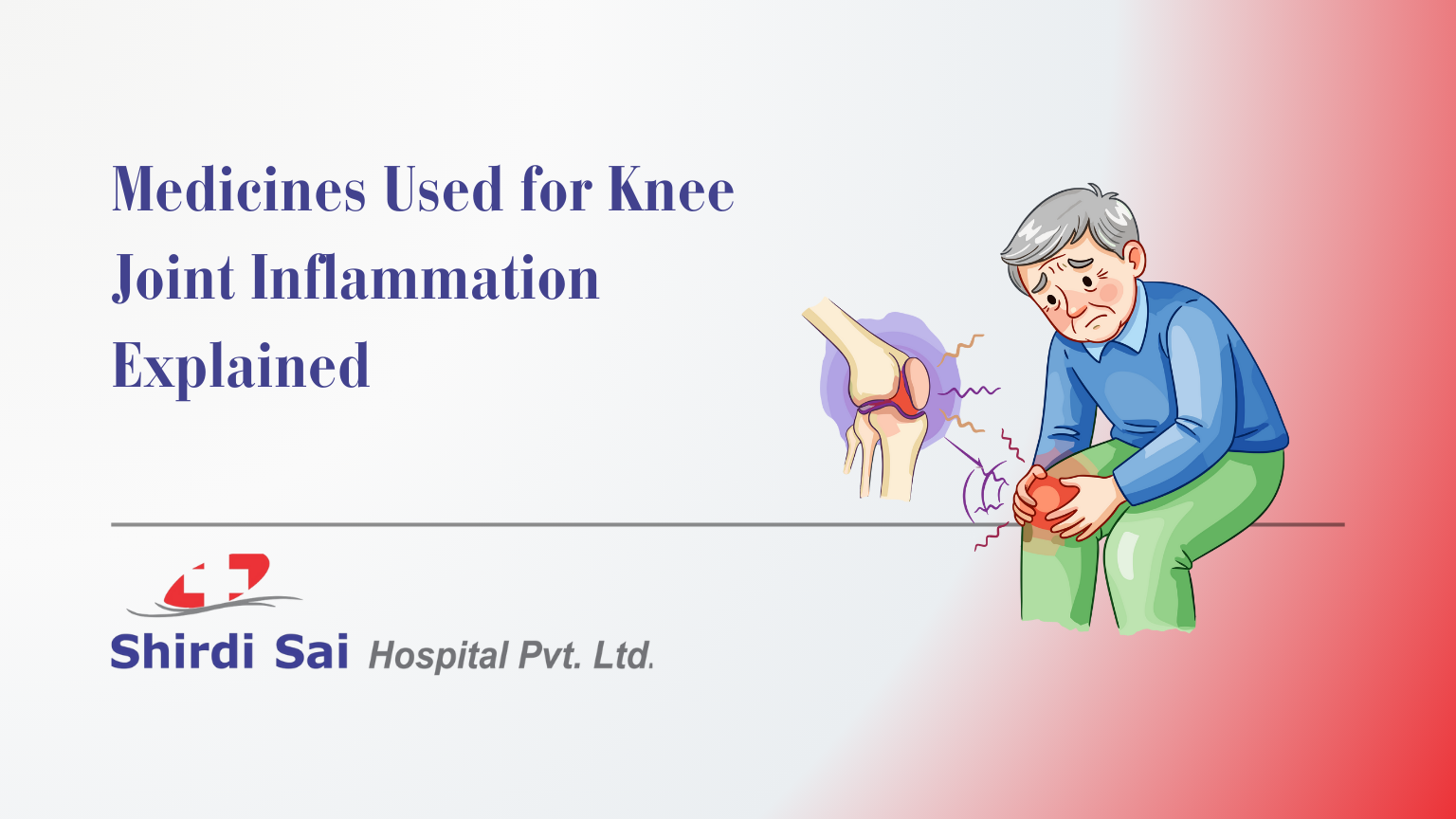
Knee joint inflammation is one of the most common reasons people experience pain, stiffness, and swelling around the knee. Many patients start medicines hoping the inflammation will settle permanently. Some do feel better for a while. Others notice the pain and swelling keep returning once the tablets stop.
This confusion is common. Medicines can control knee joint inflammation, but they do not work the same way for everyone. The result depends on why the joint is inflamed in the first place.
This blog explains which medicines are commonly used for knee joint inflammation, how they help, and when tablets alone are not enough.
What is knee joint inflammation?
Knee joint inflammation occurs when the tissues inside or around the joint become irritated. This may involve:
- The joint lining (synovium)
- Cartilage
- Surrounding ligaments or tendons
Inflammation leads to pain, swelling, warmth, and stiffness, especially after rest or activity. It can develop suddenly or progress slowly over time.
Common causes of knee joint inflammation
Understanding the cause is important because treatment depends on it.
Common reasons include:
- Early osteoarthritis
- Overuse or repetitive strain
- Old ligament or meniscus injuries
- Muscle imbalance around the knee
- Inflammatory conditions
- Excess body weight increasing joint load
Inflammation is often blamed on age, but in many patients, movement habits and joint stress play a major role.
Medicines commonly used for knee joint inflammation
Doctors prescribe medicines based on symptoms, severity, and medical history. Common categories include:
Anti-inflammatory painkillers (NSAIDs)
Medicines such as diclofenac and aceclofenac reduce both pain and inflammation. They are commonly prescribed for short-term relief during flare-ups.
They help control symptoms but do not repair cartilage or correct joint mechanics.
Paracetamol
Paracetamol helps reduce pain but has very little effect on inflammation. It is often used when inflammation is mild or when stronger medicines are not suitable.
Topical anti-inflammatory gels
Gels applied over the knee can reduce surface inflammation and discomfort. Their effect is usually temporary and works best as a supportive measure.
Short-term supportive medicines
In selected cases, doctors may prescribe additional medicines to protect the stomach or reduce swelling based on individual needs.
These medicines are prescribed after evaluation and are not meant for long-term self-use.
When medicines for inflammation work well
Medicines usually help when:
- Inflammation is mild to moderate
- The cause is temporary or activity-related
- Treatment is started early
- Medicines are combined with rest and physiotherapy
In such cases, swelling and pain gradually reduce, allowing the knee to recover.
Why inflammation returns after stopping medicines
This is a common concern.
Inflammation may come back if:
- The underlying joint problem is still present
- Muscle weakness around the knee is not corrected
- Body weight continues to stress the joint
- Alignment issues are ignored
- Medicines are used repeatedly without assessment
Tablets calm inflammation, but they do not remove the cause.
Risks of prolonged anti-inflammatory medicine use
Using anti-inflammatory medicines for long periods without supervision can lead to:
- Stomach irritation or ulcers
- Kidney strain
- Increase in blood pressure
- Reduced benefit over time
This is why knee joint inflammation should not be managed with tablets alone for months.
Warning signs you should not ignore
Consult an orthopaedic doctor if you notice:
- Persistent swelling around the knee
- Pain lasting more than two to three weeks
- Stiffness that does not improve with movement
- Difficulty bending or straightening the knee
- Pain affecting daily activities
These signs usually indicate the need for further evaluation.
How doctors treat knee joint inflammation at Shirdi Sai Hospital
Consultants at Shirdi Sai Hospital take a step-by-step approach:
- Detailed knee examination
- X-ray or MRI if required
- Assessment of joint alignment and muscle strength
- Physiotherapy guidance
- Medicine planning based on cause, not symptoms alone
The goal is to reduce inflammation safely and protect the joint in the long term.
Frequently asked questions
Do anti-inflammatory medicines cure knee inflammation?
They control inflammation but do not cure the underlying joint problem.
Is it safe to take anti-inflammatory tablets daily?
Daily use without medical supervision is not advised.
Can physiotherapy reduce knee inflammation?
Yes. Strengthening and movement correction often reduce repeated inflammation.
Are injections better than tablets?
Injections are used in selected cases after proper evaluation.
When should I see an orthopaedic doctor?
If swelling or pain keeps returning despite medicines.
When to consult a doctor
If knee swelling or pain keeps returning after medicines, early evaluation can prevent joint damage and long-term discomfort.
📞 Call Shirdi Sai Hospital, Bangalore
OPD consultation starts from ₹500
Consultants will guide you with the right treatment plan.