
Category: Health

  • How Long Does It Take to Recover from Plantar Fasciitis?

    How Long Does It Take to Recover from Plantar Fasciitis?

    Experiencing plantar fasciitis can heavily impact daily activities, making simple actions like walking painful. This is a common issue affecting the heel and underside of the foot. In this blog, we’ll explore how long it typically takes to heal from this condition, the countless factors influencing recovery, and helpful home treatments. Understanding these timelines and treatments is crucial to facilitate quicker recovery and prevent future complications. Whether you’ve just been diagnosed or are currently navigating this painful condition, gaining insight into the recovery process can aid in your healing journey.

    Understanding Plantar Fasciitis and Its Impact

    Plantar fasciitis occurs when the thick band of tissue on the bottom of the foot becomes inflamed. This often results from overuse, wearing shoes without appropriate support, or even standing for long periods. Key symptoms include sharp heel pain and stiffness, most noticeable when taking those first few steps in the morning. Such discomfort can severely limit mobility, making it crucial to identify the condition early. Catching plantar fasciitis early means you can start managing it right away, potentially reducing downtime and preventing the condition from worsening.

    Typical Recovery Timelines

    Recovery from plantar fasciitis varies based on severity:

    • Mild cases: Often resolve within 6 to 8 weeks with proper care and rest.
    • Moderate cases: Could take up to 6 months.
    • Chronic cases: Severe inflammation might need 12 to 18 months.

    Natural healing begins when early interventions are in place to stop the condition from escalating. In some instances, surgery becomes necessary, especially when conservative treatments fail. Post-surgery, most people can return to normal activities within a few weeks, but high-impact activities take longer.

    Key Factors Influencing Recovery Duration

    Several factors can influence how quickly one recovers from plantar fasciitis:

    • Severity of the condition: Earlier diagnosis usually means a quicker recovery.
    • Age and overall health: Younger, healthier individuals often heal faster.
    • Lifestyle: Active lifestyle adjustments can play a huge role.
    • Footwear choices: Supportive shoes, like plantar fasciitis running shoes, support recovery and prevent future issues.

    Choosing the right footwear, especially plantar fasciitis running shoes, can greatly enhance comfort and healing.

    Effective Treatment and Home Management Techniques

    Recovery begins at home. Here are some steps to consider:

    1. Rest and Ice: Give your feet time to heal while using ice to reduce swelling.
    2. Pain Relief: Over-the-counter pain relievers can help manage discomfort.
    3. Physical Therapy: Routine exercises and stretches play a vital role.
    4. Orthotics: Special shoe inserts support arches, reducing strain.
    5. Advanced Treatments:
    6. Corticosteroid injections to reduce inflammation.
    7. Shockwave therapy for stimulating healing.

    Additionally, lifestyle tweaks such as maintaining a healthy weight and choosing supportive footwear (like plantar fasciitis running shoes) can accelerate recovery.

    Inspirational Recovery Stories

    Hearing from those who’ve triumphed over plantar fasciitis can be motivating. Take Sarah, a runner, who struggled for months due to her choice of shoes. After switching to better-designed footwear and diligently following physiotherapy routines, she returned to racing in just a few months. Her story, like others, emphasizes determination, patience, and the right mindset, all helping aid recovery. Adopting a positive outlook and sticking to a consistent routine, like Sarah did, significantly boosts healing times.

    Preventative Strategies and Future Considerations

    Prevention is better than cure. Here are some proactive measures:

    • Lifestyle Adjustments: Post-recovery, maintaining a balanced weight and wearing shoes with good support helps.
    • Early Warning Signs: Stay alert to any discomfort to address issues early.
    • Regular Stretching and Exercises: Keep those foot muscles strong to avoid recurrence.

    By implementing supportive footwear and routine check-ins, you’re less likely to face hurdles down the line.

    The Emotional and Psychological Aspects of Recovery

    Coping with plantar fasciitis can be frustrating, often leading to emotional stress. It’s crucial to keep your spirits high. Strategies like setting small goals, daily affirmations, and relaxation exercises can improve mental resiliency. These can significantly aid in dealing with prolonged discomfort, making the physical recovery process smoother.

    Dispelling Myths and Unveiling Facts

    Myths surrounding plantar fasciitis recovery abound. Many believe rest alone can cure it quickly, but in truth, a multi-faceted approach is best. Informed decisions based on current research enable effective treatment, so stay updated and ask your doctor for advice.

    Conclusion and Final Thoughts

    To wrap up, understanding plantar fasciitis recovery timelines can be empowering. Factors such as early diagnosis, lifestyle choices, and supportive plantar fasciitis running shoes impact healing speed. It’s key to maintain a patient, proactive attitude throughout recovery. For personalized guidance, always reach out to healthcare professionals. They can tailor recovery plans to fit individual needs and ensure a swifter return to your regular routine. Remember, with the right approach and mindset, a full recovery is entirely achievable.

  • Understanding Diabetic Nephropathy: Causes, Symptoms, and How to Manage It

    Understanding Diabetic Nephropathy: Causes, Symptoms, and How to Manage It

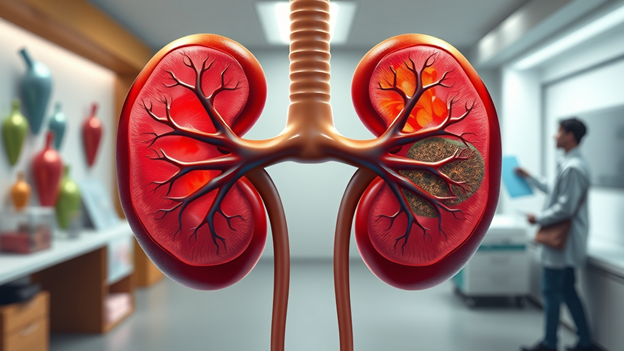
    Diabetic nephropathy is a scary-sounding term, but understanding it can make it less daunting. It primarily affects the kidneys, posing risks for those with diabetes. Thankfully, getting to know its roots, recognizing its signs, and learning about diabetic nephropathy management can help in reducing its impact.

    Unveiling Diabetic Nephropathy

    Diabetic nephropathy is a kidney disease caused by diabetes. When blood sugar levels stay high over time, they can harm the kidneys. This condition often links to both Type 1 and Type 2 diabetes. The kidneys filter waste from the blood. If they’re damaged, it can lead to serious health problems. Fortunately, knowing about the connection between diabetes and kidney health can guide you in preventing diabetic nephropathy. It’s essential to be aware because early detection allows for more effective diabetic nephropathy treatment.

    Being informed about these risks is your first step in prevention. Keeping diabetes under control can help protect kidneys. They are your body’s natural filters, so keeping them healthy is crucial. Strategies in your diabetic nephropathy management plan will center around maintaining those filters.

    Understanding the Causes Behind Diabetic Nephropathy

    High blood sugar levels are the main culprits of diabetic nephropathy. When levels aren’t controlled, they damage the kidney’s delicate filtering system. Another significant factor is diabetic nephropathy and hypertension. High blood pressure means more stress on your kidneys, accelerating damage.

    Besides these, several risk factors can exacerbate the condition: – Genetics: Family history plays a role. – Smoking: Bad for the heart, worse for your kidneys. – Obesity: Also increases blood pressure and sugar levels.

    These elements combined make up the perfect storm for kidney troubles. Awareness of these can boost your prevention strategies, focusing on tackling these causes can simplify diabetic nephropathy management.

    Recognizing the Stages of Diabetic Nephropathy

    Diabetic nephropathy progresses through five key stages.

    • Initially, the damage is mild and usually without symptoms. Most don’t know their kidneys are working overtime.
    • As it progresses, kidney function declines eventually, creating more noticeable symptoms until it may finally reach kidney failure.

    Each stage presents its own challenges, but recognizing early signs allows for better intervention, potentially halting progress with the right diabetic nephropathy treatment.

    Spotting Symptoms Early for Effective Intervention

    Catching diabetic nephropathy symptoms early is crucial. Symptoms might seem harmless initially. However, with time, you might notice swelling, especially in legs and feet, changes in urination, or unexplained fatigue.

    Early diagnosis is critical. Regular screenings can identify signs before they worsen. Spotting these symptoms early ensures quick action, making diabetic nephropathy management much more effective.

    Diagnosing Diabetic Nephropathy Early On

    Easy-to-do tests can discover early signs of diabetic nephropathy. Doctors usually recommend:

    • Urine tests: Check for albumin, a type of protein.
    • eGFR tests: Measure your kidney function.
    • Blood tests: Judge overall kidney health.

    Frequent check-ups are key—helping catch anything unusual early. Frequent screenings mean you’re always in the loop and ready for any necessary diabetic nephropathy treatment.

    Comprehensive Management Strategies

    Should you find yourself facing diabetic nephropathy, there are effective strategies to manage it:

    • Balance Blood Sugar: Crucial for kidney health.
    • Maintain Blood Pressure: High levels harm kidneys long-term.
    • Adjust Diet and Exercise: Follow a healthy diabetic nephropathy diet.
    • Medications: Doctors might suggest ACE inhibitors or ARBs, which protect kidneys.

    Implementing these steps can slow progression, allowing your kidneys to work efficiently. Tailoring your lifestyle around these strategies can ease any disease impacts.

    Adopting Lifestyle Modifications as a Preventive Strategy

    Quitting smoking and reducing alcohol are vital first steps.

    • Hydrate: Keep your body well-watered.
    • Regular Check-ups: Keep tabs on kidney health.

    These lifestyle changes play a significant role in fending off kidney troubles. Because it’s not just about treatment but preventing diabetic nephropathy from taking hold.

    Navigating Potential Complications

    With diabetic nephropathy, there are risks to be aware of:

    • The chance of kidney failure escalates—damaged kidneys can’t filter waste.
    • It also poses risks to cardiovascular health, stressing the heart.

    Severe cases might necessitate dialysis or even transplants. Being informed prepares you, ensuring you’re always a step ahead.

    Implementing Prevention Techniques for Lifelong Kidney Health

    Living a healthy life is paramount:

    • Regularly review your diabetes plan.
    • Focus on preventive screenings.

    By keeping priorities straight, you’ll enjoy lasting kidney health, making it easier to manage or prevent diabetic nephropathy.

    Living Positively Despite Diabetic Nephropathy

    Living with diabetic nephropathy might seem tough, but support makes it manageable. Surround yourself with friends and family—they’re your emotional backbone. Collaborate closely with your healthcare team.

    Together, they provide invaluable help and guidance, making challenges more bearable. With the right network, it’s possible to live well despite kidney issues.

    Conclusion: Empowerment Through Knowledge and Proactive Steps

    From being aware of symptoms to taking preventive steps, understanding diabetic nephropathy can transform outcomes. Embrace knowledge and action. Whether through lifestyle changes or regular check-ups, what’s key is taking charge.

    With an empowered, proactive approach, managing or even preventing diabetic nephropathy becomes achievable for all.

    Consult us today at Shirdi Sai Hospital for expert guidance!

  • The Essential Guide to Breast Cancer Awareness: What Everyone Needs to Know

    The Essential Guide to Breast Cancer Awareness: What Everyone Needs to Know

    Breast cancer awareness is vital. This guide helps you grasp crucial knowledge to combat breast cancer effectively. It emphasizes the role of breast cancer awareness in ensuring early detection and better outcomes.

    Introduction

    Breast cancer is a major health concern across the globe. Increasing breast cancer awareness can be a powerful tool in its fight. India, too, faces this challenge, making it crucial for the public to be informed. By understanding breast cancer awareness, communities can empower themselves with knowledge that leads to early detection and effective intervention. Learning about breast cancer awareness supports healthier choices and inspires action to improve survival rates.

    Let’s explore how awareness contributes to combating the disease and promoting health in local and broader contexts. This guide serves to enlighten every individual, encouraging responsibility and proactive involvement in addressing breast cancer.

    Understanding Breast Cancer

    Breast cancer begins when cells grow out of control in the breast. There are various types, like ductal carcinoma and lobular carcinoma. It’s essential to understand the stages, from early to advanced. The TNM staging system is used to figure out the extent of cancer: Tumor size (T), lymph Node involvement (N), and Metastasis (M). Such knowledge helps bring breast cancer awareness to the forefront. Recognizing symptoms and consulting healthcare providers aids in better management. Understanding the disease is the first step toward empowerment.

    1. The Need for Regular Screenings and Early Detection

    Screenings like mammograms, ultrasounds, and MRIs are essential. Regular check-ups can find cancer early when it’s more treatable. Breast cancer awareness emphasizes that women should start mammograms at age 40 or earlier based on their doctor’s advice. Early detection can significantly improve survival chances.

    • Screening Tests: Mammograms, ultrasounds, MRIs
    • Recommended Start Age: 40 years or earlier if at risk
    • Frequency: Annually or as advised by a doctor

    Statistics show that women who regularly undergo screenings are more likely to survive breast cancer. Keep breast cancer awareness active by making screenings a priority in your life.

    2. Lifestyle Modifications for Risk Reduction

    Living a healthy lifestyle can lower the risk of developing breast cancer. Here are some simple, actionable changes:

    • Eat balanced meals with fruits, vegetables, and whole grains.
    • Exercise regularly, aiming for at least 30 minutes a day.
    • Avoid alcohol and tobacco to further reduce risk.
    • Manage stress through activities like yoga, meditation, or hobbies.

    Breast cancer awareness involves incorporating these habits into daily life for overall well-being. These steps can greatly influence breast health, encouraging positive change for a healthier life.

    3. Genetic Factors and Family History

    If breast cancer runs in your family, genetics could play a role. Genes like BRCA1 and BRCA2 increase risk. There are genetic tests available in India to identify these risks. Knowing your genetic status can guide decision-making. If a test shows a genetic risk, consulting with a doctor for personalized advice is important. Breast cancer awareness includes being informed about genetic testing options here in India. Acting on this knowledge equips individuals to handle potential health risks effectively.

    4. Common Misconceptions and Myth Debunking

    Misunderstandings about breast cancer abound. Some believe injuries or underwire bras cause it, which isn’t true. Treatment myths can also mislead people. Trusting correct medical facts is crucial to keep breast cancer awareness authentic. Dispel myths by seeking verified information, helping friends and family do the same. Awareness means knowing what’s true and what’s not, ensuring that effective prevention and treatment methods are understood.

    5. Advances in Medical Technology and Treatment in India

    Medical technology evolves, improving breast cancer detection and treatment. New tools and therapies mean better care. Personalized medicine tailors treatment to individual needs, showing promising results. In India, targeted therapies are becoming more accessible. Our healthcare systems are adapting, providing specialized cancer care over time.

    These advancements highlight the progress in breast cancer awareness and treatment. With continued innovation, the future of treatment looks promising.

    6. Empowering Individuals Through Education

    Education is power. Regular self-examinations can detect early warning signs. Watch for lumps or unusual changes in the breast. Being aware of these signs encourages timely medical consultation. Breast cancer awareness empowers individuals to take control of their own health. Understanding what’s normal for your body can lead to early detection, improving outcomes.

    7. Regular Healthcare Visits Are Critical

    Routine visits to healthcare providers are vital for maintaining breast health. Building a relationship with your doctor helps in monitoring any changes. Breast cancer awareness involves recognizing the importance of these appointments. Regular check-ups play a crucial role in ensuring any health issues are addressed promptly.

    Conclusion

    This guide on breast cancer awareness walks through essential knowledge for a healthier future. Embrace proactive habits, understand your risks, and debunk myths. In India, this means spreading accurate information and encouraging early detection through screenings and regular check-ups. Supporting community efforts to raise breast cancer awareness can create a wave of positive change. By staying informed, you’re contributing to a healthier society and empowering others to do the same. Let’s keep learning, sharing, and taking action to better lives through effective breast cancer awareness.

    Consult us today at Shirdi Sai Hospital for expert guidance!

  • Liver Cirrhosis Explained: Symptoms, Causes, and Treatment Options

    Liver Cirrhosis Explained: Symptoms, Causes, and Treatment Options

    Understanding Liver Cirrhosis

    Liver cirrhosis occurs when the liver becomes damaged over time, leading to scarring, which makes it difficult for the liver to work well.

    The liver is like a cleaning machine. It filters toxins, aids digestion, and stores energy. When it gets scarred, these processes slow down, affecting overall health.

    As the condition advances, the liver struggles more with performing its duties. Liver cirrhosis stages can range from mild liver damage to severe scarring. In the early stages, symptoms might not be noticeable. However, in later stages, the effects become more pronounced. Understanding these stages is crucial since early detection can make a big difference in liver cirrhosis prognosis.

    Key Causes of Liver Cirrhosis

    Many factors can lead to liver cirrhosis. Common causes often stem from lifestyles. Here’s a closer look:

    • Chronic alcoholism: Regular and high consumption of alcohol can severely damage the liver over time.
    • Fatty liver disease: An unhealthy diet and lack of physical activity can result in fat buildup in the liver, leading to damage.
    • Viral infections: Infections like hepatitis B and C play a massive role. High-risk individuals must get vaccinated and tested regularly for these infections.

    Additionally, there are less common factors:

    • Autoimmune diseases: Sometimes, the body’s immune system attacks its own liver cells, causing inflammation and scarring.
    • Genetic predispositions: Rare genetic conditions can make an individual more susceptible to liver damage.

    Knowing these causes of liver cirrhosis helps in prevention and early intervention.

    Recognizing Symptoms of Liver Cirrhosis

    It is vital to spot liver cirrhosis symptoms early. Symptoms can start small, like feeling tired or sick—nausea. As damage progresses, symptoms can become more severe.

    Key symptoms include:

    1. Fatigue
    2. Nausea
    3. Liver tenderness

    Watch for ‘red flags’ that require immediate medical consultation. These include: vomiting blood and mental confusion. Early detection of liver cirrhosis symptoms can lead to quicker intervention and better management.

    Diagnosing Liver Cirrhosis: Steps and Challenges

    Liver cirrhosis diagnosis involves a few steps. Doctors will take a look at medical history and perform a physical exam. Additionally, lab tests might be necessary. These tests help in checking liver function and identifying the extent of damage.

    Regular check-ups are essential, especially for those at risk. Catching the symptoms early can stop the condition from getting worse. Despite challenges, early liver cirrhosis diagnosis improves chances of better health outcomes.

    Navigating Treatment Options for Liver Cirrhosis

    For liver cirrhosis treatment options, lifestyle changes are crucial. Here are some steps:

    • Eat nutritious foods: Opt for a balanced diet rich in fruits, vegetables, and lean proteins.
    • Avoid alcohol: Completely steer clear of alcohol to prevent further liver damage.

    Several medications exist for managing symptoms and attacking underlying causes, such as hepatitis infections. It’s vital to follow the doctor’s recommendations for any drugs prescribed.

    For severe cases, more advanced liver cirrhosis treatment options might include liver transplantation. Not everyone may need it, though. Additionally, meeting its criteria and understanding post-care is essential.

    Emphasizing Prevention: Lifestyle Changes and Vaccinations

    Prevention is always better than cure. Campaigns focusing on this can make a difference. For liver cirrhosis, consider these preventive steps:

    • Get vaccinated for hepatitis to minimize risk.
    • Stick to a healthy diet rich in nutrients.
    • Maintain a regular exercise routine to promote an overall healthy lifestyle.

    Public awareness plays a big role in prevention. Promoting early detection methods can save lives. Reinforcing good habits from the start helps significantly in keeping liver cirrhosis at bay.

    Conclusion and Resources: Taking Control of Your Liver Health

    Preventive steps can save your liver. Avoiding liver cirrhosis symptoms through early detection and lifestyle modifications can boost health. If any symptom arises, don’t wait. Seek advice from healthcare professionals. They can guide you aptly.

    Want to learn more or get support? Various resources and support groups exist. Utilize them to gain more insight and aid if needed. Let’s prioritize liver health together. Actively make informed choices today and maintain a happy, healthy life. Together, we can make a difference!

    Take the step today! Explore preventive measures for a healthier you. Remember, a healthy liver means a healthier life. Consult a healthcare provider now for personalized guidance.

    To take a proactive step towards better liver health, consider consulting with healthcare experts at Shirdi Sai Hospital. They offer personalized guidance and can help you understand the preventive measures necessary for maintaining a healthy liver. Don’t hesitate to reach out and schedule an appointment today to ensure a healthier and happier life.

    Visit Shirdi Sai Hospital or contact them to learn more about how you can protect your liver health. Take action now and make a significant difference in your well-being!

  • Everything You Need to Know About Migraine

    Everything You Need to Know About Migraine

    Migraine. The very word often conjures up images of debilitating pain, nausea, and an overwhelming need to retreat from the world. But what exactly is migraine, and why does it affect millions globally? This guide delves into the complexities of migraine, offering insights into its causes, diverse manifestations, and effective management strategies.

    Beyond the Headache: Understanding Migraine’s Nature

    Migraine transcends the definition of a “simple headache.” It’s a neurological disorder characterized by recurrent episodes of moderate to severe head pain, frequently accompanied by a constellation of other symptoms. These symptoms can significantly disrupt daily life, impacting work, studies, and personal relationships.

    The Migraine Experience: A Spectrum of Symptoms

    Migraine attacks can manifest in a wide range of intensities and durations. Common symptoms include:

    • Headache: The hallmark of migraine, often described as a throbbing or pulsating pain, frequently localized to one side of the head.
    • Nausea and Vomiting: These are frequent companions to migraine attacks, often making it challenging to eat or drink.
    • Sensitivity to Light and Sound: Even minor exposure to light or sound can be excruciatingly painful during an attack.
    • Visual Disturbances: These can include flashes of light, blind spots, or zigzagging lines (known as an aura).
    • Numbness or Tingling:  Can occur in the face, arms, or legs.
    • Fatigue: Exhaustion often follows a migraine attack.

    The Diverse Landscape of Migraine

    Migraine presents itself in a spectrum of forms, each with unique characteristics. Some common types include:

    • Migraine Without Aura: This is the most prevalent type, characterized by severe headache without any preceding visual or sensory symptoms.
    • Migraine With Aura: This type is preceded by an aura, which can encompass visual disturbances, sensory changes, or speech difficulties.
    • Chronic Migraine: Individuals with chronic migraine experience headaches on 15 or more days per month, with at least eight of those days meeting the diagnostic criteria for migraine.
    • Menstrual Migraine: This type occurs in association with the menstrual cycle.

    Unraveling the Triggers: What Initiates an Attack?

    While the precise origins of migraine remain elusive, various factors can trigger an attack. Common triggers include:

    • Stress: Both emotional and physical stress can act as significant triggers.
    • Hormonal Fluctuations: Changes in estrogen levels, particularly during menstruation, can trigger migraines in some women.
    • Dietary Factors: Certain foods and beverages such as alcohol, caffeine, chocolate, and aged cheeses, can trigger migraines.
    • Sensory Stimuli: Exposure to bright lights, loud noises, and strong smells can trigger an attack.
    • Sleep Disturbances: Both excessive sleep and insufficient sleep can trigger a migraine.
    • Physical Activity: In some cases, strenuous exercise can trigger an attack.
    • Weather Changes: Changes in barometric pressure or temperature can also act as triggers.

    Coping with Migraine: Strategies for Management

    Living with migraine can be challenging, but effective management strategies can significantly improve quality of life. These strategies include:

    • Identifying and Avoiding Triggers: Maintaining a migraine diary can help identify personal triggers and enable proactive avoidance.
    • Stress Management Techniques: Relaxation techniques such as  meditation, deep breathing exercises, and yoga can help reduce stress and prevent attacks.
    • Dietary Adjustments: Limiting or avoiding trigger beverages and food can help reduce the frequency and severity of migraines.
    • Prioritizing Sleep: Maintaining a consistent sleep schedule can help prevent migraine attacks.
    • Over-the-Counter Pain Relief: Over-the-counter pain relievers provide temporary relief from migraine pain.  
    •  
    • Prescription Medications: In certain cases, prescription medications may be necessary to manage migraine.

    When to Seek Professional Guidance

    It is essential to consult with a healthcare professional if:

    • Your migraines are frequent and severe.
    • Over-the-counter medications are ineffective.
    • You experience severe or unusual symptoms.
    • You suspect an underlying medical condition.

    Living Well with Migraine: A Holistic Approach

    Living well with migraine requires a multifaceted approach that encompasses:

    • Understanding Your Triggers: Identifying and avoiding your personal triggers is fundamental for migraine prevention.
    • Managing Stress: Incorporate stress-reducing techniques into your daily routine.
    • Maintaining a Healthy Lifestyle: Prioritize a balanced diet, adequate sleep, and regular physical activity.
    • Seeking Support: Connect with others who understand your experience by joining a support group or connecting with online communities.

    The Importance of Early Diagnosis and Treatment

    Early diagnosis and treatment are crucial for effective migraine management. If you suspect you may be experiencing migraines, consult with a healthcare professional.

    For expert migraine diagnosis and treatment, trust Shirdi Sai Hospital Pvt. Ltd. Our experienced neurologists provide personalized care plans to help you manage your migraines effectively. Schedule a consultation today and take control of your health.

  • Menopause: A Natural Transition with Lasting Impact

    Menopause: A Natural Transition with Lasting Impact

    Menopause is a natural stage in a woman’s life that signifies the conclusion of her menstrual cycles and the end of her fertility. It is typically diagnosed when a woman has not had a period for 12 consecutive months. While the average age of menopause is 51, it can start earlier, often in the 40s. Although menopause is a normal part of aging, the transition can come with physical and emotional challenges. Understanding what to expect during this time can help women manage the symptoms with confidence and ease.

    What Are the Key Symptoms of Menopause?

    The transition to menopause, known as perimenopause, usually lasts anywhere from 2 to 8 years. During this time, hormone levels fluctuate, causing a range of symptoms, including:

    • Irregular Periods: Your menstrual cycles may become unpredictable, with changes in length, flow, or frequency.
    • Hot Flashes & Night Sweats: These sudden sensations of intense heat can happen at any time, day or night.
    • Sleep Disturbance: Many women experience difficulty sleeping due to night sweats or insomnia.
    • Mood Swings: Hormonal changes can lead to irritability, anxiety, or depression.
    • Cognitive Changes: Many women experience difficulty focusing or remembering things, often referred to as “brain fog.”

    While these symptoms can be uncomfortable, it’s important to note that skipped periods are a normal part of the transition. However, pregnancy can still occur during perimenopause, so it is advised to continue using contraception until menopause is confirmed.

    When Should You Consult a Doctor?

    Regular check-ups are essential before, during, and after menopause to ensure overall health. If you notice any unusual symptoms, like vaginal bleeding after menopause, it’s important to consult a doctor right away, as it could indicate an underlying health issue.

    What Are the Causes of Menopause?

    Menopause typically occurs due to a natural decline in reproductive hormones. As a woman ages,The ovaries slowly produce lower levels of estrogen and progesterone, resulting in the end of menstrual cycles.

    • Surgical Removal of Ovaries: A procedure called oophorectomy, where the ovaries are removed, causes immediate menopause.
    • Cancer Treatments: Certain treatments like chemotherapy or radiation can bring on menopause early.
    • Primary Ovarian Insufficiency: Some women experience early menopause due to genetic factors or autoimmune conditions.

    What Are the Health Risks After Menopause?

    Post-menopausal women may face an increased risk of certain health conditions due to hormonal changes, such as:

    • Heart Disease: The decline in estrogen levels increases the risk of cardiovascular issues.
    • Osteoporosis: Reduced bone density can make bones more fragile, increasing the risk of fractures.
    • Urinary Incontinence: Hormonal changes can affect bladder control and increase the risk of urinary issues.

    To reduce these risks, adopting a healthy lifestyle with a balanced diet, regular physical activity, and proactive healthcare is vital.

    Menopause is a significant life transition, but with the right knowledge and support, women can navigate this stage with confidence. Understanding the causes, symptoms, and health risks associated with menopause, along with adopting a healthy lifestyle, can help reduce the impact of this phase on your quality of life.

    If you’re experiencing menopause symptoms or would like guidance on managing this transition, Shirdi Sai Hospital offers expert care and personalized treatment options. Reach out today to get the support you need to live your best life during menopause.