Category: Health

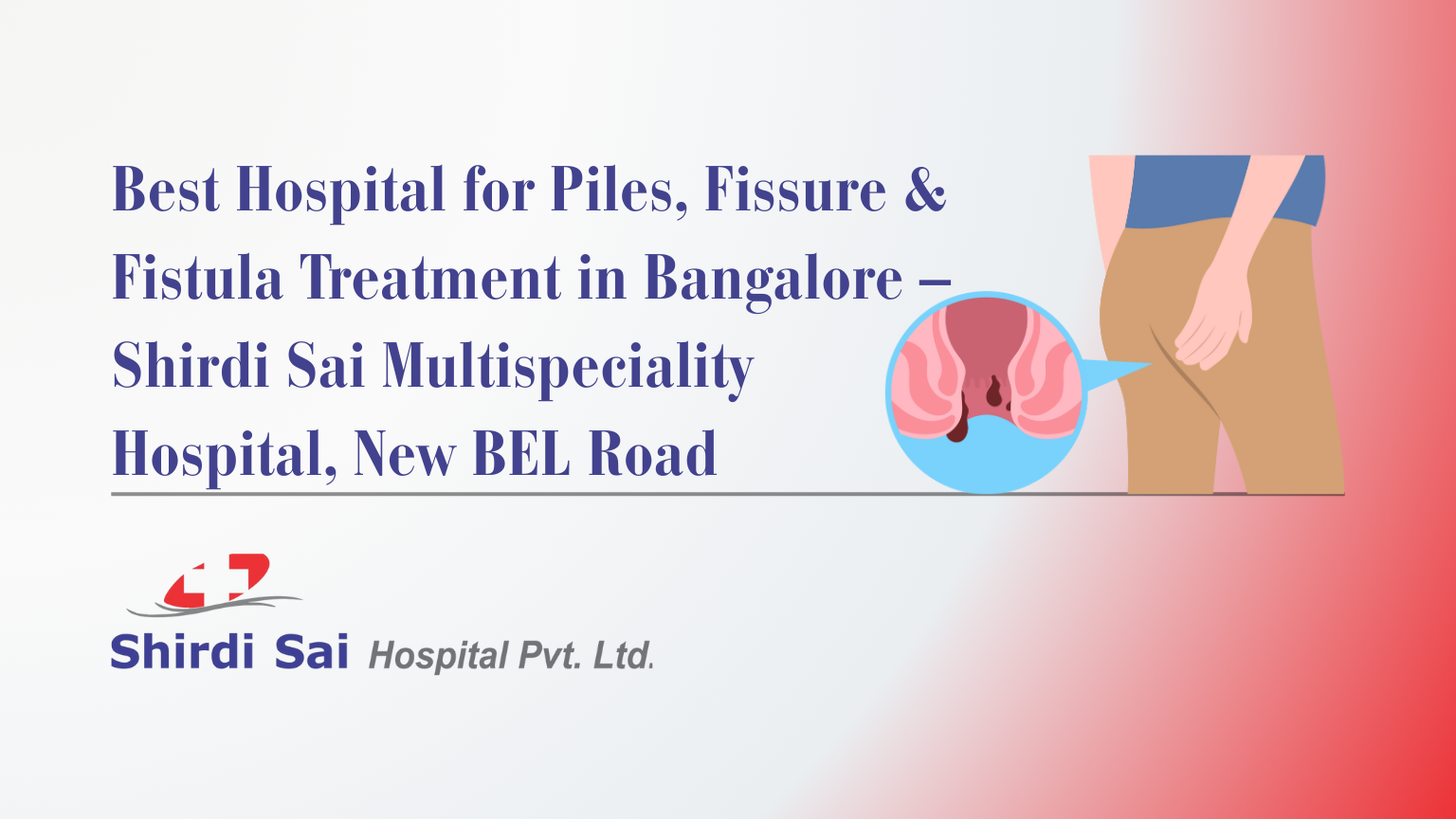
  • Best Hospital for Piles, Fissure & Fistula Treatment in Bangalore – Shirdi Sai Multispeciality Hospital, New BEL Road

    Best Hospital for Piles, Fissure & Fistula Treatment in Bangalore – Shirdi Sai Multispeciality Hospital, New BEL Road

    Advanced Laser & Minimally Invasive Proctology Care

    Proctology conditions like piles, fissure, and fistula can cause severe pain, bleeding, and embarrassment if not treated properly. At Shirdi Sai Multispeciality Hospital, New BEL Road, Bangalore, we provide modern laser surgery and minimally invasive treatments for quick, painless, and long-lasting relief. Our expertise and patient care make us one of the best hospitals in Bangalore for piles, fissure, and fistula treatment.


    🔎 Understanding the Conditions

    • Piles (Hemorrhoids): Swollen blood vessels in the anal region causing pain, itching, and bleeding.
    • Anal Fissure: Small tear in the anal lining leading to sharp pain and blood during bowel movements.
    • Anal Fistula: Abnormal tunnel between the anal canal and skin, causing pus discharge and recurrent infections.

    ✅ Symptoms

    Piles: Bleeding during stool, itching, lumps near anus.
    Fissure: Severe pain while passing stool, visible tear, burning sensation.
    Fistula: Persistent pus/blood discharge, swelling, repeated abscesses.


    ⚠️ When to See a Doctor

    Seek treatment immediately if you notice:

    • Continuous bleeding
    • Pain lasting more than a week
    • Recurrent infections or abscesses
    • Bulging veins or visible tears

    Delaying treatment can worsen the condition and increase the risk of complications.


    🩺 Treatments at Shirdi Sai Hospital

    • Lifestyle & Medications: For mild piles/fissures (diet changes, ointments).
    • Minimally Invasive Procedures: Rubber band ligation, sclerotherapy.
    • Laser Piles Surgery: Stitch-free, scar-free, minimal pain, fast recovery.
    • Laser Fissure Treatment: Quick healing, low recurrence.
    • Laser Fistula Surgery (FiLaC): Advanced technique with high success rates.

    💰 Treatment Cost in Bangalore

    Patients often ask: “How much does piles or fistula surgery cost in Bangalore?”

    At Shirdi Sai Hospital, we offer affordable and transparent packages:

    • Laser Piles Surgery: ₹40,000 – ₹65,000 (approx.)
    • Laser Fissure Surgery: ₹35,000 – ₹55,000 (approx.)
    • Laser Fistula Surgery: ₹60,000 – ₹90,000 (approx.)

    (Cost varies by severity & procedure. Insurance accepted.)


    👨‍⚕️ Why Choose Shirdi Sai Hospital?

    • Experienced Proctology surgeons with expertise in laser treatments
    • Day-care surgery – go home the same day
    • Minimal pain, quick recovery, low recurrence
    • Affordable packages with insurance support
    • Centrally located on New BEL Road, accessible from Hebbal, Yeshwanthpur, Malleshwaram, RT Nagar
    • ✅ Recognized among the top hospitals for piles, fissure, and fistula treatment in Bangalore

    ❓ FAQs – Piles, Fissure & Fistula

    Q1. Which hospital is best for piles treatment in Bangalore?
    👉 Shirdi Sai Hospital, New BEL Road, is among the best, offering advanced laser piles treatment with quick recovery.

    Q2. Is fissure surgery painful?
    Laser fissure treatment is almost painless with faster healing compared to conventional methods.

    Q3. Can fistula heal without surgery?
    No. Fistula requires surgical intervention, and laser surgery offers the best results.

    Q4. How long is recovery after laser surgery?
    Most patients resume normal activities within 3–5 days.

    Q5. Does insurance cover piles, fissure, and fistula surgery in Bangalore?
    Yes. Most insurance plans cover laser proctology surgeries at Shirdi Sai Hospital.


    📞 Call to Action

    Don’t suffer in silence. Get advanced laser treatment for piles, fissure, and fistula at Shirdi Sai Multispeciality Hospital, New BEL Road, Bangalore.

    👉 [Book Appointment] | [Call Now]
  • Best Hospital for PCOS & PCOD Treatment in Bangalore – Shirdi Sai Multispeciality Hospital, New BEL Road

    Best Hospital for PCOS & PCOD Treatment in Bangalore – Shirdi Sai Multispeciality Hospital, New BEL Road

    Comprehensive Women’s Health & Gynecology Care

    Polycystic Ovary Syndrome (PCOS) and Polycystic Ovary Disorder (PCOD) are among the most common hormonal conditions affecting women of reproductive age. They can cause irregular periods, weight gain, acne, and even infertility if left untreated. At Shirdi Sai Multispeciality Hospital, New BEL Road, Bangalore, our expert gynecology team provides personalized care for PCOS & PCOD, making us one of the best hospitals in Bangalore for women’s health treatment.


    🔎 Understanding PCOS & PCOD

    • PCOD (Polycystic Ovary Disorder): Ovaries produce immature eggs, leading to irregular periods and hormonal imbalance.
    • PCOS (Polycystic Ovary Syndrome): A more severe metabolic disorder with higher androgen levels, insulin resistance, and fertility issues.

    ✅ Symptoms of PCOS & PCOD

    • Irregular or missed menstrual cycles
    • Excessive hair growth (face/body)
    • Acne or oily skin
    • Weight gain (especially around the abdomen)
    • Hair thinning on the scalp
    • Difficulty conceiving
    • Fatigue & mood swings

    ⚠️ Causes & Risk Factors

    • Hormonal imbalance (androgens & insulin resistance)
    • Genetic predisposition
    • Unhealthy diet & sedentary lifestyle
    • Stress and lack of exercise

    🩺 PCOS & PCOD Treatment at Shirdi Sai Hospital

    Our gynecology team uses a multi-disciplinary approach:

    • Lifestyle Management: Diet counseling, exercise plans, stress management
    • Medications: Hormonal therapy, insulin-sensitizing drugs, fertility medicines
    • Fertility Support: Ovulation induction & reproductive assistance
    • Cosmetic Solutions: For acne, excessive hair growth, and skin care
    • Long-term Monitoring: To reduce risks of diabetes, hypertension, and endometrial cancer

    💰 PCOS & PCOD Treatment Cost in Bangalore

    Patients often search: “How much does PCOS treatment cost in Bangalore?”

    At Shirdi Sai Hospital, we provide affordable packages:

    • Initial Consultation + Tests: ₹1,500 – ₹3,500 (approx.)
    • Monthly Treatment Plans: ₹3,000 – ₹7,500 (depending on medicines & counseling)

    (Costs vary per patient needs. Insurance may cover fertility treatments.)


    👩‍⚕️ Why Choose Shirdi Sai Hospital?

    • Expert gynecologists specializing in PCOS & PCOD
    • Comprehensive women’s health services under one roof
    • Personalized care plans for fertility, hormones, and lifestyle management
    • Located on New BEL Road – easily accessible from Hebbal, Malleshwaram, Yeshwanthpur, RT Nagar
    • ✅ Recognized as one of the top hospitals in Bangalore for PCOS treatment

    ❓ FAQs – PCOS & PCOD

    Q1. Which hospital is best for PCOS treatment in Bangalore?
    👉 Shirdi Sai Hospital, New BEL Road, is among the best hospitals for PCOS & PCOD care with expert gynecologists.

    Q2. Can PCOS be cured permanently?
    PCOS cannot be fully cured, but symptoms can be managed effectively with lifestyle changes and treatment.

    Q3. Does PCOS affect fertility?
    Yes. PCOS is a leading cause of infertility, but with proper treatment, many women conceive successfully.

    Q4. What is the difference between PCOS and PCOD?
    PCOD is milder (ovulation issue), while PCOS is more severe with hormonal imbalance and metabolic complications.

    Q5. How long does PCOS treatment take?
    Treatment is long-term and depends on individual response, but symptom control is possible within months.


    📞 Call to Action

    Take control of your health with expert PCOS & PCOD treatment at Shirdi Sai Multispeciality Hospital, New BEL Road, Bangalore.

    👉 [Book Appointment] | [Call Now]
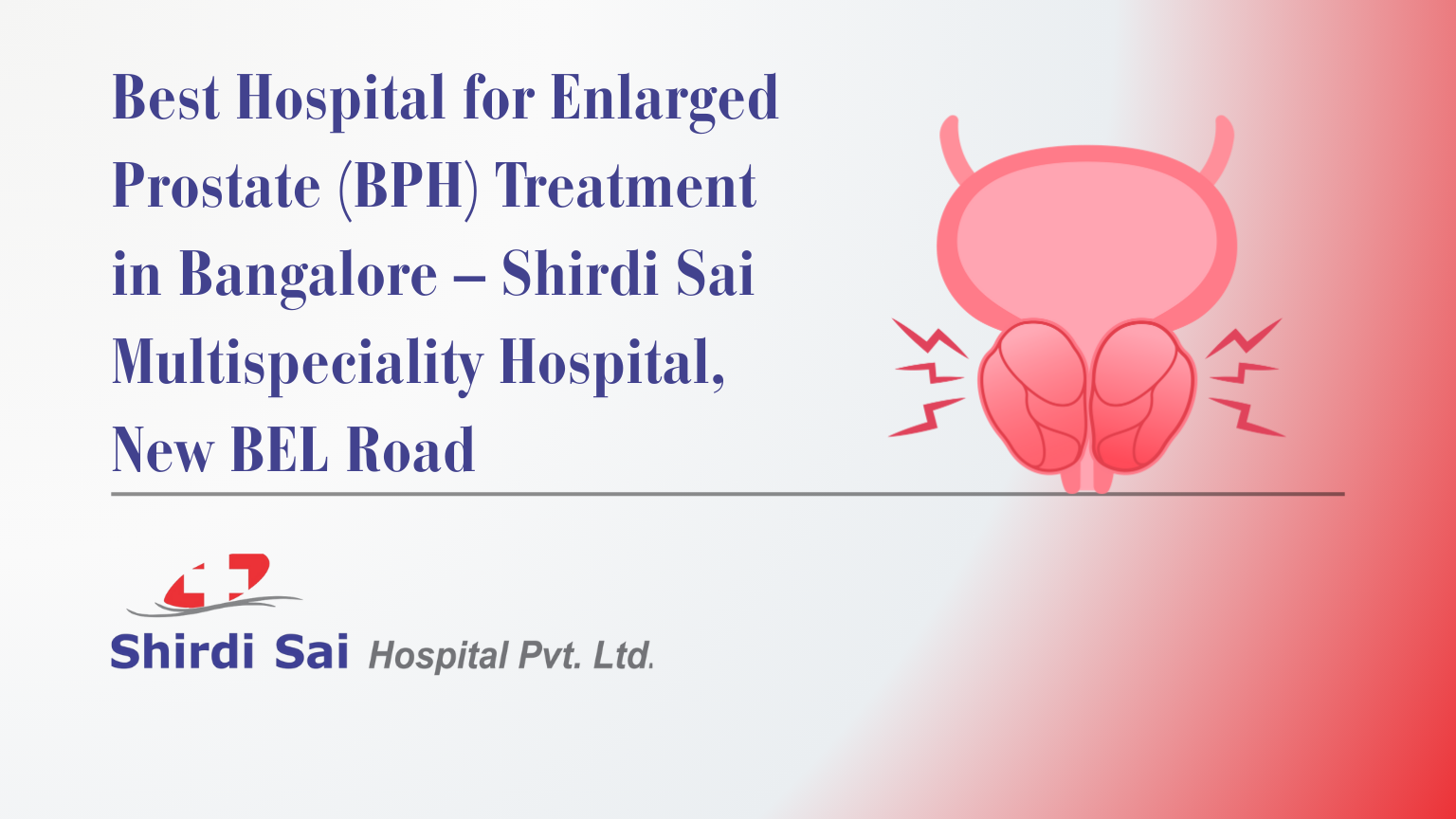
  • Best Hospital for Enlarged Prostate (BPH) Treatment in Bangalore – Shirdi Sai Multispeciality Hospital, New BEL Road

    Best Hospital for Enlarged Prostate (BPH) Treatment in Bangalore – Shirdi Sai Multispeciality Hospital, New BEL Road

    Advanced Urology Care for Men’s Health

    Benign Prostatic Hyperplasia (BPH), commonly known as enlarged prostate, is a condition affecting men over 50. It causes frequent urination, weak urine flow, and discomfort, significantly affecting quality of life. At Shirdi Sai Multispeciality Hospital, New BEL Road, Bangalore, our expert urologists specialize in advanced laser and minimally invasive prostate treatments, making us one of the best hospitals in Bangalore for enlarged prostate care.


    🔎 What is Enlarged Prostate (BPH)?

    BPH occurs when the prostate gland enlarges and presses against the urethra, blocking urine flow. While non-cancerous, untreated BPH can cause urinary retention, bladder damage, and kidney complications.


    ✅ Symptoms of Enlarged Prostate

    • Frequent urge to urinate, especially at night (nocturia)
    • Weak or interrupted urine flow
    • Difficulty starting urination
    • Incomplete emptying of bladder
    • Dribbling after urination
    • Urinary tract infections (UTIs)

    ⚠️ When Should You See a Doctor?

    Seek medical attention if you experience:

    • Complete inability to urinate
    • Blood in urine
    • Severe urinary frequency disrupting daily life
    • Recurrent infections

    🩺 Enlarged Prostate Treatments at Shirdi Sai Hospital

    Our urology team provides personalized treatment depending on severity:

    • Medications: To relax bladder muscles or shrink prostate
    • Minimally Invasive Procedures:
      • TURP (Transurethral Resection of Prostate) – Gold standard for BPH
      • Laser Prostate Surgery (HoLEP / GreenLight) – Minimal bleeding, faster recovery
      • UroLift System – Non-invasive option to relieve obstruction
    • Surgical Options: For severe or complicated BPH cases

    💰 Enlarged Prostate Treatment Cost in Bangalore

    Patients often ask: “What is the cost of prostate surgery in Bangalore?”

    At Shirdi Sai Hospital, we provide affordable packages:

    • Laser Prostate Surgery: ₹95,000 – ₹1,50,000 (approx.)
    • TURP Surgery: ₹70,000 – ₹1,10,000 (approx.)

    (Final cost depends on patient condition & procedure. Insurance accepted.)


    👨‍⚕️ Why Choose Shirdi Sai Hospital?

    • Experienced urologists with 15+ years of expertise
    • Advanced laser & endoscopic equipment
    • Quick recovery & minimal complications
    • Affordable, insurance-covered treatments
    • Located on New BEL Road – accessible from Hebbal, Malleshwaram, Yeshwanthpur, RT Nagar
    • ✅ Recognized among the top hospitals in Bangalore for prostate surgery

    ❓ FAQs – Enlarged Prostate (BPH)

    Q1. Which hospital is best for enlarged prostate treatment in Bangalore?
    👉 Shirdi Sai Hospital, New BEL Road, is among the best hospitals offering advanced BPH treatments.

    Q2. Is prostate enlargement cancer?
    No. BPH is non-cancerous, though symptoms may mimic prostate cancer, so evaluation is important.

    Q3. What is the recovery time after prostate surgery?
    Most patients recover in 1–2 weeks (laser) or 2–4 weeks (TURP).

    Q4. Is laser surgery better for BPH?
    Yes. Laser prostate surgery offers minimal bleeding, shorter hospital stay, and quick recovery.

    Q5. Does insurance cover prostate surgery in Bangalore?
    Yes. Most insurance providers cover TURP and laser prostate surgeries at Shirdi Sai Hospital.


    📞 Call to Action

    Take control of your urinary health with expert prostate treatments at Shirdi Sai Multispeciality Hospital, New BEL Road, Bangalore.

  • Best Hospital for General Surgery in Bangalore – Shirdi Sai Multispeciality Hospital, New BEL Road

    Best Hospital for General Surgery in Bangalore – Shirdi Sai Multispeciality Hospital, New BEL Road

    Comprehensive Surgical Care Under One Roof

    When it comes to surgical treatments, patients want trust, safety, and advanced care. At Shirdi Sai Multispeciality Hospital, New BEL Road, Bangalore, we provide a wide range of general and laparoscopic surgeries performed by highly skilled surgeons. Recognized as one of the best hospitals in Bangalore for general surgery, we ensure patient safety, quick recovery, and affordable costs.


    🔎 What is General Surgery?

    General Surgery deals with a variety of common and complex conditions involving the abdomen, digestive system, and soft tissues. At Shirdi Sai Hospital, we specialize in both conventional and laparoscopic (minimally invasive) surgeries.


    ✅ Surgeries Offered at Shirdi Sai Hospital

    • Hernia Surgery – Laparoscopic & open mesh repair
    • Appendix Surgery (Appendectomy) – Day-care and emergency appendix removal
    • Gallbladder Surgery – Laparoscopic cholecystectomy for gallstones
    • Piles, Fissure & Fistula Surgery – Advanced laser treatments
    • Hydrocele Surgery – Minimally invasive approach
    • MTP (Medical Termination of Pregnancy) – Safe, legal & confidential
    • PCOS & PCOD Management – Comprehensive women’s health care
    • Urology Surgeries – Prostate, kidney stones, urinary tract conditions

    ⚠️ Why Patients Choose General Surgery at Shirdi Sai Hospital

    • Expert Surgeons: Decades of combined experience
    • Advanced Laparoscopy: Keyhole surgeries with faster recovery
    • Emergency Care: 24×7 surgical support for acute conditions
    • Affordable Costs: Transparent pricing, insurance support
    • Modern Facilities: OT, ICU, diagnostic labs under one roof
    • Location Advantage: Easily accessible on New BEL Road from Hebbal, Yeshwanthpur, Malleshwaram, RT Nagar

    💰 General Surgery Cost in Bangalore

    While surgery costs vary by condition, at Shirdi Sai Hospital we ensure:

    • Affordable pricing (hernia/appendix/gallbladder from ₹40,000 onwards)
    • Laser surgeries starting ₹35,000–₹90,000 depending on condition
    • Insurance tie-ups for cashless treatments

    (Exact cost shared after doctor consultation & diagnosis.)


    ❓ FAQs – General Surgery in Bangalore

    Q1. Which hospital is best for general surgery in Bangalore?
    👉 Shirdi Sai Multispeciality Hospital, New BEL Road, is among the best, offering comprehensive surgical care across multiple specialties.

    Q2. Do you provide laparoscopic surgeries?
    Yes. Most general surgeries at Shirdi Sai Hospital are performed laparoscopically for faster recovery.

    Q3. What is the recovery time after general surgery?
    Depends on the surgery: laparoscopic (3–7 days), open surgery (2–3 weeks).

    Q4. Is surgery at Shirdi Sai Hospital covered by insurance?
    Yes. Most procedures are insurance-covered with cashless options.

    Q5. Do you handle emergency surgeries?
    Yes. We have 24×7 emergency surgical care including appendicitis, trauma, and acute abdomen.


    📞 Call to Action

    For expert general surgery in Bangalore, trust Shirdi Sai Multispeciality Hospital, New BEL Road.

    👉 [Book Appointment] | [Call Now]
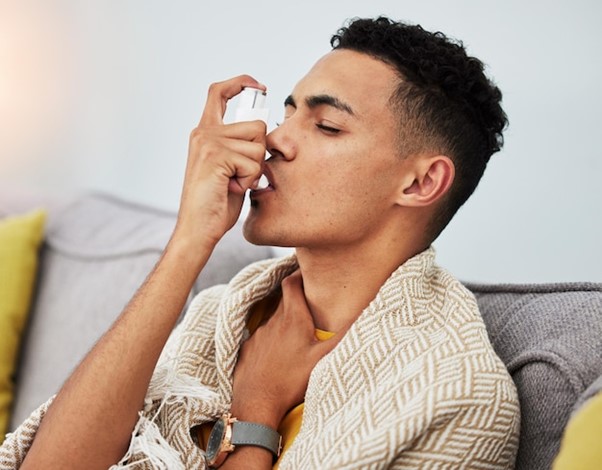
  • Asthma Awareness: Symptoms and Prevention

    Asthma Awareness: Symptoms and Prevention

    Asthma is a long-term condition marked by the constriction and inflammation of the airways, often accompanied by excess mucus production. This can lead to difficulties in breathing, coughing, wheezing, and shortness of breath. While some individuals may experience mild symptoms, for others, asthma can significantly disrupt daily life and may even lead to severe, life-threatening attacks.

    What Are the Common Symptoms of Asthma?

    Asthma symptoms can vary greatly among individuals. Common signs include:

    • Shortness of Breath: Trouble breathing whether during physical activity or while at rest.
    • Chest Tightness or Pain: A sensation of pressure in the chest.
    • Wheezing: A whistling sound when exhaling, particularly noticeable in children.
    • Coughing: Frequent coughs, especially at night or during exercise.
    • Increased Symptoms with Respiratory Infections: Coughing and wheezing can worsen with colds or flu.

    What Triggers Asthma Symptoms?

    Asthma symptoms can be triggered by various factors, such as:

    • Allergens: Pollen, dust mites, mold, pet dander, and cockroach waste.
    • Respiratory Infections: Such as the common cold.
    • Exercise: Particularly in cold, dry air.
    • Air Pollutants: Smoke, strong odours, and chemical fumes.
    • Emotional Stress: Intense emotions can provoke symptoms.

     When Should You See a doctor?

    It’s crucial to seek medical attention if you experience:

    • Worsening Symptoms: An increase in frequency or severity of symptoms.
    • Increased Use of Quick-Relief Inhalers: Needing your inhaler more often may indicate that your asthma is not well controlled.
    • Emergency Signs: Rapid worsening of breathlessness or wheezing, or if symptoms persist despite using your inhaler.

    How Can You Manage Asthma Effectively?

    While asthma cannot be cured, its symptoms can be managed through a combination of strategies:

    • Follow Your Asthma Action Plan: Work with your healthcare team to create a personalized plan that outlines medication usage and actions to take during an asthma attack.
    • Avoid Triggers: Identify and limit exposure to known allergens and irritants.
    • Regular Monitoring: Utilize a peak flow meter to assess your lung function.
    • your lung function and recognize early warning signs of an attack.
    • Medication Compliance: Take prescribed medications consistently and do not alter your regimen without consulting your doctor.

    What Are the Risks of Untreated Asthma?

    Untreated asthma can lead to significant complications, including persistent airway narrowing, frequent hospital visits, and side effects from overusing medications. Effective management is essential to maintaining a good quality of life and preventing serious health issues.

    Asthma is a manageable condition with proper care and attention. If you’re struggling with asthma symptoms or need assistance in developing a management plan, consult SHIRDI SAI HOSPITAL. With expertise in asthma care, SHIRDI SAI HOSPITAL can help you regain control over your breathing and improve your quality of life. Don’t wait—schedule an appointment today.

  • Fever During Bangalore Monsoon? Expert Home Care Tips You Can Trust

    Fever During Bangalore Monsoon? Expert Home Care Tips You Can Trust

    🌧️ Introduction

    The rains in Bangalore bring relief from the summer heat—but they also bring a spike in viral fevers, dengue, flu, and water-borne infections. For families across New BEL Road and nearby Devasandra Layout, dealing with fever during the monsoon is common. But when should you manage it at home, and when should you seek medical help?
    At Shirdi Sai Hospital, our team of specialists ensures you receive safe, effective, and timely fever care right here in Bangalore. Let’s walk through symptoms, causes, home treatments, and when to book a consultation.


    Symptoms

    How do you know if your monsoon fever needs attention?

    • Sudden rise in body temperature (above 100.4°F / 38°C)
    • Chills, sweating, or body aches
    • Cough, sore throat, or runny nose (common in viral fever)
    • Headache and fatigue
    • In some cases, rashes, nausea, or joint pain may suggest dengue or chikungunya—both common in Bangalore’s rainy season

    If fever lasts more than 2–3 days, consult a doctor at Shirdi Sai Hospital, New BEL Rd, without delay.


    Causes

    Why is fever so common in Bangalore’s monsoon?

    • Viral infections like flu and viral fever spread quickly in damp conditions
    • Mosquito-borne diseases such as dengue, malaria, and chikungunya rise due to stagnant water
    • Contaminated food or water can cause typhoid or stomach infections
    • Sudden weather changes weaken immunity, making you prone to seasonal infections

    Treatments (At Home & Medical)

    🏠 Home Care Tips (for mild fever under doctor’s advice):

    • Stay hydrated with water, coconut water, soups
    • Take paracetamol (only as prescribed) for fever relief
    • Use a cold compress on the forehead to reduce temperature
    • Rest well—avoid overexertion during recovery
    • Eat light, nutritious meals (khichdi, dal, fruits)

    🏥 Medical Treatment (when needed):

    At Shirdi Sai Hospital, our doctors provide:

    • Diagnostic tests (blood test, dengue test, malaria test) for accurate diagnosis
    • IV fluids and medications for dehydration or persistent fever
    • Hospital admission for high fever with complications

    Consult our fever care specialists here.


    Prevention

    How to protect your family during Bangalore’s rainy season?

    • Drink boiled or filtered water only
    • Use mosquito nets and repellents to prevent dengue/malaria
    • Wash hands frequently to avoid viral spread
    • Avoid street food during heavy rains
    • Keep surroundings clean and dry to prevent mosquito breeding

    When to Consult Shirdi Sai Hospital

    Seek urgent medical care if you notice:

    • Fever lasting beyond 3 days
    • Severe headache, body pain, or rash (possible dengue/chikungunya)
    • Breathing difficulty or chest pain
    • Vomiting, diarrhea, or dehydration
    • High fever in children or elderly patients

    Our hospital is conveniently located at New BEL Rd, opp. SLK Software, Devasandra Layout, Bengaluru—making it easy for nearby families to access trusted care.
    Click here to book your consultation.


    FAQs

    1. Can fever be treated at home during the monsoon?
    Yes, mild viral fever can often be managed with rest, fluids, and prescribed medicines. If fever persists beyond 2–3 days, consult a doctor.

    2. How do I know if my fever is dengue or viral?
    Only a blood test can confirm dengue. If fever is accompanied by rash, joint pain, or bleeding gums, visit a hospital immediately.

    3. Is it safe to give antibiotics for fever?
    No. Antibiotics don’t work for viral fever. Always take medicines only under a doctor’s advice.

    4. What foods help in recovery from fever?
    Easily digestible meals like soups, khichdi, dal, fruits, and fluids help maintain strength and hydration.

    5. Where can I find reliable fever treatment in Bangalore?
    You can consult Shirdi Sai Hospital, located at New BEL Rd, Devasandra Layout, Bengaluru, for 24/7 expert fever care.


    Strong CTA

    Don’t ignore fever this monsoon—early diagnosis saves lives. At Shirdi Sai Hospital, Bengaluru, we provide 24/7 fever care, diagnostics, and emergency support.
    👉 Book your consultation now or visit us at New BEL Rd, opp. SLK Software, Devasandra Layout.

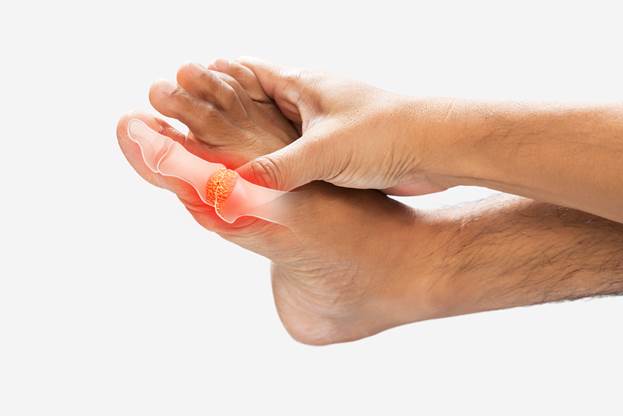
  • Understanding Gout: The Symptoms, Causes, and Preventative Measures

    Understanding Gout: The Symptoms, Causes, and Preventative Measures

    Introduction to Gout

    Gout is a type of arthritis that causes sudden, severe pain in joints. It’s more common than people think and affects millions worldwide. The purpose of this blog is to help folks recognize gout symptoms early and understand how to prevent them. Awareness is crucial because with proper knowledge, individuals can take steps to lower the risk of developing severe gout. Prevention and prompt gout treatment can vastly improve life quality. With this in mind, let’s explore what gout is, its causes, and effective gout treatment.

    Decoding Gout: An Inflammatory Arthritis

    At its core, gout is an inflammatory form of arthritis. This means that inflammation plays a role. It happens when uric acid crystals build up in joints. This build-up causes intense pain and swelling. People often describe the attacks as sudden and unpredictable. This unpredictability and pain can catch sufferers off guard. Understanding this can aid in better management and preparation. Although managing gout symptoms can be challenging, hope remains through education and awareness.

    Identifying the Symptoms of Gout

    Recognizing gout symptoms is vital for timely intervention and relief. Here are typical signs:

    • Severe joint pain. Pain usually begins in the big toe, but it can occur in any joint.
    • Swelling and tenderness. Joints become swollen, very tender, and warm to the touch.
    • Redness around the joint. The area may look red or even purplish.

    These symptoms can strike suddenly, often at night. A gout attack may last from a few days to a week. Knowing these signs helps in quick gout treatment and relief.

    Root Causes of Gout

    The main culprit behind gout is the build-up of uric acid. So, what contributes to this build-up?

    • Foods high in purines. Foods like red meat and seafood can increase uric acid production.
    • Alcohol consumption. Beverages like beer can raise uric acid levels.
    • Certain medications. Some drugs, like diuretics, can elevate uric acid levels.

    Apart from diet, pre-existing health conditions play a role in developing gout. Conditions like high blood pressure, obesity, and diabetes increase the risk.

    Risk Factors: Who Is More Prone to Gout?

    Some people are more likely to get gout than others. Notably, men have a higher chance than women due to higher natural uric acid levels. Age also plays a part, with older adults being more prone. Genetics can make gout symptoms more likely, too. Lifestyle choices, like diet and physical activity, influence risk levels as well. Knowing these factors can steer individuals toward preventative measures.

    Consequences of Untreated Gout

    Ignoring gout symptoms can lead to more severe health issues. It is essential to address acute attacks that cause intense, temporary pain. The risk escalates when it transforms into chronic gout. In this case, recurring attacks can cause permanent joint damage. Additionally, uric acid crystals might form kidney stones. Timely gout treatment can avert such daunting complications.

    Lifestyle Changes for Gout Prevention

    Good lifestyle habits can help manage and prevent gout attacks.

    • Dietary changes. Reduce intake of purine-rich foods like seafood and red meat.
    • Limit alcohol. Keep alcohol consumption to a minimum, especially beer.
    • Stay hydrated. Drinking plenty of water helps flush out uric acid.

    Managing gout goes beyond diet. Keeping a healthy weight and engaging in regular physical activity also helps. Each small change makes a noticeable impact.

    Medical Interventions in Gout Management

    Sometimes lifestyle changes alone are not enough. Medications can help manage gout symptoms. Anti-inflammatory drugs can quickly reduce pain and swelling. Other medications help lower uric acid levels over time. Following a health professional’s advice is key to successful gout treatment and minimizing attack frequency.

    Recognizing When to Seek Medical Attention

    Knowing when to see a doctor is crucial for those with gout. If the pain gets worse or doesn’t go away after a few days, it’s time for professional advice. Another sign is if attacks become more frequent or severe. Early diagnosis and gout treatment can prevent complications like joint harm or kidney issues. Taking action early makes a significant difference.

    Conclusion

    Understanding gout symptoms and causes is the first step in managing the condition. Quick action and lifestyle shifts can substantially improve one’s quality of life. People should feel encouraged to embrace healthy choices and respond to symptoms promptly. Early gout treatment and preventive steps are vital. Better lifestyle decisions and timely medical consultations ensure those at risk can lead fuller, healthier lives.

    Get expert care for joint health—Consult the specialists at Shirdi Sai Hospital now!

  • Painful Periods in Bangalore? Here’s How to Naturally Relieve Menstrual Cramps

    Painful Periods in Bangalore? Here’s How to Naturally Relieve Menstrual Cramps

    Understanding Period Pain: Why Does It Hurt So Much?

    That dull ache in your lower abdomen, the cramps that disrupt your day, the back pain that won’t let you sleep — painful periods are more common than you think. If you’re in Bangalore and struggling with menstrual cramps, you’re not alone. Many women silently bear this monthly discomfort without realizing there are safe, natural remedies that can help — and expert gynecologists at Shirdi Sai Hospital are here to support you.


    What Are Menstrual Cramps?

    Menstrual cramps (also called dysmenorrhea) are throbbing or cramping pains in the lower belly. They happen before and during your period, caused by natural hormone-like substances called prostaglandins, which help the uterus contract to shed its lining.


    Common Symptoms of Menstrual Cramps

    • Throbbing pain in the lower abdomen
    • Dull, constant ache that radiates to the back or thighs
    • Nausea, headache, or loose stools
    • Fatigue and mood swings
    • Pain that begins 1–2 days before bleeding and may last 2–3 days

    If your pain is sudden, severe, or worsens over time, it’s time to consult a gynecologist in Bangalore for further evaluation.


    What Causes Severe Period Pain?

    While cramps are a normal part of menstruation, sometimes there’s an underlying condition:

    • Endometriosis – Tissue similar to the uterine lining grows outside the uterus
    • Fibroids – Non-cancerous growths in the uterus
    • Pelvic Inflammatory Disease (PID)
    • Adenomyosis – Uterine tissue grows into the muscle wall
    • Stress or nutritional deficiencies

    Persistent pain is not something you should ignore. Early diagnosis can improve your long-term reproductive health.


    Natural Ways to Relieve Period Cramps at Home

    You don’t always need strong medication. Try these gentle, effective methods:

    1. Warm Compress

    Place a hot water bag on your abdomen to relax uterine muscles.

    2. Gentle Yoga & Stretching

    Child’s pose, forward bends, and pelvic tilts reduce tension.

    3. Anti-inflammatory Foods

    Add ginger, turmeric, dark leafy greens, and omega-3 rich nuts/seeds.

    4. Stay Hydrated

    Water reduces bloating and eases cramping.

    5. Magnesium & Vitamin B1

    Found in bananas, legumes, and whole grains — these nutrients help reduce cramp intensity.

    6. Avoid Caffeine & Sugary Foods

    These can increase inflammation and worsen pain.


    When Should You Consult a Gynecologist?

    If your cramps are:

    • Not relieved by home remedies
    • Causing missed school/work days
    • Accompanied by heavy bleeding or clots
    • Starting after the age of 25

    👉 It’s time to see a gynecologist in Bangalore. At Shirdi Sai Hospital, we offer personalized care, diagnostics, and effective treatment for painful periods.


    Why Choose Shirdi Sai Hospital, Bangalore?

    • 🩺 Experienced Gynecologists specializing in women’s wellness
    • 🧪 On-site ultrasound & diagnostics
    • 💬 Comfortable consultation experience
    • 🌿 Options for medical and natural pain relief
    • 👩‍⚕️ Trusted by working professionals and young women in Bangalore

    📌 FAQs About Period Pain

    Q1. Are painful periods normal?
    Mild cramping is normal, but if pain interferes with daily life, seek medical advice.

    Q2. Can stress worsen menstrual cramps?
    Yes. Stress affects hormone balance and can amplify period pain.

    Q3. What foods should I avoid during periods?
    Avoid caffeine, fried foods, excess salt, and refined sugar.

    Q4. Do birth control pills help with cramps?
    Yes, hormonal contraceptives may reduce period pain by thinning the uterine lining.

    Q5. Can I get a consultation at Shirdi Sai Hospital for period pain?
    Absolutely. Our gynecology team in Bangalore is ready to help with expert guidance and support.


    ✅ Don’t Suffer in Silence – Relief Is Just One Step Away

    Your period pain doesn’t have to control your life. Try natural remedies or get expert help when needed. Visit Shirdi Sai Hospital in Bangalore for complete menstrual care and regain control of your cycle.

    📞 Book Your Consultation Today | 🏥 Shirdi Sai Hospital, Bangalore

    Woman experiencing period cramps while resting at home in Bangalore
  • How Regular Exercise Can Fortify Your Shoulder Rotator Cuff Muscles

    How Regular Exercise Can Fortify Your Shoulder Rotator Cuff Muscles

    Keeping your shoulder muscles strong is key to staying active. Regular exercise helps keep them healthy. Here’s how exercise to strengthen shoulder rotator cuff can make a difference.

    Introduction: The Role of the Rotator Cuff

    Your shoulder can twist, lift, and turn effortlessly due to its rotator cuff muscles. Imagine these as little powerhouses that hold everything in place. Without these muscles, even simple tasks like reaching for a cup or throwing a ball could feel impossible. This blog will explore how essential exercises for an injured rotator cuff can help maintain healthy shoulders. We’ll dive into the anatomy, demystify the reasons behind shoulder health, and offer a set of exercises anyone can follow. All of this aims to empower you with knowledge to foster stronger shoulders, leading to a lifestyle packed with ease and motion.

    Understanding Your Rotator Cuff: Anatomy Breakdown

    The muscles of the rotator cuff are the Supraspinatus, Infraspinatus, Teres Minor, and Subscapularis, often referred to as SITS muscles. Let’s break it down: – Supraspinatus: This muscle helps lift your arm to the side. – Infraspinatus: It works for rotating the arm outward, like when you swing a bat. – Teres Minor: This is another muscle that helps with the outward rotation. – Subscapularis: It enables the inward rotation of the arm.

    Together, these muscles ensure shoulder stability. They’re crucial for providing support and movement, allowing you to perform everyday activities seamlessly. Strengthening exercises for the rotator cuff not only aid in improving these functions but also prevent injuries.

    Demystifying Shoulder Anatomy: The Importance of Rotator Cuff Health

    Healthy shoulders are essential for basic daily tasks like picking up bags or even waving hello. A weak rotator cuff can lead to several problems, such as pain or limited movement. This can make chores and hobbies a real challenge. On the flip side, a strong rotator cuff enhances your quality of life. Exercising not only counters weakness but also boosts overall wellness. With proper workouts to strengthen rotator cuff, you gain more strength and flexibility and reduce the risk of injuries. By understanding the importance of rotator cuff health, motivating yourself to maintain shoulder wellness becomes simpler.

    Why Everyone Should Care About Their Rotator Cuff

    Ignoring the health of your rotator cuff can spell trouble. Signs of weakness include sore shoulders, restricted movements, and pain during lifting. If not taken care of, these symptoms can limit your independence and activity. Thus, taking preventive measures is crucial. Engaging in rotator cuff strengthening workout not only saves you from potential injuries but also ensures you can perform tasks without pain or hassle.

    From Achy Shoulders to Free Movement: Success Stories

    Take Jane, for example, who suffered from stiff shoulders for years. She started a simple exercise to strengthen shoulder rotator cuff routine and experienced great improvements. Now, she can play her favorite sports again without discomfort. Or Mike, who once struggled with daily tasks but now manages them with ease thanks to regular rotator cuff strengthening workouts. Stories like these inspire us to start a journey towards healthier shoulders.

    Essential Exercises to Strengthen the Rotator Cuff: A Practical Guide

    Starting with some exercises that strengthen rotator cuff and a simple warm-up routine can do wonders. Here’s a quick guide: 1. Arm Circles: Loosen your shoulder muscles with small, gentle circles. 2. Wall Push-ups: Stand close to a wall and push against it to build strength. 3. Lateral Raises: Raise your arms to the side with small weights to target specific muscles. 4. Seated Dumbbell Press: Sit with back support and push dumbbells over your head. 5. Internal and External Rotations: Use a stretch band to turn your arm in and out at a 90-degree angle.

    Each exercise should be done with care and within your comfort level. If feeling any strain, pause and try later. Small progressions are key, so increase difficulty gradually for better results.

    The Cultural Aspect: Traditional Indian Exercises for Shoulder Health

    Traditional Indian workouts, like yoga, offer deep-rooted techniques to enhance shoulder strength. Poses such as the “Downward Dog” and “Warrior” stretch and fortify shoulder muscles quite effectively. Such practices have been part of Indian culture for centuries, bringing ancient wisdom into modern therapy practices. Integrating these exercises into daily routines not only ensures shoulder wellness but also connects us to a rich heritage of holistic health care.

    Complementary Lifestyle Factors for Enhanced Shoulder Health

    Besides exercises, lifestyle habits play a crucial role in shoulder health. Here are some tips: – Posture: Keep your back straight and shoulders relaxed while sitting or standing. – Nutrition: Foods rich in omega-3 and protein aid in muscle repair and growth. – Sleep Position: Use pillows that support your neck and shoulders.

    By incorporating these simple habits, shoulder muscles remain robust, ensuring momentum in your daily transitions.

    Conclusion: Your Pathway to Stronger Shoulders

    A strong rotator cuff offers countless benefits, like smooth motion, strength, and injury prevention. Adding exercises that strengthen the rotator cuff into your routine can be rewarding. With consistency and patience, you will pave the way for an active and fulfilling life. Take charge today, focus on shoulder health, and transform the way you move.

  • Understanding Polycystic Kidney Disease: What You Need to Know

    Understanding Polycystic Kidney Disease: What You Need to Know

    The journey to understanding polycystic kidney disease (PKD) begins with knowing it’s a genetic disorder. This means it’s passed down from your parents. PKD causes clusters of cysts to grow in the kidneys, changing their normal shape and size. In the United States, this condition is not uncommon. It affects thousands and can lead to reduced kidney function if not managed. For families with a history of PKD, education and awareness are crucial. They help in early detection and management, potentially reducing the impact of the disease.

    What is Polycystic Kidney Disease?

    Polycystic kidney disease is a condition where cysts develop in the kidneys. These cysts are little sacs filled with fluid, disrupting the kidney’s functions. Over time, they can change how the kidneys look and work. In PKD, the structure of the kidneys is altered, making them larger and functioning less effectively. This disease is common in both men and women. It does not discriminate based on gender. Anyone with a family history can inherit it, making it crucial to seek medical advice if you’re at risk.

    Types of Polycystic Kidney Disease

    There are two main types of polycystic kidney disease. Autosomal Dominant Polycystic Kidney Disease (ADPKD) is the most common, generally presenting in adults. This means you might not notice symptoms until later in life. The second type is Autosomal Recessive Polycystic Kidney Disease (ARPKD). It is rare and often appears early in life, even in newborns. ARPKD is sometimes linked to other health conditions, known as syndromes, affecting different body parts. Knowing the type of PKD you have is important for understanding its effects and getting the right care.

    Signs and Symptoms

    Spotting the early signs of PKD is significant for managing the condition. Some early indicators include pain in the back or sides, and increased abdomen size. Polycystic kidney disease symptoms do not appear immediately, which can delay diagnosis. Over time, symptoms can worsen. This includes frequent urination, blood in urine, and high blood pressure. As the disease progresses through its various stages, the subtle symptoms become more pronounced. The slow onset of signs often leads to a later diagnosis, highlighting the importance of regular check-ups.

    Complications of PKD

    As polycystic kidney disease advances, several complications can arise. If untreated, it may lead to kidney failure, requiring dialysis or transplantation. Additionally, this disease is linked to vascular and cardiac issues, impacting your heart and blood vessels. Women with PKD may also face challenges during pregnancy, adding a layer of complexity. Overall, PKD affects not just kidney function but also overall health and daily lifestyle. Understanding potential complications can motivate early and effective management.

    Diagnosis

    Getting diagnosed with PKD involves imaging tests, such as ultrasounds, to view the kidneys. Genetic testing may aid in confirming a PKD diagnosis, especially if there is a family history. Being aware of when to seek a professional opinion is essential. If symptoms like unexplained pain or changes in urine occur, consulting a healthcare provider is wise. When navigating this process, clear communication with doctors can ensure accurate diagnosis and planning for treatment.

    Treatment Options in India

    In India, managing polycystic kidney disease primarily focuses on treating symptoms and complications. Medical management is essential to control high blood pressure and pain. There are medications available to manage these symptoms effectively. In advanced cases, dialysis or a kidney transplant might be necessary. Additionally, incorporating alternative therapies can be beneficial. Practices like yoga or herbal remedies provide complementary support, aiding in overall well-being. It’s important to work closely with healthcare providers to choose the best treatment path.

    Living with PKD

    Living with PKD requires some lifestyle adjustments. A balanced diet low in salt and fat helps manage kidney health. Regular exercise keeps you fit and supports kidney function. Paying attention to mental health is crucial, as dealing with a chronic illness can be emotionally challenging. Regular check-ups are non-negotiable, allowing for monitoring disease progression and adjusting treatments as needed. Planning for a family is also something to consider, understanding your genetic risks and consulting a genetic counselor if needed.

    Emerging Research and Hope

    Research on polycystic kidney disease is ongoing, aiming to find better treatments and a possible cure. Syndromes associated with polycystic kidney disease are also a focus, expanding understanding of the disease. Developments in treatment offer hope, with new medications and therapies under study. A potential breakthrough could significantly improve management and quality of life for those affected. Staying informed about research efforts can be empowering. Many resources provide updates on these advancements to help patients and families stay hopeful and involved.

    Conclusion

    Summarizing the key points, PKD is a genetic condition affecting kidney function. It is crucial to manage this disease early to prevent complications. Being proactive with healthcare visits and understanding your symptoms can lead to better outcomes. By staying informed and consulting with healthcare providers, those with PKD and their families can feel more empowered to handle the condition effectively. Early management and patient education can make a significant difference in living with PKD.

    Take control of your kidney health today. Visit Shirdi Sai Hospital for expert care, personalized treatment plans, and support in managing Polycystic Kidney Disease (PKD). Schedule your consultation now and empower yourself with knowledge and compassionate care.