- +91-8088511289
- MAIL US
- BANGALORE, INDIA
Ureteric Stone Treatment: Symptoms, Diagnosis, and Modern Removal Options
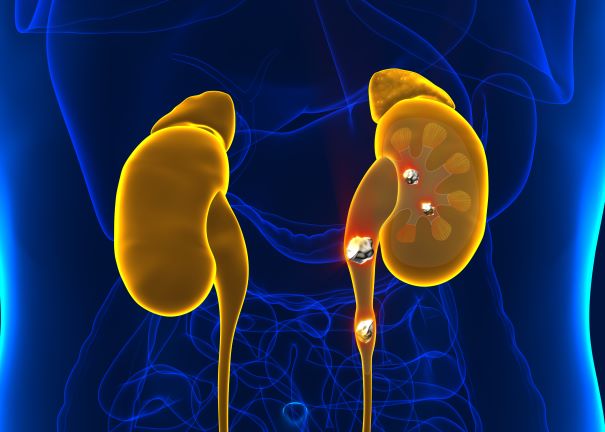
A ureteric stone is a kidney stone that has moved from the kidney into the ureter, the narrow tube that carries urine from the kidney to the bladder. Pain usually begins when the stone blocks urine flow. Treatment depends on stone size, exact location, degree of blockage, infection risk, and kidney function.
Unlike stones sitting quietly inside the kidney, ureteric stones are more likely to cause acute symptoms and may require timely intervention.
What Happens When a Stone Enters the Ureter
The ureter is a narrow muscular tube. When a stone gets lodged inside it:
- Urine flow slows or stops
- Pressure builds up inside the kidney
- The ureter goes into spasm
- Severe pain develops
This pressure-related pain is called renal colic.
Ureteric stone pain is typically sudden, severe, and wave-like because the ureter contracts repeatedly against the blockage.
What Are the Symptoms of Ureteric Stones?
Common symptoms include:
- Severe pain in one side of the lower back
- Pain moving toward lower abdomen or groin
- Burning while passing urine
- Frequent urge to urinate
- Nausea or vomiting
- Blood in urine
Pain often fluctuates in intensity and may not improve with rest or position change.
How Is a Ureteric Stone Diagnosed?
Accurate diagnosis is essential before deciding treatment.
Clinical Evaluation
Doctors assess:
- Onset and severity of pain
- Radiation pattern
- History of kidney stones
- Fever or chills
- Urine output changes
Investigations
|
Test |
Purpose |
|
Ultrasound |
Detects swelling and larger stones |
|
CT Scan |
Confirms exact size and location |
|
Urine Test |
Checks infection and blood |
|
Blood Test |
Evaluates kidney function |
CT scan is considered the most reliable test to determine the exact position of a ureteric stone.
Treatment Decision Framework for Ureteric Stones
Treatment depends on:
- Stone size
- Location within ureter
- Severity of obstruction
- Presence of infection
- Kidney function
|
Stone Size |
Likely Management |
Clinical Reason |
|
< 5 mm |
Medical management |
High chance of passing naturally |
|
5–8 mm |
Observation or procedure |
Variable passage rate |
|
> 8 mm |
Usually procedural removal |
Low chance of natural passage |
Location matters. Stones lower in the ureter may pass more easily than upper ureter stones.
When Can a Ureteric Stone Pass Naturally?
Small stones may pass with:
- Adequate hydration
- Pain relief medicines
- Alpha blockers to relax ureter
- Monitoring urine output
Observation is appropriate only when:
- Pain is manageable
- No fever is present
- Kidney function remains normal
Regular follow-up is necessary during this period.
When Is Emergency Treatment Required?
Urgent intervention is required if:
- Fever develops along with pain
- There is reduced urine output
- Severe vomiting prevents hydration
- Pain becomes uncontrollable
- Blood in urine increases significantly
A blocked ureter combined with infection can lead to serious complications and requires immediate drainage.
Modern Ureteric Stone Treatment Options
URSL (Ureteroscopic Stone Removal)
Ureteroscopy involves passing a thin instrument through the natural urinary passage into the ureter.
The stone is:
- Visualised directly
- Broken using laser
- Removed or fragmented
Advantages:
- No external incision
- High success rate
- Direct stone removal
Commonly used for mid and lower ureter stones.
RIRS for Upper Ureter Stones
If the stone is near the kidney or in the upper ureter, RIRS may be preferred.
Laser energy breaks the stone into fine fragments which pass naturally.
DJ Stent Placement
A temporary internal tube may be inserted to:
- Relieve blockage
- Allow urine drainage
- Reduce kidney pressure
- Control infection before definitive treatment
The stent is removed after the stone is cleared.
ESWL for Selected Cases
Shock wave therapy may be considered for:
- Upper ureter stones
- Moderate-sized stones
- Patients without severe obstruction
Effectiveness depends on stone hardness and position.
Common Patient Questions
How long does ureteric stone pain last?
Pain usually continues until the stone moves or the obstruction is relieved. It may last hours and occur in waves. If untreated, episodes can recur until the stone passes or is removed.
Can ureteric stones cause kidney damage?
Yes. Prolonged obstruction can cause kidney swelling, known as hydronephrosis. Early treatment prevents long-term kidney injury.
Is ureteroscopic surgery painful?
The procedure is performed under anaesthesia. Post-procedure discomfort is usually mild and temporary. Recovery is generally quick compared to open surgery.
What happens if a ureteric stone is not treated?
Untreated obstruction may lead to infection, kidney swelling, and reduced kidney function. Fever with obstruction is considered a medical emergency.
Can a ureteric stone come again?
Yes. Recurrence is common if hydration and dietary changes are not maintained. Preventive evaluation helps reduce future episodes.
Ureteric Stone vs Kidney Stone: What Is the Difference?
|
Feature |
Kidney Stone |
Ureteric Stone |
|
Location |
Inside kidney |
Inside ureter |
|
Pain |
May be absent |
Usually severe |
|
Urgency |
Often monitored |
Often requires intervention |
|
Obstruction risk |
Variable |
Higher |
Ureteric stones are more likely to cause acute symptoms because of the narrow diameter of the ureter.
Prevention After Treatment
Preventive measures include:
- Drinking adequate water daily
- Reducing excess salt intake
- Managing diabetes
- Periodic follow-up imaging if advised
- Analysing stone composition
Recurrence prevention is an essential part of long-term care.
When to Consult a Specialist
Consult immediately if:
- Pain is severe or persistent
- Fever or chills develop
- Urine output decreases
- Vomiting continues
- Symptoms recur
If consulting in Bangalore, especially around North Bangalore or New BEL Road areas, early evaluation helps preserve kidney health and prevent complications.
Final Perspective
Ureteric stone treatment requires timely evaluation and appropriate intervention. Small stones may pass naturally, but obstructive stones often require procedural removal.
The goal is not simply to remove the stone. It is to relieve obstruction, prevent infection, preserve kidney function, and reduce recurrence risk.