- +91-8088511289
- MAIL US
- BANGALORE, INDIA
Kidney Stone Treatment: Symptoms, Causes, Tests, and Modern Removal Options
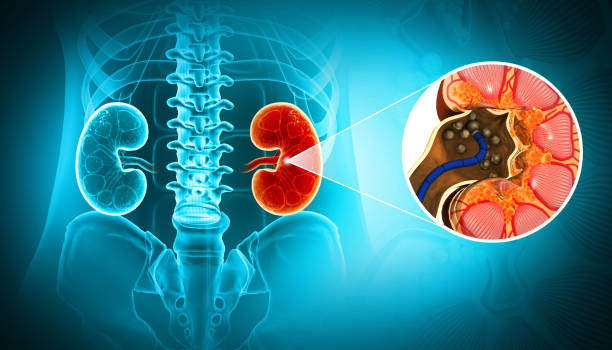
Kidney stones are hard mineral deposits that form inside the kidney when urine becomes concentrated. They can remain silent for years or suddenly cause severe pain if they block urine flow. Treatment depends on stone size, location, symptoms, infection risk, and kidney function.
Not every kidney stone needs surgery. But some require urgent intervention. Proper evaluation is the foundation of safe and effective treatment.
What Is a Kidney Stone and Why Does It Form?
A kidney stone forms when minerals in urine crystallize and stick together. Normally, urine contains substances that prevent crystal formation. When fluid intake is low or metabolic imbalance occurs, crystals grow and harden.
Common stone types include:
- Calcium oxalate stones
- Uric acid stones
- Struvite stones (infection-related)
- Cystine stones (rare, genetic)
In Indian patients, dehydration and high salt intake are frequent contributing factors.
What Are the First Signs of Kidney Stones?
Early symptoms may include:
- Sharp pain on one side of the lower back
- Pain spreading to the lower abdomen or groin
- Burning during urination
- Blood in urine
- Nausea or vomiting
- Increased frequency of urination
Pain usually occurs when the stone moves into the ureter and obstructs urine flow.
The intensity of pain depends more on obstruction than stone size. Even a small stone can cause severe discomfort if it blocks urine passage.
How Is Kidney Stone Diagnosed?
Accurate diagnosis is necessary before deciding treatment.
Clinical Evaluation
Doctors assess:
- Duration and severity of pain
- Previous stone history
- Fever or infection signs
- Urine output changes
- Associated conditions such as diabetes
Imaging and Tests
|
Test |
Purpose |
|
Ultrasound |
Detects stone and kidney swelling |
|
CT Scan |
Determines exact size and location |
|
Urine Test |
Identifies blood or infection |
|
Blood Test |
Assesses kidney function |
CT scan is the most precise imaging method for treatment planning.
Treatment Decision Framework
Treatment is based on multiple factors, not just size.
|
Stone Size |
Common Approach |
Clinical Reasoning |
|
< 5 mm |
Medical management |
High chance of natural passage |
|
6–15 mm |
ESWL or RIRS |
Moderate chance of passage |
|
> 2 cm |
PCNL |
Low chance of passing naturally |
However, infection, obstruction, and kidney function always influence final decisions.
When Can Kidney Stones Pass Naturally?
Stones smaller than five millimetres often pass without procedures.
Management includes:
- Adequate hydration
- Pain relief medicines
- Alpha blockers to relax ureter
- Monitoring urine output
Observation is safe only when there is no infection or significant blockage.
When Is Emergency Treatment Required?
Immediate care is necessary if:
- Fever develops with pain
- Urine output decreases
- Severe vomiting occurs
- Pain is uncontrollable
- Blood in urine increases
A stone combined with infection can be dangerous and requires urgent drainage.
Modern Kidney Stone Treatment Options
ESWL: Shock Wave Lithotripsy
Shock waves are used externally to break the stone into small fragments.
Suitable for:
- Medium-sized stones
- Stones visible on imaging
- No severe obstruction
It does not require an incision but may need multiple sessions.
RIRS: Laser Stone Removal
A flexible scope is passed through the natural urinary passage. A laser breaks the stone into fine particles.
Advantages:
- No external incision
- Shorter hospital stay
- Faster recovery
Effective for stones located inside the kidney.
PCNL: Treatment for Large Stones
A small keyhole entry is made through the back to remove large stones directly.
Recommended for:
- Stones larger than two centimetres
- Multiple stones
- Hard stones resistant to other methods
High success rate in complex cases.
DJ Stent Placement
A temporary internal tube placed between kidney and bladder.
Used to:
- Relieve obstruction
- Protect kidney function
- Allow infection to settle
Removed after definitive treatment.
Common Patient Questions
How painful is a kidney stone compared to other pain?
Kidney stone pain occurs due to sudden blockage of urine flow. It is typically sharp, severe, and wave-like. Many patients describe it as one of the most intense pains experienced. The severity depends on obstruction rather than stone size.
Can kidney stones pass without surgery?
Yes. Stones smaller than five millimetres often pass naturally with hydration and medicines. Larger stones may require procedures depending on symptoms and blockage.
How long does kidney stone pain last?
Pain can last minutes to hours in waves. It continues until the obstruction is relieved, either naturally or through intervention.
Can kidney stones cause permanent kidney damage?
Yes, prolonged obstruction can reduce kidney function. Early diagnosis and timely treatment prevent long-term damage.
What foods increase the risk of kidney stones?
High salt intake, excessive animal protein, low water intake, and oxalate-rich foods in large amounts may increase risk. Dietary modification reduces recurrence.
Kidney Stone vs Back Pain: How to Differentiate
|
Feature |
Kidney Stone Pain |
Muscular Back Pain |
|
Location |
One side flank |
Lower back |
|
Radiation |
Moves to groin |
Usually localized |
|
Movement effect |
No relief with rest |
Improves with rest |
|
Urinary symptoms |
Often present |
Absent |
Persistent flank pain with urinary changes requires medical evaluation.
Prevention After Treatment
Recurrence is common if preventive steps are not followed.
Recommendations:
- Drink 2.5 to 3 litres of water daily
- Reduce salt intake
- Moderate animal protein
- Control diabetes
- Periodic follow up when advised
Stone analysis helps guide long-term dietary adjustments.
When to Consult a Doctor
Consult a specialist if:
- Pain persists beyond a few hours
- Fever or chills develop
- Urine output reduces
- Vomiting continues
- Symptoms recur
If consulting in Bangalore, especially North Bangalore or New BEL Road areas, timely evaluation prevents complications and preserves kidney health.
Conclusion
Kidney stone treatment is not a single procedure. It is a decision-making process based on stone characteristics, patient condition, and clinical findings.
Early evaluation prevents complications. Proper treatment planning ensures safe removal. Long-term lifestyle modification reduces recurrence risk.