- +91-8088511289
- MAIL US
- BANGALORE, INDIA
Erectile Dysfunction Treatment in Bangalore: Causes, Diagnosis and Advanced Treatment at Shirdi Sai Hospital
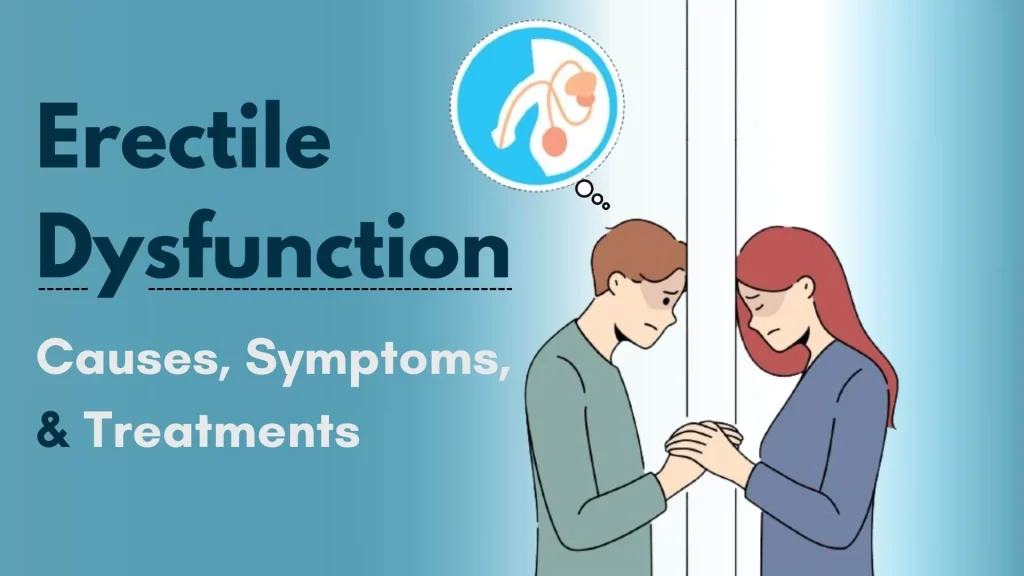
Erectile dysfunction is one of the most common yet least openly discussed health concerns among men. Many men experience occasional difficulty in maintaining an erection. However, when this issue becomes frequent or persistent, it can affect confidence, relationships, and overall mental well-being.
Erectile dysfunction is not just a sexual problem. In many cases, it is an early warning sign of underlying medical conditions such as diabetes, hypertension, hormonal imbalance, or vascular disease.
At Shirdi Sai Hospital, erectile dysfunction treatment begins with identifying the root cause. The focus is not just on symptom relief but on correcting underlying medical issues and restoring long-term sexual health safely and scientifically.
Quick Overview
Erectile dysfunction is the inability to achieve or maintain an erection sufficient for satisfactory sexual activity. It may be caused by vascular issues, nerve damage, hormonal imbalance, psychological factors, or chronic diseases. Treatment ranges from lifestyle correction and medication to advanced procedures and surgical options when required.
What Is Erectile Dysfunction?
Erectile dysfunction occurs when a man consistently struggles to achieve or maintain an erection firm enough for sexual intercourse. Occasional difficulty is normal, especially during stress. Persistent difficulty, however, requires evaluation.
An erection depends on:
- Healthy blood flow to the penis
- Proper nerve signaling
- Balanced hormones
- Psychological readiness
Any disruption in these systems can lead to erectile dysfunction.
What Causes Erectile Dysfunction?
Erectile dysfunction usually has a physical cause, though psychological factors may also contribute.
1. Vascular Causes
Reduced blood flow due to:
- Diabetes
- High blood pressure
- High cholesterol
- Atherosclerosis
- Smoking
Blood vessel narrowing is one of the most common causes.
2. Nerve Damage
Conditions such as:
- Diabetes-related neuropathy
- Spinal cord injury
- Pelvic surgery
- Prostate surgery
These interfere with nerve signals required for erection.
3. Hormonal Imbalance
Low testosterone levels may reduce libido and erection quality.
4. Psychological Factors
- Anxiety
- Stress
- Relationship issues
- Depression
Psychological ED is common in younger men.
5. Lifestyle Factors
- Obesity
- Lack of exercise
- Alcohol overuse
- Smoking
Lifestyle strongly influences erectile function.
Is Erectile Dysfunction Common?
Yes. Erectile dysfunction becomes more common with age, but it is not an inevitable part of aging. Many younger men also experience ED due to stress, lifestyle, or early metabolic conditions.
Can Erectile Dysfunction Be a Warning Sign?
Yes. ED may be an early sign of:
- Cardiovascular disease
- Diabetes
- Hormonal imbalance
- Metabolic syndrome
Early diagnosis of ED may help detect underlying conditions before serious complications occur.
How Is Erectile Dysfunction Diagnosed?
Evaluation includes:
Medical History
- Onset and duration
- Frequency
- Presence of morning erections
- Chronic illnesses
- Medication history
Physical Examination
Assessment of:
- Genital health
- Blood pressure
- Secondary sexual characteristics
Laboratory Tests
- Blood sugar
- Lipid profile
- Testosterone levels
- Thyroid function
Specialized Tests (When Required)
- Penile Doppler ultrasound to assess blood flow
- Nerve function assessment
Proper diagnosis helps choose the correct treatment path.
Treatment Options for Erectile Dysfunction
Treatment depends on the cause and severity.
Lifestyle Modification
For many men, lifestyle correction improves erectile function significantly.
- Regular exercise
- Weight management
- Smoking cessation
- Limiting alcohol
- Controlling diabetes and hypertension
Improved vascular health often improves erection quality.
Oral Medications
Commonly prescribed medications improve blood flow to the penis. These medications are effective in many cases when taken under medical supervision.
They should not be used without prescription, especially in patients with heart conditions.
Hormonal Therapy
If low testosterone is confirmed, hormone replacement may be considered under supervision.
Psychological Counseling
If stress or anxiety is a major factor, counseling improves outcomes significantly.
Vacuum Erection Devices
These devices create negative pressure to draw blood into the penis and are useful in selected cases.
Injection Therapy
Medication may be injected into the penis to stimulate erection when oral medication fails.
Surgical Treatment: Penile Implant Surgery
When conservative treatment fails, penile implant surgery provides a permanent solution.
There are two main types:
- Malleable implants
- Inflatable implants
Implants allow controlled erections and restore sexual confidence.
What Happens During Penile Implant Surgery?
- Performed under anesthesia
- Implant placed inside the penile shaft
- Hidden entirely inside the body
- No visible external device
The procedure typically takes one to two hours.
Is Penile Implant Surgery Safe?
Penile implant surgery is generally safe when performed by trained surgeons. Risks include:
- Infection
- Device malfunction (rare with modern implants)
- Temporary discomfort
Proper patient selection and sterile technique reduce complications.
How Long Is Recovery After Implant Surgery?
- Initial discomfort for a few days
- Resume light activity within one week
- Sexual activity after 4–6 weeks
Detailed post-operative instructions are provided.
Can Erectile Dysfunction Be Permanently Cured?
Many cases improve significantly with proper treatment. Some underlying conditions require long-term management. Surgical implants provide a permanent mechanical solution when other treatments fail.
What Happens If Erectile Dysfunction Is Ignored?
Ignoring ED may:
- Worsen underlying vascular disease
- Increase relationship stress
- Affect mental health
- Delay diagnosis of serious medical conditions
Early consultation prevents complications.
Does Age Matter?
Age increases risk but ED is not inevitable. Healthy aging with proper medical care can preserve sexual function.
When Should You Seek Medical Attention?
Consult if:
- Difficulty persists for more than a few weeks
- Morning erections are absent
- There are symptoms of diabetes or heart disease
- ED affects emotional well-being
Early evaluation leads to better outcomes.
Erectile Dysfunction Treatment at Shirdi Sai Hospital
If you are experiencing erectile difficulties in Bangalore near New BEL Road, Shirdi Sai Hospital provides structured evaluation including blood tests, hormone assessment, Doppler study when required, and personalized treatment planning.
The focus remains:
- Identifying the root cause
- Providing safe medical management
- Offering advanced surgical options when necessary
- Ensuring long-term sexual health
Conclusion
Erectile dysfunction is a medical condition that deserves proper attention, not silence. It may signal underlying health issues that require treatment. With accurate diagnosis and appropriate therapy, most men regain confidence and sexual function.
At Shirdi Sai Hospital, erectile dysfunction treatment is based on scientific evaluation, structured diagnosis, and individualized therapy to restore both physical and emotional well-being.