- +91-8088511289
- MAIL US
- BANGALORE, INDIA
Recurrent Urine Infection Treatment: When Is Surgery Needed?
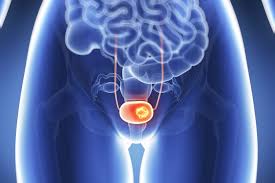
Urine infection, also called urinary tract infection (UTI), is common. Many people recover with medicines. However, when infections keep coming back repeatedly, it may indicate an underlying structural problem that needs more than antibiotics.
Repeated urine infections can affect bladder health, kidney function, and daily comfort. If antibiotics are working only temporarily, proper evaluation becomes necessary to identify and correct the root cause.
This page explains when recurrent urine infection requires procedural treatment, what causes it, and what options are available.
Quick Summary
Recurrent urine infection treatment may be required when:
- Infection returns more than 2–3 times in 6 months
- Symptoms improve but keep recurring
- Structural issues block urine flow
- Kidney involvement is suspected
- Stones or obstruction are present
Most simple UTIs need medicines. Recurrent UTIs may need procedural correction.
What Is a Recurrent Urine Infection?
A urine infection becomes “recurrent” when:
- It happens frequently
- It returns after completing treatment
- It affects the same person multiple times in a year
Common symptoms include:
- Burning while urinating
- Frequent urge to pass urine
- Lower abdominal discomfort
- Cloudy or foul-smelling urine
- Fever in severe cases
Recurrent infection is not just about bacteria. Often, urine is not draining properly.
Why Do Urine Infections Keep Coming Back?
Recurring infections usually have a reason.
Common structural causes include:
- Incomplete bladder emptying
- Enlarged prostate in men
- Urethral stricture
- Bladder outlet obstruction
- Kidney stones
- Bladder stones
- Urine reflux toward kidneys
- Catheter dependence
If urine stays inside the bladder for long periods, bacteria multiply easily.
Recurrent infection is often a symptom of obstruction, not just a bacterial problem.
When Is Surgery Needed for Urine Infection?
Not every infection needs surgery.
Surgery is considered when:
- There is a confirmed blockage
- There are stones inside bladder or kidney
- Enlarged prostate is causing urine retention
- Urethral narrowing prevents proper urine flow
- Structural abnormality is detected on scan
If antibiotics keep failing because urine is not draining properly, treating the structure solves the root issue.
How Is the Cause of Recurrent UTI Identified?
Doctors may recommend:
- Urine culture
- Ultrasound scan
- Post-void residual urine test
- Uroflowmetry
- CT scan if stones are suspected
- Cystoscopy (camera examination of bladder)
The goal is not just to treat infection but to identify why it keeps returning.
Surgical Options for Recurrent Urine Infection
The type of procedure depends on the underlying cause.
1. Enlarged Prostate Surgery
If prostate blockage is causing urine stagnation, procedures like TURP or laser surgery can relieve obstruction.
2. Urethral Stricture Surgery
If narrowing in the urine tube is detected, surgical correction improves urine flow.
3. Stone Removal Surgery
Kidney or bladder stones may harbor bacteria and trigger repeated infections.
Procedures may include:
- Endoscopic stone removal
- Laser stone fragmentation
4. Bladder Outlet Correction
In certain patients, structural bladder issues require correction.
Once obstruction is removed, infection recurrence usually reduces significantly.
What Happens If Recurrent Infection Is Ignored?
Repeated infection can lead to:
- Kidney damage
- Permanent bladder weakness
- High fever episodes
- Blood in urine
- Hospital admissions
- Sepsis in severe cases
Early correction prevents complications.
Recovery After Surgical Correction
Recovery depends on the type of procedure performed.
Most minimally invasive procedures:
- Do not require large cuts
- Have short hospital stay
- Improve urine flow quickly
- Reduce infection frequency
Patients are advised:
- Adequate hydration
- Proper hygiene
- Follow-up urine tests
- Monitoring of symptoms
Who Is at Higher Risk of Recurrent UTI?
Higher-risk individuals include:
- Men with enlarged prostate
- Patients with diabetes
- People with kidney stones
- Patients using long-term catheters
- Individuals with incomplete bladder emptying
Risk evaluation helps in planning preventive strategy.
When to Consult Your Doctor
Consult a urology team if:
- You have more than 2–3 urine infections in 6 months
- Fever accompanies urine infection
- You feel urine is not emptying fully
- Infection returns soon after completing antibiotics
- You have kidney pain or back pain
If you are in Bangalore and looking for treatment near New BEL Road, early structural evaluation can prevent repeated hospital visits.
Frequently Asked Questions
- Can urine infection be cured permanently?
Simple infections can be cured with antibiotics. Recurrent infections need treatment of the underlying cause. - How many infections are considered recurrent?
More than two infections in six months or three in a year is usually considered recurrent. - Is surgery always required for UTI?
No. Surgery is required only when a structural blockage or stone is causing repeated infections. - Can kidney stones cause urine infection?
Yes. Stones can trap bacteria and lead to repeated infections. - Does enlarged prostate cause urine infection?
Yes. If prostate enlargement prevents complete bladder emptying, infection risk increases. - Is recurrent UTI dangerous?
If ignored, repeated infections can affect kidney function over time.
Conclusion
Urine infection is common and usually manageable with medicines. However, when infections keep returning, it is important to investigate the underlying cause instead of repeating antibiotics.
Recurrent infections often signal obstruction, incomplete bladder emptying, or stone formation. Correcting the structural issue not only reduces infection frequency but also protects kidney and bladder health in the long term.
Timely evaluation prevents repeated discomfort and hospital visits.