- +91-8088511289
- MAIL US
- BANGALORE, INDIA
Laser Prostate Surgery: Procedure, Benefits, Recovery and Safety
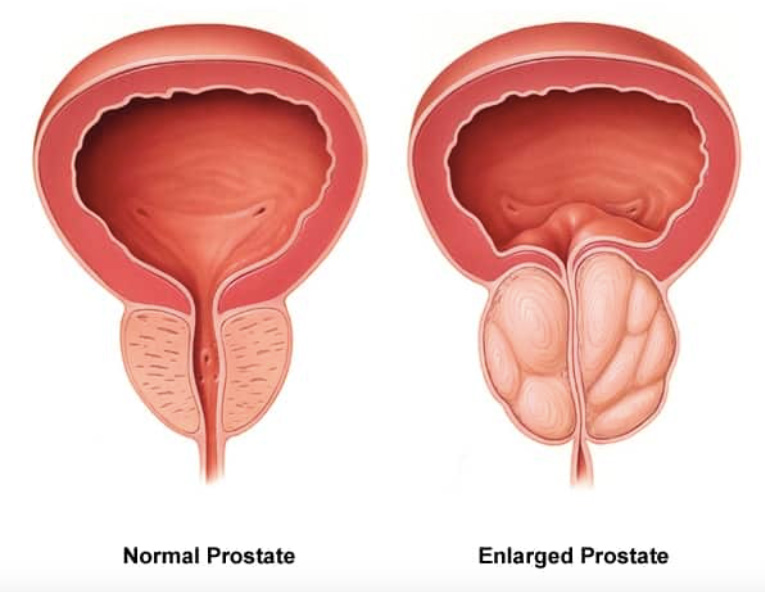
Laser prostate surgery is a modern treatment for men who struggle with urine flow problems due to an enlarged prostate. It is commonly recommended when medicines stop working, night-time urination becomes frequent, or urine gets stuck due to blockage.
Many men in India accept urinary symptoms as “normal ageing.” But when the prostate blocks the urine passage, the bladder starts working harder. Over time, this can trigger repeated infections, retention, and sleep disruption.
This page explains laser prostate surgery in simple terms: who needs it, how it is done, what recovery looks like, and what results you can realistically expect.
Quick Summary
Laser prostate surgery is usually advised when:
- Urine stream becomes weak or slow
- You wake up multiple times at night to urinate
- You feel urine is not fully emptying
- You get repeated urine infections due to blockage
- You have urinary retention or need a catheter
- Medicines are no longer giving relief
The procedure removes or vaporizes the extra prostate tissue blocking urine flow, without any external cuts.
What Is Laser Prostate Surgery?
Laser prostate surgery is a procedure where a surgeon uses laser energy to remove the part of the enlarged prostate that is blocking urine flow.
Key points:
- No external cut on the body
- Instrument goes through the urine passage
- Laser removes excess prostate tissue
- Urine flow improves after the blockage is cleared
Laser surgery is used to treat benign prostate enlargement (BPH) and does not mean prostate cancer treatment.
Why Do Men Need Laser Prostate Surgery?
The prostate sits below the bladder and surrounds the urine tube (urethra). When it enlarges, it squeezes the urethra and slows urine flow.
At first, the body adjusts. But symptoms often worsen gradually.
Common reasons men choose laser surgery:
- Continuous symptoms despite medicines
- Poor sleep because of night-time urination
- Fear of getting “stuck urine” again
- Repeated catheterisation episodes
- Infections caused by incomplete bladder emptying
The goal is simple: open the urine passage and reduce obstruction.
What Symptoms Indicate You Might Need Surgery?
Surgery is not for every enlarged prostate. It is usually recommended when symptoms become moderate to severe or complications start.
Symptoms that often push patients toward surgery
- Weak urine stream: Taking longer to finish urinating
- Frequent urination: Especially at night
- Urgency: Sudden strong need to pass urine
- Straining: Needing pressure to start or maintain urine
- Stop-start urine flow: Interrupted stream
- Incomplete emptying: Feeling urine is still left inside
- Urinary retention: Inability to pass urine, needing catheter
If these symptoms are affecting sleep, travel, work, or daily comfort, surgical treatment becomes a practical option.
Not all symptoms mean surgery is needed. But when obstruction is confirmed and quality of life drops, surgery can give long-term relief.
When Is Laser Surgery Preferred Over TURP?
TURP is a standard prostate surgery. Laser surgery is a modern option that may offer certain advantages for select patients.
Laser prostate surgery is often preferred when:
- Bleeding risk is higher
- Patient is on blood thinners (case-by-case decision)
- Faster recovery is desired
- Prostate size is moderate to large (depends on laser technique)
- Surgeon recommends laser based on imaging and symptoms
The final choice depends on:
- prostate size
- urine flow test results
- bladder condition
- overall medical fitness
Types of Laser Prostate Surgery
Hospitals may use different laser techniques depending on equipment and surgeon preference. Patients do not need to memorize names. They only need to understand the outcome: removing the blockage.
Common laser approaches include:
- Laser vaporization: Laser “melts” the obstructing tissue
- Laser enucleation: Laser separates the enlarged tissue and removes it
Your surgeon will explain which method fits your prostate size and health condition.
How Laser Prostate Surgery Is Done (Step-by-Step)
Here is the procedure explained in plain language.
- Anesthesia is given
Usually spinal anesthesia. Some cases may need general anesthesia. - A thin instrument is inserted through the urine passage
No external cut is made. - Laser removes the extra prostate tissue
The obstructing tissue is vaporized or removed to clear the urine channel. - Bleeding control
Laser helps seal small blood vessels during tissue removal. - Catheter is placed
A temporary catheter is placed for urine drainage during healing.
Typical procedure time depends on prostate size, but many cases are completed within 60 to 120 minutes.
Hospital Stay After Laser Prostate Surgery
Most patients:
- stay for a short period
- keep a catheter temporarily
- get discharged once urine is draining well and vitals are stable
Many patients prefer laser surgery because recovery is predictable and planned, instead of repeated emergency catheter situations.
Recovery After Laser Prostate Surgery
Recovery is usually gradual and steady. The main target is to restore smooth urine flow and normal routine.
First 3 to 7 days
- Mild burning during urination can happen
- Slight blood in urine can happen
- Urine frequency may still feel high initially
- Rest is important
2 to 4 weeks
- Urine flow becomes stronger
- Night-time urination starts reducing
- Urgency improves gradually
- Energy levels return
4 to 6 weeks
- Most patients return to full routine
- Heavy lifting and intense exercise can resume as advised
Good hydration helps flush the urinary passage and supports healing.
Benefits of Laser Prostate Surgery
Laser surgery is chosen because it is effective and modern.
Main benefits include:
- Better urine flow
- Reduced night-time urination
- Reduced urgency and frequency over time
- Less bladder strain
- Lower chance of retention episodes
- Better sleep and daily comfort
- Short hospital stay in many cases
For men whose symptoms have been ongoing for months or years, improvement often feels life-changing because sleep quality returns.
Will Laser Prostate Surgery Affect Sexual Life?
This is a key concern for patients and families.
Laser prostate surgery generally does not reduce:
- sexual desire
- erection strength (in most men)
However, like TURP, it can cause retrograde ejaculation in some cases.
What is retrograde ejaculation?
- Semen goes backward into the bladder instead of coming out
- It is not harmful
- It may affect fertility
- Pleasure usually remains the same
If fertility is a priority, discuss it before surgery so the plan is clear.
Risks and Side Effects (Realistic, No Drama)
Laser prostate surgery is considered safe when performed by trained surgeons, but every procedure carries some risk.
Possible side effects:
- Temporary burning while urinating
- Temporary urgency
- Mild bleeding in urine for a short period
- Urine infection (rare with proper care)
- Retrograde ejaculation (common)
- Need for repeat procedure years later (uncommon)
Severe complications are uncommon, especially when the surgery is planned early instead of done in emergency urinary retention.
What Happens If Surgery Is Delayed Too Long?
When the prostate blocks urine for long periods, the bladder muscles can become weak.
Delaying treatment can increase risk of:
- repeated urinary retention requiring catheter
- recurrent infections due to urine stagnation
- bladder stones
- worsening sleep and fatigue
- long-term bladder function issues
Planned surgery is almost always easier than emergency retention management.
Who Is a Good Candidate for Laser Prostate Surgery?
Laser surgery is commonly considered for men who have:
- confirmed obstruction due to BPH
- moderate to severe urinary symptoms
- poor response to medicines
- retention episodes or catheter dependence
- repeated urine infections related to blockage
Your urology team will decide based on test findings, not just symptoms.
When to Consult Your Doctor
Consult a urology team if you have:
- weak or slow urine stream getting worse
- night-time urination affecting sleep
- urine retention or catheter episodes
- repeated urine infections
- straining to pass urine
- feeling of incomplete urine emptying
If you are in Bangalore and looking for treatment near New BEL Road, early evaluation and planned procedure selection can prevent emergency urinary blockage episodes.
Frequently Asked Questions
- Is laser prostate surgery safe?
Yes, it is widely used and considered safe when done by experienced urologists. - How long does the surgery take?
Usually 60 to 120 minutes depending on prostate size and technique. - Will I need a catheter after laser surgery?
Yes, a catheter is kept temporarily for healing and urine drainage. - How soon will urine flow improve?
Many patients notice improvement after catheter removal, with further improvement over the next few weeks. - Does laser surgery remove the full prostate?
No, it removes the obstructing part that blocks urine flow. - Can the prostate enlarge again after laser surgery?
In some men, regrowth can happen after many years, but long-term relief is common. - Will laser surgery affect erection?
Erection is usually preserved. Retrograde ejaculation can occur in some cases.
Conclusion
Laser prostate surgery is a modern and reliable option for men who are tired of frequent urination, weak stream, night-time bathroom visits, or repeated urine blockage. It is done without external cuts and focuses on removing the obstruction so urine can flow normally again.
For most patients, the biggest benefit is not just urine flow. It is sleep, routine, confidence, and freedom from the fear of sudden urinary retention.
If symptoms are progressing despite medicines, timely evaluation and planned surgery selection can prevent complications and restore quality of life.