- +91-8088511289
- MAIL US
- BANGALORE, INDIA
Enlarged Prostate (BPH): Symptoms, Diagnosis & Treatment Options
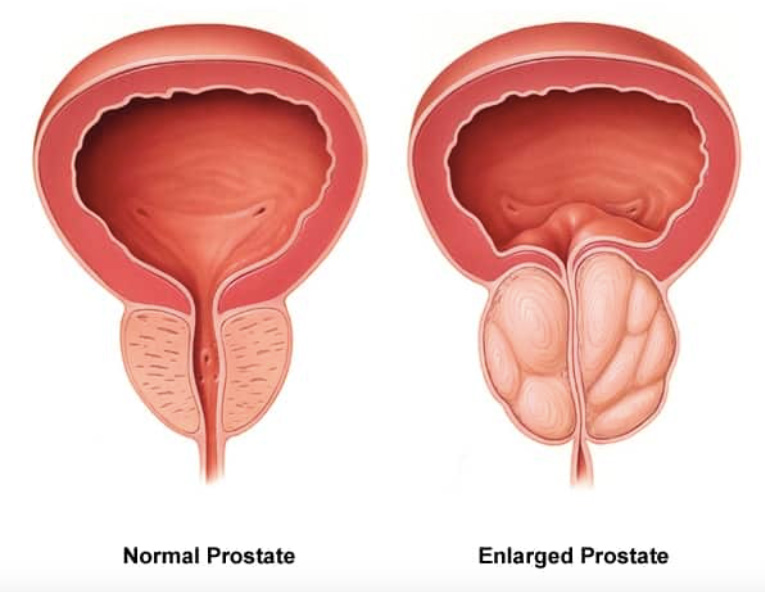
An enlarged prostate, medically known as Benign Prostatic Hyperplasia (BPH), is a common condition in men above 50. It happens when the prostate gland increases in size and presses against the urethra, affecting urine flow.
Many men assume frequent urination or weak urine stream is “just age.” However, untreated BPH can gradually affect bladder function and quality of life. This page explains symptoms, causes, diagnostic tests, treatment options, and when timely evaluation becomes important.
Quick Summary
Benign Prostatic Hyperplasia (BPH) is a non-cancerous enlargement of the prostate gland that can cause:
- Frequent urination
- Weak urine stream
- Night-time urination
- Incomplete bladder emptying
- Urgency or dribbling
Treatment depends on symptom severity and may include medications, minimally invasive procedures, or surgery.
What Is an Enlarged Prostate (BPH)?
The prostate is a small gland located below the bladder in men. It surrounds the urethra, the tube that carries urine out of the body.
With age, hormonal changes can cause prostate tissue to grow. When it enlarges, it compresses the urethra, making it harder for urine to pass normally.
Importantly:
- BPH is not cancer.
- It does not directly lead to prostate cancer.
- However, symptoms can overlap, which is why evaluation matters.
What Are the Early Symptoms of Enlarged Prostate?
Many men ignore early warning signs. The symptoms usually start gradually.
Common Symptoms of BPH
- Frequent urination: Especially at night (nocturia)
- Weak urine stream: Reduced flow strength
- Hesitancy: Difficulty starting urination
- Incomplete emptying: Feeling like the bladder is not fully empty
- Urgency: Sudden need to urinate
- Dribbling at the end of urination
Symptoms may vary from person to person.
Mild symptoms can remain stable for years. However, progressive symptoms require proper evaluation to prevent complications.
Why Does the Prostate Enlarge With Age?
The exact cause is not completely understood, but age-related hormonal changes play a major role.
Possible contributing factors:
- Increased dihydrotestosterone (DHT) activity
- Testosterone-estrogen balance changes
- Genetic predisposition
- Metabolic conditions like obesity and diabetes
BPH becomes increasingly common after age 50 and affects a significant percentage of men above 60.
How Is Enlarged Prostate Diagnosed?
Accurate diagnosis helps differentiate BPH from infection or prostate cancer.
Common Diagnostic Tests
- Digital Rectal Examination (DRE): To assess prostate size
- PSA Blood Test: Measures prostate-specific antigen
- Ultrasound Scan: Evaluates prostate volume
- Urine Test: Rules out infection
- Uroflowmetry: Measures urine flow strength
- Post-Void Residual Test: Checks leftover urine
Diagnosis focuses not just on size but on how much it affects urinary function.
What Happens If BPH Is Not Treated?
Untreated enlarged prostate may lead to:
- Recurrent urinary infections
- Bladder stones
- Acute urinary retention (sudden inability to urinate)
- Kidney damage (in severe prolonged cases)
While not every patient develops complications, progressive obstruction increases risk.
What Are the Treatment Options for Enlarged Prostate?
Treatment depends on symptom severity and patient health status.
1. Lifestyle Modifications (Mild Symptoms)
- Reducing evening fluid intake
- Avoiding caffeine and alcohol
- Timed urination
- Weight management
2. Medications
- Alpha-blockers: Relax prostate muscles to improve flow
- 5-alpha reductase inhibitors: Shrink prostate over time
- Combination therapy: For moderate to severe symptoms
Medications control symptoms but may require long-term use.
3. Minimally Invasive Procedures
Recommended when medicines fail or symptoms worsen.
Options may include:
- TURP (Transurethral Resection of Prostate)
- Laser prostate surgery
- Bipolar resection techniques
These procedures relieve obstruction and improve urine flow significantly.
How Long Is Recovery After Prostate Surgery?
Recovery depends on the type of procedure.
- Hospital stay: Usually short
- Catheter duration: Temporary in most cases
- Return to normal activity: Gradual within weeks
- Symptom relief: Often noticeable early
Modern techniques aim for reduced bleeding, shorter hospital stay, and faster recovery.
When to Consult Your Doctor
Seek medical evaluation if you experience:
- Persistent weak urine flow
- Difficulty starting urination
- Frequent night urination
- Sudden inability to urinate
- Blood in urine
- Recurrent urinary infections
If you are consulting a hospital in Bangalore, especially around New BEL Road or North Bangalore, early urology evaluation can prevent long-term complications.
Frequently Asked Questions
Is an enlarged prostate dangerous?
BPH is not cancerous, but untreated obstruction can lead to bladder or kidney complications.Can BPH turn into prostate cancer?
No. BPH does not become cancer, but both conditions can exist at the same time.At what age does prostate enlargement usually begin?
Prostate enlargement commonly starts after 40 and becomes more noticeable after 50.
Is surgery always required for enlarged prostate?
No. Many patients improve with medication. Surgery is advised only if symptoms are severe or unresponsive to medicines.
Conclusion
Enlarged prostate is a common age-related condition that affects urinary comfort and daily routine. While many men adjust silently to symptoms, early medical evaluation offers effective relief and prevents complications.
If urinary symptoms persist or worsen, consulting a qualified urology team ensures accurate diagnosis and appropriate treatment planning.